Side-by-side IQ profile
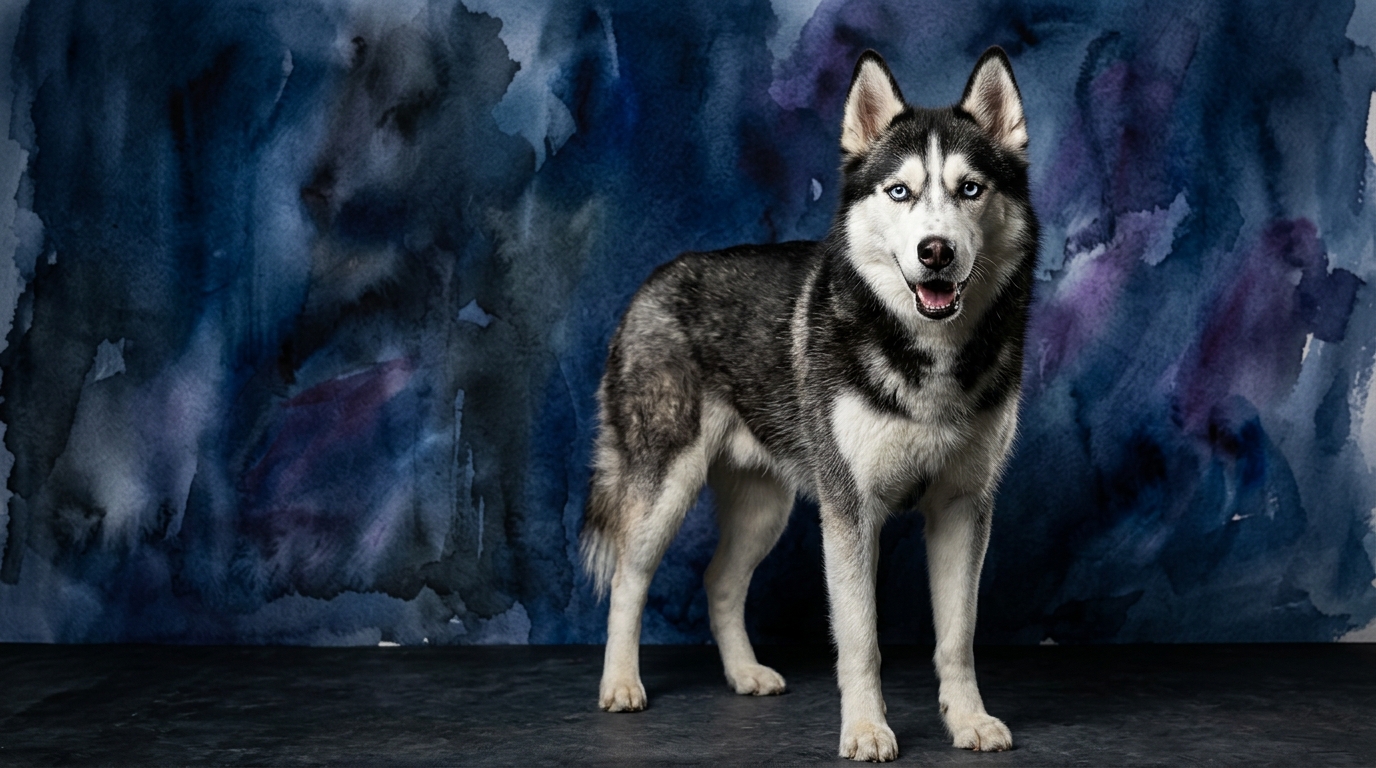
**Siberian Husky: The Endurance Strategist**
**Problem Solving (4/5):** Huskies display a robust capacity for figuring things out, particularly when it comes to navigation and overcoming physical obstacles. Their ancestral role as sled dogs required them to make decisions on the trail, demonstrating an ability to assess routes and find solutions, such as opening gates or escaping yards.
**Training Speed (2/5):** This is where huskies present a unique challenge. They grasp commands, but their strong independence means they often weigh whether complying is in their best interest. Training requires exceptional patience, consistency, and motivation, as they are not inherently eager to please.
**Social Intelligence (3/5):** Huskies are generally friendly and can adapt well to various social settings, both with humans and other dogs. However, their interactions are often on their own terms; they can be affectionate but also possess an independent streak that means they aren't always seeking constant attention or approval.
**Instinctive Drive (5/5):** Their drive to run, pull, and explore is exceptionally high. This manifests as a powerful wanderlust, a strong prey drive for small animals, and an innate desire to dig. These deeply ingrained instincts are central to their cognitive makeup and behavioral patterns.
**Memory (4/5):** Huskies possess a commendable memory, particularly for routes, routines, and the locations of resources or interesting smells. They remember past experiences, both positive and negative, which influences their future behaviors and learning.
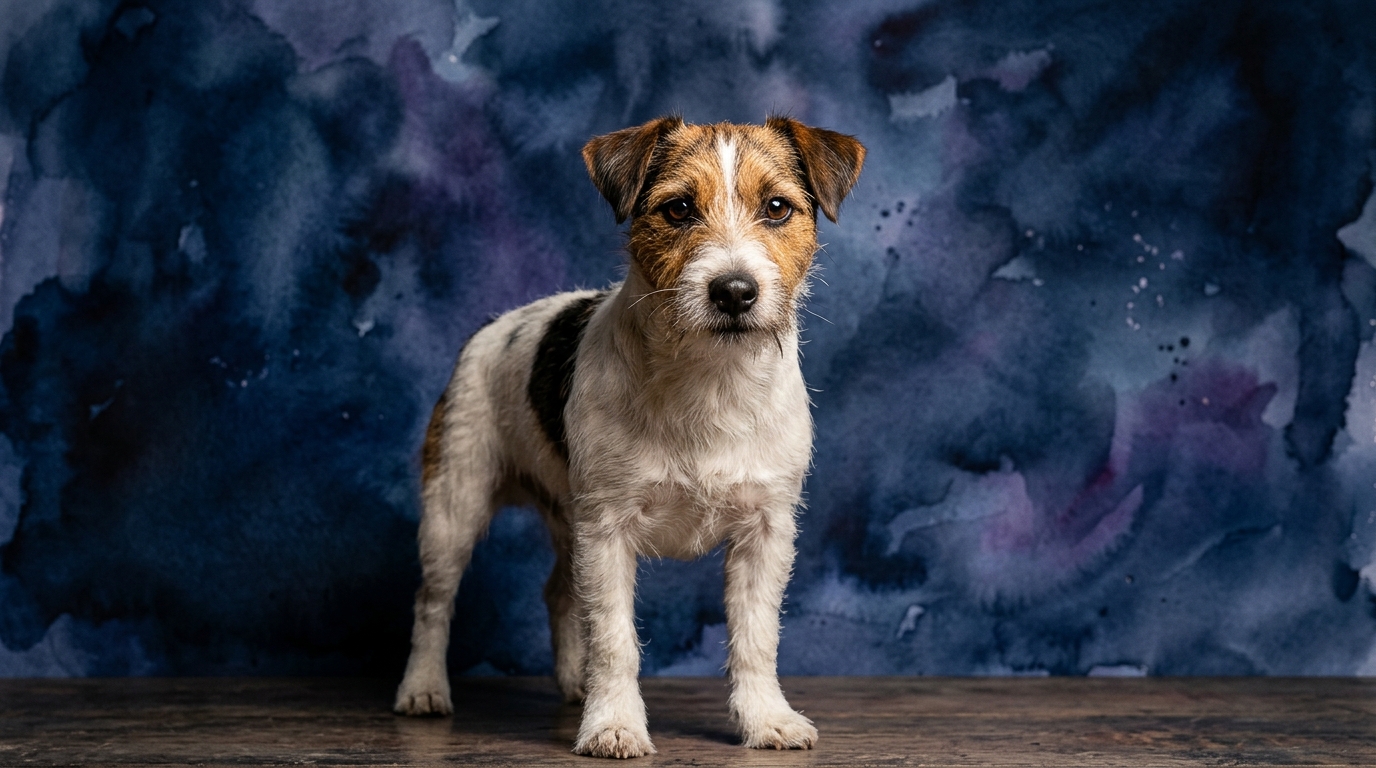
**Jack Russell Terrier: The Tenacious Tactician**
**Problem Solving (5/5):** Jack Russell Terriers excel in problem-solving, a direct result of their breeding for independent hunting. They are incredibly adept at figuring out complex puzzles, navigating tight spaces to reach a goal, or manipulating objects to achieve their objectives, showcasing persistence and cleverness.
**Training Speed (3/5):** While quicker to learn new commands than a Husky, Jack Russells still demand consistent and engaging training. Their inherent drive and propensity for distraction mean that while they pick up concepts rapidly, maintaining focus and ensuring compliance requires creative, positive reinforcement to channel their abundant energy.
**Social Intelligence (3/5):** Jack Russells are confident and can be very social with their trusted human companions. However, their assertive terrier nature means they require careful socialization, especially with other dogs, as they can be prone to standing their ground. They form strong bonds but expect clear leadership.
**Instinctive Drive (5/5):** The Jack Russell's instinctive drive is paramount, focused intensely on hunting and exploring. Their drive to chase, dig, and investigate scents is relentless, making them formidable pest controllers but also presenting challenges for owners unprepared for their intense focus on these ancestral behaviors.
**Memory (4/5):** Jack Russells demonstrate a strong memory, particularly for learned behaviors, routines, and especially for the locations of interesting scents or potential prey. They recall past successes in their problem-solving endeavors, reinforcing their determined approach.
Where Siberian Husky wins cognitively
The Siberian Husky's cognitive strengths truly shine in scenarios demanding endurance, self-sufficiency, and decision-making over long distances. Their 4/5 problem-solving score, though slightly lower than the Jack Russell's, is applied differently, excelling in spatial reasoning and navigating complex environments. A Husky can demonstrate an impressive ability to remember a path through challenging terrain or to strategize an escape from an enclosure, leveraging their physical capabilities with their understanding of surroundings. Their memory, also a 4/5, is particularly effective for recalling vast territories and established routines, making them reliable companions for consistent, structured activities like long runs or established trails. They possess a calm self-assurance that, while making them less eager to please, allows them to operate effectively without constant human direction, a trait invaluable for their original purpose.
Where Jack Russell Terrier wins cognitively
The Jack Russell Terrier's cognitive advantages are most evident in their unparalleled problem-solving abilities (5/5) and tenacious application of that intellect. Bred to independently confront and extract quarry from burrows, they exhibit exceptional ingenuity and persistence. This translates into a dog that can quickly assess a situation, devise a plan, and execute it with unwavering determination, whether it's figuring out a complex puzzle toy or finding a way under a fence. Their quick learning ability (3/5 training speed) means they grasp new concepts rapidly, and their focused, intense nature allows them to zero in on specific tasks. This breed's triumphs lie in their sharp, focused intellect, applied with relentless energy to overcome immediate, often intricate, challenges.
Which is easier to train and why
Comparing trainability, the Jack Russell Terrier (3/5 training speed) generally presents a slightly easier path than the Siberian Husky (2/5 training speed). Jack Russells learn commands quickly due to their sharp intellect and eagerness to engage in stimulating activities. However, their high instinctive drive and independent nature mean training must be consistently engaging and firm to prevent boredom or distraction from their environment. They respond well to positive reinforcement and mental challenges that satisfy their problem-solving urges. Huskies, on the other hand, understand commands but often lack the intrinsic motivation to consistently comply. Their independence means they often choose whether to obey, making consistent recall or complex obedience challenging. Training a Husky requires immense patience, understanding their motivations (often food or a run), and accepting that their compliance will never be absolute. While both breeds demand commitment, the Jack Russell's faster learning curve and willingness to participate in structured mental tasks can make the initial training phase feel more rewarding for an owner.
Which suits active owners vs relaxed owners
Both the Siberian Husky and the Jack Russell Terrier are decidedly suited for active owners, though their ideal activities differ. A Siberian Husky thrives with owners who can provide extensive opportunities for running, hiking, or even sledding/canicross. Their immense instinctive drive (5/5) for endurance and exploration means they need several hours of vigorous exercise daily, coupled with mental stimulation that respects their independent nature. Without adequate outlets, they can become destructive or attempt escapes. A Jack Russell Terrier, with its equally high instinctive drive (5/5) and boundless energy, also requires an active lifestyle. They excel in activities like agility, earthdog trials, or long walks combined with puzzle games and training sessions that challenge their sharp minds. Their exercise needs are intense and consistent, focusing on bursts of activity and mental engagement. Neither breed is a good fit for relaxed, sedentary owners; both will likely develop behavioral issues if their significant physical and mental exercise requirements are not met.
The Verdict
Choose a Siberian Husky if you are an experienced, active owner seeking a self-reliant companion for long-distance outdoor adventures, understanding their need for extensive exercise and independent decision-making.
Opt for a Jack Russell Terrier if you are a highly active, dedicated owner who enjoys engaging a sharp, tenacious mind in fast-paced activities and problem-solving, prepared for their intense drive and persistent nature.
🧠 Find Your Pet's IQ Score
Our Pet IQ Lab assessment covers 25+ tests across 5 cognitive dimensions — personalized to your breed.
Take the Full IQ Test →Frequently Asked Questions
Are Siberian Huskies difficult dogs to own?
Siberian Huskies can be challenging due to their high energy, strong prey drive, and independent nature. They require extensive exercise, consistent training, and secure containment to prevent escape attempts or destructive behaviors. Their unique temperament means they are best suited for experienced owners who understand their specific needs.
Do Jack Russell Terriers bark a lot?
Jack Russell Terriers can be prone to barking, especially if not adequately exercised or mentally stimulated. Their strong instinctive drive leads them to alert to perceived threats or interesting sounds, and they can be quite vocal. Consistent training and addressing the root cause of the barking are crucial.
Which breed is better with children?
Both breeds can be good with children, but require proper socialization and supervision. Siberian Huskies are generally good-natured and tolerant, while Jack Russell Terriers, though affectionate, can be boisterous and possess a strong prey drive, making careful introductions and monitoring essential with very young children.