Side-by-Side IQ Profile: Siberian Husky vs. Kuvasz
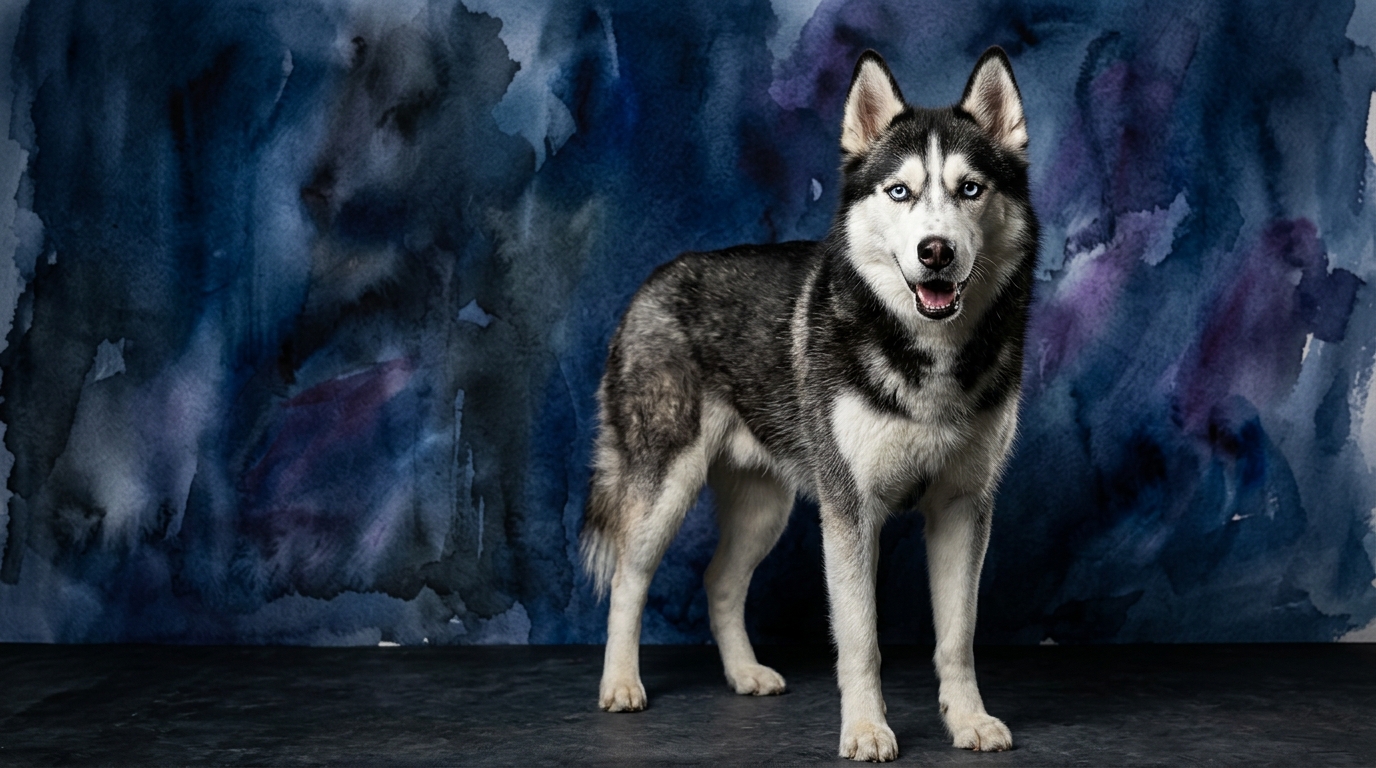
From the Siberian wilderness, the Husky's cognition reflects its sled dog heritage. Problem Solving at 4/5 signifies strong independent ingenuity, seen in clever escapes or navigating obstacles. Training Speed is 2/5, indicating a moderate learning pace requiring consistent motivation. Social Intelligence is 3/5, suggesting average understanding of social cues, favoring their human pack but not overly reliant on constant validation. Their Instinctive Drive is a powerful 5/5, fueling innate urges for pulling, exploring, and a strong prey drive. Memory, at 4/5, aids effective retention of experiences and routes.
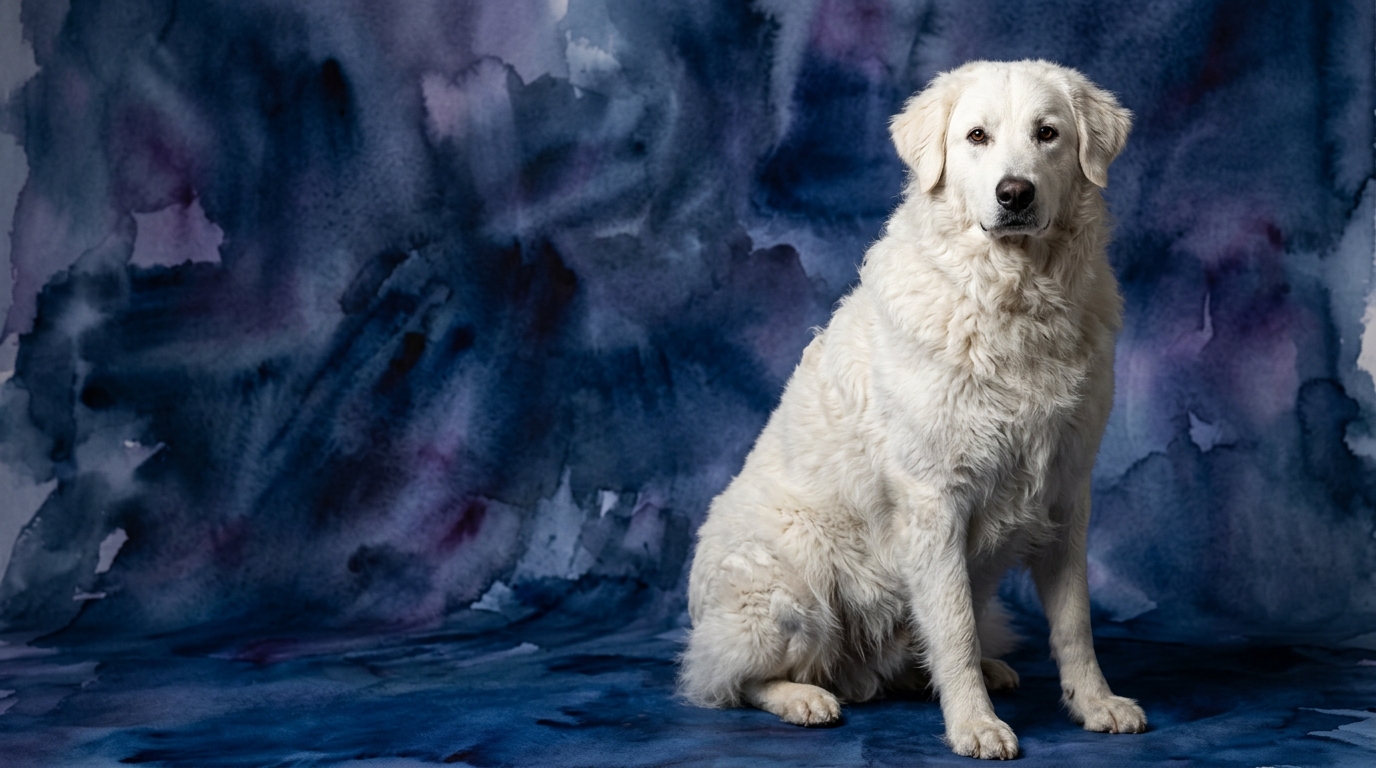
The Hungarian livestock guardian, the Kuvasz, presents a cognitive profile tailored for protection. Their Coren rank of #42 places them just ahead of the Husky. Problem Solving at 3/5 shows solid ability to assess threats and navigate, though with less independent innovation. Training Speed is 3/5, signifying a reasonable learning curve for commands. Social Intelligence also 3/5, reflecting their capacity for bonding while maintaining a watchful, reserved demeanor. Instinctive Drive is 3/5, primarily focused on guardian behaviors. Memory, like the Husky, is 4/5, vital for recalling territory, charges, and past events.
Where the Siberian Husky Wins Cognitively
The Siberian Husky excels in Problem Solving (4/5) and Instinctive Drive (5/5). Their high problem-solving capacity enables independent thought, manifesting in clever escapes, fence-scaling, or devising routes to goals. This self-directed ingenuity is a breed hallmark. Moreover, their exceptional Instinctive Drive isn't just energy; it's a deep compulsion for tasks like pulling, vast exploration, and a robust prey drive. This powerful internal motivation drives them to engage with their world, seeking activities fulfilling these ingrained urges, whether long runs or intense scent investigation. This strong drive, while demanding, equips them with intrinsic motivation aligned with their historical purpose.
Where the Kuvasz Wins Cognitively
The Kuvasz, while not matching the Husky's sheer problem-solving ingenuity, shows a cognitive advantage in Training Speed (3/5 vs. Husky's 2/5). This means a Kuvasz is typically more receptive to learning new commands and associating actions with desired outcomes directly and consistently. Their obedience learning curve tends to be smoother, requiring fewer repetitions and less complex motivational tactics. This higher receptiveness stems from a more balanced Instinctive Drive (3/5), less overwhelming than the Husky's 5/5. Consequently, a Kuvasz is less prone to having training overridden by intense, singular focus on independent tasks, making them potentially more straightforward for foundational obedience and household manners.
Which is Easier to Train and Why
The Kuvasz generally offers a more straightforward training experience than the Siberian Husky due to their respective Training Speed and Instinctive Drive. The Kuvasz's 3/5 Training Speed and 3/5 Instinctive Drive mean they absorb commands efficiently and are less likely to prioritize innate urges over human instruction. Bred for watchful protection, they typically become cooperative learners once a strong bond and clear leadership are established, integrating human directives into their decision-making. In contrast, the Siberian Husky's 2/5 Training Speed, potent 5/5 Instinctive Drive, and 4/5 Problem Solving create a unique challenge. Huskies learn, but their compliance is often elective. Their acute problem-solving allows them to avoid unwanted commands or achieve goals independently, especially if it conflicts with their strong drives for running or exploring. This manifests as 'selective hearing' or stubbornness, requiring immense patience, consistent positive reinforcement, and understanding of their independent spirit, making them more challenging for novice trainers.
Which Suits Active Owners vs. Committed Owners
These breeds' cognitive and behavioral profiles demand distinct ownership styles. The Siberian Husky, with its 5/5 Instinctive Drive and 4/5 Problem Solving, requires exceptionally active owners. They need substantial, consistent physical exertion tapping into their innate desire to run, pull, and explore. Owners thriving on outdoor adventures—running, hiking, biking, or dog sports—will find a Husky an energetic partner. Their cognitive needs also demand mental stimulation; without outlets for their problem-solving and independent thought, they become bored and destructive. A relaxed owner would be overwhelmed by a Husky's boundless energy and independent nature.
The Kuvasz, while a working breed, suits a different committed owner. They need regular exercise and mental engagement, but their 3/5 Instinctive Drive focuses more on patrolling and guarding than high-speed endurance. They suit owners providing a secure, spacious environment for observation, plus regular, moderate walks. Their cognitive demand is less about physical output and more about patient guidance for their protective instincts. They thrive with owners understanding livestock guardian breeds, offering clear leadership and early socialization. While not for an owner seeking minimal interaction, an owner not pursuing constant adrenaline might find the Kuvasz's steady, watchful nature a better fit than the perpetually active Husky.
The Verdict
Choose a Siberian Husky if you are an exceptionally active individual or family, ready to embrace a clever, independent dog that thrives on consistent physical challenges and mental stimulation, and you appreciate a companion with a strong will and a penchant for figuring things out on their own terms.
Opt for a Kuvasz if you seek a loyal, protective companion with a steady temperament, are committed to patient, consistent training to guide their guardian instincts, and can provide a secure environment where they can fulfill their watchful duties.
🧠 Find Your Pet's IQ Score
Our Pet IQ Lab assessment covers 25+ tests across 5 cognitive dimensions — personalized to your breed.
Take the Full IQ Test →Frequently Asked Questions
Is a Siberian Husky difficult to train?
Siberian Huskies can be challenging to train due to their moderate training speed (2/5) combined with a very high instinctive drive (5/5) and strong problem-solving abilities (4/5). They often learn commands but choose to obey selectively, preferring to follow their own independent motivations, which requires significant patience and consistent positive reinforcement from owners.
Do Kuvasz dogs need a lot of exercise?
Kuvasz dogs require regular exercise, but their needs are generally moderate compared to some high-energy breeds. They benefit from daily walks and a secure yard where they can patrol and observe. Their instinctive drive (3/5) focuses more on territorial guarding than intense physical tasks, so while they need activity, it's often less about endurance and more about consistent engagement.
Which breed is better for a first-time dog owner?
Neither breed is typically recommended for a first-time dog owner without significant prior research and commitment. However, if forced to choose, the Kuvasz might be marginally more manageable due to its slightly higher training speed and more contained instinctive drive, though its protective nature still demands experienced handling. The Siberian Husky's independence and immense energy can be overwhelming for novices.