Side-by-Side IQ Profile
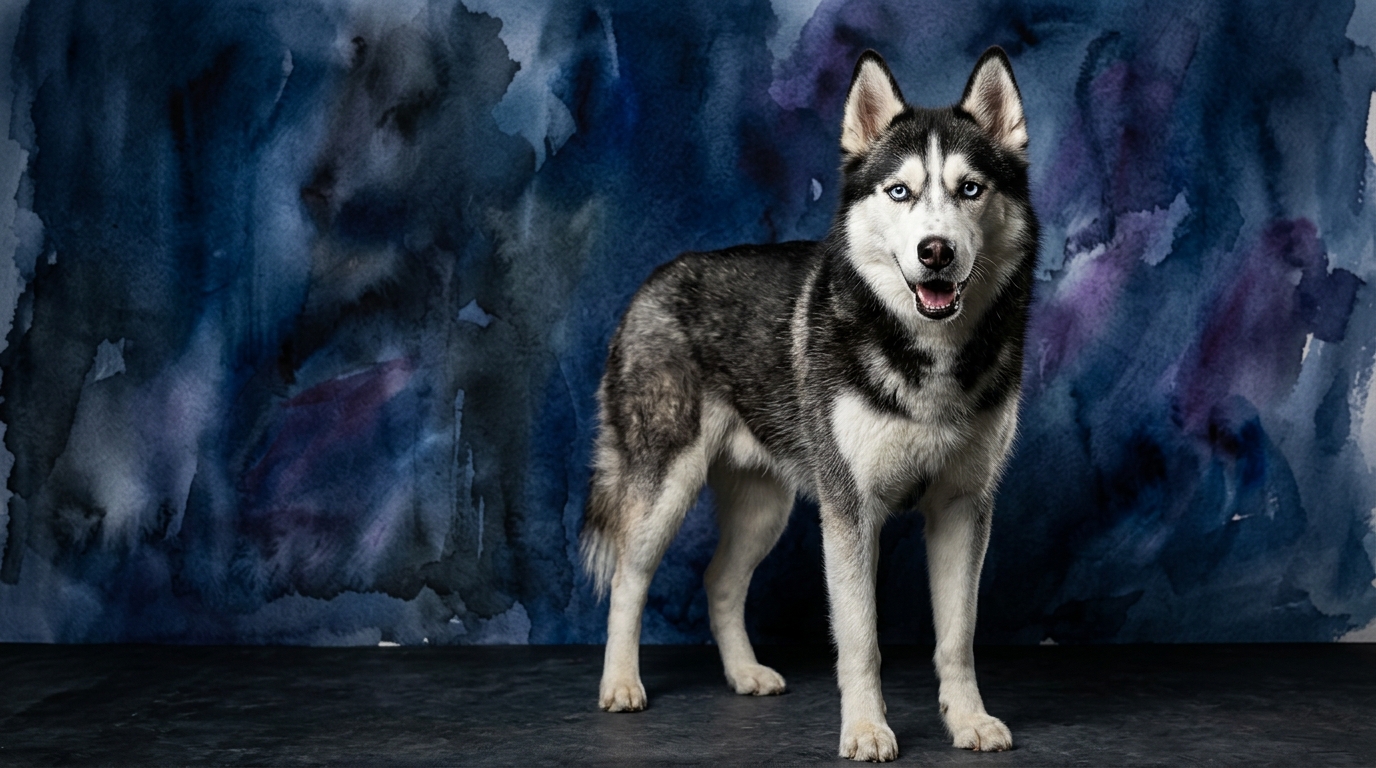
Originating from the harsh Arctic, the Siberian Husky exhibits a Problem Solving score of 4/5, reflecting their resourcefulness in navigating complex environments and overcoming obstacles, often independently. Their Training Speed is rated 2/5, indicating a strong-willed nature that prioritizes independent thought over immediate compliance, a trait vital for long-distance sledding where initiative is paramount. Social Intelligence stands at 3/5, as they are generally amiable but not overly focused on human emotional nuances, more attuned to pack dynamics. An Instinctive Drive of 5/5 highlights their profound urge to run, pull, and explore, deeply ingrained from generations of working in vast, open terrains. Finally, their Memory at 4/5 allows them to recall routes, tasks, and learned behaviors with impressive retention, crucial for survival and performance in their traditional roles.
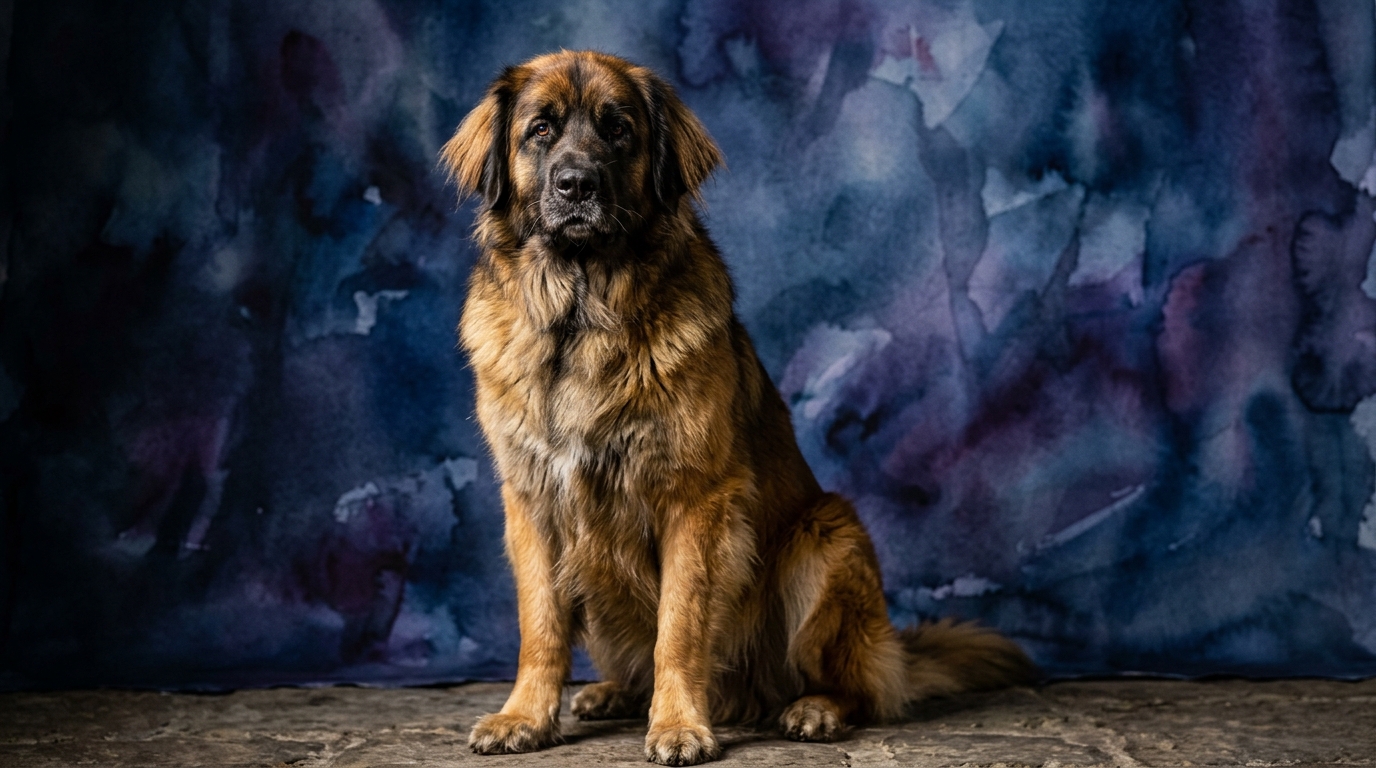
Hailing from Germany as a majestic companion and guardian, the Leonberger presents a Problem Solving score of 3/5, demonstrating practical intelligence for everyday situations and moderate challenges, often seeking human guidance. Their Training Speed is 3/5, suggesting a more cooperative and attentive disposition, making them generally receptive to instruction and eager to please their human companions. Social Intelligence also scores 3/5, indicating an ability to form strong bonds and be sensitive to family dynamics, though perhaps less overtly expressive than some breeds. An Instinctive Drive of 3/5 reflects a balanced level of natural urges, including a protective instinct and a moderate desire for activity, less intense than the Husky's relentless drive. Their Memory, rated 3/5, is solid for retaining commands and routines, though perhaps not as exceptional in recalling intricate details or complex sequences as the Husky.
Where Siberian Husky Wins Cognitively
The Siberian Husky shines particularly bright in areas demanding independent thought and self-reliance, categories where their cognitive scores surpass the Leonberger’s. Their Problem Solving ability, rated 4/5 compared to the Leonberger’s 3/5, underscores a breed that excels at figuring things out on its own. This manifests in their legendary ability to escape enclosures, open gates, or devise strategies to obtain desired objects, driven by an inherent need for autonomy and often, a touch of mischief. This isn't about being “smarter” in a human sense, but about a different kind of operational intelligence – one geared towards overcoming environmental challenges without constant human direction. Furthermore, the Husky's Instinctive Drive, a perfect 5/5 against the Leonberger’s 3/5, is a profound cognitive advantage for tasks requiring sustained, self-motivated effort. This drive translates into an unyielding desire to run and pull, an internal motor that powers their legendary endurance. While this can be a challenge for owners, it's a testament to their deep-seated cognitive programming for their historical role. Finally, a Memory score of 4/5 for the Husky, versus 3/5 for the Leonberger, suggests a superior capacity for spatial recall and remembering complex sequences, vital for navigating vast, featureless landscapes and executing intricate sledding maneuvers. This robust memory aids their ability to learn and retain complex patterns, even if their willingness to perform them on command varies.
Where Leonberger Wins Cognitively
While the Siberian Husky excels in autonomous problem-solving and drive, the Leonberger’s cognitive strengths lie in areas that foster cooperation and biddability, particularly evident in their Training Speed. With a Training Speed score of 3/5, equal to the Husky's but often more effective in practice due to underlying temperament, Leonbergers typically demonstrate a more consistent willingness to engage with human instruction. This score, combined with their balanced Instinctive Drive (3/5), means they are generally less distracted by their own innate urges and more inclined to focus on their handlers. They are not as prone to the Husky's independent “what's in it for me?” attitude, often showing a genuine desire to please and work alongside their human companions. This cooperative spirit is a significant cognitive advantage for owners seeking a dog that integrates smoothly into family routines and responds reliably to commands. Their Social Intelligence, also 3/5, supports their role as family guardians and companions, allowing them to adapt well to various social situations and form strong, perceptive bonds. While their Problem Solving and Memory scores are slightly lower than the Husky's, their cognitive profile leans towards practical application and harmonious interaction within a domestic setting, making them adept at understanding social cues and responding appropriately within a structured environment.
Which is Easier to Train and Why
When considering ease of training, the Leonberger generally presents a more straightforward experience than the Siberian Husky, despite some overlapping IQ scores. The Leonberger's Training Speed of 3/5, coupled with a moderate Instinctive Drive (3/5), translates into a dog that is typically more eager to please and less prone to independent decision-making during training sessions. They are often more attentive, patient, and responsive to positive reinforcement, making the learning process a collaborative effort. Their inherent biddability means they are less likely to question commands or become easily distracted by their environment, allowing for more consistent progress. In contrast, the Siberian Husky's Training Speed of 2/5, combined with an extremely high Instinctive Drive (5/5) and a strong Problem Solving ability (4/5), creates a unique training dynamic. Huskies are not “difficult” because they lack cognitive capacity; rather, they are “challenging” because their intelligence is often directed towards self-serving goals. Their independent nature, honed by generations of making decisions on open tundra, means they frequently evaluate whether a command aligns with their own interests before complying. This can manifest as selective hearing, stubbornness, or a tendency to get distracted by scent trails or the urge to run. Training a Husky requires immense patience, consistency, creativity, and a deep understanding of their motivations, often turning simple commands into a negotiation. Therefore, for most owners, the Leonberger's balanced cognitive profile and cooperative temperament make for a significantly easier and more predictable training journey.
Which Suits Active Owners vs Relaxed Owners
The cognitive profiles of the Siberian Husky and Leonberger strongly dictate their suitability for different owner lifestyles. The Siberian Husky, with its profound Instinctive Drive (5/5), high Problem Solving (4/5), and robust Memory (4/5), is unequivocally suited for active owners who relish adventure and can provide consistent mental and physical stimulation. Their ingrained need to run, pull, and explore means they thrive on extensive daily exercise, structured activities like sledding or canicross, and challenging puzzle toys that engage their independent problem-solving skills. An owner who can channel their boundless energy and cunning intellect into productive outlets will find a rewarding companion. Without sufficient engagement, a Husky's cognitive strengths can manifest as destructive behaviors, escape attempts, or relentless vocalization, as their sharp minds and bodies seek their own forms of entertainment. Conversely, the Leonberger, with its more moderate Instinctive Drive (3/5), balanced Problem Solving (3/5), and cooperative Training Speed (3/5), aligns better with owners seeking a companion that is active but less intensely demanding. While they certainly require regular exercise to maintain their physical health and mental well-being, their needs are typically less extreme than the Husky's. Leonbergers enjoy walks, family outings, and structured play, but are generally content to relax indoors with their family after their needs are met. Their cognitive makeup supports a more integrated family life, where their protective instincts and social intelligence shine without the constant need for high-octane stimulation. They are a better fit for owners who appreciate a substantial dog but prefer a calmer presence indoors, capable of enjoying both activity and quiet companionship.
The Verdict
Choose the Siberian Husky if you are an experienced, highly active owner prepared to channel a powerful, independent intellect and relentless drive into structured activities and consistent training.
Choose the Leonberger if you seek a cooperative, gentle giant with a balanced activity level, valuing biddability and a calm, protective presence within a family setting.
🧠 Find Your Pet's IQ Score
Our Pet IQ Lab assessment covers 25+ tests across 5 cognitive dimensions — personalized to your breed.
Take the Full IQ Test →Frequently Asked Questions
Does a higher Problem Solving score mean a dog is "smarter"?
Not necessarily in a general sense. A higher Problem Solving score, like the Husky's 4/5, indicates a breed's propensity for independent thought and finding solutions without human direction, often vital for their original working roles. It doesn't mean they are more biddable or easier to train, as other cognitive dimensions like Training Speed and Social Intelligence play crucial roles in that aspect.
How does the Leonberger's "Not Coren-ranked" status affect its perceived intelligence?
The "Not Coren-ranked" status simply means the Leonberger was not included in Stanley Coren's specific study on obedience and working intelligence, which primarily focused on a dog's ability to learn and obey commands. It does not imply a lack of intelligence; rather, it suggests their cognitive strengths may lie in different areas, such as their social intelligence or practical problem-solving in a family context, which are not directly measured by Coren's methodology.
Can a Siberian Husky ever be as biddable as a Leonberger?
While individual Huskies can show strong biddability with dedicated, consistent training and a deep bond with their owner, it's generally not their inherent nature to be as compliant as a Leonberger. The Husky's strong independent drive and problem-solving prowess mean they will always retain a degree of self-determination. A Leonberger's cognitive makeup inherently leans towards cooperation, making biddability a more natural trait for the breed.