Side-by-Side Cognitive Profiles
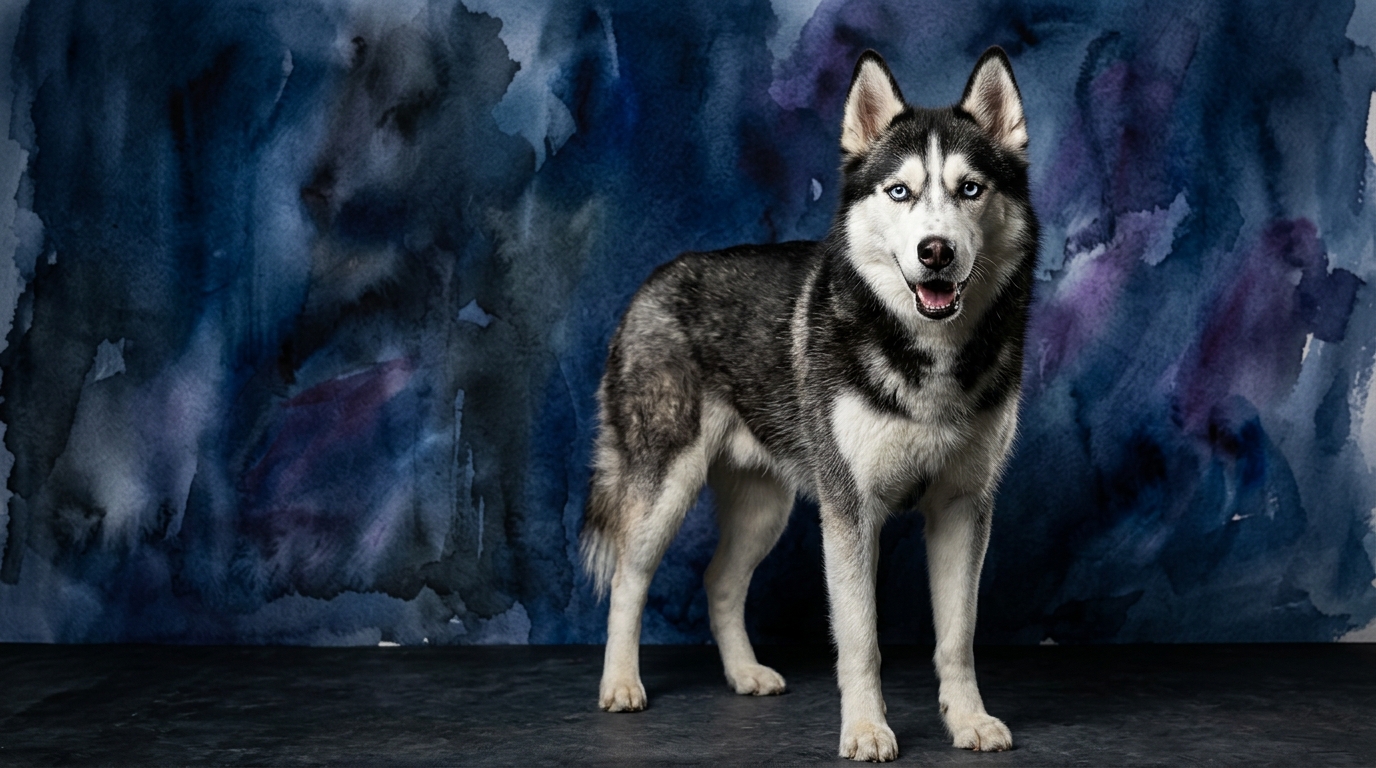
To truly understand the mental landscape of these two distinct working breeds, The Cosmic Pet Pet IQ Lab employs a five-dimensional cognitive assessment. The Siberian Husky, ranked #45 by Coren, exhibits a captivating blend of independence and sharp wit. Their problem-solving ability scores a strong 4/5, often manifesting in clever strategies to navigate their environment or achieve desired outcomes. Training speed, however, is a moderate 2/5, reflecting their independent spirit which prioritizes self-direction over eager compliance. Social intelligence stands at 3/5, indicating an awareness of pack dynamics and human cues, but not an overwhelming desire to please. Their instinctive drive is exceptionally high at 5/5, fueled by an ancestral need for endurance running and exploration. Finally, their memory rates a solid 4/5, enabling them to retain complex spatial information and learned experiences.
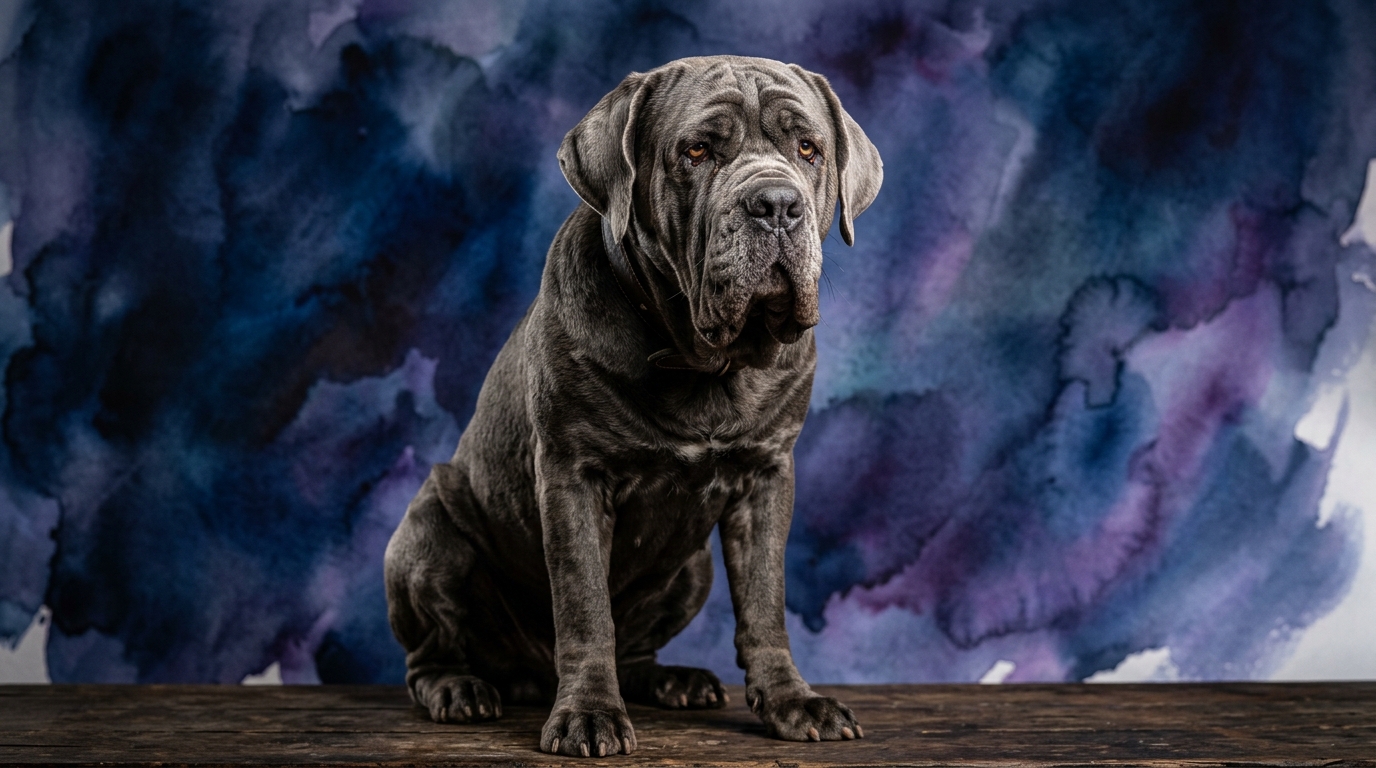
The Neapolitan Mastiff, an unranked breed by Coren, presents a different cognitive blueprint, tailored for guardianship and loyalty. Their problem-solving ability is a practical 3/5, focusing on tasks relevant to their protective role rather than abstract puzzles. Training speed is a balanced 3/5, suggesting they can learn effectively with consistent, patient instruction. Social intelligence also scores 3/5, as they form deep bonds with their family and can discern intentions, though they are often reserved with strangers. Their instinctive drive is 3/5, primarily centered on vigilance and protection of their home and loved ones, rather than a strong urge to roam. Memory is a functional 3/5, allowing them to recall routines, commands, and familiar individuals without exceptional detail.
Where the Siberian Husky's Mind Excels
The Siberian Husky’s cognitive prowess particularly shines in areas demanding ingenuity and self-sufficiency. Their superior problem-solving (4/5) isn't just a numerical score; it's a daily demonstration of how they analyze situations to get what they want, whether it’s figuring out a gate latch or devising an escape route from a seemingly secure enclosure. This isn't mere mischief; it's an active, analytical brain constantly assessing its surroundings for opportunities.
Furthermore, their prodigious instinctive drive (5/5) translates into an unparalleled capacity for sustained physical and mental engagement when it aligns with their natural inclinations. This means they can tirelessly engage in activities like pulling a sled, canicross, or extensive trail running, demonstrating a mental fortitude directly linked to their working heritage. This intrinsic motivation, when properly channeled, allows them to master complex tasks requiring endurance and focus. Their memory (4/5) further supports these endeavors, enabling them to recall vast territories, complex routes, and intricate sequences of commands, even if their willingness to obey is selective.
Where the Neapolitan Mastiff's Mind Takes the Lead
While not traditionally measured by obedience-focused metrics, the Neapolitan Mastiff's intelligence is profound in its specialized form, particularly in protective discernment. Their social intelligence (3/5) is finely tuned to their family's well-being, allowing them to accurately assess environmental cues and discern genuine threats from harmless visitors. This nuanced understanding of social dynamics within their territory is a cognitive strength often underestimated.
Their balanced training speed (3/5) combined with their practical problem-solving (3/5) means they are capable of learning complex tasks related to guarding and companionship, often with a deep-seated desire to fulfill their role. This isn't about rote learning; it's about understanding purpose and responding with deliberate action. Their instinctive drive (3/5), though not geared for high-energy pursuits, is intensely focused on vigilance and protection, making them exceptionally attuned to their environment for potential dangers. This unwavering focus on their primary role translates into a steadfast, reliable presence, a distinct form of cognitive excellence.
Training Dynamics: A Tale of Two Temperaments
When considering ease of training, the Neapolitan Mastiff generally offers a more straightforward path for the average owner. Their training speed (3/5) is moderate, but critically, their instinctive drive (3/5) is profoundly geared towards loyalty and protection within their established home environment. They are inherently more inclined to please their family and respond to clear, consistent direction, especially when it reinforces their ingrained role as a devoted guardian. Their desire to be a steadfast companion often translates into a willingness to engage in structured learning.
In stark contrast, the Siberian Husky’s training speed (2/5) is slower, not due to a lack of capacity to learn, but because their powerful instinctive drive (5/5) for running, exploring, and independent action frequently overrides any immediate desire to comply with human commands. Their superior problem-solving (4/5) might even be employed to creatively circumvent training rather than engage with it. Successfully training a Husky demands immense patience, engaging creativity, and the consistent use of high-value rewards to maintain their often-fleeting focus against the pull of their wanderlust. This requires an owner who understands how to make training feel like an exciting, rewarding game rather than a chore.
Matching Canine Minds to Lifestyles
The Siberian Husky is undeniably a companion for active owners whose lives are infused with movement and outdoor exploration. Their profound instinctive drive (5/5) for physical activity and mental stimulation means they demand extensive daily exercise, often far beyond simple leash walks, to prevent boredom and the manifestation of destructive behaviors. Owners who thrive on outdoor adventures such as running, hiking, biking, or participating in dog sports like canicross or skijoring will discover an unparalleled partner in the Husky, whose endurance and adventurous spirit mirror their own.
Conversely, the Neapolitan Mastiff aligns more harmoniously with relaxed owners, or at least those seeking a less intensely active companion. While they absolutely require regular exercise for optimal health and mental well-being, their instinctive drive (3/5) is not geared towards high-intensity endurance or vast exploration. They deeply appreciate calm companionship, a secure and spacious yard to patrol, and moderate daily walks. This makes them an ideal choice for individuals or families who prefer a more sedate, home-centric lifestyle but still value the unwavering presence of a watchful, devoted guardian.
The Verdict
Choose the Siberian Husky if you are an experienced, active owner ready to channel boundless energy and a clever, independent mind into structured activities like sledding, canicross, or extensive trail running.
Opt for the Neapolitan Mastiff if you desire a devoted, watchful companion with a calm demeanor, valuing steadfast loyalty and a moderate exercise routine over intense physical demands.
🧠 Find Your Pet's IQ Score
Our Pet IQ Lab assessment covers 25+ tests across 5 cognitive dimensions — personalized to your breed.
Take the Full IQ Test →Frequently Asked Questions
Is a Siberian Husky a good first dog?
A Siberian Husky can be a challenging first dog due to their strong prey drive, escape artistry, and need for extensive mental and physical stimulation, often requiring an owner with previous experience in managing independent breeds.
How do Neapolitan Mastiffs show affection?
Neapolitan Mastiffs show affection through quiet devotion, leaning into their owners, seeking gentle pets, and offering a watchful, protective presence, often expressing their deep bonds with subtlety rather than overt exuberance.
Can a Neapolitan Mastiff live in an apartment?
While large, a Neapolitan Mastiff can potentially live in an apartment if they receive sufficient daily walks and have a calm, spacious indoor environment, though a house with a secure yard is generally preferred for their comfort and guarding instincts.