A Side-by-Side Look at Cognitive Profiles
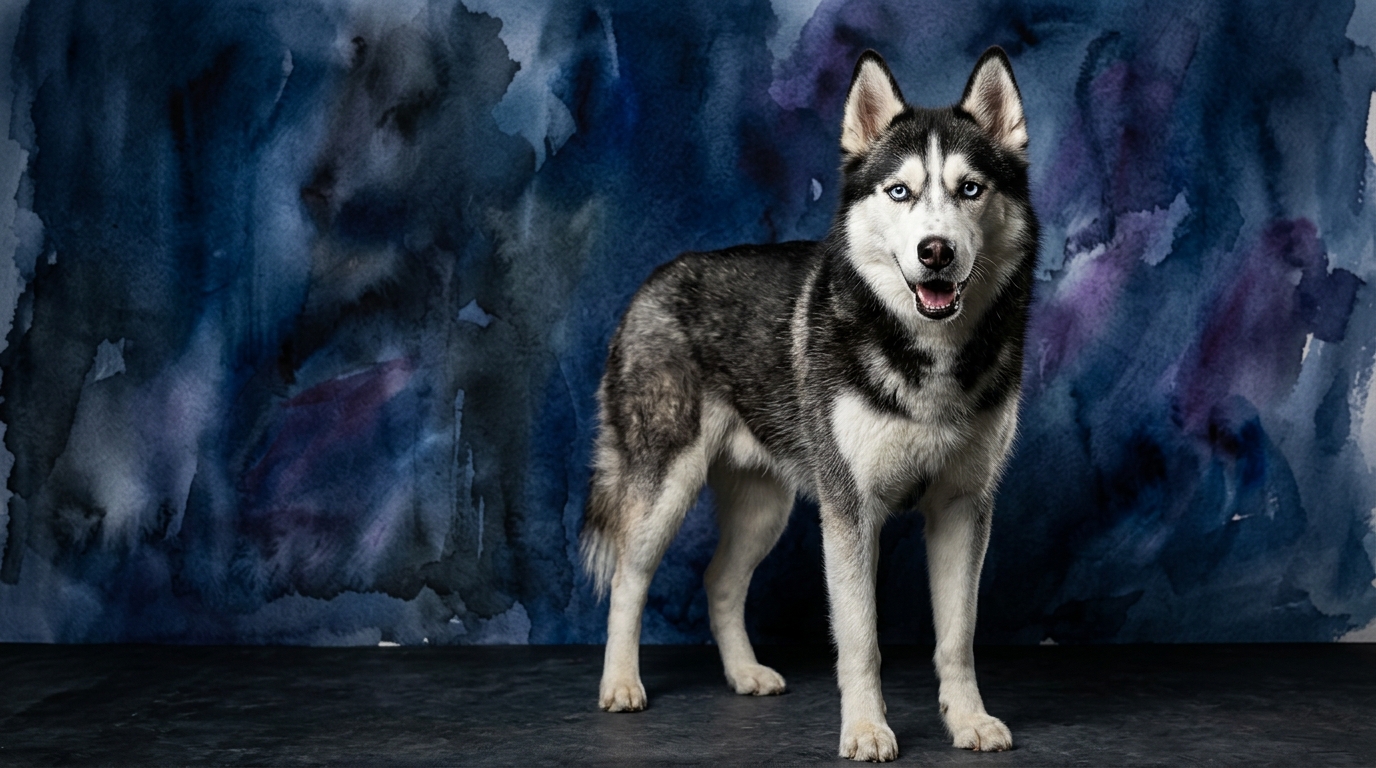
The Siberian Husky, a breed purpose-bred for endurance sledding, registers a Coren rank of #45, indicating a respectable capacity for learning and obedience within specific parameters. Their problem-solving acumen is notable at 4/5, reflecting their ability to navigate complex environments and often devise their own solutions to challenges, such as escaping enclosures or finding routes. However, their training speed is rated lower at 2/5, a reflection not of inability but of a strong independent streak and a tendency to prioritize their own motivations over human directives. Social intelligence sits at an average 3/5, meaning they can understand human cues but might not always choose to act upon them if it conflicts with their agenda. A dominant characteristic is their instinctive drive, scoring a perfect 5/5, encompassing an intense prey drive, a powerful urge to run, and an inherent wanderlust. Their memory is robust at 4/5, allowing them to recall routes, routines, and past experiences with considerable accuracy, which is crucial for their working heritage.
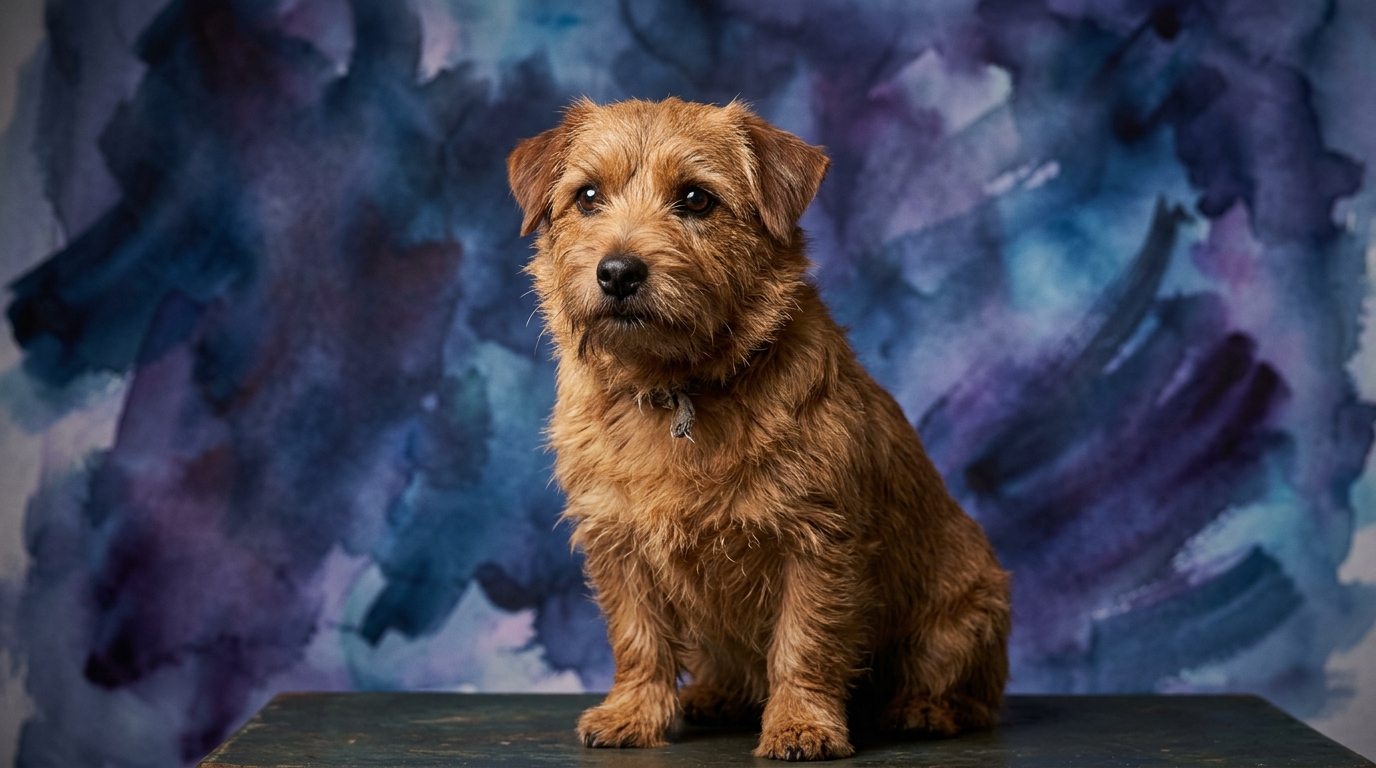
In contrast, the Norfolk Terrier, a robust member of the terrier group, is not included in Coren's ranking, which often evaluates breeds based on obedience trial performance, a context not always suited to the terrier temperament. Their problem-solving ability is rated at 3/5, suggesting a practical intelligence focused on their original task of hunting vermin, requiring cunning but perhaps less complex strategic thinking than a Husky's long-distance navigation. Their training speed matches their problem-solving at 3/5, indicating a moderate willingness to learn and a quicker grasp of commands compared to the Husky, though still retaining a terrier's characteristic determination. Social intelligence also stands at 3/5; they are generally attuned to their human companions but maintain a degree of self-sufficiency. Instinctive drive is moderate at 3/5, manifesting as a drive to dig, chase small animals, and express a spirited independence, but without the overwhelming wanderlust or intense prey drive seen in the Husky. Their memory is rated at 3/5, sufficient for daily routines and basic command retention, but perhaps not as expansive or long-lasting as the Husky's recall for complex environments.
Where the Siberian Husky’s Cognition Shines
The Siberian Husky truly excels in cognitive areas tied directly to their ancestral work: endurance and problem-solving in challenging environments. Their 4/5 problem-solving score means they are adept at independent thought, often finding creative ways to overcome obstacles like fences or locked gates, a trait born from needing to make decisions while pulling a sled without constant human direction. This isn't just about escaping; it's about navigating complex terrain and adapting to changing conditions. Their exceptional instinctive drive (5/5) is a double-edged sword, but cognitively, it means they possess an unparalleled internal motivation for physical activity and exploration. This drive fuels their immense stamina and allows them to maintain focus on a task, such as pulling, for extended periods, even when the task is repetitive.
Furthermore, the Husky's 4/5 memory allows them to retain complex information about their surroundings and past experiences. This is vital for a sled dog that might traverse the same trails repeatedly or need to remember the location of resources. They can recall routes and the layout of their territory with impressive accuracy, making them natural navigators. This robust memory, combined with their problem-solving skills, allows them to learn from experience, quickly adjusting their approach to a situation if a previous attempt was unsuccessful. For instance, a Husky who once found a weak spot in a fence is likely to remember and exploit it again, showcasing a practical application of their cognitive strengths.
Unpacking the Norfolk Terrier’s Cognitive Strengths
While not possessing the raw physical drives of the Husky, the Norfolk Terrier demonstrates a distinct cognitive profile geared towards their historical role as a vermin hunter. Their 3/5 problem-solving ability, though lower than the Husky's, is highly effective within its context; they are quick to assess a situation regarding small prey or an interesting scent and determine the most direct path to investigate or retrieve. This involves a practical, immediate form of problem-solving rather than large-scale strategic planning. Their 3/5 training speed, higher than the Husky's, indicates a greater biddability and willingness to engage in cooperative learning. They are often more focused on human interaction during training sessions, translating to quicker acquisition of basic commands and tricks when adequately motivated.
The Norfolk Terrier's social intelligence (3/5) is perhaps more readily applied in a domestic setting. They are generally attentive to their owners' moods and routines, fostering a strong bond. Their instinctive drive, while rated 3/5, is channeled differently. It manifests as a tenacious determination and a spirited curiosity rather than a need for vast expeditions. This means they are persistent in their chosen endeavors, whether it’s digging up a perceived rodent or meticulously investigating a new toy. Their memory (3/5) serves them well in recalling household rules, the location of favored toys, and the routines of their human family, contributing to their adaptability as companion animals. They thrive on consistency and remember what is expected of them in a structured home environment.
Trainability: Husky’s Independence vs. Terrier’s Tenacity
When it comes to trainability, the contrast between these two breeds is significant, rooted in their core temperaments and drives. The Siberian Husky's training speed of 2/5 isn't due to a lack of capacity to learn, but rather a profound independence and a strong selective hearing. They understand commands but often weigh them against their own desires, especially if those desires involve running or exploring. Motivating a Husky requires immense patience, creativity, and a deep understanding of their innate drives. For instance, teaching a Husky a reliable recall is a monumental task because their instinctive drive (5/5) to roam can easily override any learned command, especially in an open environment. Their memory (4/5) might mean they remember the command, but their problem-solving (4/5) allows them to figure out how to avoid complying if a more interesting stimulus presents itself.
In contrast, the Norfolk Terrier's training speed of 3/5 suggests a more cooperative student. While they possess terrier tenacity, it often manifests as persistence in learning a task once they are engaged, rather than outright defiance. They respond well to positive reinforcement and consistent methods. Their moderate instinctive drive (3/5) means that while they might be distracted by a scent or a small critter, it's less likely to escalate into an uncontrollable urge to bolt compared to a Husky. Their social intelligence (3/5) makes them generally more eager to please their human companions, which is a powerful motivator in training. While a Norfolk might need consistent reminders due to their independent streak, they generally strive for compliance more readily than a Husky, making them typically easier to teach basic obedience and household manners.
Companionship: Active Explorers vs. Spirited Homebodies
Choosing between a Siberian Husky and a Norfolk Terrier as a companion largely depends on an owner's lifestyle and expectations for canine engagement. The Siberian Husky, with its 5/5 instinctive drive and 4/5 problem-solving, is an ideal fit for highly active owners who embrace outdoor adventure and can provide consistent, vigorous exercise. These dogs require an outlet for their immense energy and wanderlust, thriving on activities like running, hiking, or dog sports that engage both their bodies and minds. A relaxed owner who cannot meet these demands will find themselves with a bored and potentially destructive Husky, as their ingenuity (problem-solving 4/5) will be applied to finding their own entertainment, which often involves escaping or redecorating the house.
The Norfolk Terrier, conversely, with its moderate instinctive drive (3/5) and average training speed (3/5), is better suited for owners who appreciate a spirited yet manageable companion. While they are energetic and enjoy walks, playtime, and mental stimulation, their needs are less extreme than the Husky's. They are adaptable to apartment living provided they receive daily exercise and engagement. Relaxed owners who still enjoy regular walks and interactive play but aren't looking for a marathon partner will find the Norfolk's compact size and tenacious but agreeable nature a better match. They enjoy being involved in family activities and can transition from playful bursts to relaxed lounging more readily than the perpetually ready-to-go Husky.
The Verdict
Choose the Siberian Husky if you are an experienced, active owner seeking a truly independent, physically driven companion for outdoor adventures and are prepared for a significant training commitment.
Opt for the Norfolk Terrier if you desire a spirited, tenacious, and generally more biddable companion who enjoys moderate activity and thrives as an integrated member of a family.
🧠 Find Your Pet's IQ Score
Our Pet IQ Lab assessment covers 25+ tests across 5 cognitive dimensions — personalized to your breed.
Take the Full IQ Test →Frequently Asked Questions
Do Siberian Huskies learn quickly despite their low training speed rating?
Huskies do learn quickly, especially observational learning and patterns, but their low training speed (2/5) reflects their independent nature and selective obedience. They often choose whether to comply based on their own motivations, rather than a lack of understanding.
Is a Norfolk Terrier's problem-solving ability practical for everyday life?
Yes, a Norfolk Terrier's 3/5 problem-solving is practical for daily life, often manifesting as clever ways to get what they want or investigate interesting stimuli. They are adept at figuring out household routines and navigating their environment effectively.
How does the instinctive drive differ between these two breeds in a home setting?
A Husky's 5/5 instinctive drive means a constant urge to run, explore, and hunt, requiring extensive management to prevent escapes or chasing. A Norfolk Terrier's 3/5 drive manifests as curiosity, digging, and occasional chasing of small animals, which is more manageable but still requires attention and outlets.