Side-by-Side IQ Profile: Husky vs. Terrier
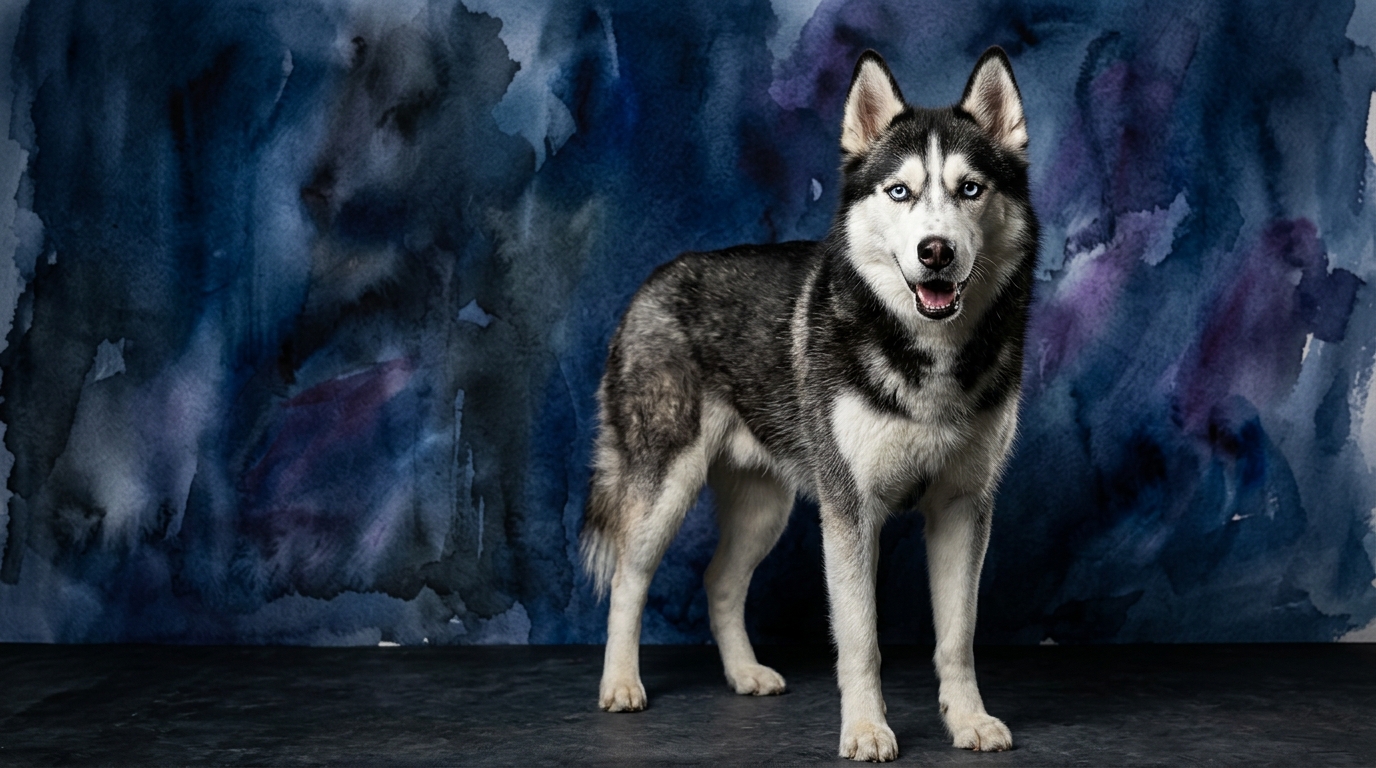
The Siberian Husky, a Working group dog, presents a compelling cognitive profile. Its problem-solving capacity scores a robust 4 out of 5, indicating a strong ability to navigate complex situations and figure things out independently. Training speed, however, is a moderate 2 out of 5, suggesting they grasp commands at a slower pace compared to some breeds, often due to their independent nature rather than a lack of understanding. Social intelligence stands at 3 out of 5, meaning they are reasonably adept at reading cues and interacting within a pack or family structure. Where Huskies truly shine is in their instinctive drive, scoring an impressive 5 out of 5, reflecting their deep-seated need to work, explore, and run. Their memory is also remarkable at 4 out of 5, allowing them to retain information and experiences over long periods, which is crucial for navigation and learned behaviors.
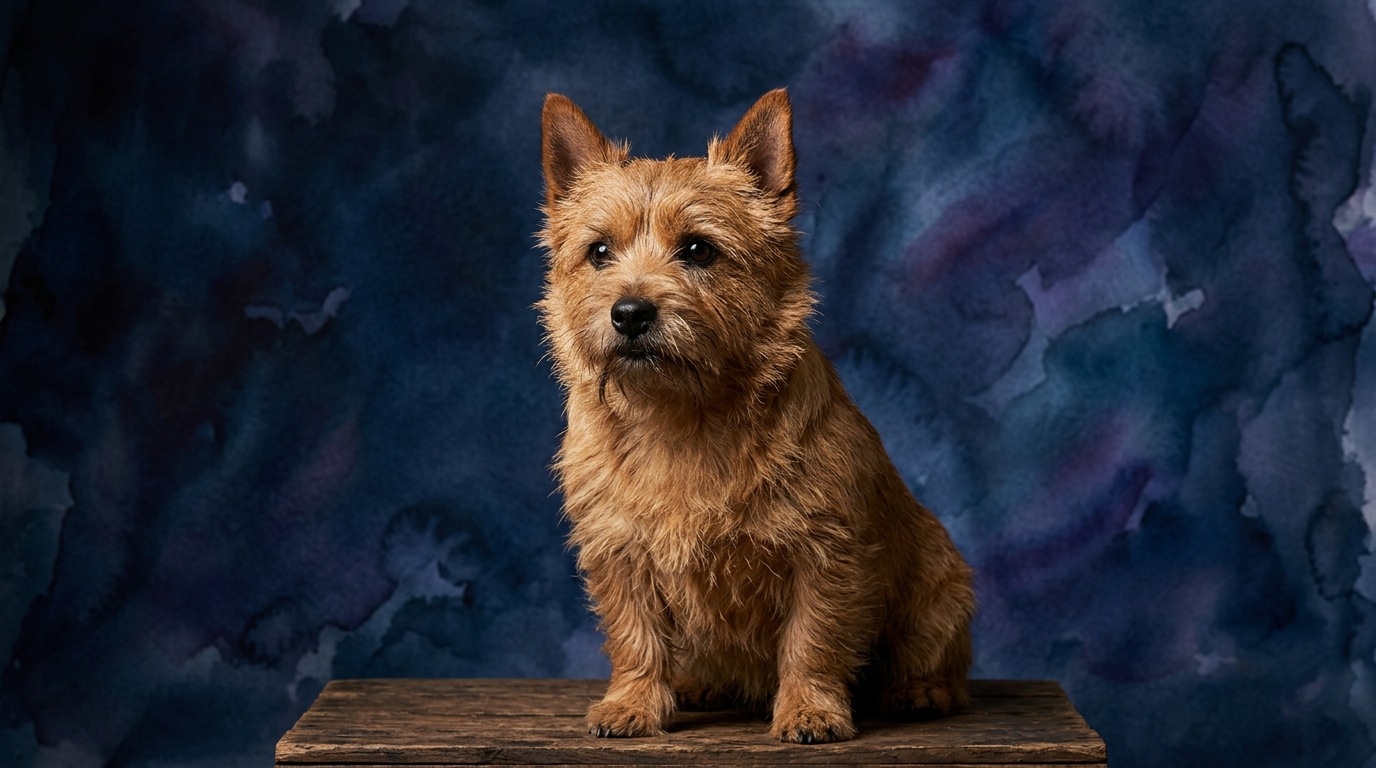
In contrast, the Norwich Terrier, a member of the Terrier group, offers a different intellectual blueprint. Its problem-solving ability is rated 3 out of 5, indicating a competent capacity to tackle challenges, though perhaps with less independent innovation than the Husky. Training speed for the Norwich matches its problem-solving at 3 out of 5, suggesting a moderate pace of learning commands, often eager to please but with a distinct terrier stubborn streak. Social intelligence also sits at a balanced 3 out of 5, reflecting their ability to integrate well into family life and understand social dynamics. Instinctive drive for the Norwich Terrier is rated 3 out of 5, a solid score that signifies their strong prey drive and desire to hunt, dig, and explore, albeit differently expressed than the Husky's endurance-focused drive. Their memory is also 3 out of 5, offering a reliable capacity for retaining learned behaviors and routines.
Where the Siberian Husky Excels Cognitively
The Siberian Husky's cognitive strengths are deeply rooted in its heritage as a long-distance sled dog. Its 4/5 problem-solving score means these dogs are adept at navigating complex environments, finding ways around obstacles, or figuring out how to open gates – often to their owner's chagrin. This isn't about rote learning but about independent thought and adaptability in novel situations. Coupled with a 5/5 instinctive drive, a Husky possesses an unparalleled intrinsic motivation to move, explore, and utilize its physical and mental faculties over extended periods. This drive manifests as an enduring focus on a task, whether it's pulling a sled or tracking a scent, and a tireless curiosity about their surroundings. Their robust memory (4/5) supports this, allowing them to recall routes, locations of resources, or past experiences that inform their problem-solving, making them formidable adventurers.
A Husky's capacity for independent decision-making, while sometimes perceived as stubbornness in a domestic setting, is a direct reflection of its high problem-solving and instinctive drive scores. These dogs were bred to make decisions on the trail without human direction, to find the safest path, or to conserve energy. This means they are less likely to blindly follow commands if they perceive a more efficient or appealing alternative. Their strong memory allows them to catalog these successful independent actions, reinforcing their self-reliance. For owners who can channel this powerful combination of intellect and drive, Huskies can be incredibly rewarding partners in activities requiring endurance, exploration, and a dog that thinks for itself.
Where the Norwich Terrier Stands Out Cognitively
While the Norwich Terrier may not boast the same sheer power of instinctive drive or problem-solving as the Husky, its cognitive profile is exceptionally well-suited to its purpose and lifestyle. With a 3/5 in problem-solving, the Norwich is quite capable of figuring out practical challenges, often with a tenacious, focused approach. This isn't the broad, exploratory problem-solving of a sled dog, but rather the determined, goal-oriented intellect of a small hunter – how to get to that interesting scent, how to retrieve a toy from under furniture. Their 3/5 instinctive drive, though numerically lower than the Husky's, is highly concentrated on terrier-specific behaviors: digging, chasing small prey, and patrolling their territory with an unwavering focus. This drive is not about covering vast distances, but about intense, precise engagement with their immediate environment.
The Norwich Terrier's balanced scores across the board – 3/5 for problem-solving, training speed, social intelligence, instinctive drive, and memory – paint a picture of a practical, adaptable, and socially aware companion. Their social intelligence, matching the Husky's at 3/5, indicates they are equally capable of understanding and responding to human and canine social cues, making them generally agreeable companions. Their memory, also 3/5, is reliable for retaining household rules and learned tricks. What truly sets the Norwich apart is how its moderate intelligence coalesces into a highly functional, compact, and determined package, capable of independent thought but often more inclined to work cooperatively within a family structure when properly motivated.
Which is Easier to Train and Why
Comparing the training ease between these two breeds reveals distinct challenges and rewards. The Norwich Terrier, with a training speed of 3 out of 5, generally proves to be more amenable to traditional obedience training. Their moderate instinctive drive, while still present, is often channeled into focused tasks, and their desire to engage with their handler can make them responsive. While they possess the typical terrier tenacity, they are often eager to please and will pick up commands at a reasonable pace, especially with positive reinforcement and consistency. Their problem-solving (3/5) allows them to understand the connection between actions and rewards, and their memory (3/5) helps solidify learned behaviors.
The Siberian Husky, on the other hand, presents a more significant training challenge, scoring only 2 out of 5 for training speed. This lower score isn't due to a lack of mental capacity; rather, it's a direct consequence of their high problem-solving (4/5) and immense instinctive drive (5/5), which often prioritizes independent action and exploration over human directives. A Husky might understand a command perfectly but choose not to execute it if something more interesting, like a squirrel or an open gate, captures its attention. Their strong memory (4/5) means they remember what they've learned, but their independent nature often leads them to question the necessity of complying. Training a Husky demands exceptional patience, creativity, and a deep understanding of their motivations, focusing on making compliance more rewarding than independent ventures.
Active Owners vs. Relaxed Owners: A Cognitive Fit
For owners with an active lifestyle, particularly those who enjoy endurance activities, outdoor adventures, or engaging in demanding dog sports, the Siberian Husky is often a more suitable cognitive match. Their high instinctive drive (5/5) means they thrive on consistent physical and mental stimulation, needing extensive opportunities to run, explore, and use their problem-solving skills in varied environments. A Husky's intellect is best engaged when given a purpose, whether it’s pulling a cart, navigating a challenging hiking trail, or participating in scent work. Owners must be prepared to provide outlets for their independent thought and vast energy, or risk seeing their problem-solving applied to less desirable activities like escape artistry or destructive behaviors. Their social intelligence (3/5) allows them to be good companions during these activities, but their primary focus remains on the task or exploration at hand.
The Norwich Terrier, with its balanced cognitive profile, is better suited for owners who might describe themselves as active but perhaps not intensely athletic, or those who prefer structured engagement over vast, unrestrained exploration. Their moderate instinctive drive (3/5) means they still require regular exercise and mental stimulation – walks, play sessions, and puzzle toys are essential – but they don't possess the same relentless need for high-speed, long-distance activity as the Husky. Their problem-solving (3/5) and training speed (3/5) make them excellent candidates for agility, earthdog trials, or learning numerous tricks, activities that engage their intelligence in a focused, handler-oriented way. Their social intelligence (3/5) ensures they are typically very connected to their human families, enjoying companionship and participation in daily routines, making them a great fit for owners seeking an intelligent, engaged, and less demanding partner.
The Verdict: When to Choose Each Breed
Choosing between a Siberian Husky and a Norwich Terrier comes down to understanding the nuances of their cognitive makeup and how that aligns with an owner's lifestyle and expectations. The Husky is a breed for the dedicated, experienced owner who thrives on adventure, understands independent canine thought, and can provide consistent, high-intensity mental and physical engagement. Their intelligence is geared towards survival and purpose in demanding environments, requiring an owner who can consistently challenge and manage this profound drive and problem-solving capacity.
Conversely, the Norwich Terrier is an excellent choice for owners who appreciate a lively, intelligent, and affectionate companion with a robust personality, but without the extreme demands of a working sled dog. Their balanced cognitive profile makes them adaptable to various household dynamics, eager to learn within a structured environment, and perfectly content with regular, engaging activities that tap into their terrier instincts and social acumen, making them a delightful and manageable partner for many.
The Verdict
Choose a Siberian Husky if you are an experienced, highly active owner seeking an independent, problem-solving partner for endurance sports and extensive outdoor adventures, prepared for significant training commitment.
Opt for a Norwich Terrier if you desire a spirited, intelligent, and affectionate companion with moderate exercise needs, trainable for various activities, and well-suited to a family-oriented lifestyle.
🧠 Find Your Pet's IQ Score
Our Pet IQ Lab assessment covers 25+ tests across 5 cognitive dimensions — personalized to your breed.
Take the Full IQ Test →Frequently Asked Questions
Is the Siberian Husky truly difficult to train?
The Siberian Husky's training speed is rated 2/5, indicating they can be challenging. This isn't due to a lack of intelligence, but rather their strong independence and instinctive drive to explore, often leading them to prioritize their own interests over commands. Consistent, positive reinforcement and making training highly rewarding are crucial.
How does the Norwich Terrier's problem-solving manifest in daily life?
A Norwich Terrier's 3/5 problem-solving score means they are capable of figuring out practical challenges like opening cabinets or finding hidden toys. Their tenacity, characteristic of terriers, means they often persist until they achieve their goal, making them clever and resourceful companions.
Which breed is better for first-time dog owners?
Given the Siberian Husky's high instinctive drive, independent nature, and lower training speed score, they are generally not recommended for first-time dog owners. The Norwich Terrier, with its more balanced cognitive profile and moderate training speed, is often a more manageable and rewarding choice for those new to dog ownership, provided they are prepared for a typical terrier's spirited personality.