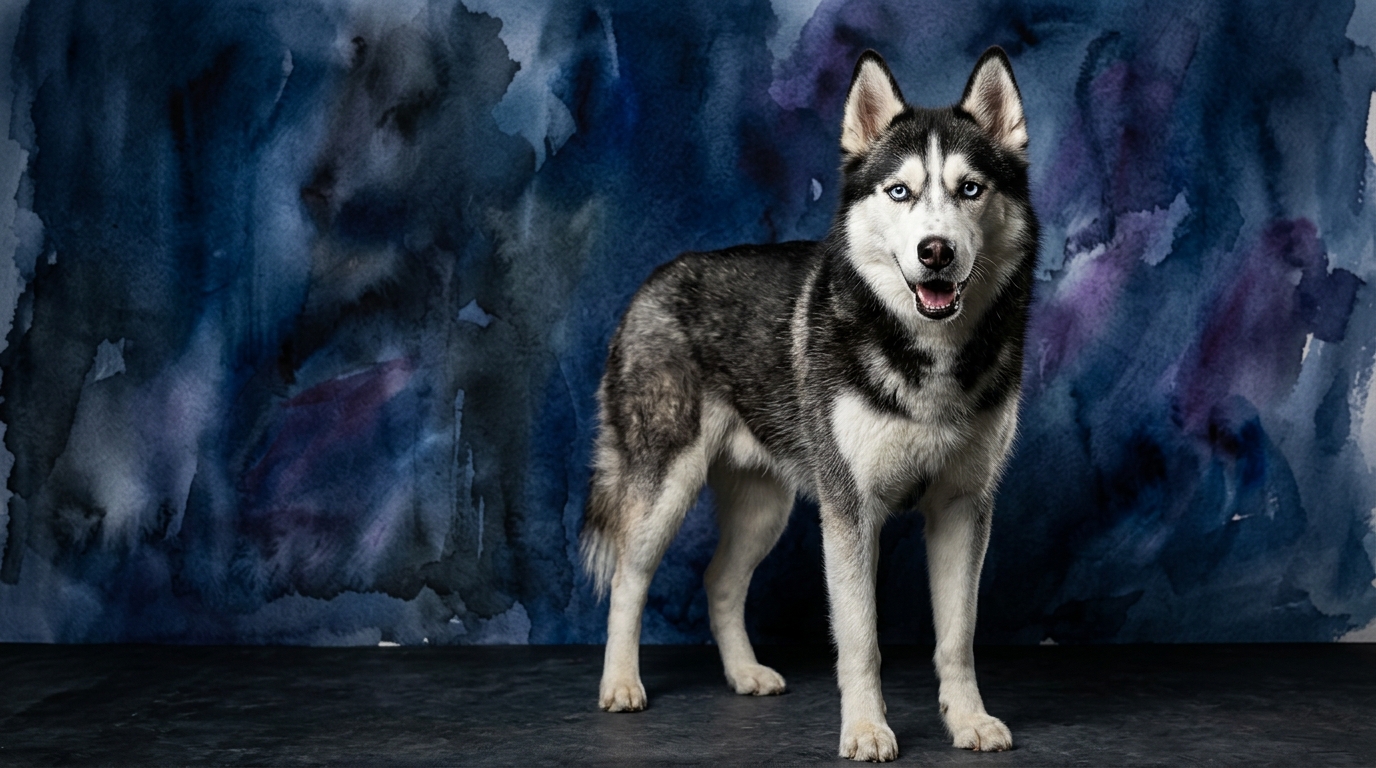
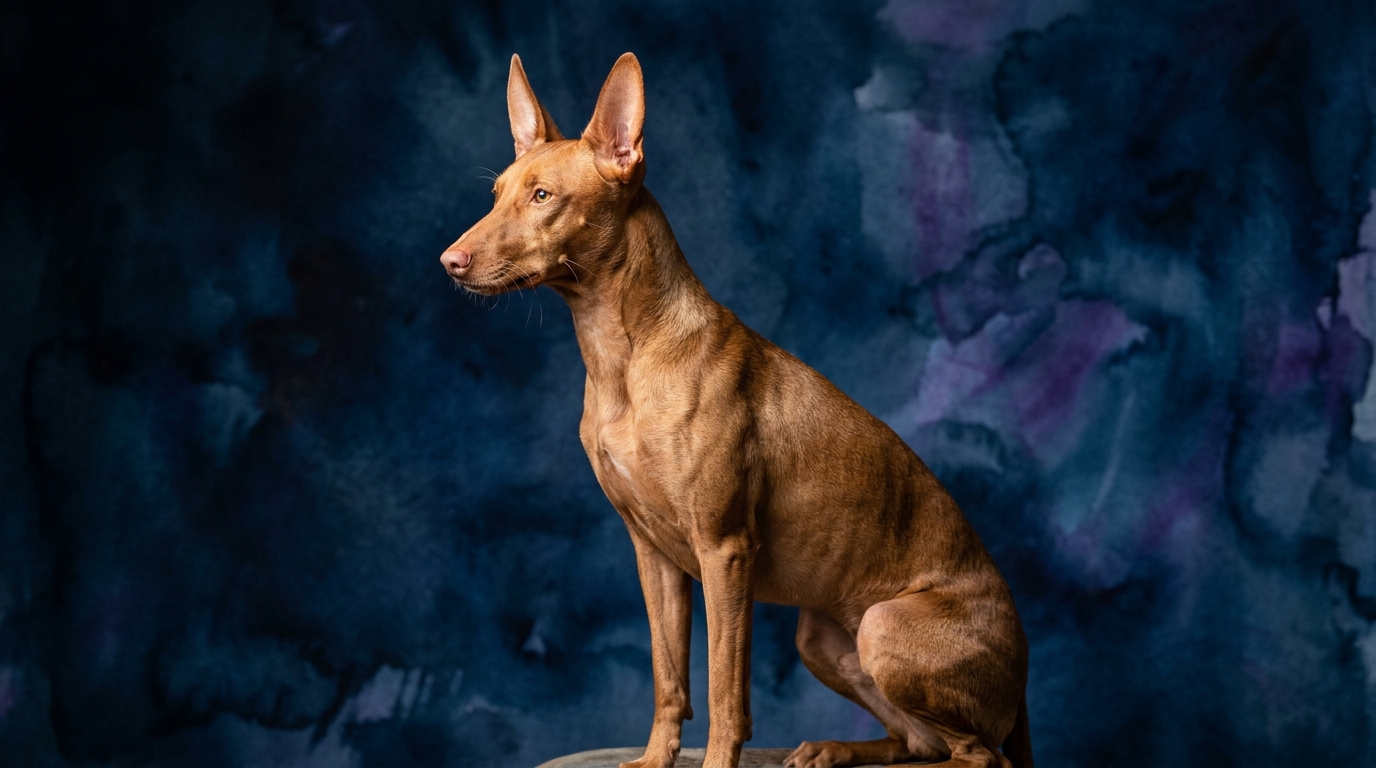
Side-by-Side IQ Profile
The Cosmic Pet Pet IQ Lab employs a multi-dimensional framework to assess canine intelligence, moving beyond simple obedience to encompass problem-solving, training speed, social intelligence, instinctive drive, and memory. For the Siberian Husky, a breed from the Working group, we observe a Coren rank of #45, placing it in the average working/obedience intelligence category, though our deeper dive reveals nuanced strengths and challenges. Their Problem Solving is rated 4/5, indicating a strong capacity for independent thought and devising solutions, often aimed at achieving their own goals. Training Speed stands at 2/5, suggesting a need for significant patience and engaging methods due to their independent nature. Social Intelligence is 3/5, reflecting their generally amiable but not intensely handler-focused demeanor. An Instinctive Drive of 5/5 highlights their powerful urge to run, hunt, and explore, a defining characteristic. Finally, their Memory is 4/5, allowing them to retain complex information and experiences effectively.
The Pharaoh Hound, a member of the Hound group, is not ranked by Coren, which is typical for many breeds whose primary function is less about complex obedience and more about specialized hunting instincts. Our IQ assessment reveals a different cognitive pattern. Their Problem Solving is rated 3/5, indicating competence in navigating challenges, particularly those related to their hunting heritage, but perhaps less inclination towards abstract manipulation. Training Speed is 3/5, suggesting a generally receptive attitude towards learning, though their hound independence can present its own set of considerations. Social Intelligence is 3/5, indicating a balanced capacity for interaction, often affectionate with family but potentially reserved with strangers. Their Instinctive Drive is 3/5, reflecting a moderate prey drive and chase instinct that is typically more manageable than the Husky's. Memory is 3/5, meaning they retain information adequately, but might not excel at recalling intricate sequences with the same precision as some higher-ranked working breeds.
Where the Siberian Husky Wins Cognitively
The Siberian Husky demonstrates a distinct edge in problem-solving capabilities, scoring 4/5 compared to the Pharaoh Hound's 3/5. This manifests in their remarkable ability to independently assess situations and devise solutions, such as figuring out how to open gates, navigate complex environments, or even cooperate with other dogs to achieve a goal. Their strong drive for exploration and resourcefulness means they are constantly observing and learning how their environment works, often leading to creative, albeit sometimes mischievous, solutions to obstacles. This cognitive strength is rooted in their history as working dogs who needed to make decisions on the fly in challenging Arctic conditions, often without direct human instruction. Furthermore, their memory (4/5) allows them to retain these problem-solving strategies and apply them to new situations, meaning once they learn how to outsmart a fence, they are likely to remember and repeat the tactic. This robust memory also extends to recalling specific locations or routes, a vital trait for a breed historically tasked with long-distance travel.
Where the Pharaoh Hound Wins Cognitively
While the Pharaoh Hound might not possess the Husky's raw problem-solving ingenuity, it shows a slight advantage in training speed (3/5) over the Husky's 2/5. This indicates a generally more receptive attitude towards initial command acquisition and a greater willingness to engage in structured learning sessions, provided the training methods are positive and engaging. Their background as sight hounds, requiring them to work in partnership with hunters, has fostered a capacity for cooperation and attentiveness to human cues, even if their independent nature can still surface. They are often more attuned to their handler's instructions in a focused training environment, learning routines with a steady pace. Additionally, their instinctive drive (3/5), while present, is often more directed and manageable than the Siberian Husky's overwhelming urge to run and hunt. This means that while they might chase a squirrel, their focus can often be redirected more easily, making them less prone to entirely tuning out human commands when their instincts kick in. This more balanced instinctive drive allows for a slightly smoother training experience in situations where distractions are present, as their focus is not as relentlessly pulled by the environment.
Which is Easier to Train and Why
Determining which breed is “easier” to train depends heavily on the owner's approach and definition of training success. The Pharaoh Hound generally presents a more straightforward initial training experience due to its slightly higher training speed (3/5) and more moderate instinctive drive (3/5). They are often eager to please their human companions and respond well to positive reinforcement, making basic obedience commands like 'sit,' 'stay,' and 'recall' relatively achievable with consistent effort. Their natural focus, when not overridden by a compelling scent or sight, allows them to absorb new information at a reasonable pace. While they possess an independent hound nature, it is often expressed as a momentary distraction rather than outright defiance.
In contrast, the Siberian Husky, with a training speed of 2/5 and an instinctive drive of 5/5, offers a considerably greater challenge. Their independence and strong desire to follow their own agenda mean they can quickly become bored with repetitive drills or choose to ignore commands if they perceive no immediate benefit or if their powerful prey drive is activated. A Husky's profound urge to run and explore can make reliable recall incredibly difficult to instill, as the thrill of the chase or the promise of an adventure often outweighs the desire to return to their handler. Training a Husky requires immense patience, creativity, and a deep understanding of their unique motivations, often necessitating advanced methods to maintain engagement and ensure compliance in real-world scenarios. Their problem-solving acumen can also be turned towards circumventing training expectations, making consistency paramount.
Which Suits Active Owners vs. Relaxed Owners
For active owners seeking a partner for strenuous outdoor activities, the Siberian Husky is an undeniable match, provided those owners are prepared for the cognitive and behavioral management this entails. Their unparalleled instinctive drive (5/5) for running, exploring, and engaging in physical exertion makes them ideal companions for long-distance running, hiking, or even competitive sled sports. These dogs require not just physical activity but also mental engagement to prevent boredom and destructive behaviors, often thriving on challenges that tap into their problem-solving abilities. Owners who enjoy outsmarting a clever canine and can provide consistent, stimulating outlets for their Husky's boundless energy and independent spirit will find immense satisfaction.
Conversely, while also requiring regular exercise, the Pharaoh Hound can suit a slightly less intensely active owner, or one whose active pursuits are more focused on structured activities like lure coursing or long, leashed walks rather than off-leash backcountry exploration. Their more moderate instinctive drive (3/5) means they still need daily opportunities to run and expend energy, but they are generally more content to relax at home after a good session. They thrive with owners who appreciate their blend of athleticism and affectionate companionship, offering a balance that might appeal to those who enjoy activity but also value a calmer presence indoors and a dog that is generally more biddable.
The Verdict
Opt for a Siberian Husky if you are an experienced, highly active owner who thrives on intellectual challenges, possesses immense patience for training, and can consistently provide extensive physical exercise and mental stimulation for a clever, independent, and strong-willed companion.
Select a Pharaoh Hound if you appreciate a noble, affectionate companion that is generally more amenable to training, requires consistent but perhaps less extreme exercise, and offers a more balanced blend of hound independence and family devotion.
🧠 Find Your Pet's IQ Score
Our Pet IQ Lab assessment covers 25+ tests across 5 cognitive dimensions — personalized to your breed.
Take the Full IQ Test →Frequently Asked Questions
Are Siberian Huskies difficult to train for recall?
Yes, Siberian Huskies are notoriously challenging for recall due to their extremely high instinctive drive (5/5) and strong desire to explore. Their prey drive and urge to run often override learned commands, requiring extensive, consistent, and highly rewarding training, often with long lines in secure areas.
Do Pharaoh Hounds bark a lot?
Pharaoh Hounds are not typically excessive barkers, but they can be vocal when excited, playing, or alerting to strangers. Their barks are usually distinct and purposeful, rather than nuisance barking, making them generally quieter than some other hound breeds.
Which breed is better with children?
Both breeds can be wonderful with children when properly socialized and raised in a respectful environment, but their energy levels differ. Siberian Huskies are often playful and tolerant, though their exuberance might be overwhelming for very young children, while Pharaoh Hounds are generally gentle and affectionate, though they might be more reserved initially.