Side-by-Side IQ Profile
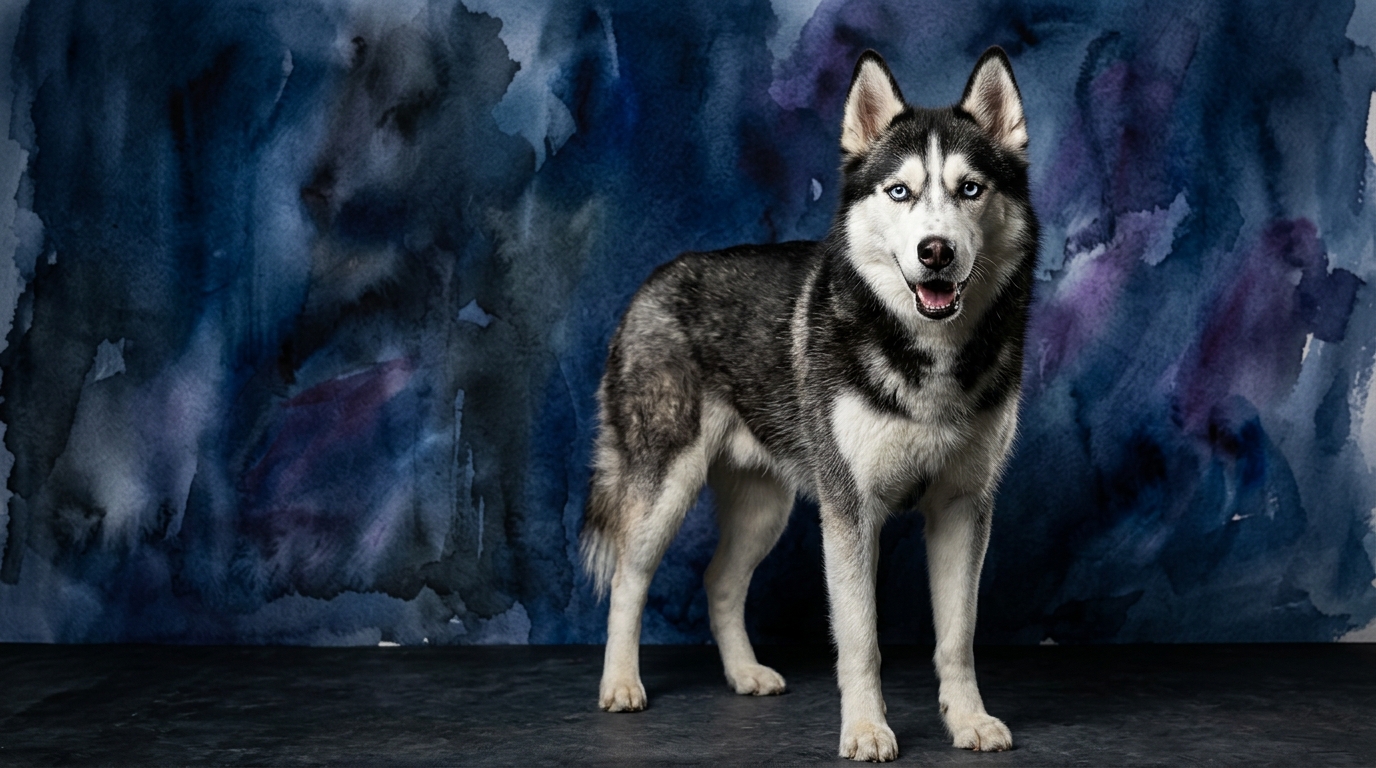
The Pet IQ Lab offers a unique lens into canine intellect, evaluating breeds across five crucial dimensions. For the Siberian Husky, a Working group dog, their Coren rank of #45 places them in the 'average working intelligence' category, reflecting a blend of strong instincts and moderate cooperation. Their Problem Solving score of 4/5 indicates a strong capacity to figure things out independently, often driven by their own motivations. Training Speed, however, registers at 2/5, suggesting a more challenging path to consistent obedience due to their independent streak. Social Intelligence, at 3/5, means they can understand and respond to human cues but often weigh them against their own desires. Crucially, their Instinctive Drive is a formidable 5/5, highlighting powerful urges for activities like running, exploring, and pulling. Finally, their Memory at 4/5 allows them to recall routes, experiences, and learned behaviors effectively.
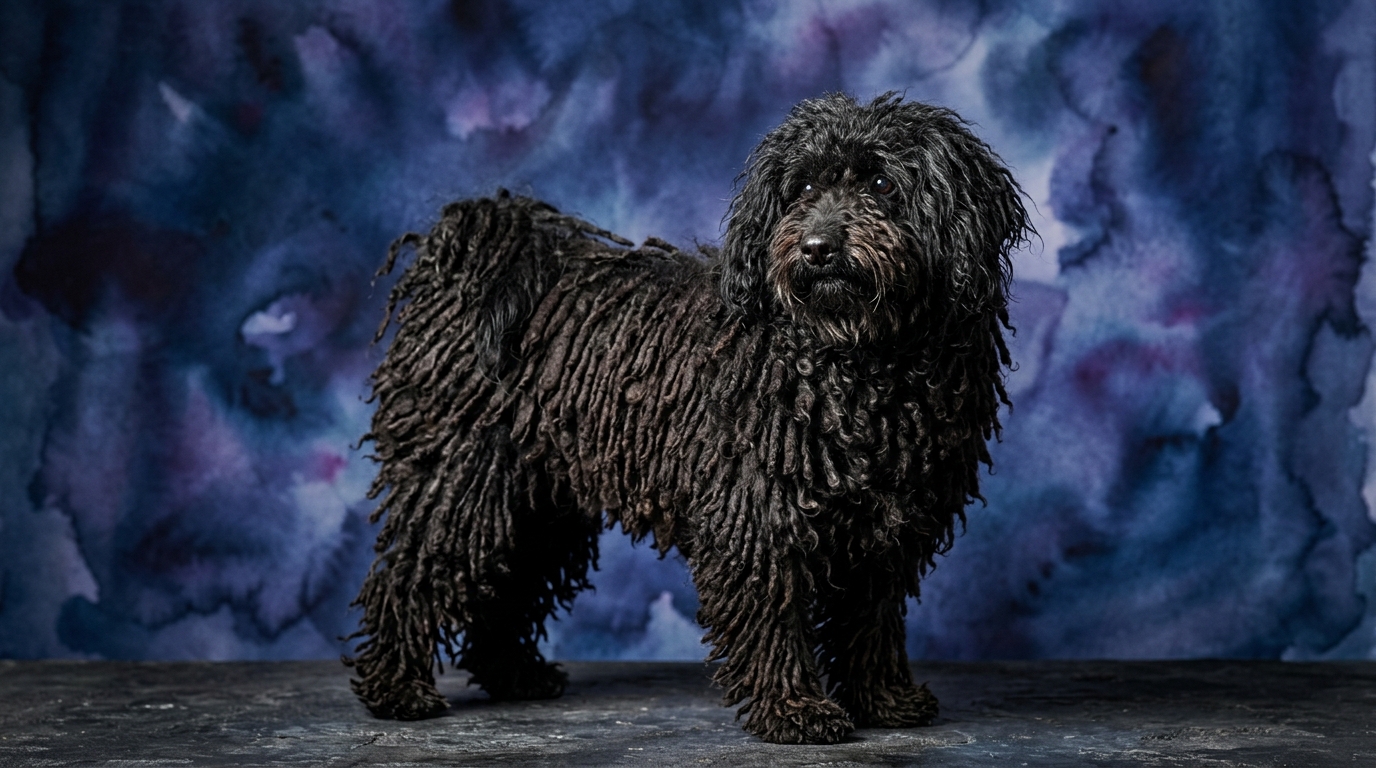
The Puli, a member of the Herding group, boasts a significantly higher Coren rank of #25, placing them in the 'excellent working dogs' tier, indicative of a more readily trainable and responsive nature. Like the Husky, their Problem Solving is rated 4/5, demonstrating an equal capacity for figuring out complex situations, though often in cooperation with a handler. Where the Puli truly differentiates itself is in Training Speed, scoring an impressive 4/5, signifying a keen eagerness to learn and respond to commands quickly. Their Social Intelligence matches the Husky at 3/5, showing a good understanding of human interaction, but often with a greater inclination to comply. Instinctive Drive for the Puli is 3/5, present but more directed towards herding tasks and less towards independent, wide-ranging exploration. Their Memory also stands strong at 4/5, ensuring they retain learned commands and experiences over time.
Where the Siberian Husky Wins Cognitively
While both breeds share a 4/5 Problem Solving score, the Siberian Husky's cognitive strength truly shines in its application, fueled by an extraordinary Instinctive Drive of 5/5. This manifests as a remarkable capacity for independent thought and action, particularly when navigating complex environments or fulfilling intrinsic needs like exploring vast territories. A Husky's memory (4/5) is adept at recalling intricate routes and past experiences, allowing them to effectively plan and execute self-driven missions. For instance, a Husky might skillfully devise a strategy to open a gate or bypass an obstacle, not to please, but to satisfy an internal urge to roam. Their problem-solving isn't about human-directed tasks, but about mastering their own objectives, making them incredibly resourceful and resilient in situations demanding self-reliance.
Where the Puli Wins Cognitively
The Puli's cognitive edge lies in its superior Training Speed (4/5) and its application of Problem Solving (4/5) within a cooperative framework, reflected in its higher Coren rank of #25. While equally capable of problem-solving as the Husky, the Puli is far more inclined to apply its intellect to tasks directed by a human partner. Their herding background instills a strong desire to understand and respond to cues, making them quick studies in obedience and complex commands. This breed excels at learning new skills rapidly and retaining them thanks to a solid Memory (4/5), translating into a highly adaptable and responsive companion. A Puli will leverage its problem-solving to figure out the best way to execute a command or navigate an agility course, rather than solely to fulfill an independent agenda. Their social intelligence (3/5) is often paired with an eagerness to engage, making their cognitive efforts more collaborative.
Which is Easier to Train and Why
When it comes to ease of training, the Puli distinctly surpasses the Siberian Husky, a difference highlighted by their respective Training Speed scores: Puli at 4/5 versus Husky at 2/5. The Puli's herding heritage means they are inherently wired to work closely with a handler, paying close attention to commands and demonstrating a strong desire to perform tasks. This translates into a quicker grasp of new commands and greater consistency. In contrast, the Siberian Husky's profound independent streak and high instinctive drive (5/5) mean they often prioritize their own agenda. While capable of learning, their motivation is frequently self-serving, requiring immense patience and creative techniques. They are not 'stubborn' out of lack of understanding, but rather out of a strong will and preference for autonomous action. This fundamental difference in motivation makes the Puli a significantly more straightforward training partner.
Which Suits Active Owners vs. Relaxed Owners
Neither the Siberian Husky nor the Puli are suited for truly 'relaxed' owners, as both are active breeds requiring significant mental and physical stimulation. However, the *type* of owner best suited for each differs considerably. The Siberian Husky, with its 5/5 Instinctive Drive and independent Problem Solving, thrives with highly active, experienced owners who appreciate and can manage a dog with a profound sense of self. These owners must be prepared for extensive exercise, creative mental challenges, and consistent training to navigate their strong will, ideal for adventurers or those involved in sledding.
The Puli, with its 4/5 Training Speed and cooperative Problem Solving, is better suited for active owners who enjoy structured engagement and dog sports. While still requiring ample exercise, a Puli owner might find greater fulfillment in activities like advanced obedience, agility, or herding trials, where the dog's eagerness to learn and work alongside its human partner can truly shine. These owners appreciate a responsive companion who enjoys having a 'job'. The Puli demands active participation and mental stimulation, but its cooperative nature makes it a more predictable partner for structured activities.
The Verdict
Choose the Siberian Husky if you are an experienced, highly active owner who values an independent, resourceful companion and can provide extensive outlets for their powerful instinctive drives for exploration and pulling.
Opt for the Puli if you are an active owner seeking a highly trainable, cooperative partner for structured activities like obedience or dog sports, who thrives on working alongside you.
🧠 Find Your Pet's IQ Score
Our Pet IQ Lab assessment covers 25+ tests across 5 cognitive dimensions — personalized to your breed.
Take the Full IQ Test →Frequently Asked Questions
Are Siberian Huskies difficult to train?
Siberian Huskies are generally considered challenging to train due to their strong independent streak and high instinctive drive, scoring 2/5 in Training Speed. They are capable of learning but often prioritize their own desires over human commands, requiring patience, consistency, and highly motivating rewards.
Do Pulis require a lot of exercise?
Yes, Pulis are active herding dogs and require a good amount of daily exercise and mental stimulation to stay happy and healthy. While not as prone to independent wandering as a Husky, they thrive on activities like long walks, playtime, and dog sports that engage their keen minds and agile bodies.
Which breed is better for first-time dog owners?
The Puli, with its higher trainability (4/5 Training Speed) and cooperative nature, is generally a more suitable choice for first-time dog owners committed to active engagement and consistent training. The Siberian Husky's strong independence and high instinctive drive (5/5) can be overwhelming for inexperienced owners, demanding a specific skill set to manage effectively.