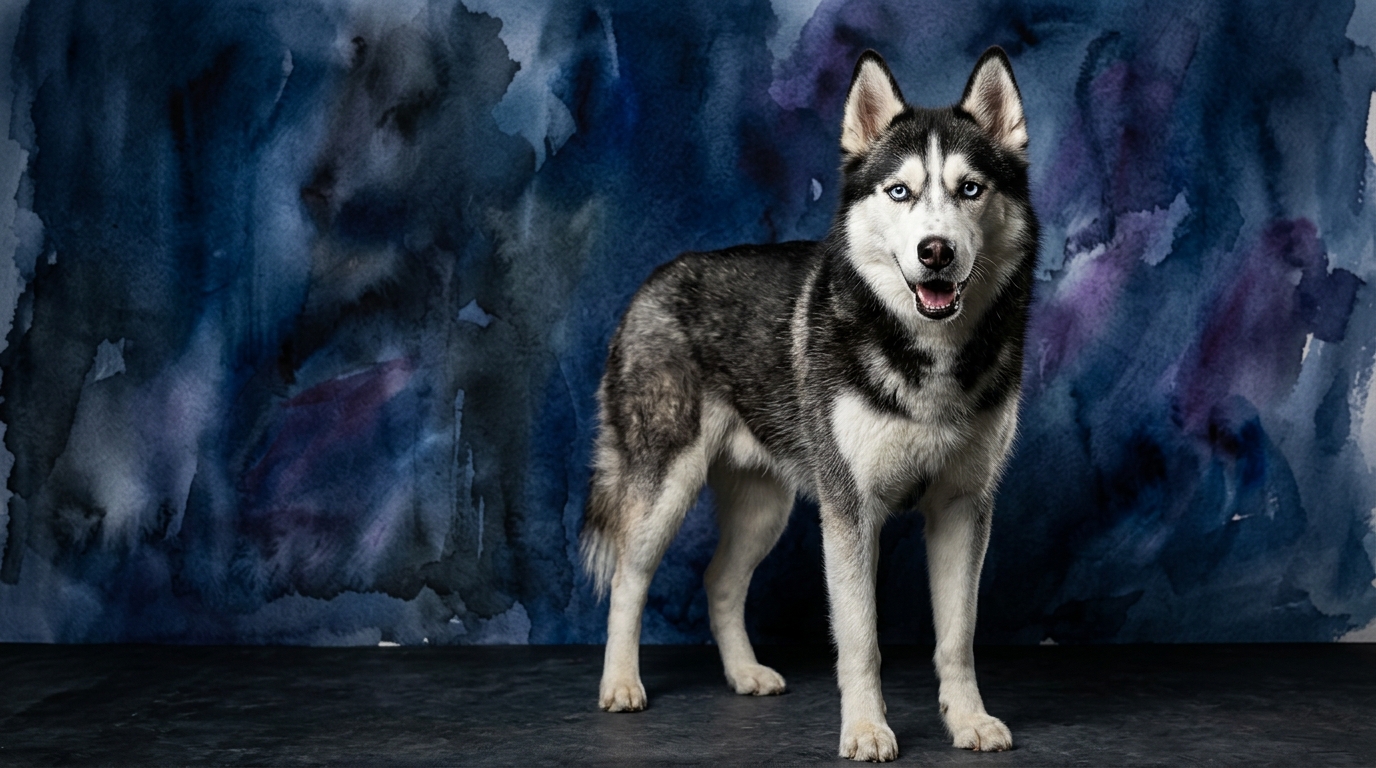
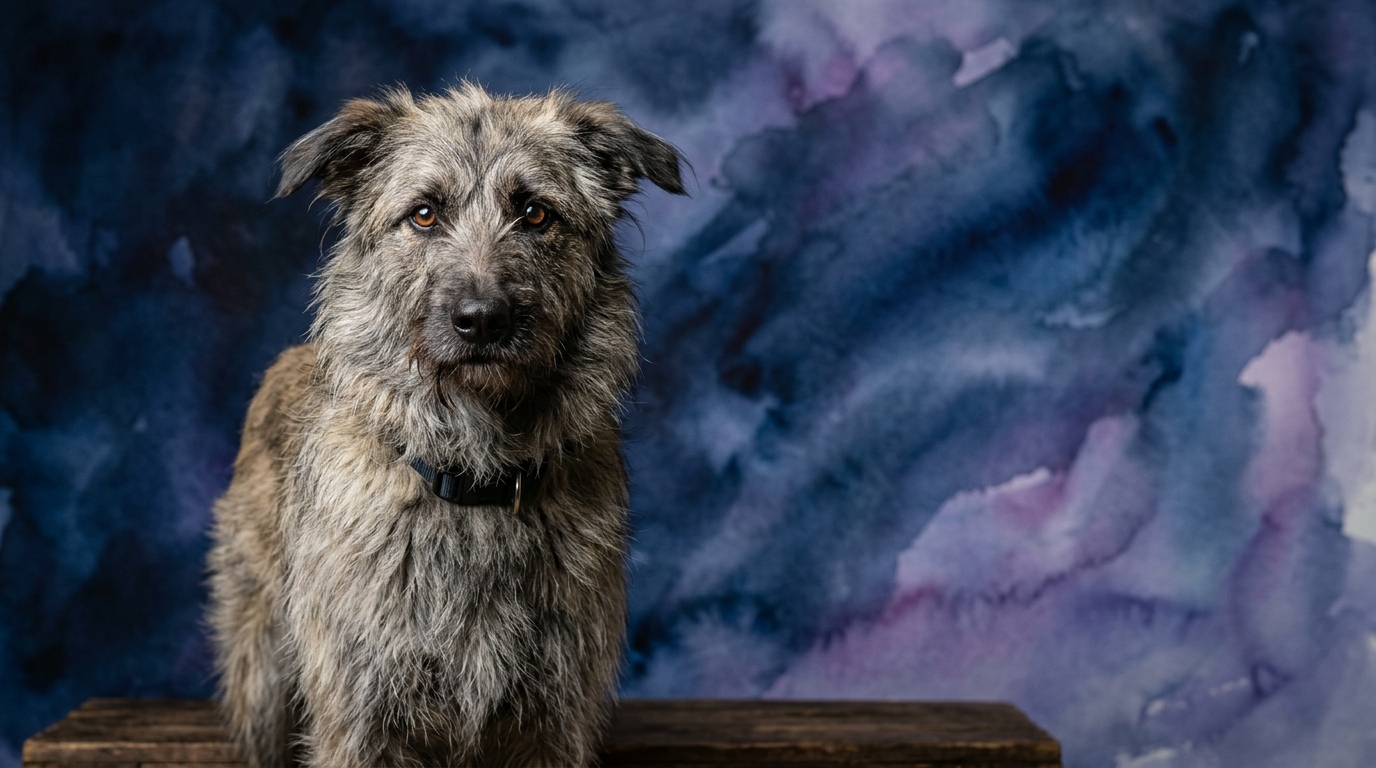
Side-by-Side Cognitive Profiles: Siberian Husky vs. Pyrenean Shepherd
The Cosmic Pet Pet IQ Lab employs a multi-dimensional approach to assess canine cognition, moving past single-score rankings to reveal the nuances of a breed's mental architecture. For the Siberian Husky, a breed from the Working group, we observe a Coren rank of #45, indicating a respectable capacity for learning and obedience within a specific context. Their IQ profile is marked by Problem Solving at 4/5, reflecting a strong independent resourcefulness, particularly when pursuing their own objectives. Training Speed is rated at 2/5, suggesting a more deliberate or less compliant approach to human-led instruction. Social Intelligence stands at 3/5, indicating an ability to connect but often with a degree of independence. A remarkable Instinctive Drive of 5/5 highlights their profound urge to run and pull, deeply embedded in their ancestral purpose. Finally, their Memory is strong at 4/5, aiding in recall of routes and problem-solving strategies.
In contrast, the Pyrenean Shepherd, a member of the Herding group and not Coren-ranked, presents a different cognitive blueprint. Their Problem Solving score is 3/5, demonstrating practical intellect often applied to dynamic situations within their herding duties, rather than independent ventures. Training Speed is 3/5, indicating a moderate pace of learning, often influenced by their sensitive nature and strong desire to work with a trusted handler. Social Intelligence is also 3/5, showing a capacity for deep bonds with their inner circle but often reservedness towards strangers. Their Instinctive Drive is 3/5, specifically focused on herding behaviors—gathering, moving, and controlling livestock—rather than the broad endurance of a Husky. Memory is 3/5, sufficient for recalling commands, routines, and the movements of their charges, but perhaps less for complex, multi-layered, independent problem-solving than the Husky.
Where the Siberian Husky Excels Cognitively
The Siberian Husky's cognitive strengths are deeply rooted in their history as endurance sled dogs, demanding a blend of autonomy and navigational acumen. Their 4/5 Problem Solving score translates into a remarkable capability for independent thought and action. This often manifests as clever strategies for achieving their own goals, whether it's figuring out how to open a gate, unlatch a crate, or locate a hidden food source. This isn't just mischief; it's a testament to their capacity for multi-step reasoning and environmental manipulation without direct human guidance.
Coupled with their 4/5 Memory, Huskies are adept at remembering complex routes, recognizing landmarks, and recalling past successes or failures in their problem-solving endeavors. This memory serves them well in navigating vast, undifferentiated landscapes, a crucial skill for a sled dog. Their 5/5 Instinctive Drive for running and pulling is not merely physical; it's a profound cognitive focus, driving them to sustain effort over long periods and maintain a specific pace. This singular focus, while sometimes challenging for training, represents a specialized form of mental endurance and goal-directed behavior that few other breeds possess to the same degree. They excel at tasks requiring self-reliance and sustained, purposeful movement.
Where the Pyrenean Shepherd Excels Cognitively
The Pyrenean Shepherd's cognitive prowess is finely tuned for the intricate demands of herding, emphasizing responsiveness, agility of thought, and a deep partnership with their handler. While their Problem Solving is rated 3/5, this score reflects a practical, task-oriented intelligence; they excel at dynamically assessing and reacting to the ever-changing movements of livestock, making quick decisions to guide and control. This involves complex spatial reasoning and anticipatory behavior, often requiring split-second adjustments to their approach.
Their balanced 3/5 Training Speed, though not the highest, is complemented by their intense focus and sensitivity once a bond is established. Unlike the Husky's independence, the Pyrenean Shepherd thrives on cooperative work, making them highly receptive to subtle cues and capable of executing complex sequences of commands. Their 3/5 Social Intelligence, while sometimes reserved with strangers, means they form incredibly strong, perceptive bonds with their chosen people, allowing for a nuanced communication that is vital in a working partnership. Their instinctive drive, also 3/5, is specifically channeled into herding behaviors, demanding a sophisticated understanding of pressure and release, proximity, and the psychology of the animals they manage. They demonstrate a keen ability to read situations and react appropriately, making them masters of dynamic control and collaboration.
Training Dynamics: Which Breed Learns More Readily?
When considering ease of training, the Pyrenean Shepherd generally presents a more straightforward path for owners, despite their inherent intensity. Their Training Speed of 3/5, while moderate, is underpinned by a strong desire to work closely with their handler and a keen attentiveness to cues. They are often eager to please their chosen person and find purpose in structured tasks, making them receptive to learning new commands and routines, particularly when positive reinforcement is consistently applied. Their sensitivity means harsh methods are counterproductive, but a gentle, consistent approach can yield quick, reliable responses, as their herding instincts predispose them to follow direction in a dynamic environment.
The Siberian Husky, with a Training Speed of 2/5, presents a different set of challenges. Their independent problem-solving (4/5) and immense instinctive drive (5/5) often mean they prioritize their own interests over human directives. They can become bored quickly with repetitive drills and may choose to ignore commands if a more exciting distraction presents itself. Training a Husky requires immense patience, creativity, and a deep understanding of their motivations. While they are capable of learning, their compliance is often conditional on what they perceive as rewarding or engaging, rather than an inherent desire to please. Their strong prey drive and wanderlust can also complicate off-leash training, demanding very high-value rewards and consistent boundary setting.
Matching Breeds to Lifestyles: Active vs. Endurance-Focused Owners
For owners seeking a companion for extreme physical activity, particularly endurance sports, the Siberian Husky stands out. Their 5/5 Instinctive Drive, coupled with their robust physical build, means they are built for sustained running, pulling, and exploring vast distances. They thrive with owners who can provide daily, vigorous exercise outlets like skijoring, canicross, or long-distance trail running. Their independent problem-solving also means they need mental engagement that challenges their ingenuity, often through puzzle toys or opportunities to explore and navigate. This breed is not suited for truly relaxed owners; their unfulfilled drive can lead to destructive behaviors and escape artistry, requiring an owner who embraces a highly active, outdoor-oriented lifestyle.
The Pyrenean Shepherd also requires an active owner, but their activity profile is distinct. With an Instinctive Drive of 3/5 focused on herding, they need mental stimulation through tasks that engage their working intelligence. This could involve dog sports like agility, obedience, or even actual herding work. They thrive on having a 'job' and working collaboratively with their owner, making them suitable for active individuals who enjoy structured activities and intricate training. While they need regular physical exercise, it's often more about intense, focused bursts of activity and mental engagement rather than the sheer mileage a Husky demands. They are not a fit for relaxed, sedentary owners, as their intensity and need for purpose would lead to frustration and potential behavioral issues.
The Verdict
Choose the Siberian Husky if you are an experienced, highly active individual or family seeking an independent, clever, and supremely enduring companion, prepared to meet their profound need for physical exertion and creative mental stimulation.
Opt for the Pyrenean Shepherd if you are an experienced, active owner who values a sensitive, intensely focused, and highly responsive working partner, ready to engage in consistent training and provide a 'job' that challenges their agile herding intellect.
🧠 Find Your Pet's IQ Score
Our Pet IQ Lab assessment covers 25+ tests across 5 cognitive dimensions — personalized to your breed.
Take the Full IQ Test →Frequently Asked Questions
Are Siberian Huskies suitable for first-time dog owners?
Huskies' strong independence, high exercise needs, and clever problem-solving (often applied to mischief) make them challenging. They generally thrive with experienced owners who understand their unique cognitive profile and can provide consistent, engaging management.
Do Pyrenean Shepherds bark a lot?
Pyrenean Shepherds can be vocal, especially when fulfilling their herding instincts by alerting to perceived threats or trying to gather their 'flock.' Early socialization and consistent training can help manage excessive barking, but their natural vigilance means some vocalization is inherent.
Which breed is better with children?
Both breeds can be good with children, but require proper socialization and supervision. Huskies are generally tolerant but can be boisterous, while Pyrenean Shepherds, being sensitive and sometimes reserved with strangers, might need more careful introductions to ensure comfort and prevent herding behaviors towards kids.