Side-by-Side Cognitive Profiles
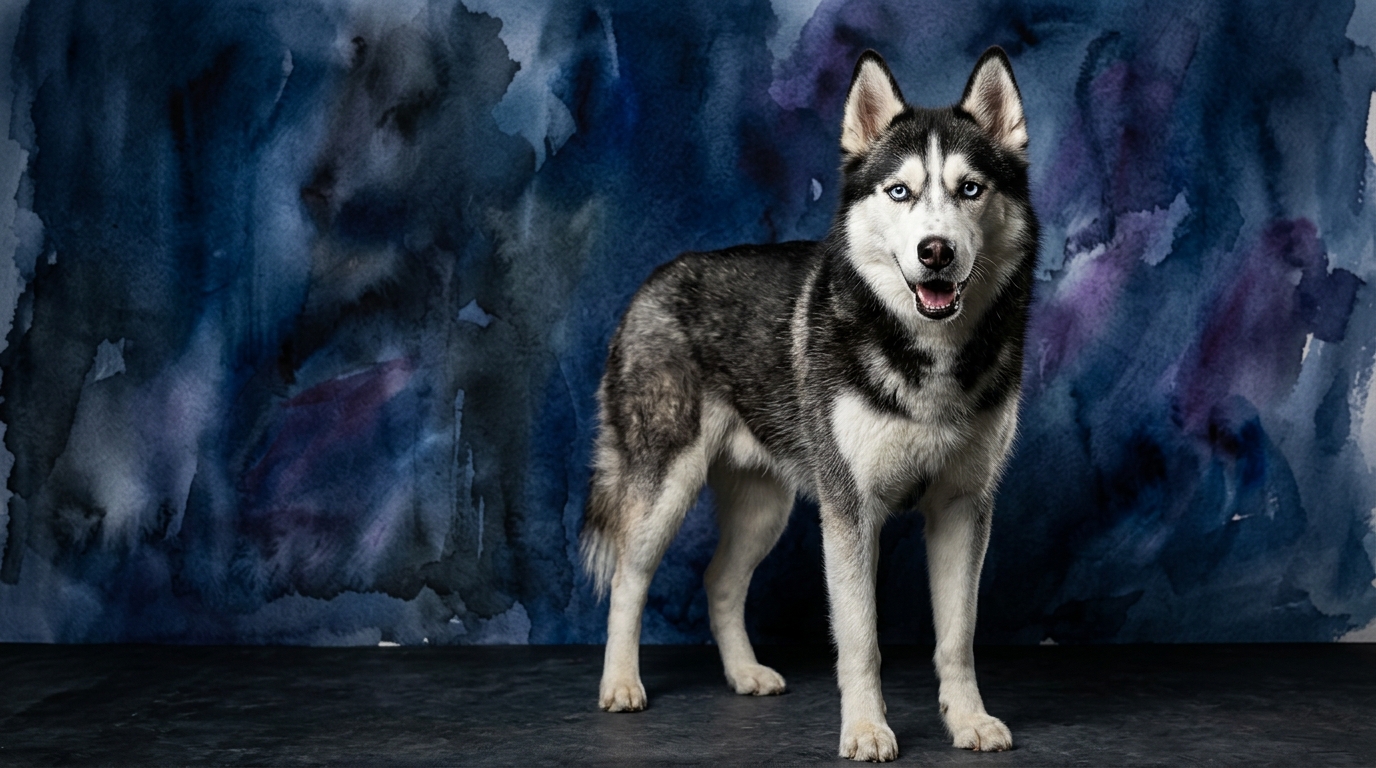
**Siberian Husky:** This Working breed, with a Coren rank of #45, exhibits a unique blend of independent thought and robust physical drive. Their **Problem Solving (4/5)** is often self-serving, leading to ingenious methods for overcoming obstacles and achieving personal goals, like escaping enclosures. **Training Speed (2/5)** is a significant challenge; their strong will and independent nature mean they require extensive repetitions and compelling motivation to reliably learn commands, often prioritizing their own immediate desires. Their **Social Intelligence (3/5)** allows them to understand complex group dynamics within their pack, though it doesn't always translate into biddable behavior towards a single human. An exceptionally potent **Instinctive Drive (5/5)** fuels their need for running, pulling, and exploration, coupled with a strong prey drive. Finally, their **Memory (4/5)** is robust, particularly for routes, spatial arrangements, and routines, making them adept at recalling complex trails.
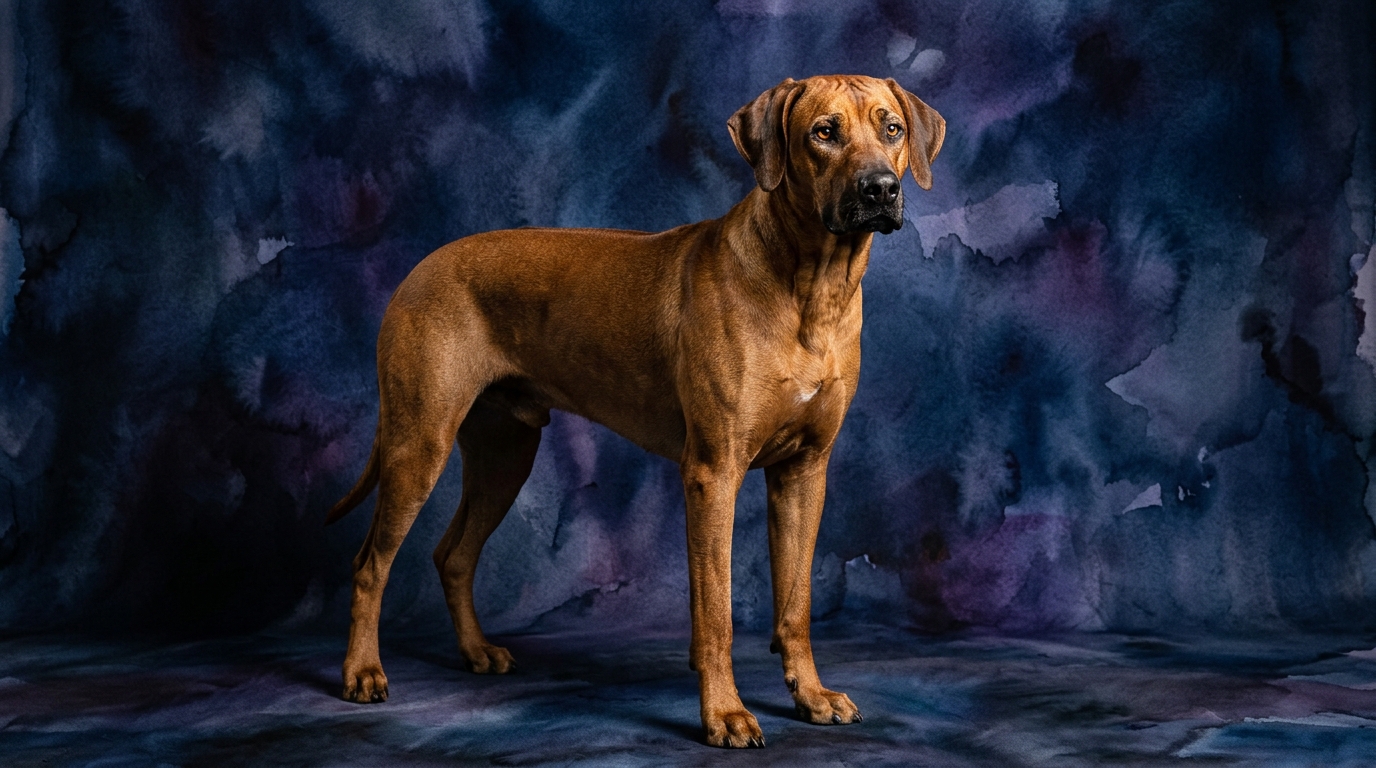
**Rhodesian Ridgeback:** This Hound breed, with a Coren rank of #52, presents a different set of cognitive attributes, rooted in their history as lion hunters. Their **Problem Solving (3/5)** is moderate; they can figure out practical tasks but are generally less inclined towards the innovative, often mischievous, solutions seen in Huskies, tending to follow established rules more readily. **Training Speed (3/5)** is more amenable; they learn at a moderate pace, often demonstrating a focused eagerness to please their trusted family members, though consistency remains crucial. Their **Social Intelligence (3/5)** is deeply focused on their primary family, showing a keen awareness of their emotional states and household dynamics, while often being reserved with strangers. Their **Instinctive Drive (3/5)** centers on guarding, tracking, and a pronounced prey drive for large game, typically less overtly expressed in daily life than a Husky's constant urge to move. Lastly, **Memory (3/5)** is solid for routines, commands, and familiar people and places, allowing them to reliably recall learned behaviors.
Where the Siberian Husky Wins Cognitively
The Siberian Husky's cognitive strengths shine particularly in areas demanding independent thought and sustained self-directed action. Their problem-solving ability, rated 4/5, translates into a remarkable knack for overcoming physical barriers; a Husky might meticulously figure out how to unlatch a gate, climb a fence, or even open a refrigerator to access food. This isn't about following instructions, but rather about independent strategizing to achieve a personal goal. Coupled with an instinctive drive of 5/5, their minds are constantly processing environmental cues for opportunities to run, explore, or engage in active pursuit. Their memory (4/5) further enhances this, allowing them to recall complex routes or the exact sequence of actions needed to achieve a desired outcome, making them formidable escape artists and tenacious explorers. For owners who value a canine partner capable of making independent decisions in challenging environments, the Husky's cognitive profile is uniquely suited.
Where the Rhodesian Ridgeback Wins Cognitively
While the Rhodesian Ridgeback may not display the same overt 'cleverness' as the Husky in terms of outsmarting boundaries, its cognitive strengths lie in areas of focused application and biddability within a family structure. With a training speed of 3/5 compared to the Husky's 2/5, Ridgebacks generally demonstrate a greater willingness to engage with human instruction and learn new commands with fewer repetitions. Their social intelligence, also 3/5, is deeply rooted in loyalty to their immediate family, making them highly attuned to their owners' moods and expectations. This translates into a more cooperative learning dynamic. Furthermore, their instinctive drive (3/5) is more controlled and directed towards specific tasks like guarding or tracking rather than a pervasive urge for constant, unfettered movement. This allows for a more focused mental engagement in structured activities and a greater capacity for calm observation within the home environment, making them more amenable to consistent training and integration into a family routine.
Which is Easier to Train and Why
When it comes to ease of training, the Rhodesian Ridgeback generally presents a more straightforward path for most owners. Their training speed, rated 3/5, reflects a moderate eagerness to please their family and a greater focus during training sessions. A Ridgeback typically responds well to positive reinforcement and clear, consistent commands, often showing a desire to understand and comply. Their social intelligence, centered on their human family, means they are more inclined to form a cooperative partnership in learning. In contrast, the Siberian Husky, with a training speed of 2/5, embodies a strong independent streak. Their mind often works on its own agenda, and they require highly stimulating, varied training methods to maintain interest. A Husky might understand a command perfectly but choose not to execute it if there's no immediate, compelling reward or if their powerful instinctive drive (5/5) suggests a more interesting alternative, like chasing a squirrel or exploring a new scent. This independence, while a hallmark of their breed, makes consistent obedience a long-term commitment requiring exceptional patience and creativity from the trainer.
Which Suits Active Owners vs. Relaxed Owners
For truly active owners who embrace outdoor adventures and can provide consistent, high-intensity mental and physical engagement, the Siberian Husky is an ideal match. Their extreme instinctive drive (5/5) and problem-solving abilities (4/5) thrive on activities like dog sledding, canicross, long-distance running, or complex scent work, which tap into their natural desire for sustained effort and exploration. A Husky’s mind and body demand a lifestyle that mirrors their heritage, making them unsuitable for relaxed owners who cannot meet these profound needs. Without sufficient outlets, their ingenuity can turn destructive or lead to escape attempts.
The Rhodesian Ridgeback, while also requiring significant activity, suits an owner who is active but perhaps seeks a more balanced approach. With an instinctive drive of 3/5, they enjoy regular runs, hikes, and structured training, but their need for constant, relentless 'work' is less pronounced than a Husky's. Their social intelligence and moderate problem-solving make them excellent companions for family activities, enjoying both vigorous exercise and periods of calm companionship. They thrive with owners who can provide consistent exercise and mental stimulation through training and interactive play, but who also appreciate a dog that can settle comfortably indoors, making them a better fit for active owners who also value a degree of tranquility.
The Verdict
If you are an experienced, highly active individual or family ready to embrace a canine partner with an independent mind, unparalleled endurance, and a mischievous problem-solving streak, the Siberian Husky is your choice.
For active owners seeking a loyal, discerning companion with a strong protective instinct and a more cooperative approach to training, the Rhodesian Ridgeback will likely be the more rewarding fit.
🧠 Find Your Pet's IQ Score
Our Pet IQ Lab assessment covers 25+ tests across 5 cognitive dimensions — personalized to your breed.
Take the Full IQ Test →Frequently Asked Questions
Are Siberian Huskies difficult to train?
Siberian Huskies are not difficult to train because they lack intelligence, but rather due to their strong independence and self-serving problem-solving nature. They require highly consistent, positive reinforcement training, often needing more repetitions and varied methods to maintain engagement and ensure reliable command execution. Their focus is often on their own desires rather than human instruction.
Do Rhodesian Ridgebacks make good guard dogs?
Yes, Rhodesian Ridgebacks often make excellent guard dogs due to their instinctive drive for guarding (3/5) and discerning social intelligence. They are naturally protective of their family and territory, reserved with strangers, and possess a strong presence, making them effective deterrents while typically remaining calm and composed unless a genuine threat is perceived.
Which breed needs more exercise, a Husky or a Ridgeback?
A Siberian Husky generally requires significantly more exercise than a Rhodesian Ridgeback, driven by their 5/5 instinctive drive for sustained physical activity. Huskies thrive on hours of vigorous running, pulling, or exploring daily, whereas Ridgebacks, while active, are often satisfied with regular intense exercise sessions combined with mental stimulation, and can settle more readily.