Siberian Husky vs. Samoyed: An IQ Profile Snapshot
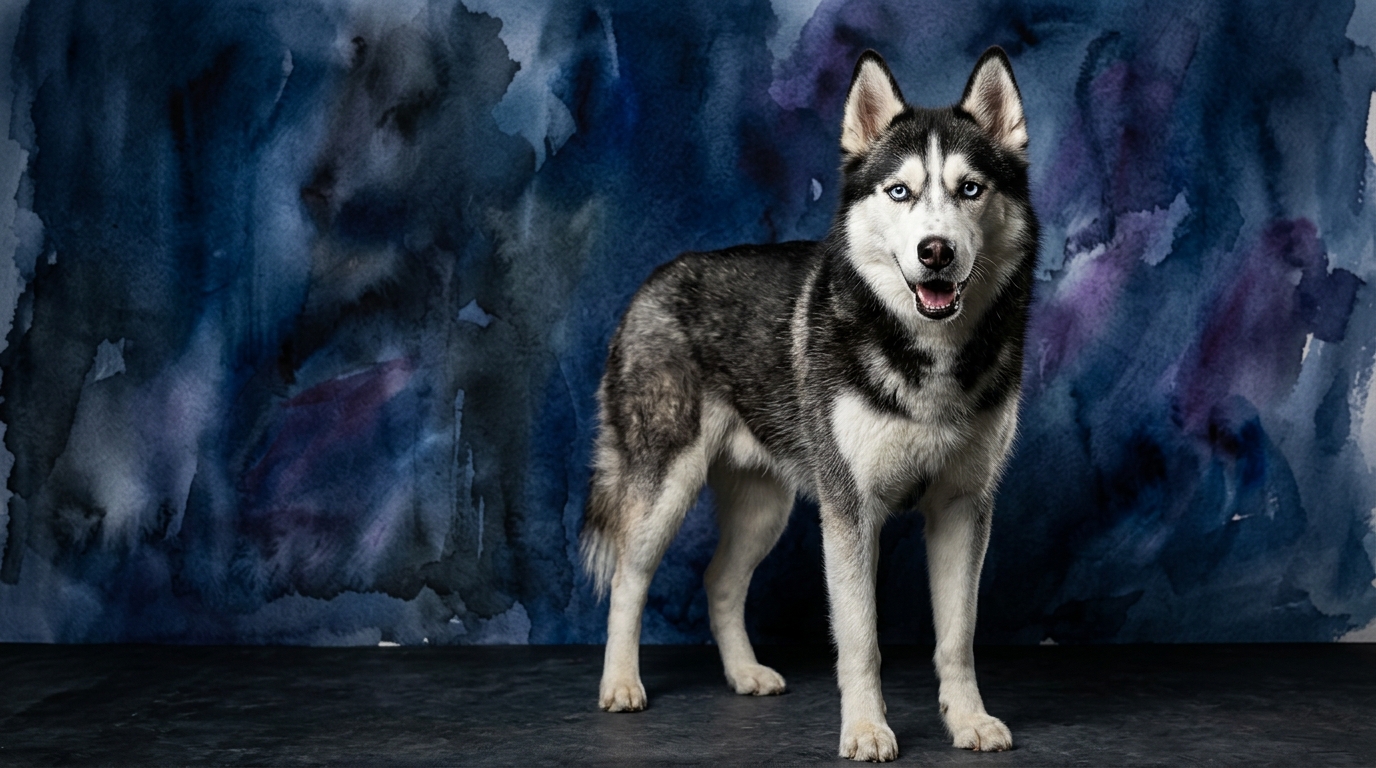
The Siberian Husky, Coren rank #45, presents a distinctive cognitive profile. Problem Solving (4/5) indicates resourceful, independent solutions, like escaping a yard. Training Speed (2/5) is slower due to their independent spirit. Social Intelligence (3/5) shows they bond but often display self-reliance. Instinctive Drive (5/5) reflects an innate urge to run, pull, and track, defining much behavior. Memory (4/5) allows effective retention of routes and forgotten toys.
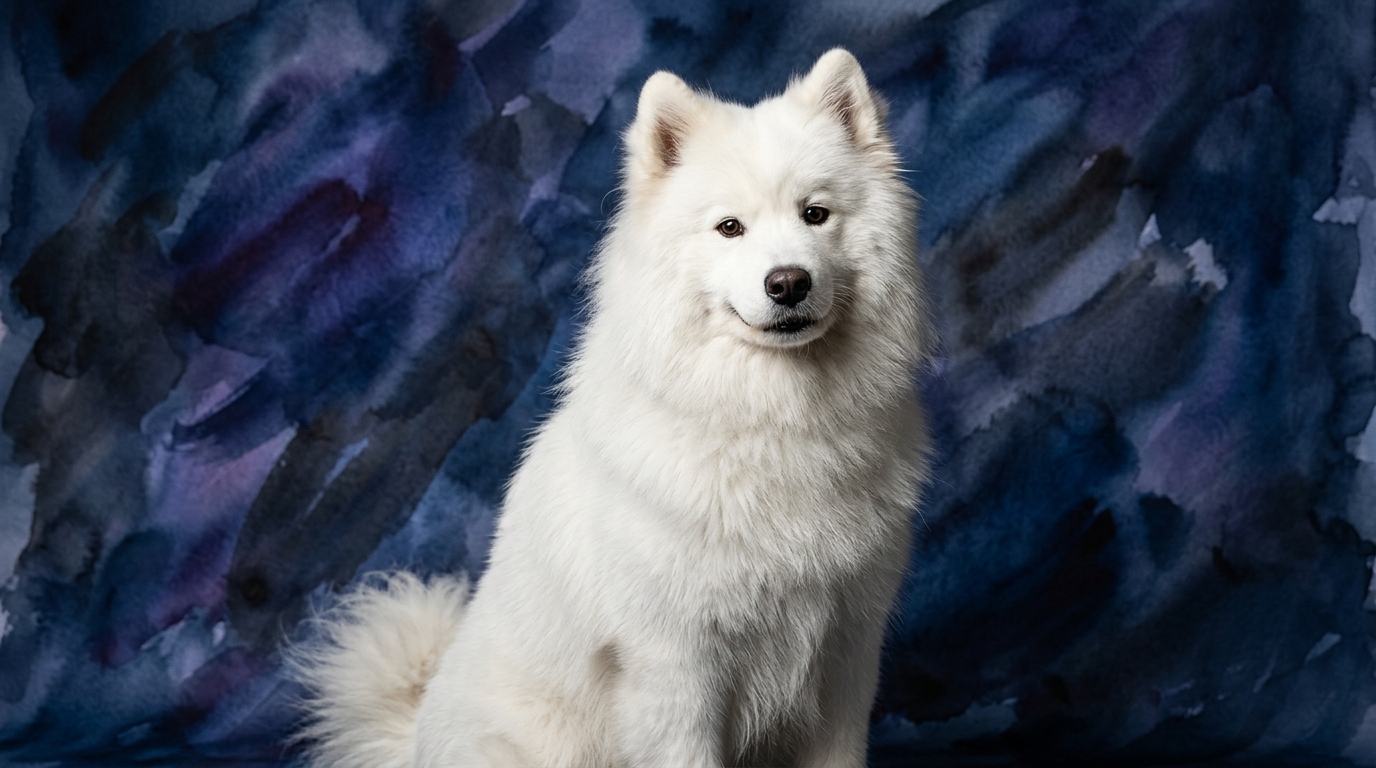
In contrast, the Samoyed, Coren rank #33, showcases a different cognitive blueprint. Problem Solving (3/5) indicates capable thinking, though less inclined than a Husky to independent, mischievous escapades without human input. Training Speed (3/5) suggests quicker command grasp, spurred by a strong desire to please. Social Intelligence (5/5) is a standout, signifying exceptional empathy, bonding, and interpreting human cues. Instinctive Drive (4/5) is robust for pulling and herding, but typically less overwhelming, manifesting as a keen desire for active engagement. Memory (3/5) is solid for routines, but less detail-oriented than Huskies.
Siberian Husky: Where Cognitive Strengths Shine
Siberian Huskies excel cognitively in Problem Solving. Their independent thought and resourceful action are remarkable; they will methodically test boundaries, like figuring out how to open gates, driven by an intrinsic desire to manipulate their environment.
Superior Memory allows Huskies to retain complex information, aiding problem-solving. Their unparalleled Instinctive Drive provides innate, enduring motivation for tasks like long-distance running, a deep-seated cognitive predisposition to sustained, purpose-driven activity unmatched by most breeds.
Samoyed: Empathy and Eagerness to Learn
Samoyed strengths center on extraordinary Social Intelligence. They possess profound empathy, reading human emotions and forming deep, reciprocal bonds. Often described as 'in tune' with families, they anticipate needs and offer comfort, significantly enhancing their role as a family member.
Their higher Coren rank and superior Training Speed stem from social intelligence and eagerness to cooperate. Samoyeds learn commands faster, preferring to work alongside humans. This is a desire for shared activity, not just obedience. Problem Solving and Memory direct towards collaborative efforts, benefiting from human guidance.
Trainability: Cooperation vs. Independence
The Samoyed is generally considered easier to train. Their higher Coren rank signifies quicker understanding of new commands and fewer repetitions needed, responding well to positive reinforcement. High Social Intelligence translates to a strong desire to please human companions and keen attentiveness to social cues, making them highly responsive to instruction and less prone to independent 'detours'.
Conversely, the Siberian Husky, Coren rank #45 and Training Speed 2/5, presents a greater challenge. Independent nature and high Instinctive Drive mean personal agendas—exploring or escaping—often override commands. Training Huskies demands immense patience, creativity, and consistency, leveraging problem-solving. Behavioral differences: Huskies test boundaries, Samoyeds prioritize pleasing and engaging.
Family Life: Matching Cognitive Needs to Lifestyles
For active owners, Siberian Huskies are ideal for extreme outdoor adventures—running, biking, sledding—who appreciate an independent, resourceful companion. Their boundless Instinctive Drive and stamina demand consistent outlets, channeling problem-solving into constructive challenges. They thrive with owners respecting their self-reliant nature and providing mental stimulation.
The Samoyed also suits active owners, flourishing most when activities are shared and interactive. Excellent companions for hiking, jogging, and teamwork-based sports like agility, where eagerness to please shines. Their less intense Instinctive Drive and cooperative nature make them amenable to varied family activities. For owners seeking an engaged, empathetic, joyful participant, the Samoyed is exceptionally well-suited.
Neither breed suits relaxed owners; both are working dogs needing significant energy and mental stimulation. If forced, the Samoyed might adapt marginally better due to strong companionship desire. An unmet Husky's instinctive drive and problem-solving quickly cause destructive behaviors, escape attempts, or vocalization, demanding rigorous management. Both require dedicated owners committed to substantial exercise, training, and enrichment.
The Verdict
Choose the Siberian Husky if you are an experienced owner seeking an independent, highly resourceful, and enduring partner for extreme physical activities, and are prepared to channel their strong instinctive drive and problem-solving abilities with consistent, creative engagement.
Opt for the Samoyed if you desire a profoundly social, empathetic, and cooperative family member who thrives on interactive activities and forms deep bonds, and you are ready to meet their substantial exercise needs with shared adventures and consistent positive training.
🧠 Find Your Pet's IQ Score
Our Pet IQ Lab assessment covers 25+ tests across 5 cognitive dimensions — personalized to your breed.
Take the Full IQ Test →Frequently Asked Questions
Which breed typically displays more overt affection towards their family?
The Samoyed, with its perfect 5/5 Social Intelligence, is generally more overtly affectionate and 'clingy' than the Siberian Husky. Samoyeds thrive on companionship and frequently seek out human interaction and physical closeness, often described as having a deep desire to be a central part of the family.
Between the two, which breed is more likely to escape from a yard or home?
The Siberian Husky is more prone to escaping, largely due to their higher Problem Solving (4/5) and exceptionally strong Instinctive Drive (5/5). Their independent nature and innate drive to explore or chase scents often lead them to cleverly figure out gates, climb fences, or dig under barriers if their environment isn't escape-proof and their needs aren't met.
Can either the Siberian Husky or Samoyed adapt well to apartment living?
Generally, neither breed is ideal for apartment living due to their high energy levels and working dog heritage. Both require significant daily exercise and mental stimulation. While a Samoyed's higher social intelligence might make them *slightly* more adaptable if owners are extremely diligent about daily walks, dog parks, and mental enrichment, neither breed will truly thrive without ample space and consistent outdoor activity.