Side-by-Side Pet IQ Profile
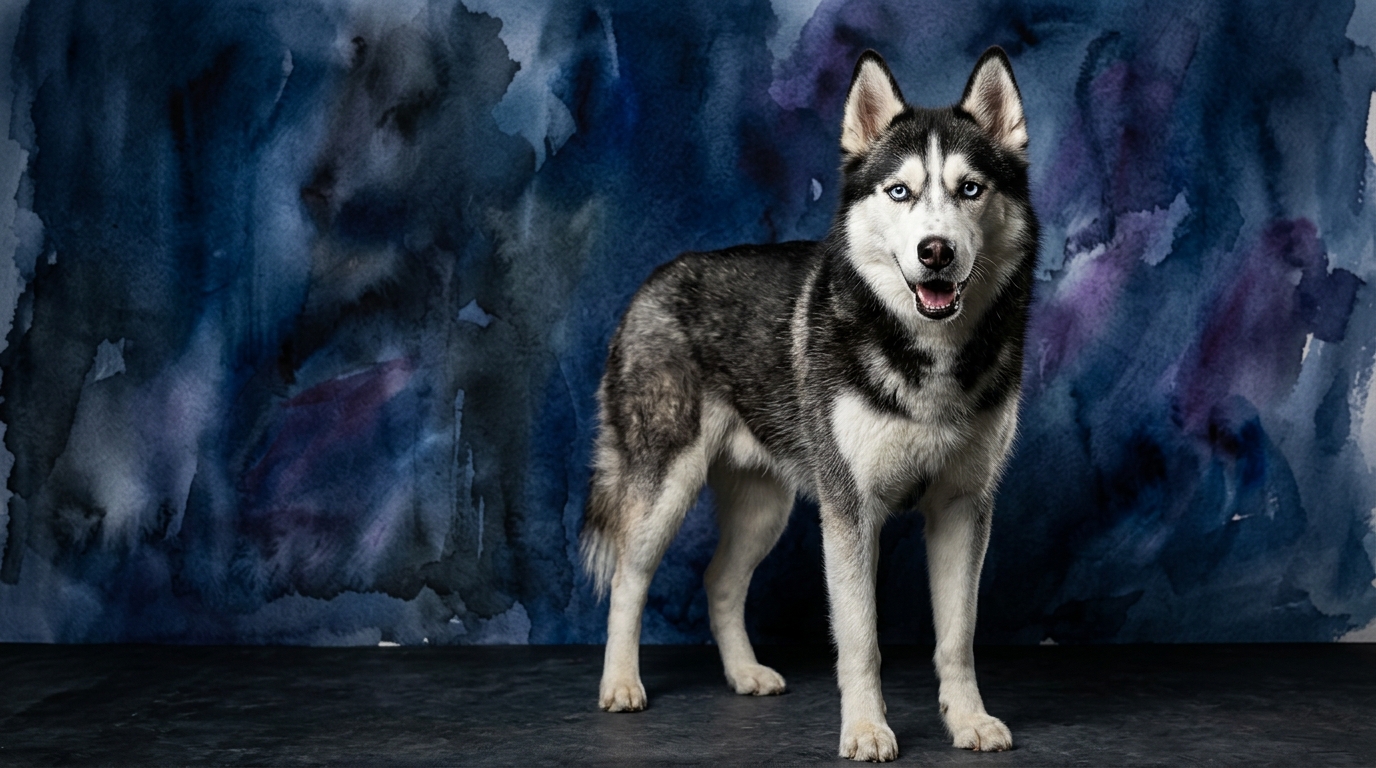
The Siberian Husky, ranking #45 in Coren's intelligence scale, presents a cognitive makeup geared for agile endurance. Their Problem Solving is rated 4/5, indicating a resourceful mind adept at navigating complex environments, often manifesting in clever strategies to overcome physical barriers or retrieve desired items. Training Speed, at 2/5, suggests they require patience and creative engagement, as their independent streak can make immediate compliance challenging. Social Intelligence, at 3/5, points to a capability for understanding social cues and forming bonds, though often on their own terms. Their Instinctive Drive is a powerful 5/5, fueling their innate urge to run, explore, and chase. Memory, also 4/5, allows them to recall intricate routes, past experiences, and learned commands effectively, even if their application of those commands is selective.
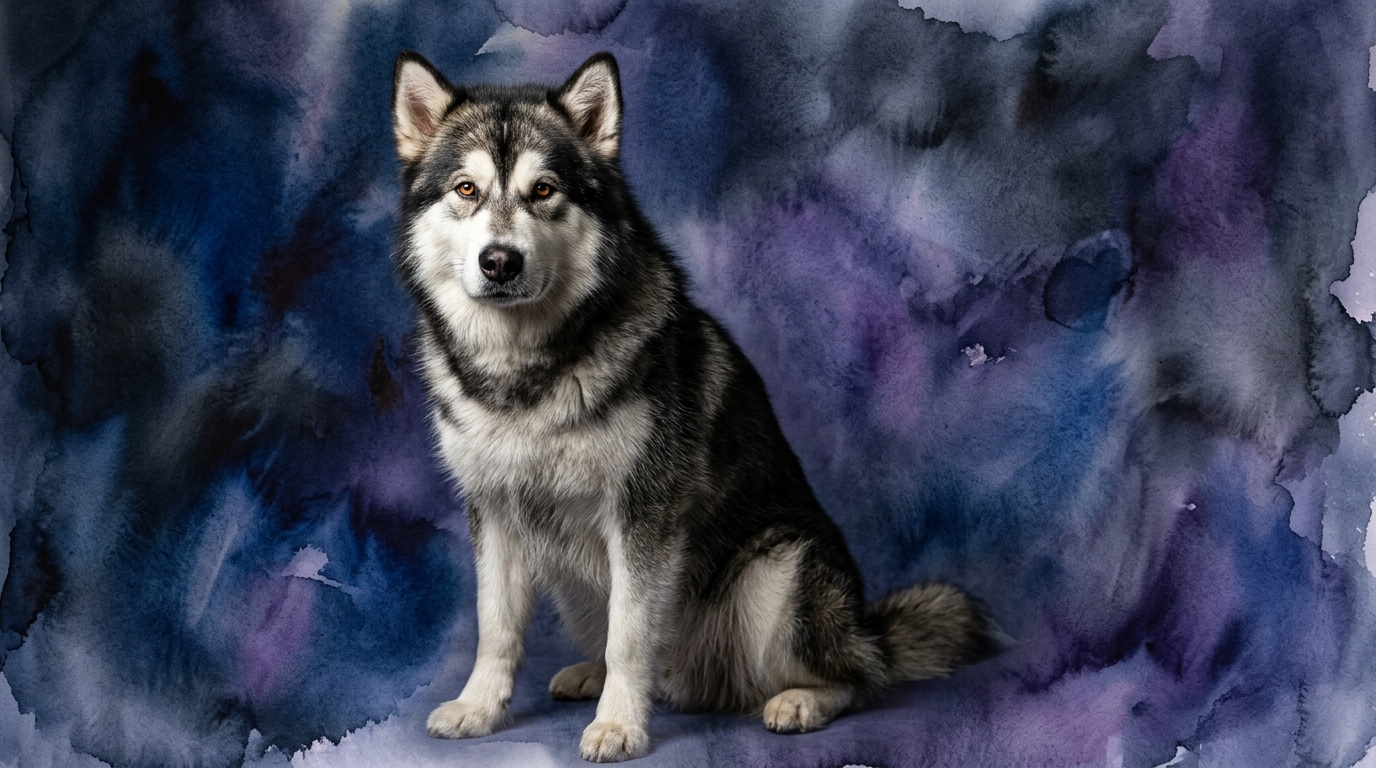
The Alaskan Malamute, with a Coren rank of #50, shares many cognitive traits with its cousin, adapted for sustained power and resilience. Their Problem Solving, also 4/5, signifies a persistent and methodical approach to overcoming obstacles, often through sheer determination or by systematically trying different solutions to achieve a goal, like opening a difficult latch. Training Speed, mirroring the Husky at 2/5, highlights a similar need for consistent, positive reinforcement due to their strong-willed nature. Their Social Intelligence is 3/5, allowing them to forge deep family bonds and understand pack dynamics, though they retain an independent, sometimes dominant, aspect. The Malamute's Instinctive Drive is also a commanding 5/5, underpinning their profound desire to pull, dig, and explore. Memory, at 4/5, ensures they retain knowledge of their environment, learned behaviors, and social connections over time.
Where the Siberian Husky Wins Cognitively
While both breeds score identically across the five core IQ dimensions, the Husky's slightly higher Coren rank (#45 vs #50) subtly hints at a marginally quicker acquisition of learned tasks and a more immediate, albeit still independent, response to cues in an obedience context. This might stem from their specific problem-solving application: while both are 4/5, a Husky's resourcefulness often leans towards ingenuity in dynamic situations. For instance, a Husky might more rapidly assess a novel environment for escape routes or quickly devise a new strategy when an old one fails, demonstrating a more fluid adaptive problem-solving approach to environmental challenges.
Their 4/5 memory might also exhibit a marginal advantage in recalling sequences of actions or adapting to new routes with greater alacrity, crucial for their historical role as fast, long-distance couriers. This agile cognitive processing means they can be incredibly efficient at learning complex courses or quickly adjusting their behavior in response to changing external stimuli, provided they are sufficiently motivated and engaged. This cognitive nimbleness, combined with their potent instinctive drive, enables them to excel in tasks requiring quick shifts in attention and adaptive decision-making.
Where the Alaskan Malamute Wins Cognitively
The Alaskan Malamute's cognitive strengths, despite the slightly lower Coren ranking, often lie in their profound endurance and unwavering determination. While their problem-solving is also 4/5, a Malamute might excel in tasks requiring sustained cognitive effort and brute-force persistence rather than agile adaptation. For example, a Malamute faced with a complex food puzzle might not solve it with the immediate flair of a Husky, but will doggedly work at it until the solution is found, often relying on their physical strength and an enduring mental focus. This makes them exceptional at tasks demanding sustained mental engagement and a resolute approach.
Their 3/5 social intelligence, combined with their immense physical presence, can translate into a deeper, more deliberate understanding of established pack hierarchies within their human family. While not always immediate in obedience, a Malamute often possesses a profound sense of loyalty and a nuanced grasp of their place in the family unit. Their 4/5 memory is particularly strong for established routines and long-standing social bonds, allowing them to maintain deep, consistent relationships and reliably remember long-term patterns, which underpins their role as steadfast family protectors and enduring working partners.
Which is Easier to Train and Why
When it comes to training speed, both the Siberian Husky and Alaskan Malamute are rated 2/5, signifying that neither breed is inherently 'easy' to train. This isn't due to a lack of capacity to learn, as both possess a 4/5 problem-solving ability and 4/5 memory, but rather their profound independence and potent 5/5 instinctive drives. Huskies often present challenges due to their propensity for distraction and a strong independent will that prioritizes their own exploration or desires over compliance. Their problem-solving can manifest as finding ways to outsmart the trainer or exploit weaknesses in commands, making consistency and novel, high-value rewards crucial.
Malamutes, while equally intelligent, are often described as more overtly stubborn. Their training challenges stem from a powerful will and a deep-seated desire to perform tasks they deem valuable, which may not always align with the trainer's agenda. A Malamute might simply decide a command isn't worth their effort if there's no immediate, compelling reward, or if they are focused on a more self-gratifying activity like digging. Both breeds require trainers who understand their motivation, are incredibly patient, consistent, and creative in making training a highly rewarding and engaging experience, making 'easy' a relative term dependent on the trainer's skill.
Which Makes a Better Family Pet: Active vs. Relaxed Owners
For active owners, both the Siberian Husky and Alaskan Malamute can be exceptional companions, but require specific outlets for their immense energy and high instinctive drives (5/5). An active family prepared for daily, vigorous exercise will find a Husky thrives on long runs, challenging hikes, or engaging in dog sports, channeling their fast-paced endurance and problem-solving into constructive activities. Without consistent mental and physical stimulation, a Husky's restless energy and independent cognitive approach can lead to destructive behaviors, excessive vocalization, or relentless escape attempts, as they will create their own 'work' if not given a job.
Similarly, Malamutes are superb for active owners who understand their need for purposeful, strength-based activity. They excel at weight pulling, long backpacking trips, or extended, structured walks where their enduring power and deliberate problem-solving can be utilized. A Malamute's profound digging instinct and strong pull drive require regular, suitable outlets; otherwise, gardens may become excavation sites, and furniture may be redirected for chewing. Neither breed is suitable for relaxed owners seeking a low-maintenance companion; their high cognitive engagement, independence, and intense drives will not be fulfilled by a sedentary lifestyle, leading to frustrated behaviors that can be challenging to manage.
The Verdict
Choose a Siberian Husky if you're an active owner seeking a quick-thinking, adaptable endurance partner who thrives on varied mental challenges and dynamic physical activity.
Opt for an Alaskan Malamute if you desire a powerful, steadfast companion for strength-based endeavors, who forms deep family bonds and needs consistent, purposeful work.
🧠 Find Your Pet's IQ Score
Our Pet IQ Lab assessment covers 25+ tests across 5 cognitive dimensions — personalized to your breed.
Take the Full IQ Test →Frequently Asked Questions
Do Huskies or Malamutes typically bark more?
Siberian Huskies are generally more vocal, known for their characteristic 'woos,' howls, and talkative nature. Alaskan Malamutes tend to be quieter, though they are capable of howling and can be protective with a deep bark.
Are Huskies or Malamutes better family pets with children?
Both breeds can be very good with children within their immediate family, exhibiting patience and a playful nature. However, due to their large size, strength, and strong instinctive drives, careful supervision is essential, especially with very young children, to prevent accidental knocks or overwhelming play.
Which breed is more prone to escaping enclosures?
Both breeds are notorious escape artists due to their high problem-solving abilities and strong wanderlust, driven by their 5/5 instinctive drive. Huskies, often lighter and more agile, might exploit weaknesses in fences or gates more quickly, while Malamutes can be incredibly persistent in digging under or breaking through barriers with their strength.