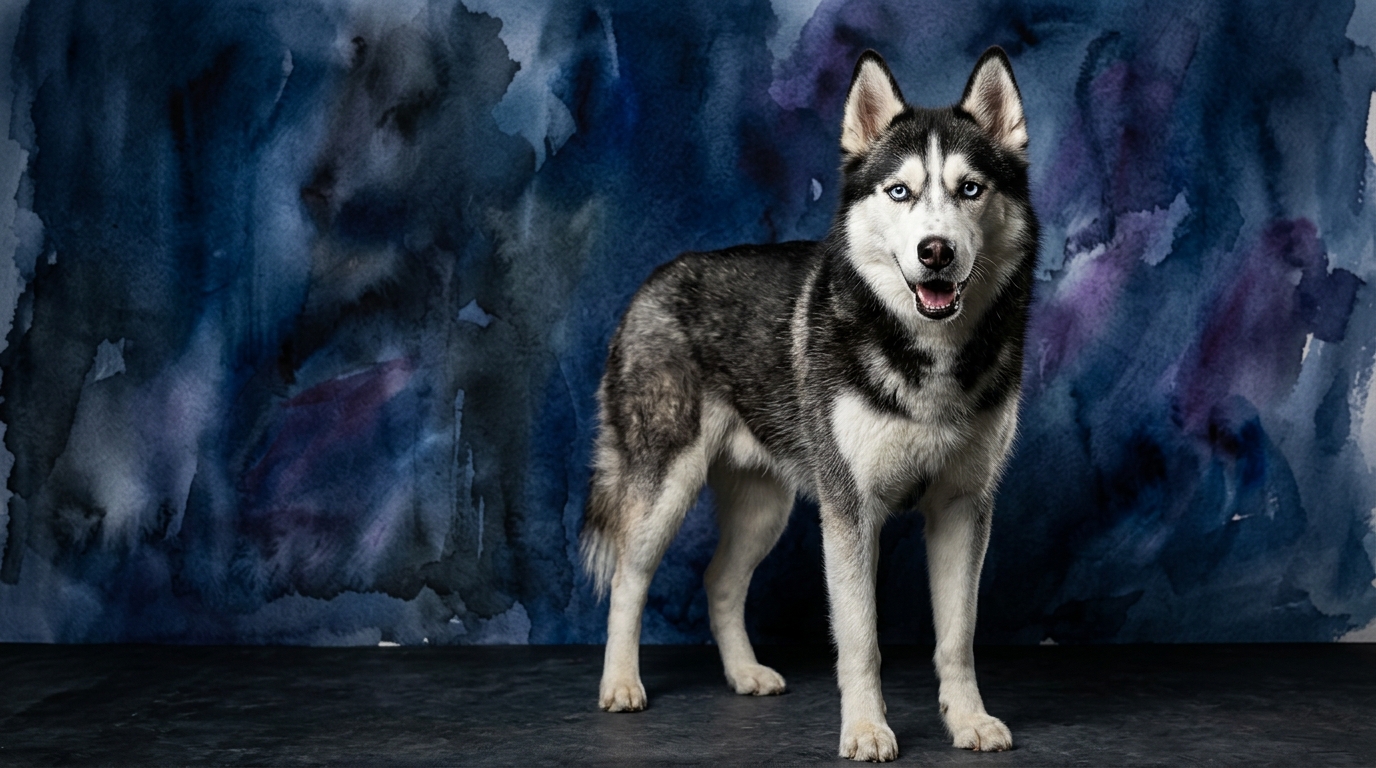
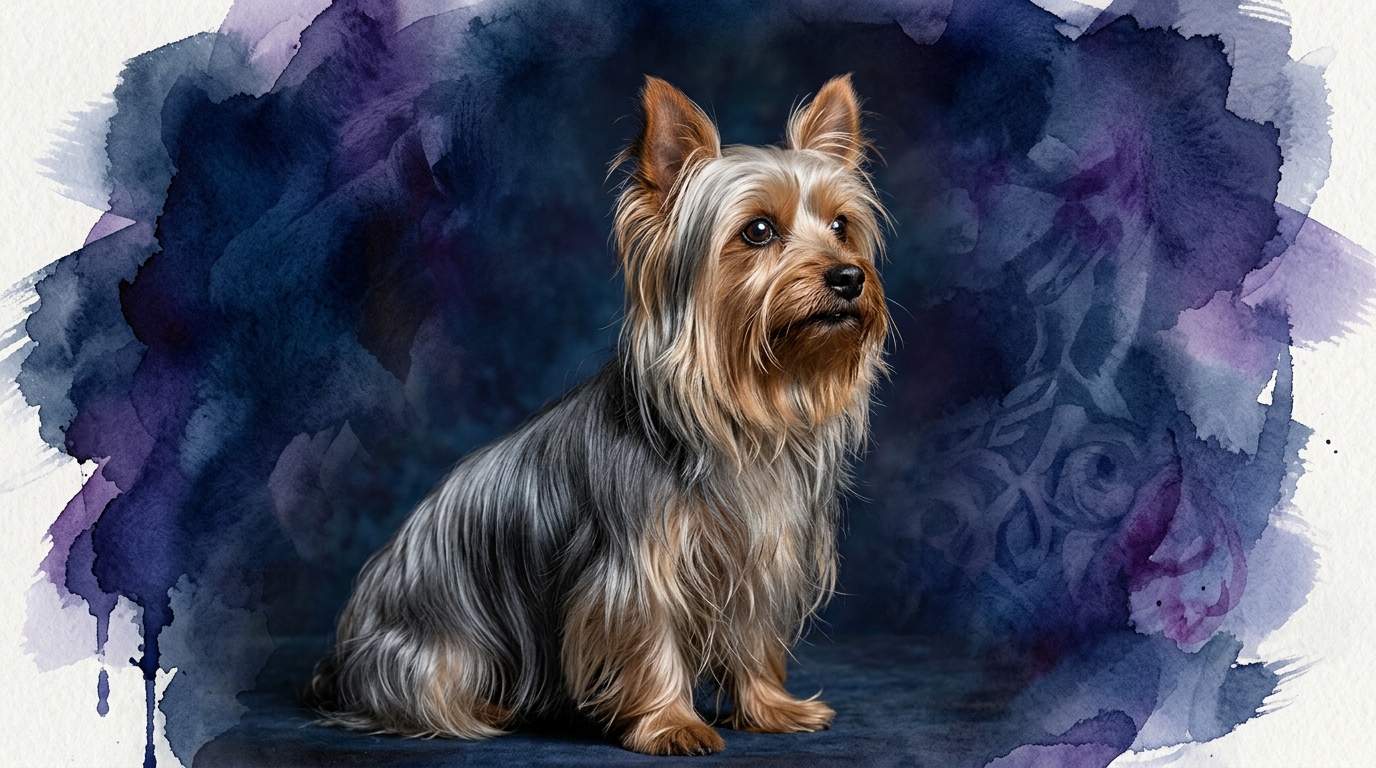
Side-by-Side IQ Profile
The Cosmic Pet Pet IQ Lab offers a detailed lens into the cognitive architecture of our canine friends. For the Siberian Husky, a Working group dog, its profile is defined by a problem-solving score of 4/5, indicating a strong capacity for independent thought and strategic navigation of challenges. Its training speed, however, sits at 2/5, suggesting patience and consistent methods are needed due to a strong independent streak. Social intelligence is rated 3/5, showing an ability to understand and interact with social cues, though with self-reliance. A striking instinctive drive of 5/5 highlights their profound urge to perform breed-specific tasks involving endurance and purpose, while memory at 4/5 means they retain learned information and experiences effectively.
In contrast, the Silky Terrier, a Toy group member, presents a balanced yet distinct cognitive blueprint. Its problem-solving score of 3/5 suggests a moderate capability for figuring out novel situations, capable of learning but less inclined to complex, multi-step solutions independently. Training speed is a respectable 3/5, indicating general receptiveness to learning commands with reasonable repetition. Social intelligence matches the Husky at 3/5, reflecting a similar capacity for engaging with companions. An instinctive drive of 3/5 points to a moderate inherent urge for typical terrier activities without the intense, job-oriented focus of the Husky. Finally, memory is rated 3/5, meaning they possess a solid ability to recall past events and training.
Where Siberian Husky Wins Cognitively
The Siberian Husky’s cognitive strengths shine brightest in areas demanding self-sufficiency and intrinsic motivation. Their superior problem-solving (4/5) allows them to adeptly navigate complex terrains or figure out how to bypass obstacles, a trait essential for their historical role as sled dogs covering vast distances without direct human command. Their unparalleled instinctive drive (5/5) means they possess an unyielding internal motor for purposeful activity, translating into deep satisfaction from sustained effort. This profound drive, coupled with their strong memory (4/5), enables them to learn intricate routes and maintain focus on long-term goals, making them exceptional for activities like sledding, skijoring, or extensive hiking. Their cognitive design favors endurance, strategic thinking in dynamic environments, and a relentless pursuit of inherent purpose.
Where Silky Terrier Wins Cognitively
The Silky Terrier’s cognitive profile offers distinct advantages, particularly for a companion animal in a diverse home environment. Their training speed (3/5) stands out as a clear cognitive win when compared to the Husky's 2/5. This means a Silky is typically more amenable to learning new commands and routines with fewer repetitions, making foundational obedience and even trick training a more straightforward process. This responsiveness stems from their moderate problem-solving and social intelligence, allowing them to grasp human expectations and adapt their behavior accordingly. Moreover, their balanced instinctive drive (3/5) means they are less compelled by an overwhelming internal "job" requirement, contributing to a more adaptable cognitive state for relaxed home life. They excel at processing social cues and adjusting their behavior for harmonious cohabitation.
Which Is Easier to Train and Why
When evaluating ease of training, the Silky Terrier (training speed 3/5) generally presents a more straightforward experience than the Siberian Husky (training speed 2/5). The Silky’s moderate training speed indicates a greater willingness to engage with human instruction and a quicker grasp of new commands. Their slightly lower problem-solving score (3/5) and moderate instinctive drive (3/5) mean they are less likely to overthink commands or be distracted by an overwhelming urge for independent activities, often focusing more on their human during training. The Siberian Husky, conversely, requires a different approach due to its lower training speed and formidable independent nature. Their high problem-solving ability often translates into "what's in it for me?" thinking; if a command doesn't align with their immediate perceived benefit or strong instinctive drive, they may choose to ignore it. This isn't a lack of understanding, but a strong will. Training a Husky involves more patience, creativity, and understanding their motivations, making it feel like a rewarding game. For owners seeking quicker obedience, the Silky Terrier typically offers a less challenging path.
Which Suits Active Owners vs. Relaxed Owners
The choice between these two breeds heavily depends on an owner's lifestyle and capacity to meet a dog's inherent cognitive and physical needs. The Siberian Husky, with its profound instinctive drive (5/5) and strong problem-solving skills (4/5), is undeniably suited for active owners. These dogs thrive when given a purpose, such as long-distance running, hiking, or dog sports mimicking their sledding heritage. Their minds are wired for endurance; a relaxed owner unable to provide consistent, vigorous mental and physical stimulation will likely encounter a Husky that invents its own (often destructive) outlets for powerful cognitive energy. They need an owner who embraces outdoor adventures and consistent engagement.
The Silky Terrier, with its moderate instinctive drive (3/5) and balanced cognitive profile, is a more adaptable companion for both active and moderately relaxed owners. While they enjoy walks and mental stimulation, their internal engine doesn't demand the same intensity or duration of activity as a Husky. They are content with regular, moderate exercise and thrive on interactive play and training within the home. Their cognitive makeup allows them to be equally satisfied curling up after a walk as they are learning a new trick, suiting owners who appreciate a lively companion without extensive daily endurance activities.
The Verdict
Choose the Siberian Husky if you are an adventurous, highly active individual or family committed to providing extensive daily physical challenges and mental stimulation that honors their working heritage.
Opt for the Silky Terrier if you desire a spirited, engaging companion that thrives on moderate activity, enjoys learning, and adapts well to a variety of living situations with a more balanced energy output.
🧠 Find Your Pet's IQ Score
Our Pet IQ Lab assessment covers 25+ tests across 5 cognitive dimensions — personalized to your breed.
Take the Full IQ Test →Frequently Asked Questions
Do Siberian Huskies get bored easily?
Yes, their high problem-solving and instinctive drive mean Huskies require consistent mental engagement and physical activity. Without sufficient outlets for their cognitive energy and innate purpose, they can quickly become bored and resort to undesirable behaviors like destructive chewing or excessive vocalization. Providing them with "jobs" or challenging activities is crucial for their well-being.
Are Silky Terriers good for apartment living?
Absolutely, Silky Terriers can thrive in apartment settings due to their moderate size and instinctive drive. As long as they receive regular walks, playtime, and mental stimulation through training and interactive toys, they can adapt well to smaller living spaces, making them suitable companions for urban dwellers. Their cognitive profile allows them to be content with less expansive environments compared to a Husky.
How do their memory scores impact daily life?
A Siberian Husky's 4/5 memory means they recall training, routes, and experiences very well, which is beneficial for complex tasks but also means they remember perceived slights or negative experiences. A Silky Terrier's 3/5 memory is still solid, allowing them to learn and retain commands and routines effectively, contributing to their adaptability as companions without the same level of long-term strategic recall for independent action.