A Side-by-Side Look at Cognitive Profiles
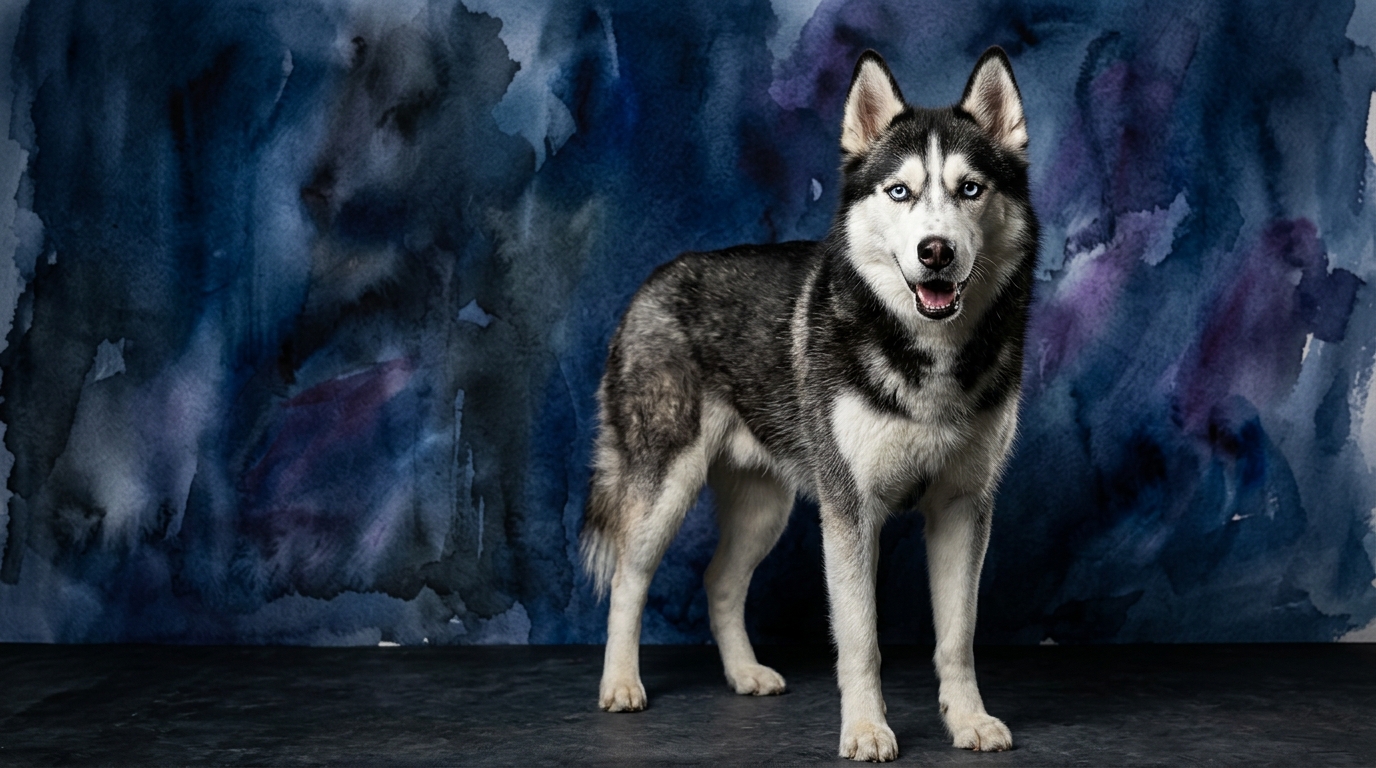
At The Cosmic Pet Pet IQ Lab, we delve into the nuanced cognitive dimensions that define each breed. For the Siberian Husky, a Coren-ranked #45 Working dog, their intelligence profile reflects their history of self-sufficiency and collaborative labor. Their problem-solving ability stands at a robust 4/5, indicative of their capacity to navigate complex terrains and figure out solutions independently, sometimes to their owner's chagrin, like outsmarting a fence. Training speed, however, registers at a 2/5; while capable of understanding, their strong independent streak means compliance can be a prolonged endeavor. Social intelligence is a solid 3/5, demonstrating an awareness of pack dynamics, though not necessarily a strong desire to please humans above their own agenda. Their instinctive drive is exceptionally high at 5/5, manifesting as an overwhelming urge to run, pull, and chase, deeply rooted in their sled dog heritage. Finally, their memory is impressive at 4/5, allowing them to recall routes, commands, and experiences with considerable accuracy.
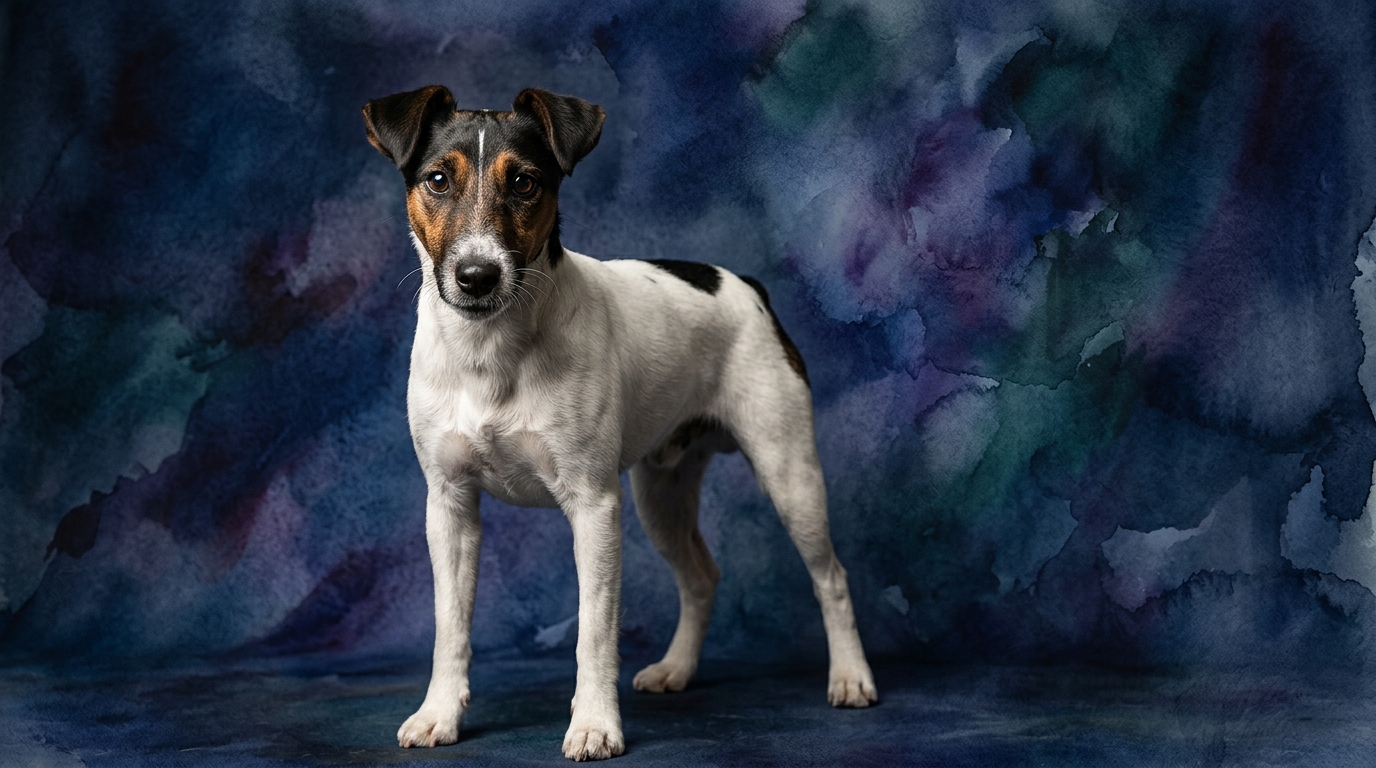
The Smooth Fox Terrier, a Terrier breed not yet ranked by Coren, presents a different cognitive blueprint, honed for quick, decisive action. Their problem-solving ability scores 3/5, suggesting a cleverness geared towards immediate, practical goals, such as locating prey or manipulating situations to their advantage. Training speed for the Smooth Fox Terrier is a moderate 3/5; they can learn commands and tricks relatively quickly, especially when motivated by engaging methods, but their focus can waver. Social intelligence mirrors the Husky at 3/5; they are capable of forming strong bonds but retain a spirited independence and can be selective in their canine friendships. Their instinctive drive is 3/5, focused intensely on hunting and digging, though perhaps less all-encompassing than the Husky's drive to cover vast distances. Their memory is rated at 3/5, allowing them to retain routines and associations, though perhaps without the Husky's extensive spatial recall.
Where the Siberian Husky's Cognition Shines
The Siberian Husky's cognitive strengths are deeply intertwined with their ancestral role as a sled dog. Their 4/5 problem-solving ability isn't about solving abstract puzzles; it's about practical intelligence in survival contexts. This translates to an impressive capacity for navigating complex environments, remembering intricate trails, and finding innovative ways to achieve their goals, whether that's reaching a desired location or escaping an enclosure. This independent thought process, while sometimes perceived as stubbornness in a domestic setting, was crucial for making decisions in challenging conditions without constant human direction.
Furthermore, their 4/5 memory is exceptional for remembering sequences and spatial information, a vital trait for a lead dog guiding a team through snowstorms. Coupled with their unparalleled 5/5 instinctive drive for sustained physical exertion, Huskies demonstrate a cognitive commitment to prolonged, purposeful activity. They excel in tasks requiring stamina, navigation, and a degree of self-reliance, making them adept at activities like canicross, bikejoring, or even long-distance hiking where their innate understanding of effort and direction comes to the forefront.
The Smooth Fox Terrier's Unique Cognitive Strengths
The Smooth Fox Terrier's 3/5 problem-solving acumen shines in scenarios demanding quick thinking and tenacious focus on a specific objective. Unlike the Husky's broad, independent problem-solving for survival, the Terrier's intellect is geared towards a highly specialized task: locating and flushing out vermin. This manifests as a sharp, focused cleverness, allowing them to quickly assess situations for opportunities to pursue a scent or dig. They are adept at finding novel ways to get what they want in the immediate moment, often employing charm or persistence.
Their moderate 3/5 training speed, combined with their instinctive drive, allows them to pick up new commands or tricks fairly well, especially when the training is engaging and rewards their natural drive for interaction and challenge. While not designed for endurance, their mental agility allows them to quickly adapt to new games or short bursts of activity, making them quick studies in agility or obedience trials where rapid responses are valued. Their memory, also a 3/5, is sufficient for retaining routines and specific learned behaviors, ensuring they remember the rules of their favorite games or household expectations.
Training Dynamics: A Tale of Two Temperaments
Training a Siberian Husky (2/5 training speed) is often described as a test of patience and understanding, not a reflection of their capacity to learn. Huskies grasp concepts readily; their challenge lies in their independent nature and low desire to consistently comply if they don't see the immediate benefit or if their strong instinctive drives conflict with a command. Their 5/5 instinctive drive to run and chase can easily override a 'stay' command if a squirrel darts by. Successful Husky training requires high-value motivation, consistent positive reinforcement, and a deep understanding of their independent decision-making process. They often respond better to training framed as a collaborative effort rather than strict obedience.
The Smooth Fox Terrier (3/5 training speed) offers a different training experience. They are typically eager to engage and learn, picking up commands with reasonable speed, but their attention span can be shorter, and their terrier tenacity means they can become stubborn if not properly motivated or if they perceive the task as boring. Their 3/5 instinctive drive, focused on scent and chase, means they can be highly distractible in environments with interesting smells or movement. Effective training for a Smooth Fox Terrier demands variety, enthusiasm, and making training feel like a fun game, leveraging their alertness and quick responses rather than fighting their independent spirit.
Matching Breeds to Lifestyles: Active Explorers vs. Engaged Companions
The Siberian Husky is a breed for owners who embrace a life of active exploration and appreciate a dog with a strong, independent mind. Their formidable 5/5 instinctive drive for sustained activity means they thrive with owners who can provide daily, vigorous exercise, such as long runs, hikes, or activities like sledding or bikejoring. A relaxed owner will quickly find themselves overwhelmed by a Husky's need for physical and mental exertion, which can manifest as destructive behavior or escape attempts. They require secure fencing and consistent leash training due to their strong prey drive and tendency to roam. Their problem-solving abilities mean they need mental challenges beyond mere physical exercise, often enjoying puzzle toys or complex scent work.
The Smooth Fox Terrier, while also active, suits owners who prefer intense, interactive engagement over vast endurance tasks. Their energy is often characterized by bursts of activity, requiring regular walks, vigorous play sessions, and consistent mental stimulation through training, agility, or engaging puzzle toys. They are well-suited for owners who enjoy teaching tricks, participating in dog sports, and can provide a structured yet stimulating environment. A Smooth Fox Terrier needs an owner who is prepared to manage their tenacity and instinctive drive with consistent leadership and positive reinforcement, ensuring their sharp wit is channeled productively rather than mischievously.
The Verdict
Choose a Siberian Husky if you seek a resilient, independent companion for demanding outdoor adventures and appreciate a dog that thinks for itself, even if it challenges your training patience.
Opt for a Smooth Fox Terrier if you desire an alert, tenacious partner for interactive games and consistent training, valuing their quick wit and vibrant personality in a moderately active home.
🧠 Find Your Pet's IQ Score
Our Pet IQ Lab assessment covers 25+ tests across 5 cognitive dimensions — personalized to your breed.
Take the Full IQ Test →Frequently Asked Questions
Does the Siberian Husky's high instinctive drive make them difficult to live with?
Their powerful drive to run and chase requires significant management, including secure fencing and consistent leash training to prevent escapes. Without proper outlets for their energy and instincts, this drive can manifest as destructive behavior or a strong desire to roam, which can be challenging for unprepared owners.
Are Smooth Fox Terriers good family dogs, given their instinctive drive?
Smooth Fox Terriers can be affectionate family members, but their strong prey drive means they may not be ideal with small, non-canine pets like hamsters or birds. Their energetic and sometimes stubborn nature requires consistent training and early socialization for harmonious living with children and other household members.
How does Coren rank relate to the IQ dimensions for these breeds?
Coren's ranking primarily assesses 'obedience and working intelligence,' focusing on how quickly a dog learns and obeys commands. The Siberian Husky's lower rank (#45) reflects its independent nature and slower training speed (2/5) in terms of compliance, while the Smooth Fox Terrier, though unranked, would likely fall in a similar obedience range due to its tenacity, despite its better training speed (3/5) for initial learning.