Side-by-Side Cognitive Profiles
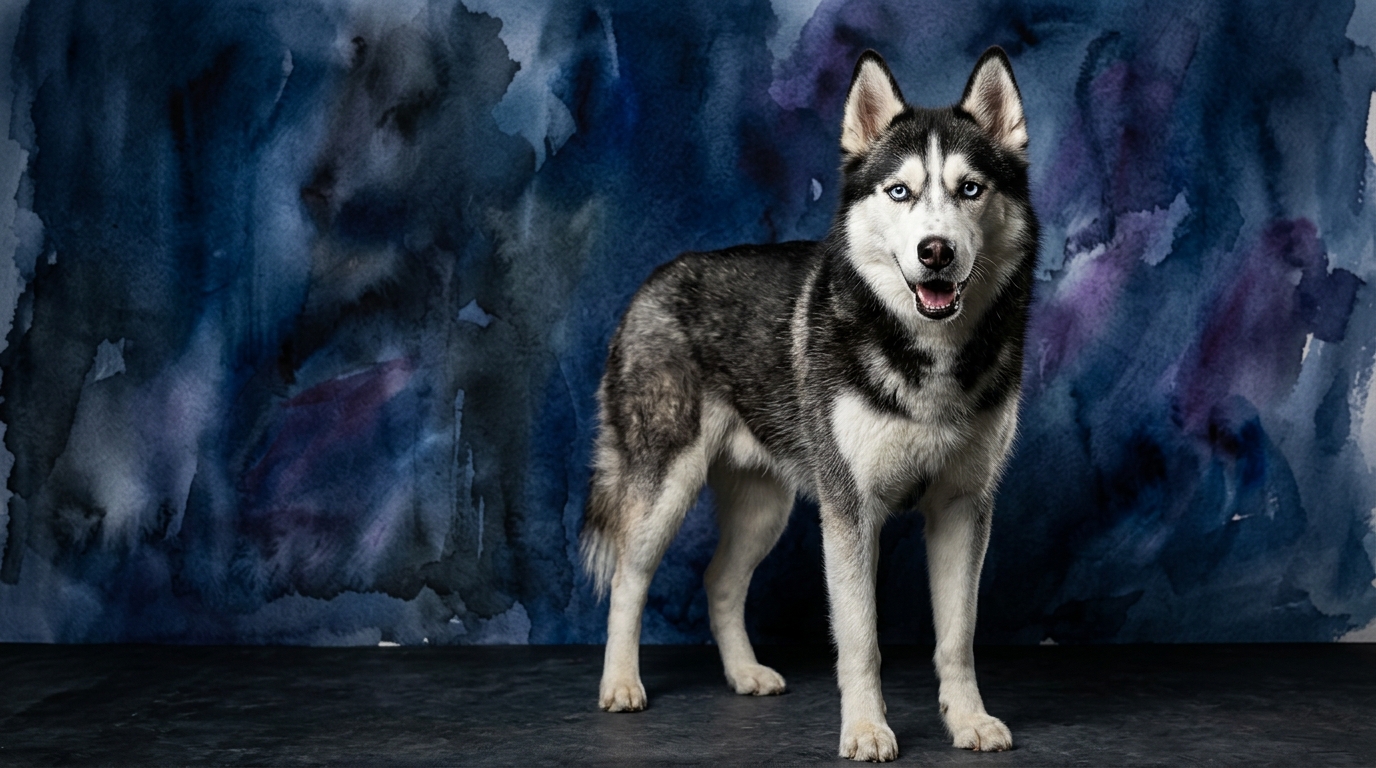
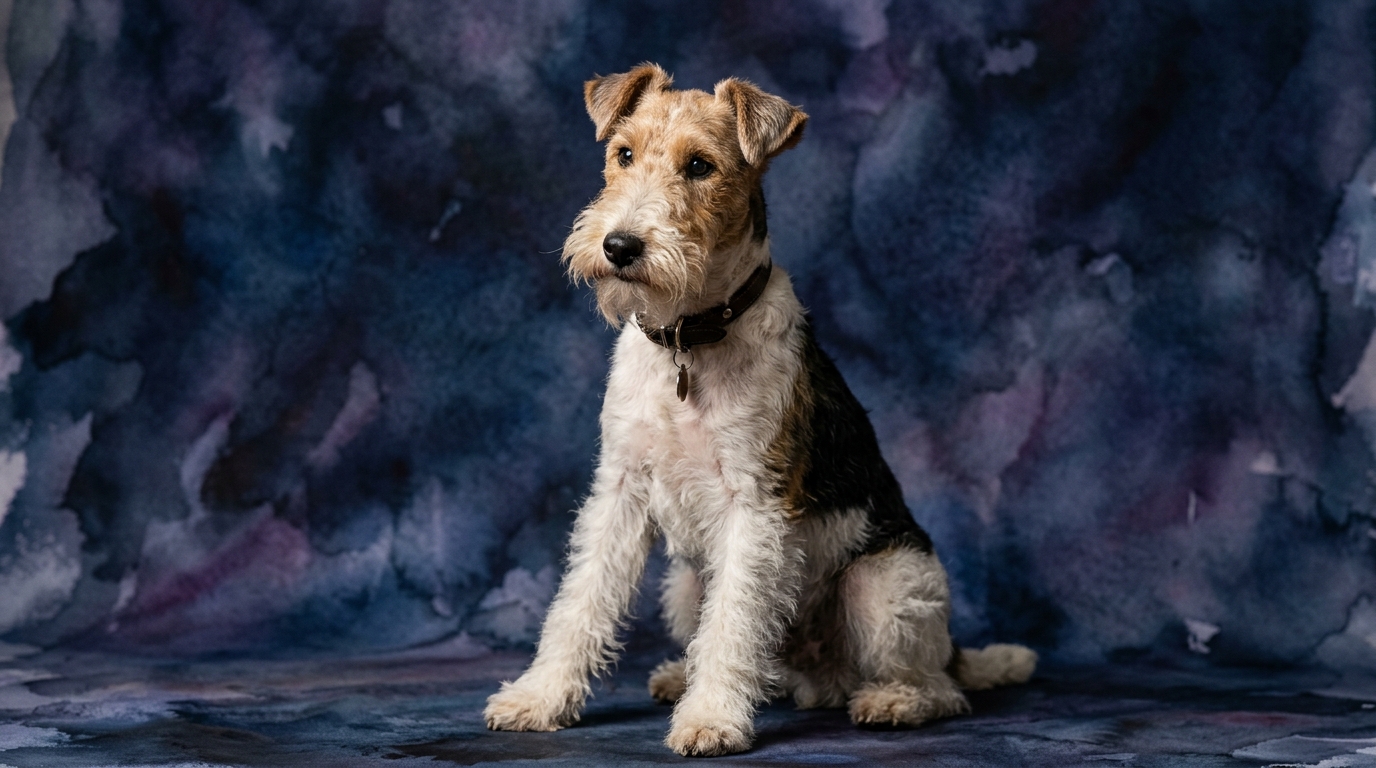
At The Cosmic Pet Pet IQ Lab, we delve beyond surface-level observations to uncover the specific cognitive strengths and nuances of each breed. Comparing the Siberian Husky, a Working group dog Coren-ranked at #45, with the Wire Fox Terrier from the Terrier group, which is not Coren-ranked, offers a compelling look at how different evolutionary pressures shape canine cognition.
**Siberian Husky Profile:**
**Problem Solving (4/5):** Huskies are adept at navigating complex environments and figuring out how to achieve their goals, often independently. Their historical role demanded ingenuity in finding paths and overcoming obstacles in harsh terrains, contributing to a strong ability to assess situations and devise solutions, sometimes to their owner's chagrin when it involves escape artistry.
**Training Speed (2/5):** While capable of learning, the Husky's independent nature and strong will mean they aren't always eager to comply. They learn commands but often choose whether or not to execute them based on their own perceived value or interest, making training a consistent, patient, and often creative endeavor.
**Social Intelligence (3/5):** Huskies possess a moderate level of social intelligence, excelling in pack dynamics with other dogs and forming strong bonds with their human families. They read social cues adequately but often prioritize their own motivations over strict adherence to human direction, indicating a balanced rather than subservient social interaction style.
**Instinctive Drive (5/5):** Their innate drive is exceptionally strong, stemming from centuries of selective breeding for endurance, pulling, and a keen prey drive. This manifests as a powerful urge to run, explore, and often chase, deeply ingrained behaviors that are fundamental to their being and require significant outlets.
**Memory (4/5):** Huskies demonstrate a robust memory, recalling learned behaviors, routes, and experiences effectively. This aids their problem-solving and navigation, allowing them to remember escape routes, hidden stashes, or previously successful strategies, which can be both impressive and challenging for owners.
**Wire Fox Terrier Profile:**
**Problem Solving (3/5):** Wire Fox Terriers exhibit a solid capacity for problem-solving, particularly when it involves achieving a goal like accessing a desired item or investigating a new scent. Their solutions are often direct and persistent, reflecting their terrier heritage of confronting challenges head-on rather than complex strategizing.
**Training Speed (3/5):** These dogs learn at a respectable pace, picking up commands and routines with moderate repetition. Their willingness to engage and their desire for interaction make them generally responsive, though their independent streak means they can become distracted or decide a task isn't worth their full attention if not sufficiently motivated.
**Social Intelligence (3/5):** Wire Fox Terriers possess a balanced social intelligence, capable of forming strong attachments to their families and interacting with others. They are generally outgoing but can display a characteristic terrier boldness or assertiveness, requiring clear boundaries in social settings to ensure harmonious interactions.
**Instinctive Drive (3/5):** Their instinctive drives are focused on their terrier heritage: digging, chasing small prey, and patrolling. While present, these drives are typically less overwhelming in their intensity compared to a working sled dog, manifesting as focused bursts of energy rather than constant, enduring urges, but still requiring appropriate outlets.
**Memory (3/5):** Wire Fox Terriers have a good, functional memory for commands, routines, and the locations of interesting things (like squirrel routes). Their recall is sufficient for everyday tasks, allowing them to build a reliable understanding of their world and their owner's expectations over time.
Where the Siberian Husky's Cognition Excels
The Siberian Husky's cognitive strengths truly shine in scenarios demanding independent thought and endurance. Their Problem Solving score of 4/5 means they are naturally inclined to assess situations and devise solutions on their own, whether it's figuring out how to open a gate or navigating a complex trail. This capacity for self-directed strategy is a direct legacy of their sledding history, where quick, autonomous decisions in challenging environments were crucial for survival. Furthermore, their Instinctive Drive at 5/5 provides an unparalleled engine for sustained effort and exploration. This isn't just about physical stamina; it’s a deep-seated mental fortitude that compels them to pursue goals with relentless focus, whether it's running for miles or persistently working on a puzzle. Their robust Memory (4/5) supports these traits, allowing them to recall successful strategies, escape routes, or the location of interesting scents, making them highly effective at navigating and adapting to their surroundings. This combination of independent problem-solving, powerful internal motivation, and strong recall positions the Husky as a master of self-reliance and environmental mastery.
Where the Wire Fox Terrier's Cognition Stands Out
The Wire Fox Terrier, while not designed for the same scale of independent navigation, offers distinct cognitive advantages particularly in focused, interactive tasks. Their Training Speed of 3/5, combined with their generally eager-to-please nature, means they can often pick up new commands and tricks with relative efficiency, especially when engaging their playful side. While their Problem Solving is rated 3/5, this manifests as a clever persistence in tasks relevant to their terrier roots, such as figuring out how to get to a dropped toy or outsmarting a perceived "prey" item. They often excel in agility or obedience sports where quick understanding of new sequences and a desire to work with their handler are paramount. Their balanced Instinctive Drive (3/5) allows them to engage deeply in a task without being overwhelmingly distracted by distant environmental stimuli, enabling a more focused application of their intelligence in a controlled setting. This breed's cognitive profile emphasizes adaptability and responsiveness within a human-directed context, making them quick studies for specific, engaging challenges.
Training Dynamics: Which is Easier to Guide?
When evaluating ease of training, the Wire Fox Terrier generally presents a more straightforward path for the average owner compared to the Siberian Husky. The Wire Fox Terrier's Training Speed of 3/5 indicates a moderate pace of learning and a willingness to engage in the training process. Their social intelligence, while balanced, often includes a desire for interaction and approval from their human companions, which can be leveraged in positive reinforcement training. While they possess an independent streak characteristic of terriers, it's typically less pronounced than the Husky's deep-seated autonomy. In contrast, the Siberian Husky's Training Speed is rated 2/5, reflecting their strong independent nature and tendency to evaluate the personal benefit of compliance. Their high Instinctive Drive (5/5) means they are often more attuned to environmental stimuli – a distant scent, the urge to run – than to their handler's commands, especially in distracting environments. Training a Husky requires immense patience, creativity, and a deep understanding of their motivations. They learn *what* you want, but whether they *do* it is often up to them. Their problem-solving skills, while impressive, can also be applied to outwitting their trainers. Therefore, for consistent and prompt obedience, the Wire Fox Terrier typically offers a more cooperative learning experience, making them “easier” in the traditional sense of training.
Matching Cognition to Lifestyle: Active vs. Relaxed Owners
The choice between these two breeds significantly hinges on an owner's lifestyle. The Siberian Husky is unequivocally suited for highly active owners who thrive on outdoor adventures and possess the dedication to manage a powerful, independent animal. Their 5/5 Instinctive Drive translates into an insatiable need for vigorous physical activity, often requiring miles of running, hiking, or structured work like dog sledding or canicross. A relaxed owner will quickly find themselves overwhelmed by a Husky's unmet energy demands, which can lead to destructive behaviors and constant attempts at escape. Huskies require an owner who understands their cognitive need for exploration and physical exertion. The Wire Fox Terrier, while also energetic and requiring regular exercise, is a better fit for active owners who may not have the extreme endurance of a Husky owner but still enjoy daily walks, runs, and engaging play sessions. Their 3/5 Instinctive Drive means they appreciate activity but are generally more manageable in terms of sheer volume and duration. They can adapt better to varied activity levels, though consistent mental and physical stimulation is still crucial to prevent boredom and channel their terrier tenacity constructively. A relaxed owner might struggle with their spirited nature and need for engagement, but they are far less likely to present the same scale of challenge as an under-exercised Husky.
The Verdict
Choose the Siberian Husky if you are an experienced, active individual or family deeply committed to providing extensive daily exercise, mental challenges, and consistent, patient management for an independent, intelligent, and strong-willed companion.
Opt for the Wire Fox Terrier if you seek a spirited, clever, and engaging companion for an active lifestyle that includes regular walks, interactive play, and a willingness to embrace their tenacious, curious nature with consistent training.
🧠 Find Your Pet's IQ Score
Our Pet IQ Lab assessment covers 25+ tests across 5 cognitive dimensions — personalized to your breed.
Take the Full IQ Test →Frequently Asked Questions
Are Siberian Huskies stubborn?
Siberian Huskies are often perceived as stubborn due to their independent nature and tendency to prioritize their own motivations. Their 2/5 Training Speed score reflects that while they learn commands, their execution is often conditional on their own assessment of the situation, requiring patience and creative motivation.
Do Wire Fox Terriers need a lot of mental stimulation?
Yes, Wire Fox Terriers absolutely benefit from mental stimulation to prevent boredom and channel their cleverness. Their 3/5 Problem Solving and Memory scores, combined with their instinctive terrier drive, mean they thrive on puzzle toys, training games, and activities that engage their minds, like agility or scent work.
Which breed is better for first-time dog owners?
Generally, the Wire Fox Terrier is a more manageable choice for a first-time dog owner due to their more moderate instinctive drives and slightly higher training speed. The Siberian Husky's profound independence and intense exercise requirements can be overwhelming for those new to dog ownership.