Side-by-Side Cognitive Profiles: Decoding Identical Scores
At The Cosmic Pet Pet IQ Lab, both the Silky Terrier and the American Eskimo Dog register a consistent 3/5 across all five measured cognitive dimensions. While the numerical scores align, the expression of these abilities is deeply rooted in each breed's historical role and inherent temperament. Understanding these nuances is key to appreciating their intellectual capabilities beyond a simple number.
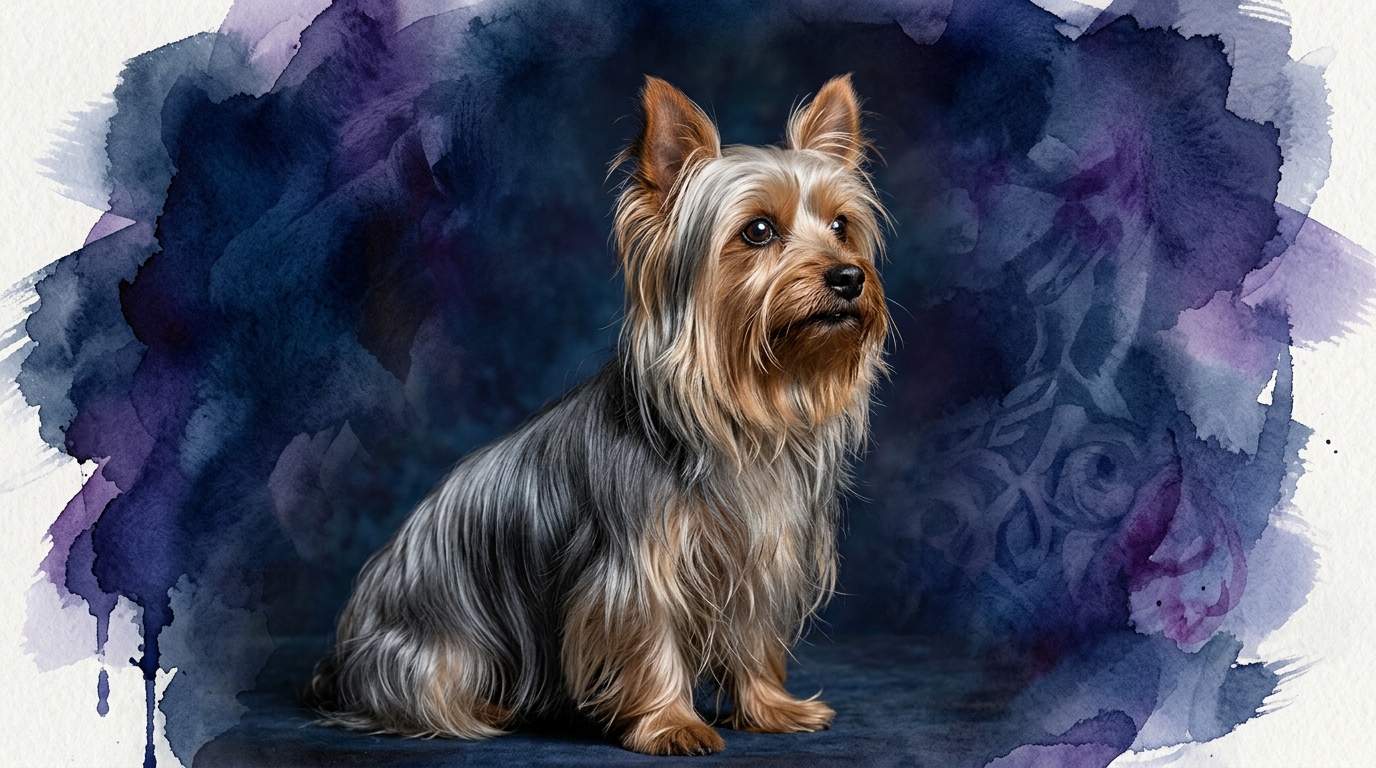
For the **Silky Terrier**, a member of the Toy group, a 3/5 in **Problem Solving** indicates a capacity to navigate moderately complex situations. This often involves figuring out how to reach a desired object or bypass a simple barrier, frequently employing a terrier's characteristic tenacity and determination rather than pure analytical prowess. Their problem-solving is often practical and goal-oriented, especially if the goal is something intriguing like a hidden treat or a perceived 'intruder' in their space.
Their **Training Speed** at 3/5 suggests they learn new commands and routines at a moderate pace. Silky Terriers can grasp concepts efficiently, but their independent spirit and occasional stubbornness mean that consistency and engaging motivation are crucial. They aren't necessarily slow learners, but their willingness to comply can fluctuate, requiring a patient and creative approach from their trainer.
A 3/5 in **Social Intelligence** reflects their ability to read human cues and form strong bonds, typically with their immediate family. Silky Terriers are often attuned to their owner's moods and intentions, responding with affection or alerts as appropriate. However, they can be reserved or cautious with strangers and other animals if not extensively socialized, indicating a more selective social acumen.
Their **Instinctive Drive** also sits at 3/5, manifesting in a noticeable prey drive for small critters, an alert barking tendency, and a desire to patrol their territory. This drive is moderate but ever-present, influencing their reactions to environmental stimuli and their engagement in activities. It's a foundational aspect of their terrier nature, guiding their curiosity and vigilance.
Finally, a 3/5 in **Memory** means Silky Terriers retain learned commands, routines, and experiences reasonably well. They generally remember what they've been taught, but like many breeds, occasional refreshers for less frequently used cues or complex sequences can be beneficial to maintain sharp recall.
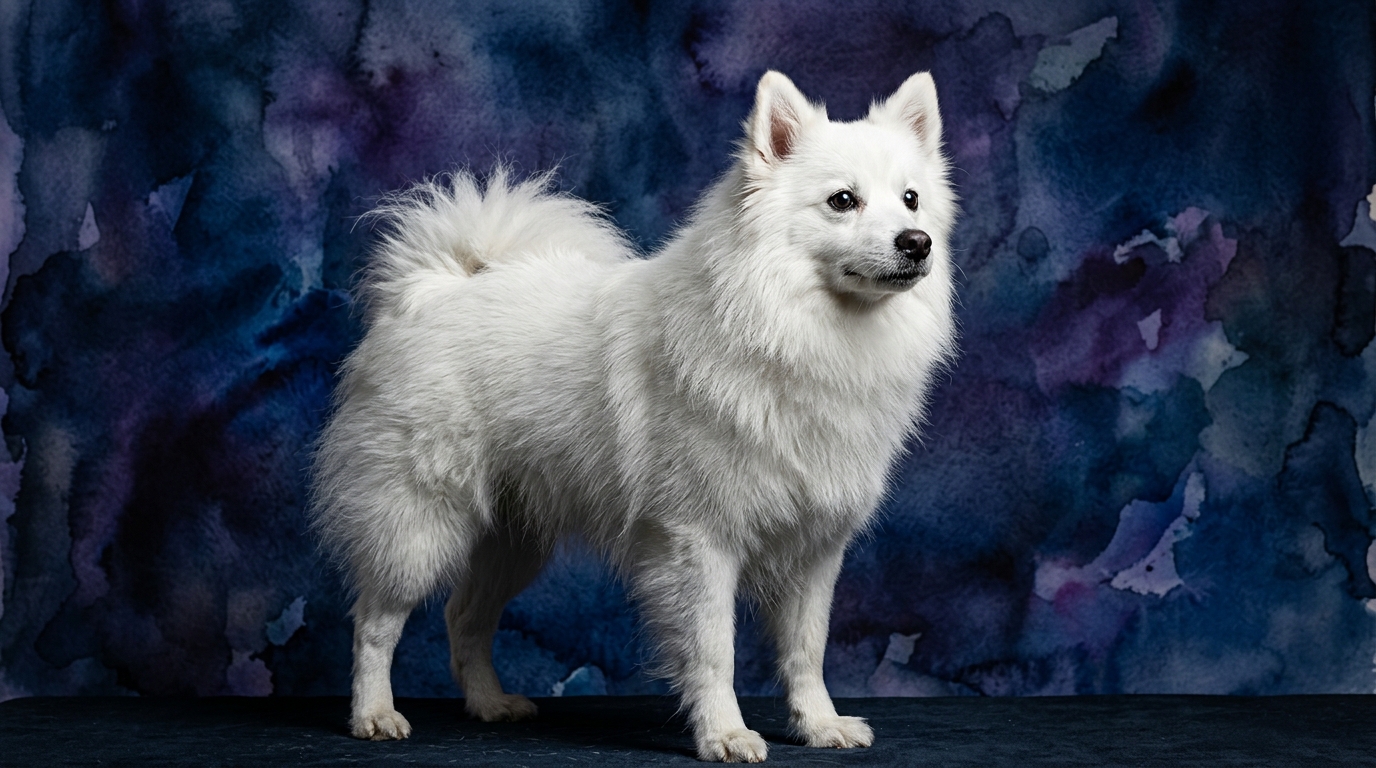
Turning to the **American Eskimo Dog**, from the Non-Sporting group, their 3/5 in **Problem Solving** highlights their cleverness in figuring out cause-and-effect scenarios. Eskies often use their wit to achieve desired outcomes, such as manipulating objects to gain access or understanding household routines to anticipate events. Their problem-solving is often coupled with a desire for interaction and reward, making them strategic in their approach.
Their **Training Speed** at 3/5 indicates a moderate learning curve, yet Eskies often appear to learn quickly due to their eagerness to please and strong motivation for positive reinforcement. They are generally responsive to instruction and enjoy the engagement of learning, though they can develop independent streaks if not consistently challenged and engaged.
A 3/5 in **Social Intelligence** for the American Eskimo Dog means they are quite adept at understanding human emotions and intentions, often forming profound connections with their families. They are typically sensitive to their owners' feelings and responsive to social cues, making them highly empathetic companions. While generally friendly, they can exhibit a reserved nature towards strangers, demonstrating discernment in their social interactions.
Their **Instinctive Drive**, also at 3/5, is centered more around companionship, playful interaction, and alerting. Unlike the terrier's prey drive, the Eskie's drives are often expressed through their desire to be involved in family activities, their vocalizations as watchdogs, and their love for games. They possess a natural inclination to be engaged and contribute to the family unit.
Their **Memory** at 3/5 signifies a good capacity for retaining commands, routines, and significant experiences. American Eskimo Dogs typically have reliable long-term memory for training, which supports their ability to perform complex sequences and maintain good behavior over time, especially when reinforced through consistent practice.
Where the Silky Terrier Shines Cognitively
Despite sharing identical scores, the Silky Terrier often exhibits a unique cognitive advantage rooted in its terrier heritage: tenacious persistence. While their Problem Solving is rated 3/5, their inherent drive means they are less likely to give up on a task once they've committed, particularly if it involves digging, chasing, or investigating. This tenacity can make them appear more independently resourceful in certain scenarios, such as finding a hidden toy or navigating a complex environment to reach a desired location, even without direct human instruction.
Their alertness and quick reaction time also provide a cognitive edge in vigilance. The Silky Terrier's instinctive drive, even at a moderate 3/5, translates into a heightened awareness of their surroundings. They are quick to process novel stimuli and react, making them exceptional small watchdogs. This rapid assessment and response to changes in their environment is a distinct cognitive strength, allowing them to act as effective early warning systems for their households.
Where the American Eskimo Dog Excels Cognitively
The American Eskimo Dog, with its 3/5 social intelligence, often demonstrates superior cognitive flexibility in understanding and responding to complex social cues. Their ability to read human emotions and intentions is often expressed through nuanced behaviors, making them highly intuitive companions. This translates into a sophisticated understanding of their owner's needs, often anticipating actions or offering comfort without explicit commands, a subtle but significant cognitive advantage.
Furthermore, their eagerness for interaction and moderate training speed combine to give them an edge in sustained focus during training and performance tasks. While their individual learning speed is 3/5, the Eskie's desire to engage with their handler and earn praise often leads to more consistent and prolonged periods of attention. This sustained mental engagement allows them to master multi-step commands or complex tricks with greater fluidity, making them strong candidates for canine sports and advanced obedience.
Training Dynamics: Silky Terrier vs. American Eskimo Dog
When considering ease of training, the behavioral differences between these two breeds become more apparent, despite their matching 3/5 training speed scores. The American Eskimo Dog generally presents as an easier dog to train for the average owner due to their inherent eagerness to please and strong desire for companionship. Eskies thrive on positive reinforcement and enjoy the mental stimulation that training provides, often viewing it as a fun, interactive game with their human. Their social intelligence helps them quickly grasp what is expected, making them responsive and cooperative students.
In contrast, the Silky Terrier, while capable of learning at the same pace, can be more challenging due to their independent and often stubborn terrier nature. While they possess good memory and problem-solving skills, their willingness to perform a command is often contingent on their current motivation or what they perceive as more interesting. Training a Silky Terrier requires more patience, creativity, and a willingness to adapt methods to keep them engaged. Their instinctive drives, such as chasing a leaf or barking at a passerby, can easily override their focus on a training session, demanding consistent redirection and a strong, positive relationship to achieve reliable results.
Matching Breeds to Lifestyles: Active vs. Relaxed Owners
For owners with an active lifestyle, both breeds can be suitable, but they cater to different types of activity. The **American Eskimo Dog** thrives with owners who enjoy regular, structured physical activity and mental challenges. They are well-suited for long walks, runs, hiking, and excel in dog sports like agility, obedience, and rally. Their high social intelligence means they genuinely enjoy participating in family activities and being the center of attention, making them ideal for owners who want an engaged, interactive partner for their adventures. They need consistent engagement to prevent boredom and potential destructive behaviors.
The **Silky Terrier**, while energetic and playful, suits a different kind of active owner. They are better suited for owners who appreciate a spirited companion with bursts of energy, enjoying short, frequent play sessions, walks around the neighborhood, or engaging in puzzle toys indoors. Their independent streak means they might be content with shorter, focused periods of activity rather than prolonged, intense exercise. They are excellent companions for owners who appreciate a vigilant, lively dog that provides entertainment and companionship without demanding hours of strenuous outdoor activity daily, as long as their mental stimulation needs are met through varied indoor and outdoor exploration.
The Verdict: When to Choose Each Companion
The Verdict
Choose the Silky Terrier if you seek a small, spirited companion with a tenacious spirit and independent streak, appreciating a vigilant nature and prepared to engage a dog with a mind of its own.
Opt for the American Eskimo Dog if you desire a highly interactive, eager-to-please, and adaptable companion who thrives on social engagement, consistent training, and regular activity.
🧠 Find Your Pet's IQ Score
Our Pet IQ Lab assessment covers 25+ tests across 5 cognitive dimensions — personalized to your breed.
Take the Full IQ Test →Frequently Asked Questions
Are Silky Terriers good at problem-solving?
With a 3/5 rating, Silky Terriers demonstrate moderate problem-solving abilities, particularly those requiring persistence or navigating their environment. Their inherent terrier drive often fuels their determination when faced with a challenge, making them resourceful in practical situations.
How does the American Eskimo Dog's social intelligence manifest?
American Eskimo Dogs, rated 3/5 in social intelligence, are adept at reading human emotions and intentions, fostering deep family bonds. This often translates to a nuanced understanding of their owner's moods and a desire to interact appropriately, making them highly empathetic companions.
Which breed learns new commands faster in practice?
While both breeds are rated 3/5 for training speed, the American Eskimo Dog's eagerness to please and desire for interaction often makes the training process feel smoother and more consistent. The Silky Terrier's independent nature can sometimes require more creative motivation to maintain focus during sessions.