Side-by-Side IQ Profile: Decoding Shared Scores
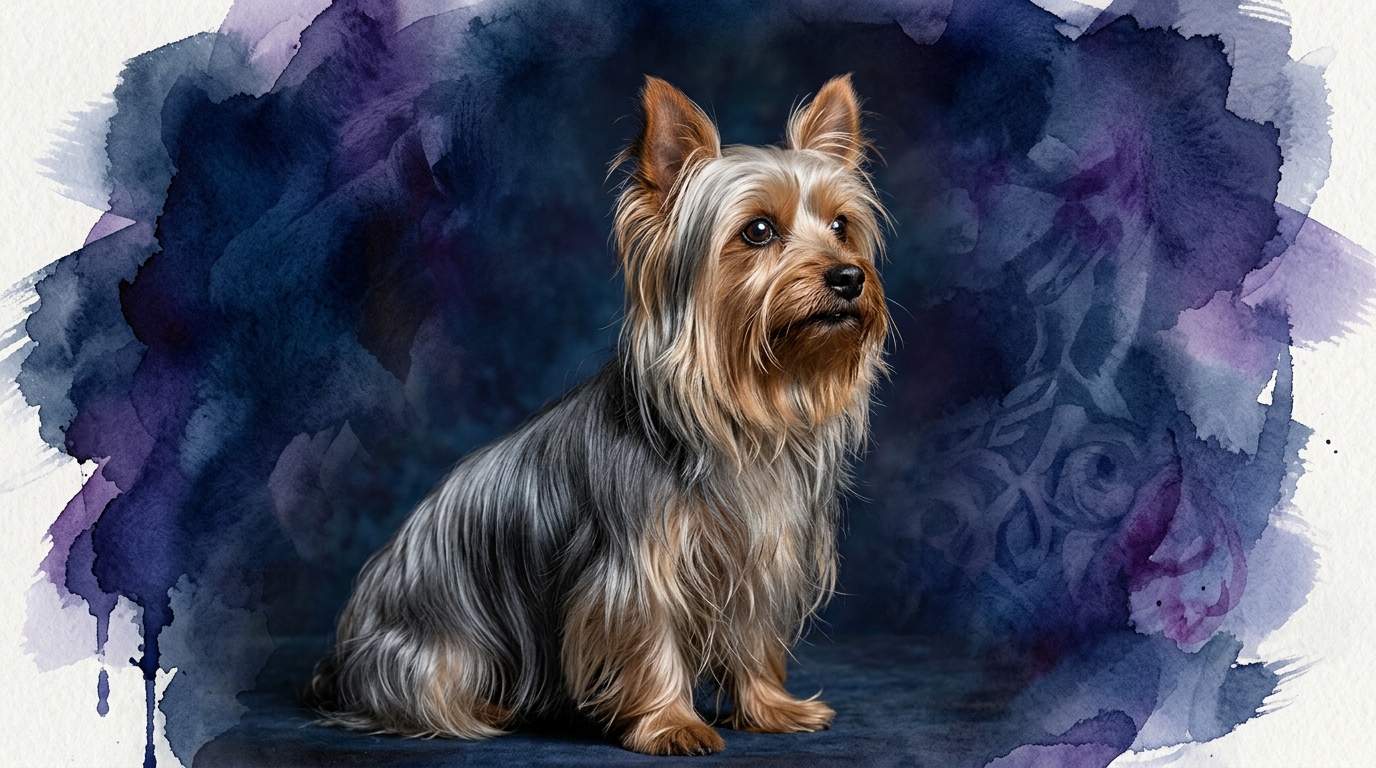
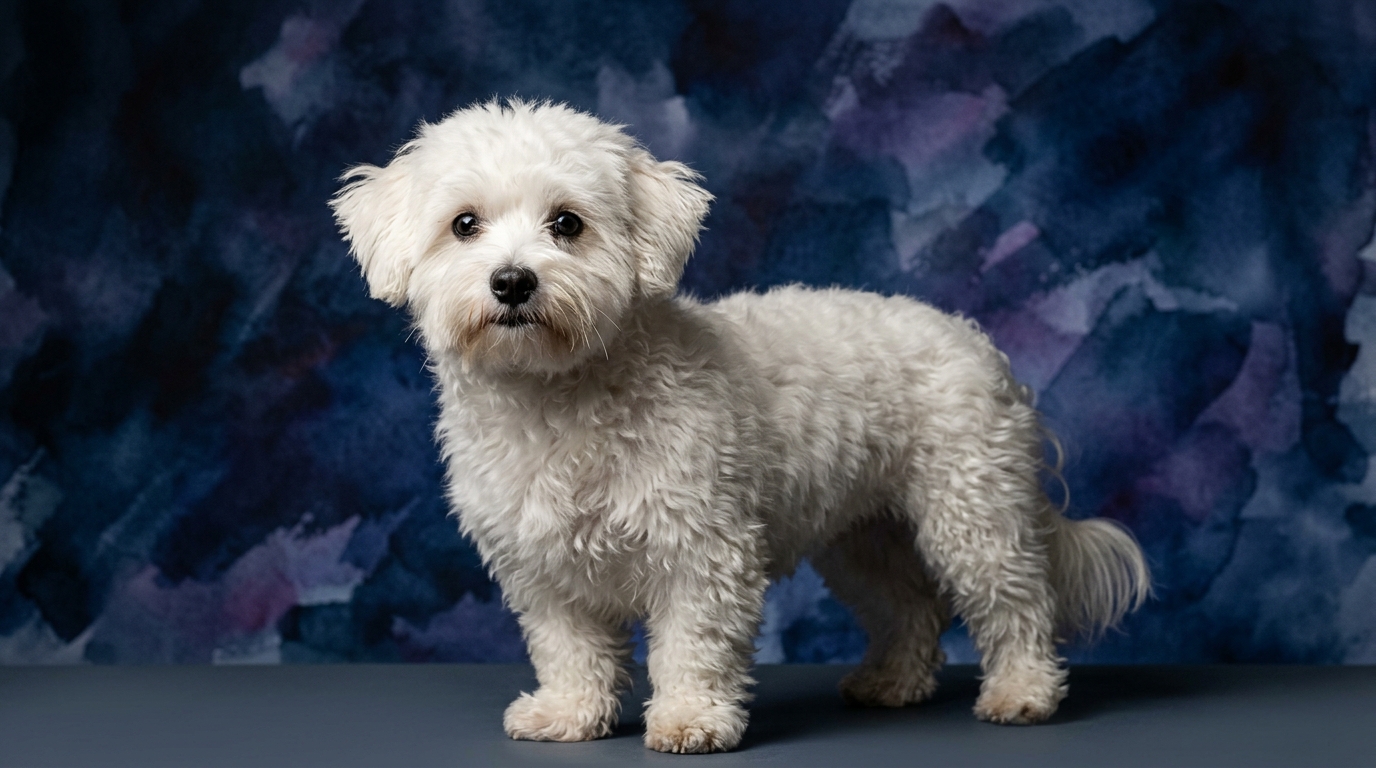
While both the Silky Terrier and the Coton de Tuléar achieve a consistent 3/5 across our cognitive metrics, understanding what this means for each breed requires a closer look at their individual temperaments and historical roles. A '3' on our scale indicates a solid, functional level of ability, neither exceptionally brilliant nor unusually challenged, providing a foundation for adaptable and engaging companionship.
For **Problem Solving (3/5)**, the Silky Terrier often applies this to navigating complex environments or strategizing to obtain a desired object, perhaps a hidden treat or a toy out of reach. Their terrier tenacity means they might persist longer in physical challenges. The Coton de Tuléar, on the other hand, might use their problem-solving skills to master intricate puzzle toys, or subtly manipulate their owners for attention or play, demonstrating a nuanced understanding of social cues.
In **Training Speed (3/5)**, the Silky Terrier typically grasps new commands at a moderate pace, particularly when the training is engaging and consistent, though their independent streak can sometimes introduce a playful resistance. The Coton de Tuléar also learns at a steady rate, often motivated by a desire to please their human companions, though they can be sensitive to harsh methods and might become distracted if not properly engaged.
**Social Intelligence (3/5)** in the Silky Terrier manifests as a keen awareness of their surroundings and the moods of their immediate family, often acting as a vigilant alarm system and forming strong, protective bonds. The Coton de Tuléar's social intelligence shines through their exceptional empathy and ability to integrate smoothly into family dynamics, often tuning into human emotions and offering comfort or playful interaction precisely when needed.
Their **Instinctive Drive (3/5)** differs in expression: the Silky Terrier retains a notable prey drive, evident in their enthusiasm for chasing small critters (or toys that mimic them) and their inclination to dig. The Coton de Tuléar, bred primarily as a companion, exhibits a more generalized drive towards play, social interaction, and vocal alerting, rather than strong predatory instincts.
Finally, **Memory (3/5)** for both breeds means they reliably recall commands, routines, and experiences. A Silky Terrier will remember where they last buried a toy or a preferred walking route, while a Coton de Tuléar will remember the specific cues that lead to their favorite game or the individuals who provide the best cuddles, demonstrating a strong recall for rewarding interactions.
Where the Silky Terrier Excels Cognitively
Despite identical scores, the Silky Terrier's cognitive strengths often lean into their terrier heritage. Their 3/5 in problem-solving often translates into a robust ability to navigate physical challenges and demonstrate resourcefulness in novel situations. This isn't about raw processing power being superior, but rather a tenacious application of their cognitive capacity towards exploration and overcoming obstacles. They might be quicker to figure out how to escape a pen or retrieve a toy from a tight space, driven by their inherent curiosity and a certain 'can-do' attitude.
Furthermore, their instinctive drive, even at a 3/5, lends itself to a heightened environmental awareness. This means a Silky Terrier can be remarkably alert to subtle changes in their surroundings, processing sensory information quickly to identify potential 'intruders' or interesting scents. This quick cognitive processing of external stimuli makes them excellent, albeit sometimes vocal, watchdogs, showcasing a practical application of their observational intelligence.
Where the Coton de Tuléar Excels Cognitively
The Coton de Tuléar's cognitive advantages, even with matching scores, are deeply rooted in their history as devoted companions. Their 3/5 social intelligence often manifests as a superior capacity for emotional attunement and adaptability within a family unit. They excel at reading human body language and vocal tones, allowing them to adjust their behavior to suit the mood of the household more seamlessly than many other breeds. This isn't a higher score, but a more refined application of social understanding, making them incredibly intuitive pets.
Their problem-solving at 3/5 often leans towards social problem-solving or manipulating their environment through charm. A Coton might figure out the precise sequence of nudges, gazes, or soft barks to get what they want from their owner, demonstrating a sophisticated understanding of cause and effect in human interaction. Their memory, also a 3/5, often seems particularly strong for positive reinforcement cues and the routines that lead to pleasurable activities, making them appear particularly eager to engage in familiar, rewarding interactions.
Which is Easier to Train and Why?
Determining which breed is 'easier' to train, despite their identical 3/5 training speed, comes down to their underlying motivations and temperaments. The Coton de Tuléar generally presents as easier for a first-time or less experienced owner due to their inherent desire to please and their sensitivity to human emotions. They respond exceptionally well to positive reinforcement, gentle guidance, and reward-based methods. Their social intelligence makes them keen observers of their trainer's cues and intentions, often eager to cooperate to maintain a harmonious relationship. They thrive on praise and connection, making training feel like a shared, enjoyable activity.
The Silky Terrier, while capable of learning quickly, often requires a more consistent, engaging, and sometimes firmer approach. Their terrier independence means they can be more easily distracted by environmental stimuli or might choose to 'negotiate' commands if they don't immediately see the value. Their problem-solving skills might even be applied to finding ways around commands if not properly motivated. Training a Silky demands patience, creativity to keep them interested, and a clear, confident leader who can channel their spirited energy effectively. While both learn at a moderate pace, the Coton's natural inclination towards partnership often makes the training journey feel smoother for the average owner.
Suitability for Active vs. Relaxed Owners
The choice between a Silky Terrier and a Coton de Tuléar also hinges on an owner's lifestyle and energy levels. The Silky Terrier, with its terrier lineage and robust 3/5 instinctive drive, is better suited for active owners. They possess a surprising amount of energy for their small size and thrive on consistent physical activity, such as brisk walks, engaging play sessions, and even dog sports like agility or earthdog trials. Their cognitive engagement requires varied experiences and mental challenges to prevent boredom and potential mischievous behaviors. They need owners who are prepared for an adventurous, curious companion who enjoys exploring and being on the go.
The Coton de Tuléar, conversely, is incredibly adaptable and can fit well into both moderately active and more relaxed households. While they enjoy playtime and daily walks, their primary need is for social interaction and companionship. Their 3/5 social intelligence means they are content to cuddle on the couch, but also happy to participate in gentle games or short strolls. They are less demanding in terms of strenuous physical exercise and more focused on being a constant, loving presence. They suit owners who desire a devoted companion to share their daily life, whether that involves quiet evenings or moderate outdoor adventures, prioritizing closeness and emotional connection.
The Verdict
Choose the Silky Terrier if you are an active, consistent owner seeking a tenacious, curious, and spirited companion who enjoys mental challenges and physical engagement.
Opt for the Coton de Tuléar if you desire a highly adaptable, emotionally attuned, and devoted companion who thrives on social interaction and gentle companionship, fitting seamlessly into a variety of lifestyles.
🧠 Find Your Pet's IQ Score
Our Pet IQ Lab assessment covers 25+ tests across 5 cognitive dimensions — personalized to your breed.
Take the Full IQ Test →Frequently Asked Questions
Do Silky Terriers and Coton de Tuléars have similar exercise needs?
No, their exercise needs differ notably. Silky Terriers require more vigorous and consistent physical and mental stimulation due to their terrier energy, while Coton de Tuléars are more adaptable and content with moderate activity supplemented by significant social interaction.
Are both breeds good with children?
Both can be good with children, but their approaches differ. Cotons are generally known for their gentle and tolerant nature, often making them excellent family pets, while Silkys can be more spirited and require proper socialization to ensure positive interactions with younger family members.
Which breed is more prone to separation anxiety?
The Coton de Tuléar, being a dedicated companion breed, can be more prone to separation anxiety if left alone for extended periods due to their strong desire for constant human company. Silky Terriers, while affectionate, tend to be a bit more independent and may cope better with moderate alone time, provided they receive sufficient engagement when their owners are present.