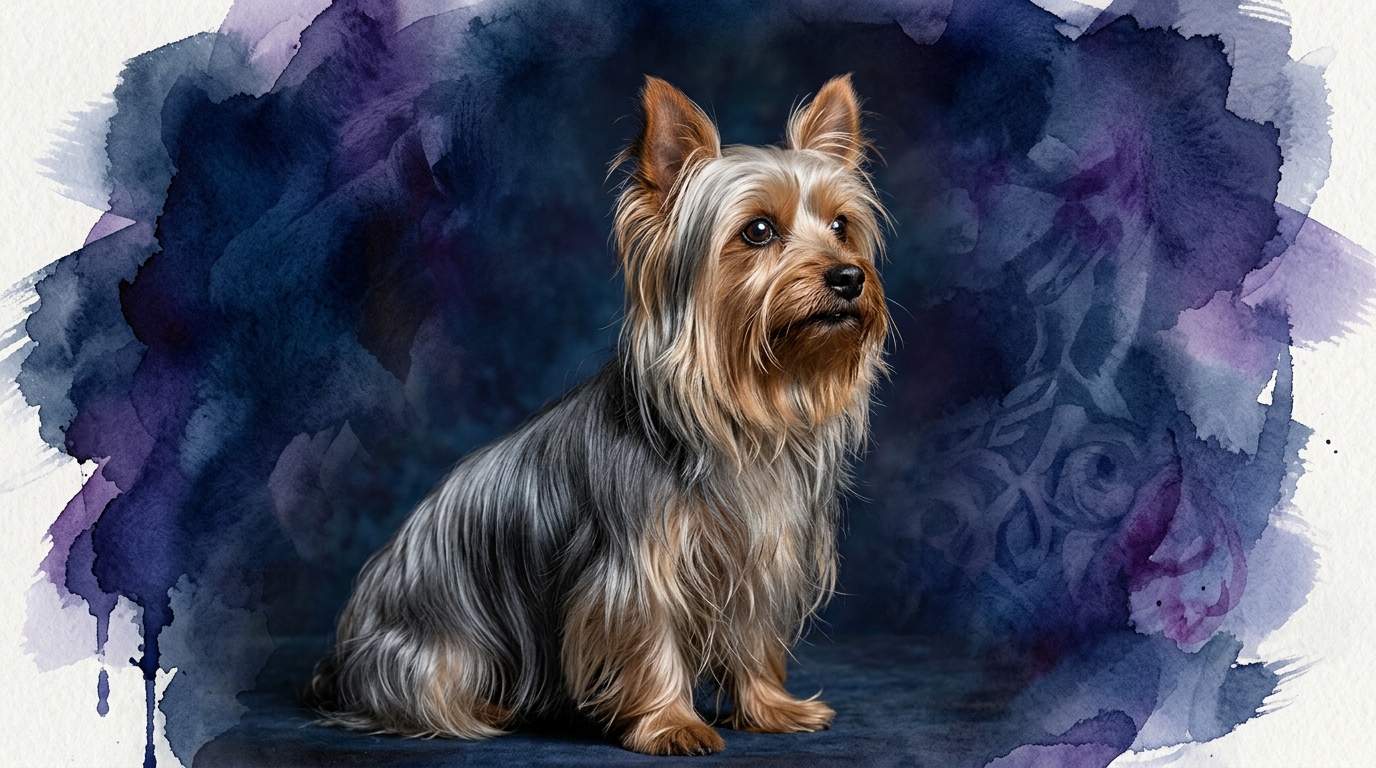
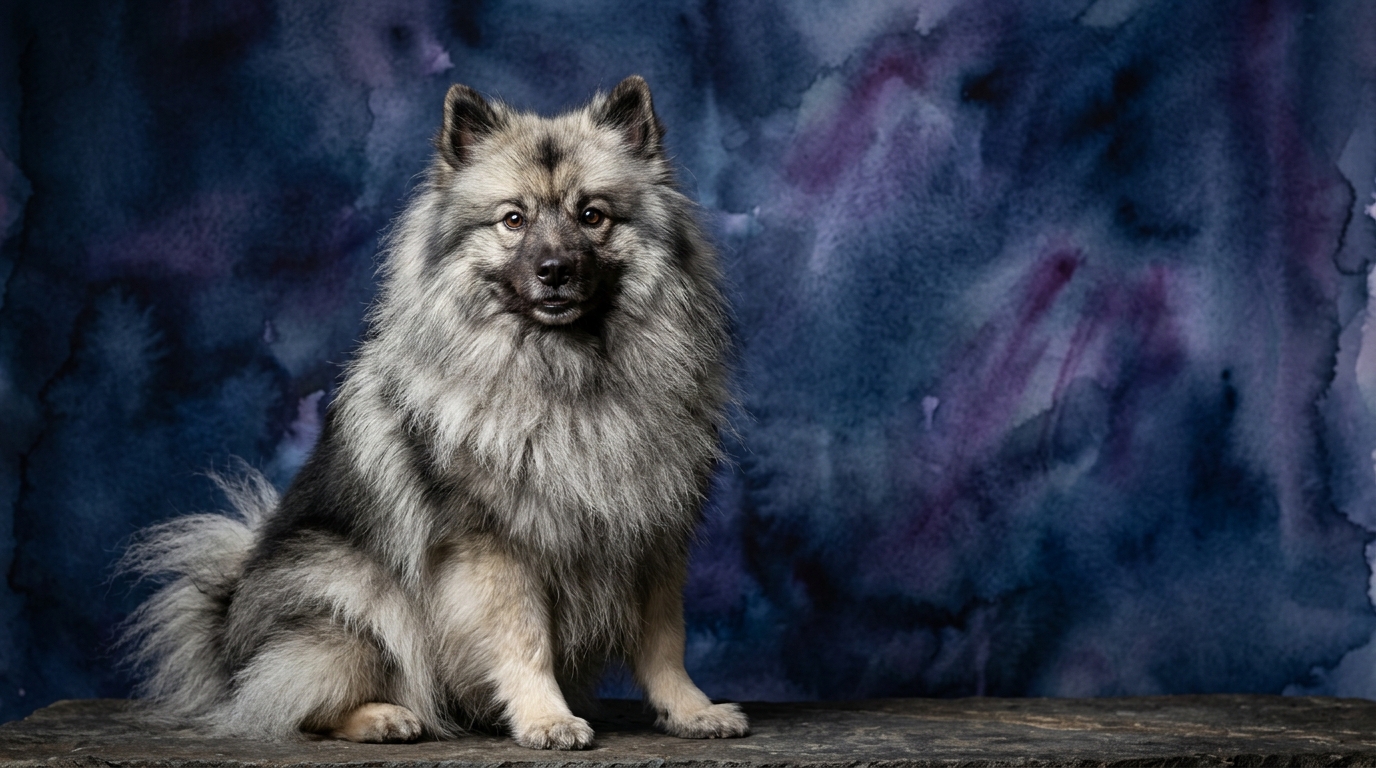
Side-by-Side Cognitive Profiles: Silky Terrier vs. Keeshond
The Silky Terrier, a compact member of the Toy group, presents a balanced yet distinct cognitive profile. Our IQ Lab assessment places them at a 3 out of 5 across all five dimensions: problem-solving, training speed, social intelligence, instinctive drive, and memory. This suggests a dog that is reasonably resourceful in navigating their environment and understanding simple causal relationships. Their training speed indicates a moderate pace for learning new commands, requiring consistent and engaging methods to solidify new behaviors. While not top-tier in any single cognitive area, this consistent scoring suggests a well-rounded and adaptable mind, capable of engaging with their world in a practical, terrier-typical fashion.
In contrast, the Keeshond, from the Non-Sporting group, exhibits a notably elevated cognitive capacity, reflected in their Coren rank of #16, placing them among breeds with superior working and obedience intelligence. Their problem-solving ability scores a strong 4 out of 5, indicating a more sophisticated capacity for independent thought and strategic thinking when faced with novel challenges. Training speed also rates a 4 out of 5, suggesting a quicker grasp of new instructions and a greater eagerness to learn. Perhaps their most impressive attribute is a perfect 5 out of 5 in memory, implying an exceptional ability to retain complex sequences, commands, and experiences over time. Their social intelligence and instinctive drive, like the Silky, register at a 3 out of 5, highlighting a balanced social awareness and a moderate expression of their historical roles as companion and watchdogs.
The Silky Terrier's Cognitive Edge
While the Keeshond generally scores higher, the Silky Terrier's particular cognitive blend offers distinct advantages, especially considering their terrier heritage. Their 3/5 problem-solving score, combined with a persistent terrier drive, means they can be remarkably ingenious in finding ways to achieve their goals, whether that's digging under a fence or outsmarting a puzzle toy designed for larger breeds. This resourcefulness, despite not being the highest numerical score, is amplified by their compact size and agility, allowing them to navigate and manipulate their environment in ways a larger, less tenacious dog might not. Their moderate social intelligence (3/5) often manifests as a discerning nature, making them excellent at reading subtle cues from their primary caregivers, forming deep, nuanced bonds rather than being overtly gregarious with all.
Furthermore, the Silky's consistent 3/5 across all categories points to a balanced and adaptable cognitive function. They are not prone to overthinking or excessive rumination, which can sometimes be a trait of dogs with higher problem-solving scores. Instead, they operate with a practical intelligence, quick to react and adjust to immediate circumstances. This blend makes them less likely to become bored or frustrated by repetitive tasks than some more cognitively demanding breeds, yet they possess enough mental capacity to enjoy engagement and learning. Their instinctive drive, also 3/5, channels their terrier spirit into purposeful activities, whether it's "hunting" for toys or patrolling their territory with vigilant focus.
Where the Keeshond Shines Cognitively
The Keeshond's cognitive strengths are particularly evident in their superior capacity for learning and retention. Their Coren ranking of #16 is not merely an accolade; it reflects a breed that consistently demonstrates a strong desire and ability to understand and execute human commands. With a training speed of 4/5, Keeshonden typically grasp new instructions with remarkable swiftness, often requiring fewer repetitions than many other breeds. This makes them exceptionally rewarding for owners who enjoy teaching complex tricks, participating in dog sports like obedience or agility, or simply appreciating a dog that quickly understands household rules and routines.
The Keeshond's unparalleled memory, scoring a perfect 5 out of 5, is perhaps their most defining cognitive asset. This extraordinary retention means they not only learn quickly but also remember what they've learned for extended periods, even after long breaks from training. They recall past experiences, positive and negative, which contributes to their consistent behavior and reliability once a concept is ingrained. This formidable memory also plays a significant role in their problem-solving abilities (4/5); they can apply past solutions to new situations or remember complex steps to achieve a desired outcome. For an owner seeking a canine companion who can recall a vast repertoire of commands and adapt learned behaviors to new contexts, the Keeshond's memory is a significant advantage. Their social intelligence (3/5) allows them to engage appropriately with their family, while their instinctive drive (3/5) often translates into a keen awareness of their surroundings, making them excellent, perceptive watchdogs.
Trainability: A Tale of Two Approaches
When it comes to trainability, the Keeshond generally presents a smoother path due to their higher scores in training speed and memory. Their 4/5 training speed means they pick up new commands and routines with greater alacrity, often showing a clear eagerness to please and understand. This makes them highly responsive to positive reinforcement and structured training methods, allowing owners to progress through obedience lessons more rapidly and tackle more advanced concepts. Their 5/5 memory ensures that once a command or behavior is learned, it is retained exceptionally well, reducing the need for constant refreshers and reinforcing the dog's reliability. For instance, a Keeshond taught a "stay" command will likely maintain that behavior consistently over time and across different environments, thanks to their robust recall of the instruction.
The Silky Terrier, with a 3/5 training speed and memory, requires a more patient and nuanced approach. While perfectly capable of learning, their progress may be slower, and lessons might need more frequent repetition to stick. Their inherent terrier independence, stemming from their instinctive drive, means they might occasionally prioritize their own interests over immediate compliance, especially if the training isn't consistently engaging or sufficiently rewarding. For example, a Silky might understand "come" but choose to investigate an interesting scent first, requiring the owner to build a stronger motivational foundation and make the "come" command irresistible. Successful training with a Silky often involves shorter, more frequent sessions, a variety of rewards, and a keen understanding of their tenacious, spirited nature.
Lifestyle Match: Active vs. Relaxed Owners
The Silky Terrier, despite its smaller stature, often suits owners who appreciate a lively and mentally engaging companion, aligning with their balanced 3/5 cognitive profile across the board. Their problem-solving and instinctive drive scores suggest a dog that enjoys having "work" to do, even if that work is navigating a complex home environment or engaging with interactive toys. While they don't demand hours of strenuous exercise, they thrive on consistent mental stimulation to prevent boredom, which could manifest as creative (and sometimes undesirable) problem-solving, like finding ways to access forbidden areas. An active owner for a Silky isn't necessarily a marathon runner, but someone who provides structured play, short training sessions, and opportunities for exploration, tapping into their terrier curiosity and moderate energy levels.
The Keeshond, with its superior problem-solving, training speed, and memory, equally thrives with owners who are prepared to engage their intellect. Their higher cognitive capacity means they can become bored or under-stimulated if left without mental challenges, potentially leading to behaviors like excessive barking or finding their own "entertainment." They are well-suited for owners who enjoy consistent training, participation in dog sports, or simply engaging in regular, stimulating activities like advanced puzzle toys or learning new tricks. While their energy level is moderate, it's their mental activity that truly needs an outlet. They are not necessarily a breed for a completely relaxed owner who prefers minimal interaction; a Keeshond will flourish with an owner who can provide consistent, engaging mental enrichment, appreciating their capacity for learning and their desire to be involved.
The Verdict: Choosing Your Cognitive Companion
Choosing between a Silky Terrier and a Keeshond hinges significantly on the owner's readiness to engage with their distinct cognitive styles and energy levels. For those who appreciate a spirited, tenacious companion with a balanced, practical intelligence, the Silky Terrier is an excellent fit. They offer a delightful blend of independent thought and affectionate loyalty, requiring an owner who enjoys consistent, positive reinforcement and can channel their terrier wit into constructive activities. An owner who understands their moderate learning pace and embraces their discerning social nature will find a deeply rewarding bond.
The Keeshond, on the other hand, is an ideal choice for owners seeking a highly trainable, exceptionally memorable, and intellectually eager partner. Their superior capacity for learning and retention makes them a joy for anyone interested in advanced obedience, dog sports, or simply a canine companion who quickly grasps and consistently adheres to household routines. They thrive with owners who are committed to providing regular mental challenges and appreciate a dog that remembers every lesson, valuing a companion whose cognitive abilities allow for sophisticated communication and a reliable, well-behaved presence.
The Verdict
Choose the Silky Terrier if you appreciate a tenacious, resourceful companion with a balanced, practical intelligence, and you are prepared for consistent, engaging training to channel their spirited nature. They excel with owners who value independent thought and a discerning social bond in a compact package.
Opt for the Keeshond if you seek a highly trainable and exceptionally memorable partner who quickly grasps complex commands and retains them for life. Their superior cognitive abilities thrive with owners dedicated to providing regular mental challenges and enjoying advanced obedience or dog sports.
🧠 Find Your Pet's IQ Score
Our Pet IQ Lab assessment covers 25+ tests across 5 cognitive dimensions — personalized to your breed.
Take the Full IQ Test →Frequently Asked Questions
Is the Silky Terrier difficult to train due to its 3/5 training speed?
No, the Silky Terrier is not difficult, but they require a more patient and engaging approach than breeds with higher training speed scores. Their 3/5 training speed means lessons may need more repetition and consistent positive reinforcement to be effective, channeling their spirited terrier nature positively.
How does the Keeshond's 5/5 memory impact daily life?
The Keeshond's exceptional 5/5 memory means they quickly learn and reliably recall commands, routines, and past experiences, making them consistent in their behavior. This attribute significantly contributes to their ease of training and overall reliability, as they rarely "forget" what they've been taught.
Do Silky Terriers and Keeshonden have similar social intelligence?
Both breeds score a 3/5 in social intelligence, indicating a moderate capacity for reading cues and interacting. For the Silky, this often means a discerning nature and deep bonds with family, while the Keeshond is typically friendly but can be reserved with strangers, both exhibiting appropriate social awareness.