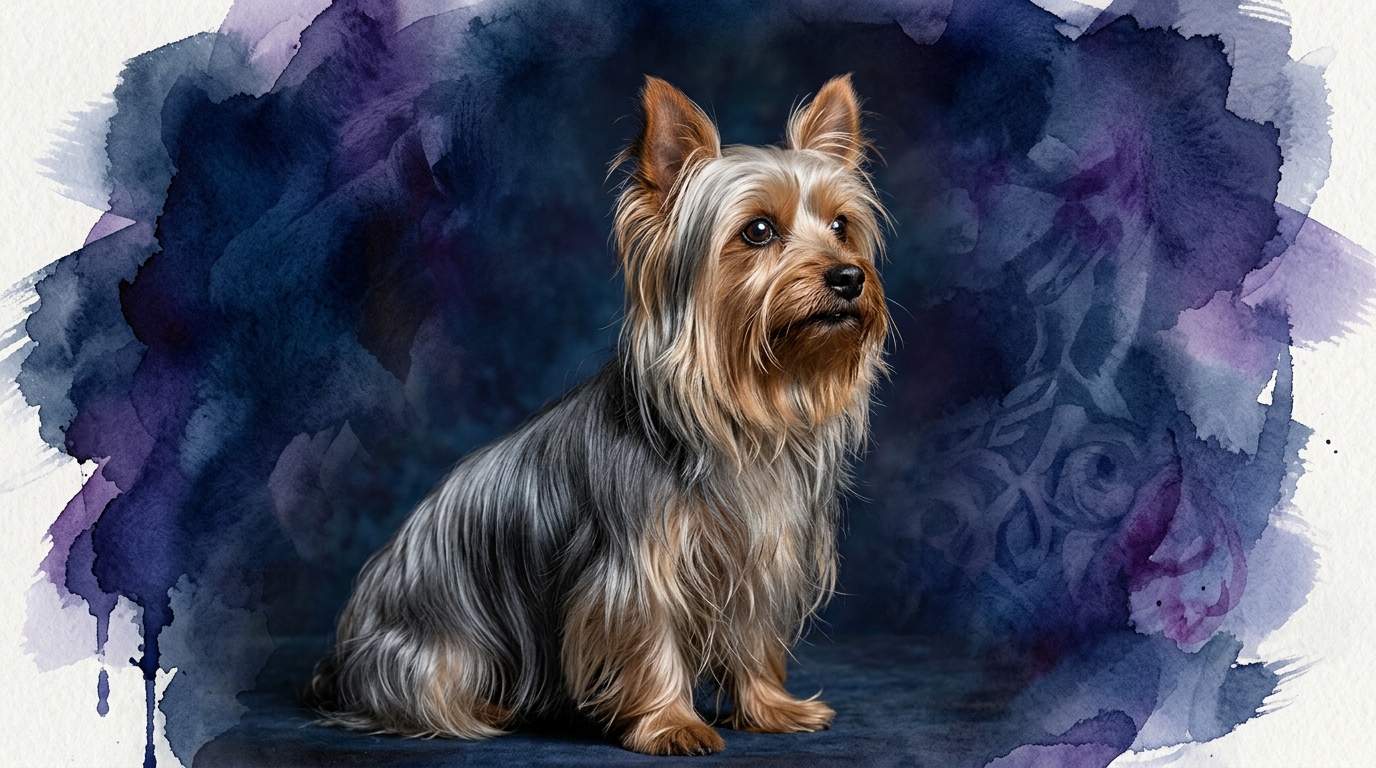

Side-by-Side Cognitive Profile: Decoding the 3/5 Score
On The Cosmic Pet Pet IQ Lab scale, both the Silky Terrier and the Polish Lowland Sheepdog land consistently at a 3 out of 5 across all five measured cognitive dimensions. This identical numerical rating doesn't imply identical mental processes, but rather a comparable level of aptitude expressed through their unique breed lenses. Understanding what a '3/5' means for each requires looking beyond the number and into their inherent nature.
For Problem Solving (3/5), the Silky Terrier often exhibits this by cleverly navigating the complexities of a domestic environment, perhaps figuring out how to access a coveted toy or manipulate a human for attention. Their resourcefulness typically shines in a compact, indoor setting, adapting quickly to new household rules or finding shortcuts to their desires. The Polish Lowland Sheepdog, conversely, might apply its problem-solving acumen to understanding spatial relationships in a larger territory or making independent decisions that benefit their perceived 'flock,' such as anticipating movements or finding optimal routes during a simulated herding task. Their solutions often involve broader environmental assessment.
Regarding Training Speed (3/5), the Silky Terrier is capable of learning a wide array of commands and tricks, particularly when training is made into an engaging, positive experience. While they possess a keen mind, their inherent terrier independence means they might not always offer instant, robotic compliance, requiring consistent, patient, and rewarding methods to solidify behaviors. The Polish Lowland Sheepdog, too, demonstrates a capacity for learning complex sequences, especially those that align with a purpose or task. However, their thoughtful and sometimes reserved nature can lead to a more deliberate processing of commands, not necessarily a slower understanding, but a need to assess and commit to the action.
Social Intelligence (3/5) in a Silky Terrier manifests as a sharp perception of human emotions and household dynamics, often using this understanding to foster close bonds or elicit desired interactions. They are adept at reading subtle cues from their family members, making them highly responsive companions within their intimate circle. The Polish Lowland Sheepdog's social intelligence, while often expressed with a more reserved demeanor, involves a keen observation of social hierarchies and intentions within their human family and with other animals. They process social information with a watchful, protective lens, assessing situations before engaging, reflecting their historical role as guardians.
The Instinctive Drive (3/5) of the Silky Terrier is deeply rooted in its terrier heritage, displaying a pronounced desire to chase small prey, dig, and explore. This drive translates into an energetic engagement with toys, a love for interactive games, and a spirited approach to their surroundings. For the Polish Lowland Sheepdog, this dimension reflects their strong herding instinct, which can manifest as a desire to gather, control, and protect their family members or other pets. This inherent drive underpins their watchful nature and their need for a constructive outlet or 'job' to feel fulfilled.
Finally, Memory (3/5) in the Silky Terrier means they effectively retain learned commands, established routines, and both positive and negative experiences. They remember individuals and places well, which contributes significantly to their adaptability and the deep loyalty they form with their families. The Polish Lowland Sheepdog also demonstrates good recall, particularly for complex tasks, established routes, and past interactions. This robust memory is critical for their historical working roles, allowing them to retain intricate patterns and expectations over extended periods, making them reliable in their duties.
Where the Silky Terrier Shines Cognitively
The Silky Terrier truly excels in its capacity for intimate domestic interaction and navigating social nuances within a close-knit human family. Their problem-solving acumen is often geared towards achieving personal comfort or gaining attention, demonstrating a charming manipulative streak to get what they want from their humans. This isn't about complex abstract thought, but rather an astute understanding of cause-and-effect in their immediate environment, such as figuring out how to get onto a favorite couch or using vocalizations to prompt a game. Their social intelligence, while rated 3/5, is particularly refined for understanding and responding to the subtle emotional shifts of their primary caregivers, fostering a deeply empathetic bond that makes them highly perceptive companions. They are quick to learn household routines and leverage this knowledge for their benefit, showcasing a memory that reinforces their position as a cherished, interactive family member.
Where the Polish Lowland Sheepdog Excels Cognitively
The Polish Lowland Sheepdog's cognitive strengths lie in its independent decision-making and a broader, more strategic approach to its environment. Their problem-solving, also rated 3/5, is often manifested in assessing complex situations from a watchful distance and making choices that reflect their protective instincts, whether it's managing a perceived threat or understanding the flow of a large space. This is a dog that thinks before it acts, weighing options with a sense of purpose. Their social intelligence, while reserved, involves a profound understanding of group dynamics and a protective vigilance over their 'flock' – their human family. They remember intricate spatial information, complex multi-step tasks, and the layout of their territory with remarkable clarity, an essential trait for a historical working breed. This dog's intellect is less about charming manipulation and more about reliable, thoughtful action and strategic awareness.
Training Dynamics: Silky Terrier vs. Polish Lowland Sheepdog
When it comes to ease of training, both breeds present unique considerations despite their identical 3/5 training speed score. The Silky Terrier, with its lively demeanor and desire for engagement, can be quick to pick up basic obedience commands and tricks, especially when training is made fun and highly rewarding. Their readiness to interact and please their beloved humans can make initial training sessions feel responsive. However, their inherent terrier independence and a tendency to be easily distracted by their instinctive drive (e.g., chasing a squirrel) mean that consistency, patience, and creative, positive reinforcement are crucial. Training needs to be an engaging collaboration to overcome their spirited, sometimes stubborn, streak; they respond best to praise and attention, thriving on interactive learning.
The Polish Lowland Sheepdog, on the other hand, is highly capable of learning complex tasks, particularly those that tap into their innate working instincts. Their thoughtful, discerning nature means they may not always respond with immediate, eager compliance. They often need to understand the 'why' behind a command or perceive a clear purpose in the instruction. This isn't a lack of understanding, but rather a characteristic deliberation. Training a PLSD requires building a strong foundation of trust and mutual respect, with consistent, clear expectations and a calm, patient approach. While they might not be as eager for flashy tricks, they excel at reliable, purposeful actions and can retain intricate commands over time, making them suitable for advanced obedience or working roles once the bond and understanding are established. Their herding drive, if not channeled, can manifest as independent decision-making that might be perceived as stubbornness in a training context.
Matching Lifestyles: Active vs. Relaxed Owners
Selecting between these two breeds also hinges significantly on an owner's lifestyle and activity level. The Silky Terrier, despite its small size, is far from a sedentary lapdog. It thrives with moderately active owners who are prepared for daily walks, engaging playtime, and consistent mental stimulation. Their spirited nature and keen intelligence mean they require outlets for their energy and curiosity; without sufficient engagement, they can become bored and potentially develop undesirable behaviors like excessive barking or destructive chewing. They adapt well to apartment living, provided their physical and mental needs are met through regular outdoor excursions and interactive indoor activities. They are best suited for owners who enjoy having an active, involved companion who participates in family life.
The Polish Lowland Sheepdog, conversely, is an ideal match for active, experienced owners who understand and are prepared to channel a significant working drive. Originating as herding dogs, they possess considerable energy and a profound need for both physical exertion and mental engagement. They excel in structured activities such as agility, obedience, rally, and, naturally, herding trials. These dogs require consistent training, early and thorough socialization, and a defined 'job' or purpose to be well-adjusted and content. A relaxed or novice owner might find the PLSD's independent nature, watchful instincts, and high energy levels challenging to manage, potentially leading to an unfulfilled and boisterous companion. They thrive in environments where they have space to roam and a role to play, making them less suitable for purely sedentary lifestyles.
The Verdict: When to Choose Each Companion
The Verdict
Choose a Silky Terrier if you're seeking a spirited, highly interactive companion for a moderately active household, valuing a dog that's perceptive to family dynamics and brings charming engagement to daily life.
Opt for a Polish Lowland Sheepdog if you are an active, experienced owner prepared to dedicate time to channeling a strong working drive into purposeful activities, valuing an independent, watchful thinker with a need for mental stimulation and a clear role.
🧠 Find Your Pet's IQ Score
Our Pet IQ Lab assessment covers 25+ tests across 5 cognitive dimensions — personalized to your breed.
Take the Full IQ Test →Frequently Asked Questions
Are Silky Terriers good apartment dogs?
Yes, Silky Terriers can adapt well to apartment living provided they receive adequate daily exercise, mental stimulation, and consistent training to manage their terrier energy and vocal tendencies. Their small size makes them physically suitable, but their active minds require engagement beyond just a small space.
Do Polish Lowland Sheepdogs shed a lot?
Polish Lowland Sheepdogs have a dense, shaggy double coat that sheds moderately year-round, with heavier shedding periods typically twice a year. Regular grooming, including thorough brushing several times a week, is essential to prevent matting and manage the amount of loose hair in the home.
How do these breeds compare in terms of vocalization?
Silky Terriers tend to be more vocal, often barking at perceived threats, new sounds, or for attention, reflecting their alert terrier nature. Polish Lowland Sheepdogs are also watchful and can be vocal guardians, but their barking is generally more deliberate and tied to their protective instincts rather than constant chatter.