Side-by-Side Cognitive Profiles: Silky Terrier vs. Schipperke
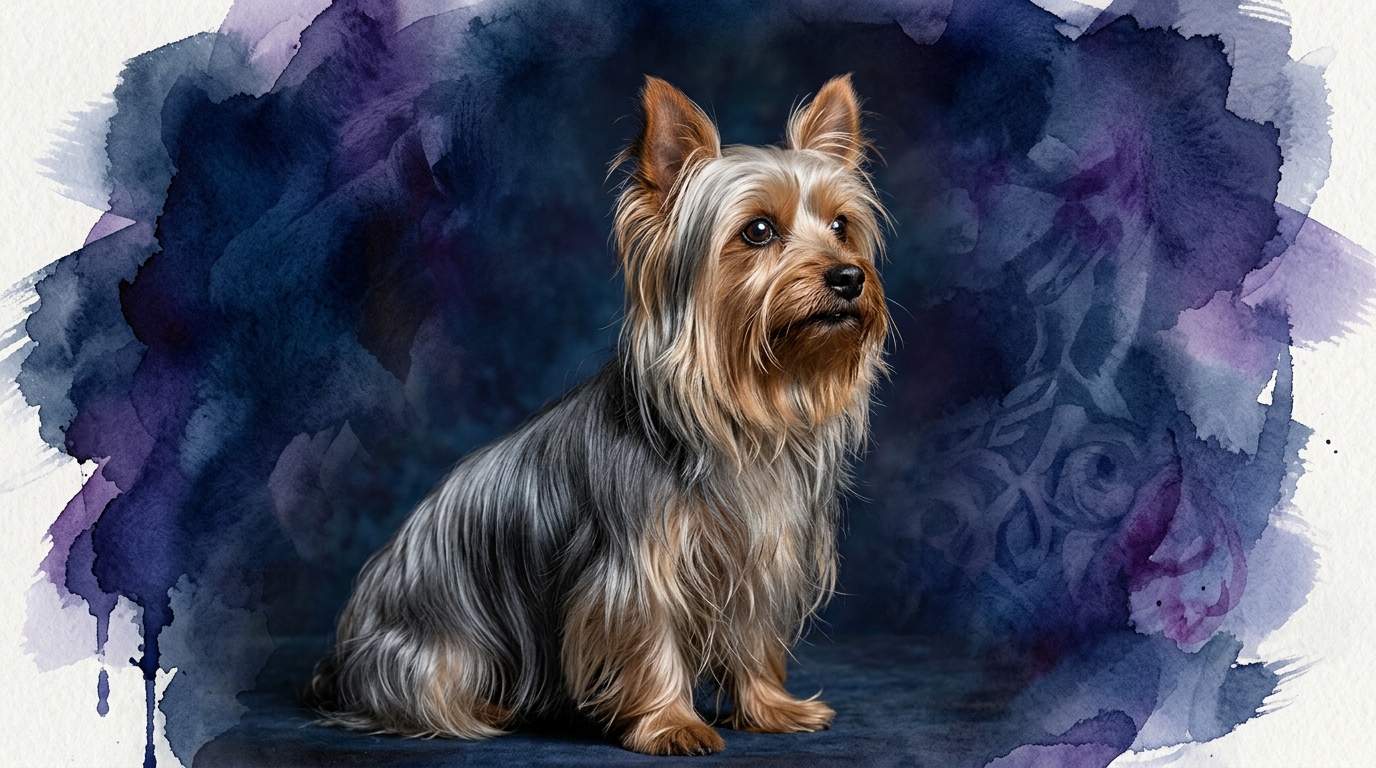
The Cosmic Pet Pet IQ Lab employs a five-dimensional framework to assess canine intelligence, offering a granular view of each breed's mental aptitudes. For the Silky Terrier, a breed from the Toy group, its cognitive profile paints a picture of balanced, moderate abilities across the board. Its problem-solving capacity sits at a 3 out of 5, indicating a dog capable of navigating common challenges but perhaps not inventing novel solutions to complex puzzles. Training speed is also rated 3 out of 5, suggesting a steady learning pace that benefits from consistent, positive reinforcement. Social intelligence, its ability to interpret and respond to human cues and social situations, registers at 3 out of 5, making it a reasonably perceptive companion.
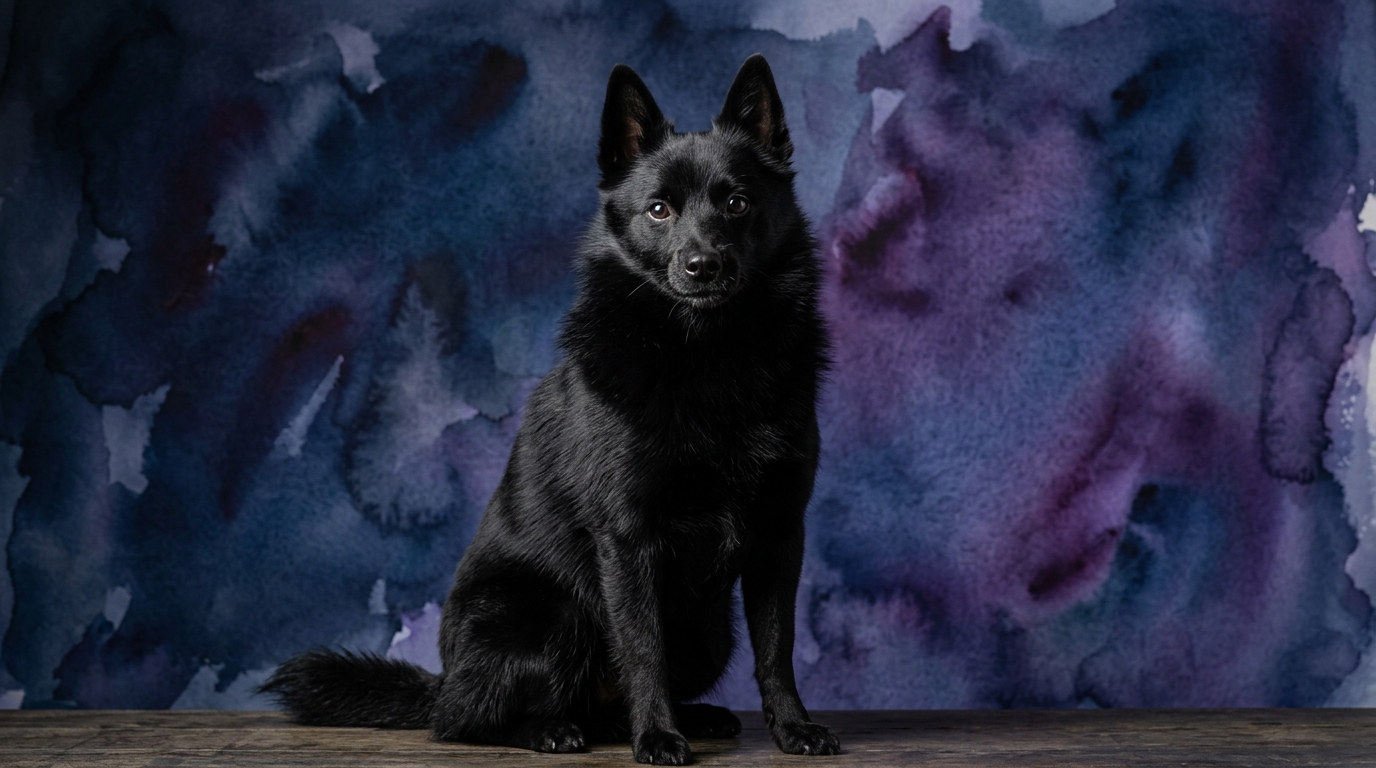
The Silky Terrier's instinctive drive, reflecting its innate desire to perform breed-specific tasks, is a moderate 3 out of 5, indicating it possesses some terrier tenacity but isn't overwhelmingly driven by a singular purpose. Finally, its memory score of 3 out of 5 means it retains commands and experiences adequately over time, though perhaps not with the precision of breeds built for complex sequences. In contrast, the Schipperke, a Non-Sporting breed, presents a profile marked by several standout cognitive strengths. Notably, it holds a respectable Coren rank of #15, placing it among the more capable working and obedience breeds.
The Schipperke's problem-solving ability scores an impressive 5 out of 5, showcasing a knack for independent thought and strategic thinking to overcome obstacles. Its training speed also reaches a perfect 5 out of 5, signifying a dog that grasps new commands and concepts with remarkable swiftness, often requiring fewer repetitions than many other breeds. Memory, another crucial aspect of learning and retention, mirrors this excellence with a 5 out of 5, allowing the Schipperke to recall intricate sequences and past lessons with ease. While its social intelligence and instinctive drive are rated 3 out of 5, similar to the Silky Terrier, these moderate scores are coupled with a profound capacity for learning and applying that knowledge, particularly in tasks where quick thinking and memory are paramount.
Where the Silky Terrier's Cognitive Profile Shines
While the Schipperke boasts higher scores in several specific cognitive dimensions, the Silky Terrier's balanced 3/5 ratings across all five categories offer a unique set of advantages for certain households. Its moderate problem-solving (3/5) means it's less likely to be a master escape artist or to devise intricate schemes to get into mischief, providing a more predictable and manageable daily companion. Owners might find this translates to fewer unexpected challenges or clever rule-bending behaviors.
The Silky Terrier's moderate social intelligence (3/5) allows it to be receptive to human interaction without being overly sensitive or demanding of constant attention, striking a comfortable middle ground. This can be a significant 'win' for owners who appreciate an affectionate dog but prefer one that can also entertain itself or relax independently. Its balanced instinctive drive (3/5) means it possesses a degree of terrier spunk and curiosity without the intense, single-minded focus that can characterize breeds with higher drive scores, making it adaptable to a wider range of activities without requiring a dedicated 'job' to feel fulfilled. Essentially, the Silky's cognitive profile emphasizes adaptability and a generally agreeable disposition, making it a versatile and less cognitively demanding companion for those seeking a charming, balanced pet.
Where the Schipperke Excels Cognitively
The Schipperke's cognitive strengths are pronounced and undeniable, particularly in areas critical for learning and practical application. Its 5 out of 5 rating in problem-solving highlights a breed that doesn't just react to situations but actively strategizes and innovates to achieve its goals. This capability, honed over centuries as a vigilant barge dog and rat catcher, means a Schipperke can quickly assess new environments, figure out how to open gates, or even learn complex sequences of actions to get what it wants. This makes them engaging partners for puzzle toys and advanced obedience.
Coupled with a 5 out of 5 training speed, the Schipperke absorbs new commands and routines with remarkable efficiency. This breed thrives on learning and typically requires far fewer repetitions than average to master a new skill, making it a joy for dedicated trainers. Its exceptional memory (5/5) ensures that once a lesson is learned, it's rarely forgotten, contributing to its reputation for reliability in tasks and commands. This combination of rapid learning, strategic thinking, and strong retention positions the Schipperke as a cognitively powerful dog, capable of excelling in a variety of dog sports, advanced obedience, and even complex service roles where mental agility is paramount.
Training Dynamics: Which is Easier and Why?
When considering ease of training, the Schipperke clearly holds an advantage due to its superior cognitive scores in key areas. With a training speed of 5 out of 5 and memory at 5 out of 5, a Schipperke will typically grasp new commands and retain them with minimal effort. This means fewer repetitions are needed, and they are generally quicker to generalize learned behaviors to new situations. Their high problem-solving ability (5/5) also means they can understand complex sequences and apply past lessons to new challenges, making them suitable for advanced obedience, agility, and even trick training. Their focused nature, a byproduct of their historical role as vigilant guardians, allows them to concentrate on tasks with intensity, further aiding the training process.
The Silky Terrier, with its 3 out of 5 ratings for both training speed and memory, will require a more patient and consistent approach. While certainly trainable, they may need more repetitions to solidify new commands and might take longer to generalize behaviors across different environments. Their moderate problem-solving means they might not naturally gravitate towards figuring out complex tasks on their own, often preferring guidance. Behavioral differences play a significant role here: a Silky might be more easily distracted by its surroundings or its own curiosity, whereas a Schipperke, once engaged, tends to be singularly focused. Therefore, while both breeds respond well to positive reinforcement, the Schipperke offers a faster, more fluid training experience for owners seeking to delve into more intricate commands and activities, while the Silky will reward consistent effort with a well-mannered companion.
Matching Canine Cognition to Owner Lifestyle
Choosing between a Silky Terrier and a Schipperke often comes down to aligning their cognitive needs with an owner's lifestyle and aspirations. For the active owner who thrives on mental engagement and enjoys structured activities, the Schipperke is an exceptional match. Its high problem-solving, training speed, and memory mean it requires consistent mental stimulation to stay content and well-behaved. Owners who enjoy dog sports like agility, obedience, rally, or even advanced trick training will find a willing and capable partner in the Schipperke. They excel when challenged with new tasks and thrive in environments where their sharp minds are regularly put to use. A Schipperke needs an owner who is ready to be a proactive trainer and provide outlets for its considerable cognitive abilities, preventing boredom-induced behaviors.
Conversely, the Silky Terrier, with its balanced and moderate cognitive profile, is often a better fit for owners seeking a charming companion that is adaptable but less demanding in terms of constant mental challenges. A 'relaxed' owner doesn't mean inactive, but rather one who might prioritize companionship, moderate daily walks, and basic obedience over competitive dog sports or complex training regimens. While Silky Terriers certainly benefit from training and mental stimulation, their 3/5 scores across the board suggest they won't typically become destructive or overly anxious if not constantly presented with novel puzzles or advanced tasks. They are content with a loving home, regular interaction, and sufficient physical exercise, making them suitable for individuals or families who appreciate a bright, affectionate dog without the intense cognitive drive that defines the Schipperke.
The Verdict
Choose the Silky Terrier if you desire a charming, adaptable companion with a balanced cognitive profile, offering moderate mental engagement without overwhelming demands for complex tasks. It's an excellent fit for owners who appreciate a steady learning pace and a generally agreeable disposition.
Opt for the Schipperke if you are an active, engaged owner eager to capitalize on a dog's exceptional problem-solving, rapid training speed, and impressive memory. This breed thrives on mental challenges and advanced training, making it an ideal partner for dog sports and intricate activities.
🧠 Find Your Pet's IQ Score
Our Pet IQ Lab assessment covers 25+ tests across 5 cognitive dimensions — personalized to your breed.
Take the Full IQ Test →Frequently Asked Questions
Is the Schipperke really much smarter than the Silky Terrier?
Based on The Cosmic Pet Pet IQ Lab's metrics, the Schipperke demonstrates a significantly higher aptitude in problem-solving, training speed, and memory (all 5/5) compared to the Silky Terrier (all 3/5). This indicates the Schipperke learns faster and can handle more complex cognitive tasks.
Do Silky Terriers need less exercise than Schipperkes?
While both breeds benefit from regular exercise, the Schipperke's higher cognitive drive means it requires more consistent mental stimulation alongside physical activity to prevent boredom. A Silky Terrier needs sufficient exercise but is generally less demanding in terms of complex mental challenges.
Which breed is better for a first-time dog owner?
For a first-time owner, the Silky Terrier's balanced and moderate cognitive profile might be slightly more forgiving, requiring consistent but not overly intensive training. The Schipperke, while brilliant, demands a committed owner ready to engage its sharp mind with regular, structured training and mental enrichment to thrive.