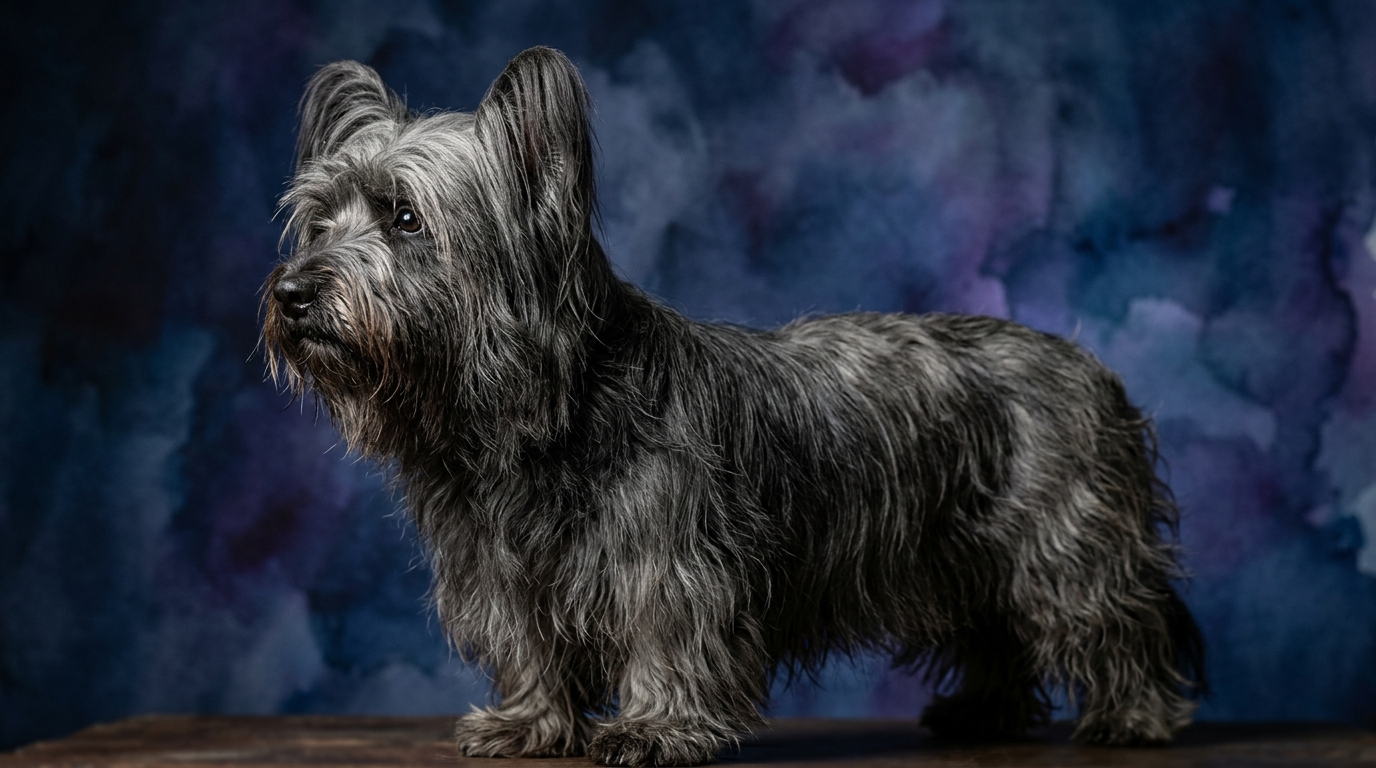
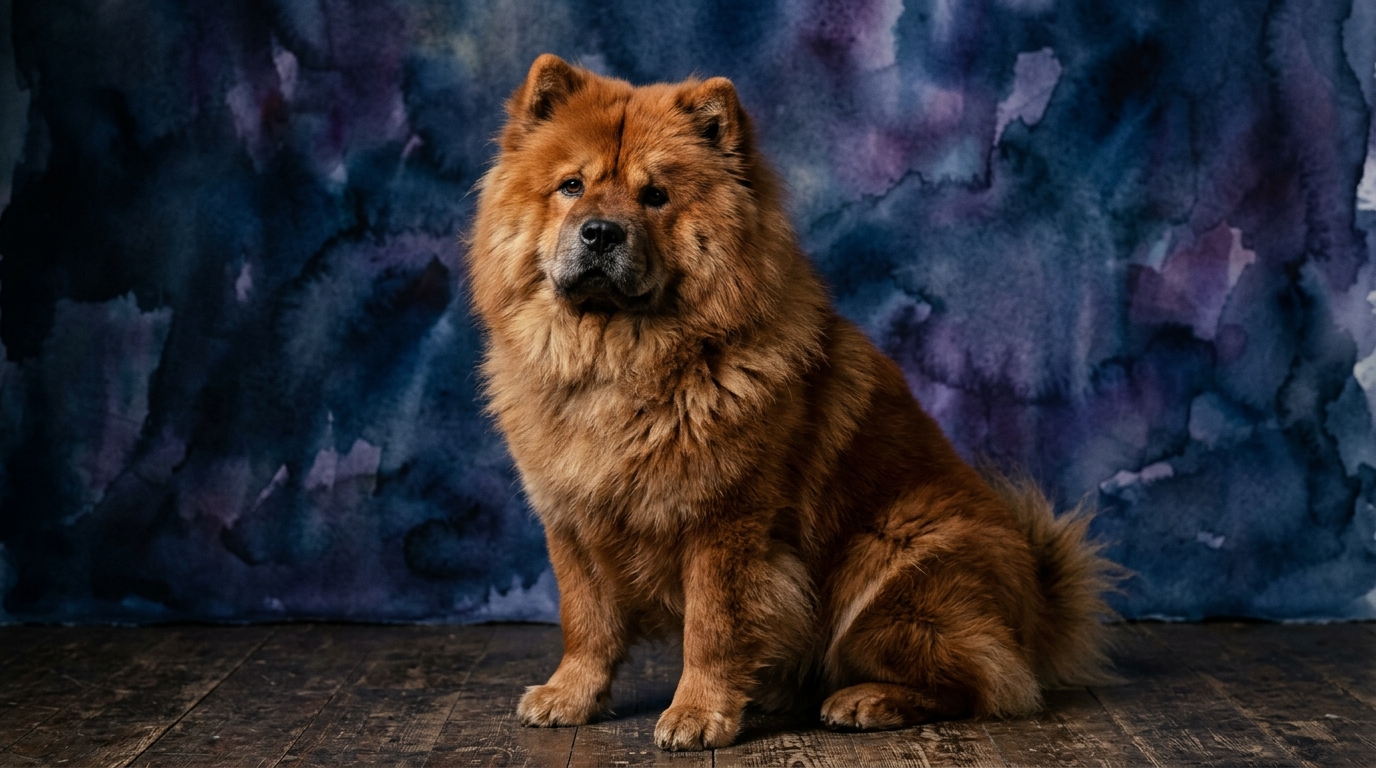
Side-by-Side IQ Profile: Skye Terrier vs. Chow Chow
The Cosmic Pet Pet IQ Lab assesses five key cognitive dimensions, and interestingly, both the Skye Terrier and the Chow Chow register a consistent 3/5 across the board. This numerical parity, however, belies a rich tapestry of behavioral differences shaped by their unique histories and temperaments.
For the **Skye Terrier**, a breed with a rich history of hunting vermin in challenging Scottish terrain, Problem Solving at 3/5 often manifests as a determined persistence in reaching a goal, whether it's retrieving a hidden treat or navigating a complex path. Their Training Speed, also at 3/5, indicates they are capable learners, though their independent terrier spirit means they respond best to engaging, positive reinforcement rather than repetitive drills. Social Intelligence at 3/5 for a Skye suggests an awareness of their immediate human companions' moods and intentions, often forming a deep, singular bond with their primary owner, though they can be reserved with strangers. Their Instinctive Drive, rated 3/5, is strongly rooted in their historical function, displaying a natural inclination to dig, chase, and explore with a keen sense of smell. Finally, their Memory at 3/5 allows them to retain complex sequences and locations, remembering past experiences and routines with clarity.
Hailing from ancient China, the **Chow Chow's** Problem Solving score of 3/5 is typically expressed through their astute observation and strategic approach to situations, such as figuring out how to get a preferred spot or understanding household rules with quiet determination. Their Training Speed, also 3/5, reflects their capacity to learn, though their renowned independent and sometimes aloof nature means they require a patient, consistent, and respectful trainer who understands their motivations. The Chow Chow's Social Intelligence, likewise 3/5, is characterized by a discerning awareness of their family unit and territory, often appearing reserved or indifferent to outsiders but deeply connected to their chosen few. Their Instinctive Drive at 3/5 is predominantly linked to guarding and protection, exhibiting a natural vigilance and territorial instinct rather than a strong prey drive. A Memory score of 3/5 allows the Chow Chow to recall specific people, past interactions, and established routines, contributing to their consistent and predictable nature within their familiar environment.
Where the Skye Terrier Wins Cognitively
While both breeds share a 3/5 score across all cognitive dimensions, the Skye Terrier's particular manifestation of these traits often lends itself to scenarios requiring agile, persistent engagement. Their Problem Solving, though rated the same, frequently involves a more active, hands-on approach to overcoming obstacles, reflecting their terrier heritage of independently tackling challenges. This drive, combined with their Instinctive Drive for pursuit and exploration, means they might excel in scent work or complex agility courses that demand sustained focus and physical problem-solving. Their Social Intelligence, while selective, can translate into a more responsive and interactive partnership with their chosen human in cooperative tasks, making them appear more 'engaged' in certain forms of cognitive play or companionship.
Where the Chow Chow Wins Cognitively
The Chow Chow's cognitive strengths, despite identical scores, often shine in areas demanding quiet observation, independent decision-making, and a strong sense of self-possession. Their Problem Solving at 3/5 is less about physical persistence and more about strategic assessment; they might quickly learn which behaviors yield desired results from their humans without needing constant prompting. Their Social Intelligence, also 3/5, is exceptional in its ability to discern friend from threat, making them highly attuned to subtle changes in their environment or the intentions of strangers, a valuable trait for a guardian. This discerning nature, coupled with their Memory, allows them to establish and adhere to complex social rules within a household, demonstrating a deep understanding of their role and boundaries without constant reinforcement.
Which is Easier to Train and Why
Despite both breeds holding a 3/5 rating for Training Speed, real-world experience suggests a nuanced difference in their trainability. The Skye Terrier, while possessing an independent streak characteristic of terriers, often exhibits a desire to work alongside their human once a strong bond is established. Their persistence in Problem Solving and their moderate Instinctive Drive can be channeled effectively into training activities, especially those that feel like a 'hunt' or a 'game.' Consistency, patience, and making training fun and rewarding are key.
In contrast, the Chow Chow's independent and often aloof nature means they are generally less motivated by a desire to please and more by what benefits them. Their 3/5 Training Speed requires an owner who understands their intrinsic motivations, using positive reinforcement to make them *want* to perform. A Chow Chow will learn, but they will decide *when* and *if* they will execute a command, making them perceived as more challenging for novice trainers who expect eager compliance and a strong eagerness to please.
Suited for Active vs. Relaxed Owners
The Skye Terrier, with its terrier roots, generally suits moderately active owners who enjoy engaging their dog in regular walks, interactive play, and perhaps some structured activities like earthdog trials or scent work. Their cognitive need for stimulation aligns with owners who can provide consistent mental and physical challenges, preventing boredom. While not requiring marathon runs, they appreciate purposeful outings and opportunities to explore.
The Chow Chow, on the other hand, typically aligns better with more relaxed owners. Their moderate Instinctive Drive and preference for quiet observation mean they are content with shorter, regular walks and generally less demanding physical activity. Their cognitive engagement often comes from observing their environment and family, rather than needing constant interactive challenges. They thrive in a stable, predictable home environment where their independent nature is respected.
The Verdict
For owners seeking a determined, interactive companion who enjoys a good challenge and forms a deep, singular bond, the Skye Terrier is an excellent choice.
If you appreciate a dignified, discerning companion who offers quiet loyalty and requires a patient, respectful approach to guidance, the Chow Chow will be a rewarding addition.
🧠 Find Your Pet's IQ Score
Our Pet IQ Lab assessment covers 25+ tests across 5 cognitive dimensions — personalized to your breed.
Take the Full IQ Test →Frequently Asked Questions
Do Skye Terriers and Chow Chows have similar temperaments due to their identical IQ scores?
While their cognitive scores are numerically the same, their temperaments differ significantly; Skye Terriers are typically more tenacious and playful with their chosen family, whereas Chow Chows are known for their reserved, independent, and dignified demeanor. These inherent breed traits influence how their cognitive abilities are expressed in daily life and interactions.
Can a Chow Chow be trained for advanced obedience despite its independent nature?
Yes, a Chow Chow can certainly be trained for advanced obedience, but it requires an owner who understands their unique motivation and independent spirit. Success comes from consistent, positive reinforcement, making training sessions engaging and rewarding from the Chow's perspective, rather than expecting eager compliance.
Is one breed better with children than the other, considering their social intelligence?
The Skye Terrier's selective social intelligence means they can be wonderful with respectful children within their family circle, but supervision is always advised due to their terrier nature. The Chow Chow's discerning social intelligence makes them tolerant but often aloof, preferring respectful distance, and they are generally best suited for homes with older, well-behaved children who understand boundaries.