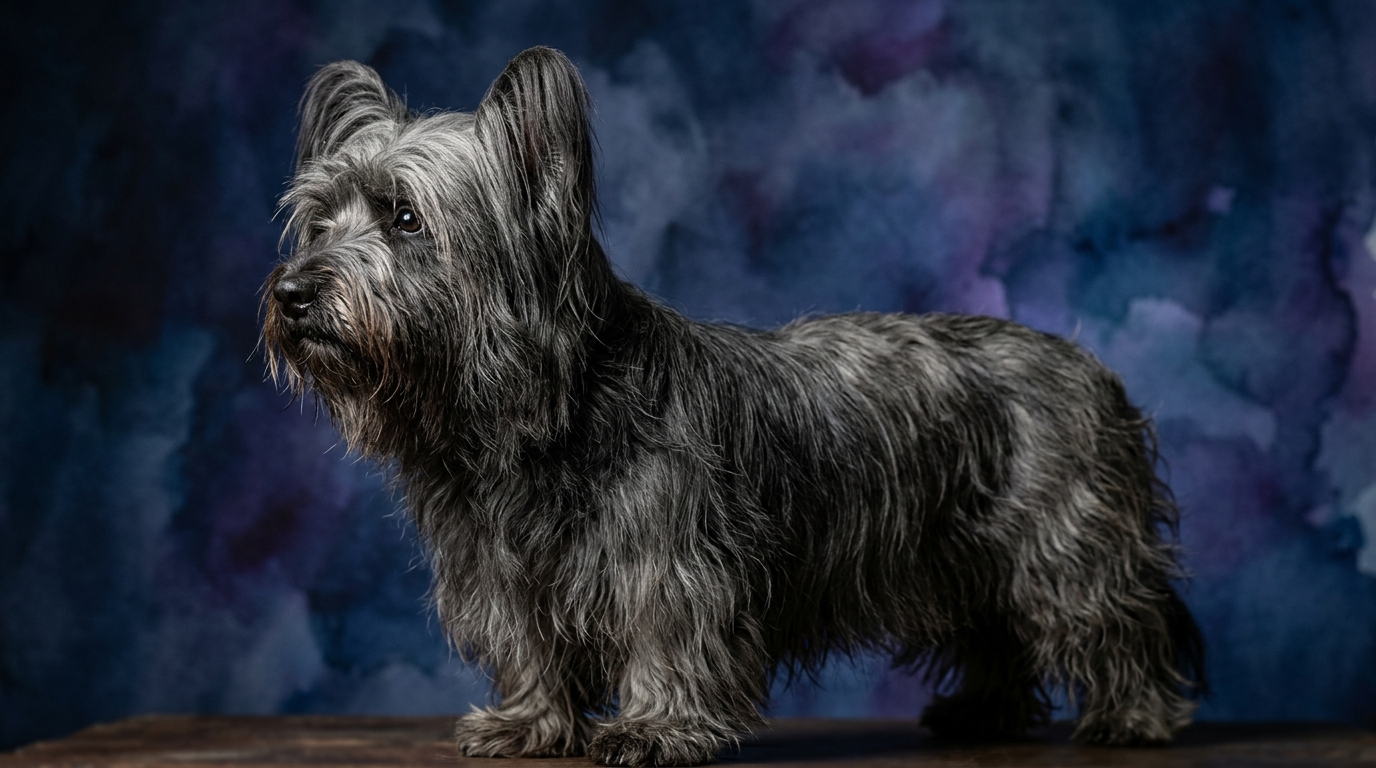
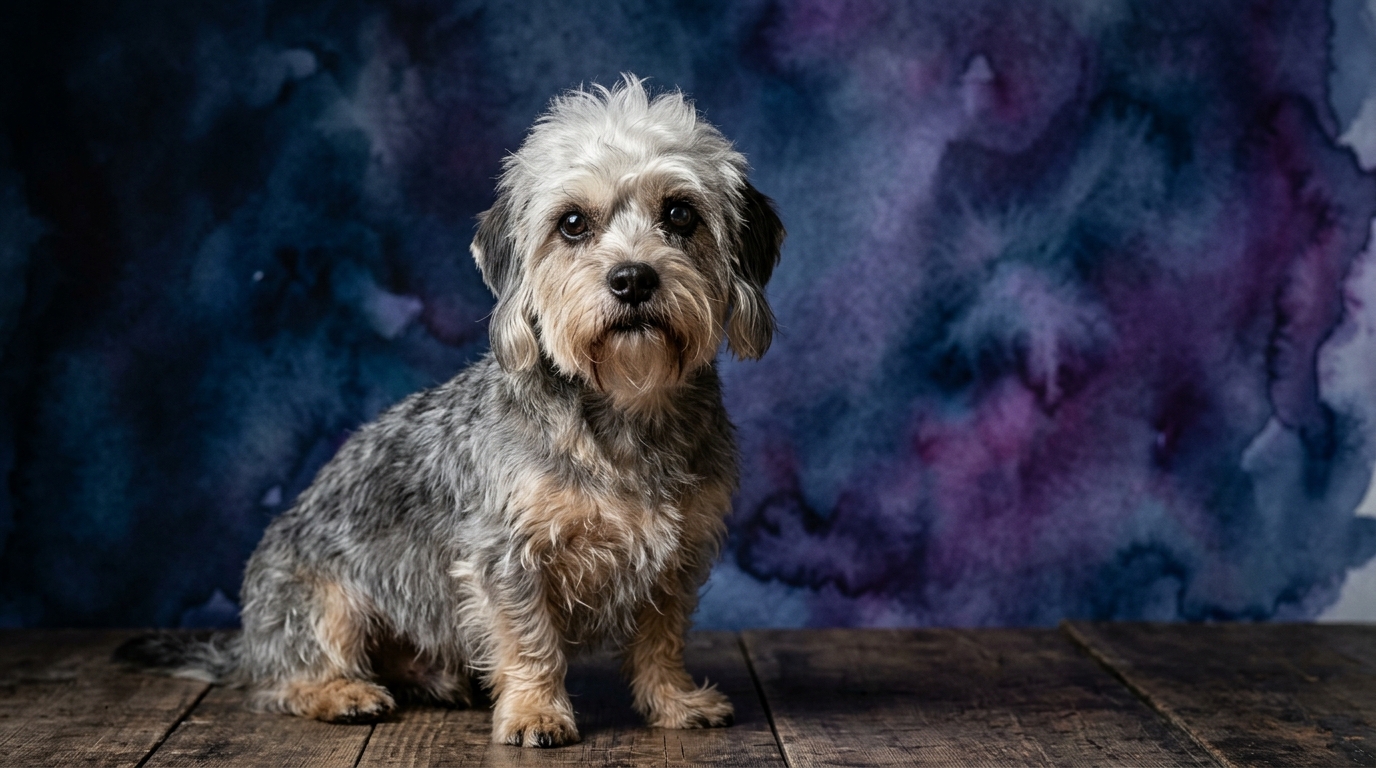
Side-by-Side IQ Profile: Unpacking the 3/5 Scores
At The Cosmic Pet Pet IQ Lab, we evaluate canine intelligence across five critical dimensions: problem-solving, training speed, social intelligence, instinctive drive, and memory. For both the regal Skye Terrier and the distinctive Dandie Dinmont Terrier, each of these dimensions registers a consistent 3 out of 5, indicating a solid, functional intellect that is neither overly simplistic nor exceptionally complex. This numerical parity, however, is merely a starting point for understanding their unique cognitive styles and how these scores manifest in their daily lives.
For the Skye Terrier, a 3/5 in problem-solving often manifests as a deliberate, observant approach, where they might carefully assess a situation before acting, utilizing their keen senses to navigate environmental challenges. Their training speed at 3/5 suggests they learn new commands with moderate repetition, requiring consistent, patient guidance to solidify new behaviors. A 3/5 social intelligence points to a discerning nature; they form deep bonds with their chosen family but can be reserved towards strangers, preferring a quiet, predictable social circle. Their instinctive drive, also 3/5, reflects a balanced prey drive, present enough for their vermin-hunting heritage but generally manageable domestically. Finally, a 3/5 memory indicates they retain learned behaviors and routines effectively, remembering both positive and negative associations over time.
The Dandie Dinmont Terrier, with its parallel 3/5 scores, often displays these traits with a slightly different flavor. Their 3/5 problem-solving can lean towards a more tenacious, 'get-to-it' attitude, using their sturdy build and determination to overcome obstacles, perhaps more through persistent action than intricate strategy. A 3/5 training speed means they are receptive to learning, but their independent terrier spirit necessitates engaging methods to maintain their focus. Social intelligence at 3/5 suggests they are generally affable and charming with their inner circle, often more openly playful than the Skye, but still possess a discerning quality towards new acquaintances. Their instinctive drive, also 3/5, is robust, reflecting their badger and otter hunting past with a strong, purposeful drive to pursue and investigate, often with vocal enthusiasm. Their 3/5 memory ensures they remember past lessons and boundaries, making consistency crucial for reinforcing desired habits.
Where the Skye Terrier’s Cognition Finds Its Edge
While both breeds share a 3/5 across the board, the Skye Terrier’s expression of these cognitive abilities often leans towards a more contemplative and loyal execution, particularly within the confines of their established routine and family. Their problem-solving (3/5) can be characterized by a greater degree of observational learning and strategic patience; they might carefully watch an owner manipulate a puzzle toy, internalizing the sequence before attempting it themselves with a deliberate, calculated effort. This analytical bent, coupled with their inherent dignity, means they often prefer to figure things out on their own terms rather than through boisterous trial and error, sometimes appearing to 'think' before acting. Furthermore, their 3/5 memory, when combined with their deep loyalty, means they excel at remembering established routines and the specific preferences of their family members. This allows them to anticipate needs or understand unspoken cues, forging an incredibly strong, intuitive bond where they remember subtle interactions and expectations over time, contributing to their reputation for being devoted companions.
Where the Dandie Dinmont Terrier’s Cognition Shines
The Dandie Dinmont Terrier’s cognitive strengths, though numerically identical, often manifest with a more vibrant, persistent energy and adaptability. Their 3/5 problem-solving frequently involves a spirited, hands-on approach; faced with a new challenge, a Dandie might experiment more readily with different methods, using their physical prowess and determination to push, dig, or nudge until a solution is found. This tenacity, a hallmark of their badger-hunting ancestry, means they are less likely to give up quickly when faced with a perceived obstacle, whether it’s a tricky toy or a tempting scent. Their social intelligence (3/5) often expresses itself as a more overtly charming and adaptable disposition in various social settings once they accept new individuals. While still discerning, they tend to engage with new people and situations with a curious, playful enthusiasm, making them potentially more versatile in diverse social environments than their Skye counterparts. This outward geniality, combined with their robust instinctive drive (3/5), allows them to process and engage with novel stimuli with an adventurous spirit, often approaching new experiences with a confident, curious zest.
Training Dynamics: Skye vs. Dandie
Given their identical 3/5 training speed scores, neither the Skye nor the Dandie Dinmont Terrier is inherently 'easier' to train in terms of raw learning capacity. Instead, the ease of training hinges significantly on understanding their distinct temperamental nuances. The Skye Terrier's 3/5 training speed requires a patient, consistent handler who respects their dignity and independent streak, responding best to positive reinforcement and gentle correction, becoming resistant if pushed too hard. Their memory (3/5) means they recall both successful commands and negative training experiences vividly, so building trust is paramount; a Skye might take longer to initiate a new behavior due to their deliberate nature, but once learned, it is deeply ingrained. Conversely, the Dandie Dinmont Terrier, also at 3/5 training speed, benefits from equally consistent and positive methods, but their training often requires a more engaging, playful approach to capture their attention and channel their enthusiastic spirit. Their problem-solving (3/5) and instinctive drive (3/5) can lead to creative but sometimes mischievous attempts to outwit their handler, so varied, stimulating sessions are key to preventing boredom and maintaining focus. Both breeds thrive on a clear, fair approach, but the Skye benefits from quiet reinforcement, while the Dandie responds well to energetic interaction.
Lifestyle Match: Active vs. Relaxed Owners
When considering an active versus relaxed owner, the subtle differences in how their 3/5 instinctive drive and social intelligence manifest become clearer. The Skye Terrier, while not a couch potato, generally aligns well with a more relaxed owner. Their 3/5 instinctive drive is present but often fulfilled by moderate, consistent daily walks and opportunities for scent work in a secure yard. Their social intelligence (3/5) leads them to prefer a predictable home environment with their cherished family, making them less inclined towards constant social outings or high-energy adventures with strangers. They appreciate quiet companionship, a comfortable routine, and a secure, familiar territory. An owner who enjoys calm evenings and leisurely strolls rather than strenuous hikes will find a Skye to be a perfectly content companion. In contrast, the Dandie Dinmont Terrier, with its identical 3/5 instinctive drive, often presents as a more robust and spirited companion suitable for active owners, though not necessarily those seeking extreme sports. Their drive (3/5) is paired with a sturdy, agile build, making them excellent partners for longer, more varied walks, exploring new trails, or engaging in earthdog trials. Their 3/5 social intelligence, while discerning, also allows them to adapt more readily to new environments and enjoy meeting new, friendly faces on their adventures, often with a charming, inquisitive demeanor. They thrive on having a 'job' or an outlet for their keen senses and physical energy. An owner who enjoys regular, engaging outdoor activities and can provide mental stimulation through training or puzzle games will find the Dandie Dinmont Terrier a joyful and enthusiastic partner.
The Verdict
Choose the Skye Terrier if you seek a dignified, loyal companion who thrives on deep, quiet bonds and prefers a predictable, calm home life, appreciating thoughtful interaction over constant high-energy engagement. They are best suited for owners who value subtle communication and a steadfast presence, providing moderate daily exercise and consistent, gentle guidance.
Opt for the Dandie Dinmont Terrier if you desire a spirited, tenacious, and charming companion eager for varied outdoor adventures and engaging activities, thriving on interaction and a 'can-do' attitude. They are ideal for owners who can provide consistent stimulation, enjoy playful training, and appreciate a dog with a robust personality and a zest for exploration.
🧠 Find Your Pet's IQ Score
Our Pet IQ Lab assessment covers 25+ tests across 5 cognitive dimensions — personalized to your breed.
Take the Full IQ Test →Frequently Asked Questions
Are Skye Terriers and Dandie Dinmont Terriers difficult to train?
Both breeds have a 3/5 training speed, meaning they learn at a moderate pace. They are not inherently difficult, but their terrier independence requires consistent, positive reinforcement, engaging methods, and a patient handler to achieve the best results. Understanding their unique temperaments is key to successful training.
Which breed is better with children or other pets?
Both breeds exhibit a 3/5 social intelligence, meaning they can be good with respectful children and other pets, especially if socialized early. The Skye may be more reserved and prefer older, quieter children, while the Dandie's playful nature might make them more tolerant of younger, spirited children, provided interactions are supervised. Introductions to other pets should always be gradual and monitored.
Do Skye Terriers or Dandie Dinmont Terriers require a lot of exercise?
Both breeds have a 3/5 instinctive drive, indicating a moderate need for exercise. Skye Terriers are generally content with regular, moderate walks and secure yard time. Dandie Dinmont Terriers, while not extreme athletes, tend to have a more robust need for varied outdoor activities and mental stimulation to satisfy their tenacious hunting instincts and keep them engaged.