Side-by-Side Cognitive Profiles: Decoding the 3/5 Scores
In The Cosmic Pet IQ Lab, we evaluate canine intelligence across five key dimensions. Both the Skye Terrier and the English Foxhound consistently score a 3 out of 5 in each category, yet the *nature* of their cognitive strengths and challenges within these scores varies considerably due to their foundational breed purposes.
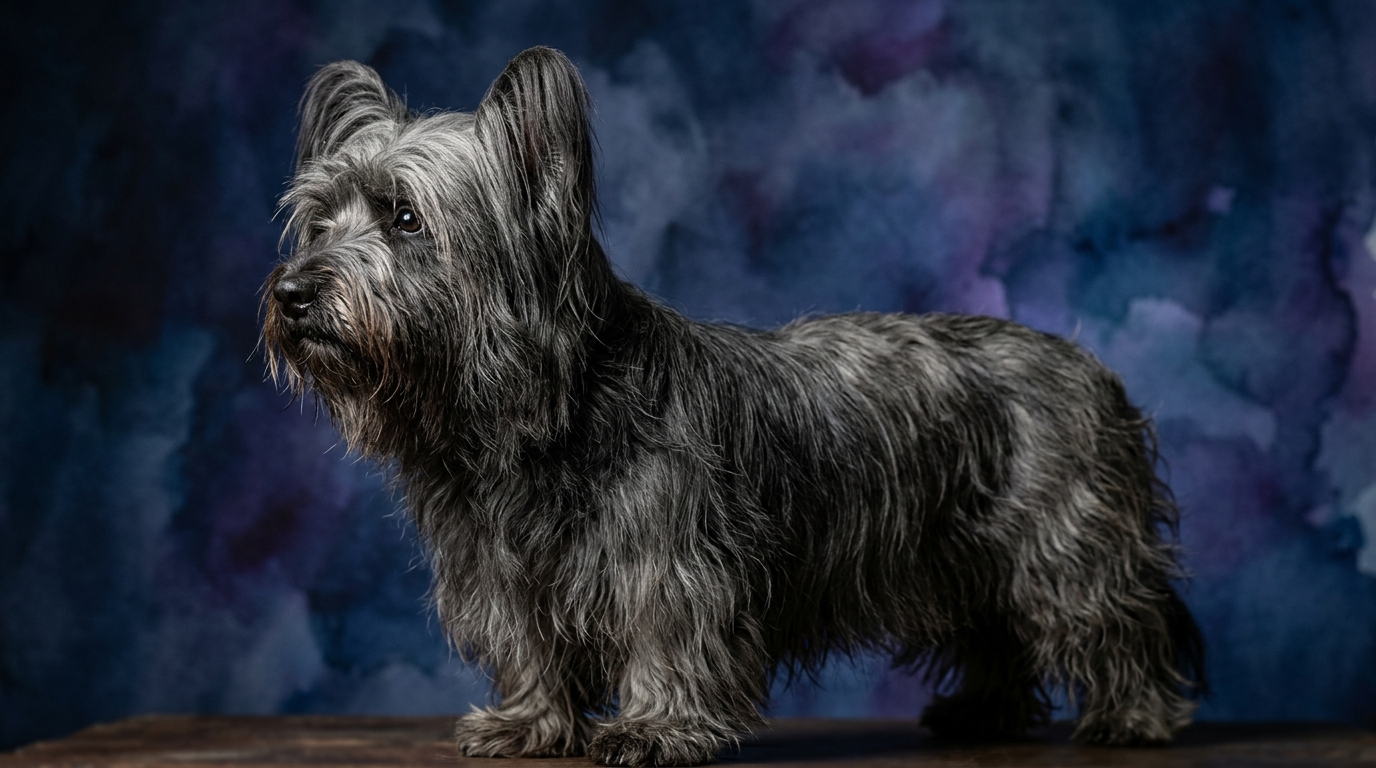
For the Skye Terrier, a 3/5 in Problem Solving reflects a dog capable of figuring out tangible challenges related to their immediate environment, such as navigating obstacles to reach a desired object or outmaneuvering small prey. Their solutions are often driven by a tenacious, self-serving independence. Their 3/5 Training Speed indicates they can grasp commands at a moderate pace, but their independent spirit and selective listening can make consistent execution a test of an owner's patience. Social Intelligence, also 3/5, means they are observant of their human companions and internal family dynamics, forming deep bonds with their chosen few, while often being reserved or aloof with strangers. The Skye's Instinctive Drive, a 3/5, is a strong terrier urge for hunting small vermin, digging, and chasing, requiring consistent management. Finally, their 3/5 Memory allows them to retain routines and commands well, though a compelling immediate stimulus (like a squirrel) can sometimes override a remembered instruction.
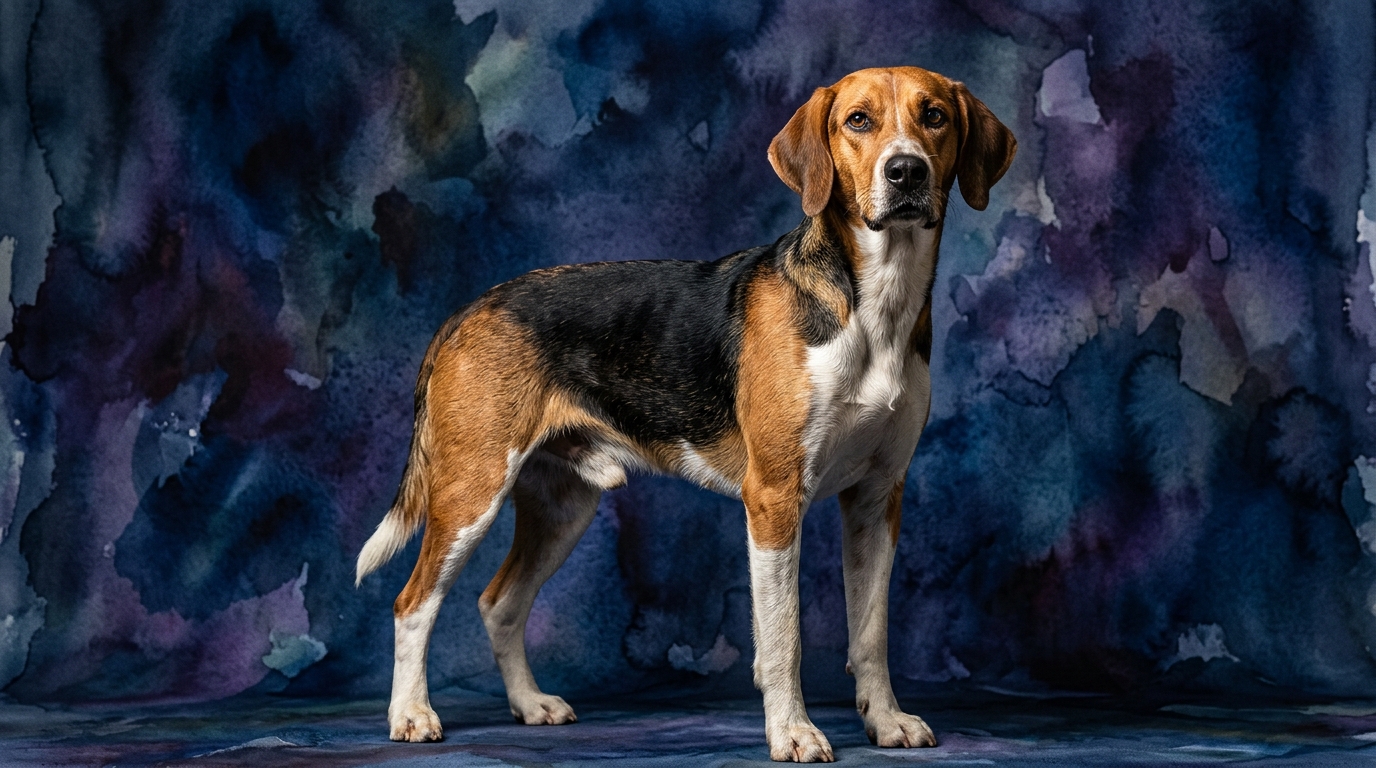
The English Foxhound's 3/5 in Problem Solving manifests as exceptional skill in navigating complex terrain while maintaining a scent trail, a highly specialized form of cognitive mapping and persistent focus rather than abstract puzzle-solving. Their 3/5 Training Speed signifies they can learn commands, but their overwhelming drive to follow scents often competes directly with learned behaviors, demanding immense patience and creative, scent-integrated training methods. Their Social Intelligence, also 3/5, is strongly geared towards pack dynamics, understanding hierarchy and cooperation within a group context for collaborative efforts, though they may be less attuned to individual human emotional subtleties than some companion breeds. The Foxhound's Instinctive Drive, a powerful 3/5, is dominated by an exceptionally strong scent drive and the instinct to pursue, dictating much of their behavior. Their 3/5 Memory is particularly robust for scent trails and routes, capable of recalling complex paths and specific odors over time, though their recall for arbitrary commands might be less reliable when their nose takes over.
Where the Skye Terrier’s Cognition Shines
The Skye Terrier, while not a breed that thrives on complex abstract puzzles, truly excels in problem-solving that directly relates to their environment and personal objectives. Their problem-solving isn't about pleasing a handler, but about achieving their own goals, often with an independent streak. This can manifest as clever ways to access forbidden areas or outsmarting a perceived barrier to a desired treat or toy. Their keen observation skills contribute to their social intelligence within their immediate family, allowing them to subtly read the mood of their chosen humans and adapt their behavior, often with a discerning loyalty that is deep and unwavering for their inner circle.
Furthermore, the Skye's memory for specific routines and the layout of their home territory is robust. They remember where things are kept, where they are allowed to go, and the daily rhythms of their household. This combines with their moderate instinctive drive to make them highly effective at their original purpose of flushing out vermin in tight spaces, requiring a focused, individualistic form of cognitive application. They can remember the precise location of a burrow and return to it, demonstrating a practical, spatial memory that is highly effective for their historical role.
Where the English Foxhound’s Cognition Dominates
The English Foxhound's cognitive strengths are undeniably rooted in their specialized hunting heritage. Their problem-solving, though rated 3/5, is unparalleled in the realm of scent detection and tracking. This isn't about opening latches, but about deciphering a complex, invisible puzzle across miles of varied terrain, a continuous cognitive challenge that demands immense focus and deduction. Their ability to discriminate between scents, follow a cold trail, and ignore distractions is a testament to a highly evolved and specialized form of intelligence.
Their social intelligence, while not focused on individual human emotional nuances, is profoundly developed for pack cooperation. A Foxhound understands its role within a group, whether canine or human, and thrives on collaborative effort. This translates into a dog that can work harmoniously with others towards a common goal, provided that goal aligns with their powerful instinctive drive. Their memory for scent trails is particularly impressive, allowing them to recall and follow complex routes and specific odors over extended periods, an invaluable trait for sustained pursuit that showcases a unique cognitive specialization.
Training Challenges: Independent Spirit vs. Scent Obsession
When it comes to training speed, both breeds score a 3/5, suggesting neither is inherently 'easy' to train, but their challenges stem from very different cognitive and behavioral profiles. The Skye Terrier's moderate training speed is often complicated by their independent and sometimes stubborn nature. They understand commands but possess a strong will, often deciding whether to comply based on their own assessment of the situation's value or their mood. Training a Skye requires immense consistency, positive reinforcement, and a handler who can make themselves more interesting than the environment, establishing clear leadership without resorting to harsh methods that can backfire with their sensitive yet determined personality.
The English Foxhound, conversely, presents a training challenge dominated by their overwhelming instinctive drive. While they can learn commands, their powerful nose and inherent desire to follow a scent trail frequently override learned behaviors. Training a Foxhound means constantly competing with environmental stimuli, particularly scents. Success hinges on integrating training into their natural drives, such as using scent work as a reward or incorporating long-line recall training in varied environments. Patience is paramount, and owners must accept that a Foxhound's focus will always be divided between their handler and the irresistible world of smells.
Active Owners vs. Relaxed Owners: Lifestyle Alignment
Choosing between these two breeds requires a careful assessment of an owner's lifestyle, particularly regarding activity levels and willingness to engage with their specific cognitive needs. The Skye Terrier, while not requiring extreme endurance, is far from a couch potato. They need regular, stimulating walks and consistent mental engagement to prevent boredom and destructive behaviors. Their moderate instinctive drive means they will chase squirrels and dig, so a secure yard and leashed walks are crucial. An ideal owner for a Skye Terrier appreciates a unique, independent companion, is prepared for consistent training to manage their strong personality, and can provide a stimulating home environment without needing to be an ultra-marathoner.
The English Foxhound, on the other hand, is unequivocally a breed for highly active owners. Their profound instinctive drive for scent work and their incredible stamina demand extensive physical exercise and mental stimulation through structured activities. A Foxhound thrives on long runs, hikes, or dedicated scent work sessions that allow them to utilize their powerful nose and boundless energy. This breed is not suitable for relaxed owners or those unable to commit to several hours of vigorous activity daily. They require an owner who understands and respects a powerful scent drive, can provide ample outdoor opportunities, and has the experience to manage a large, energetic hound that can easily become bored and destructive without proper outlets.
The Verdict
Choose the Skye Terrier if you seek a distinctive, independent companion, are prepared to manage a strong personality with consistent training, and can provide mental stimulation in a moderately active home.
Opt for the English Foxhound if you are a highly active, experienced owner capable of providing extensive daily exercise, structured scent work, and have the patience to train a dog driven by an unparalleled nose.
🧠 Find Your Pet's IQ Score
Our Pet IQ Lab assessment covers 25+ tests across 5 cognitive dimensions — personalized to your breed.
Take the Full IQ Test →Frequently Asked Questions
Are Skye Terriers good family dogs?
Skye Terriers can be wonderful family dogs for those who understand their discerning nature. They bond deeply with their immediate family but can be reserved with strangers and are generally best suited for homes with older, respectful children who understand how to interact with a dog that values its personal space.
Do English Foxhounds make good house pets?
English Foxhounds can be good house pets for the right owner, but they require a tremendous amount of exercise and mental stimulation to prevent boredom and destructive behaviors indoors. Their powerful voice and scent drive mean they are often better suited to homes with large, secure yards and owners committed to outdoor adventures.
Which breed is better for apartment living?
Neither breed is ideally suited for apartment living without significant owner commitment, but the Skye Terrier is generally more adaptable due to its smaller size and slightly lower, though still substantial, exercise requirements. An English Foxhound's large size, high energy, and vocal nature make apartment living extremely challenging and often unsuitable.