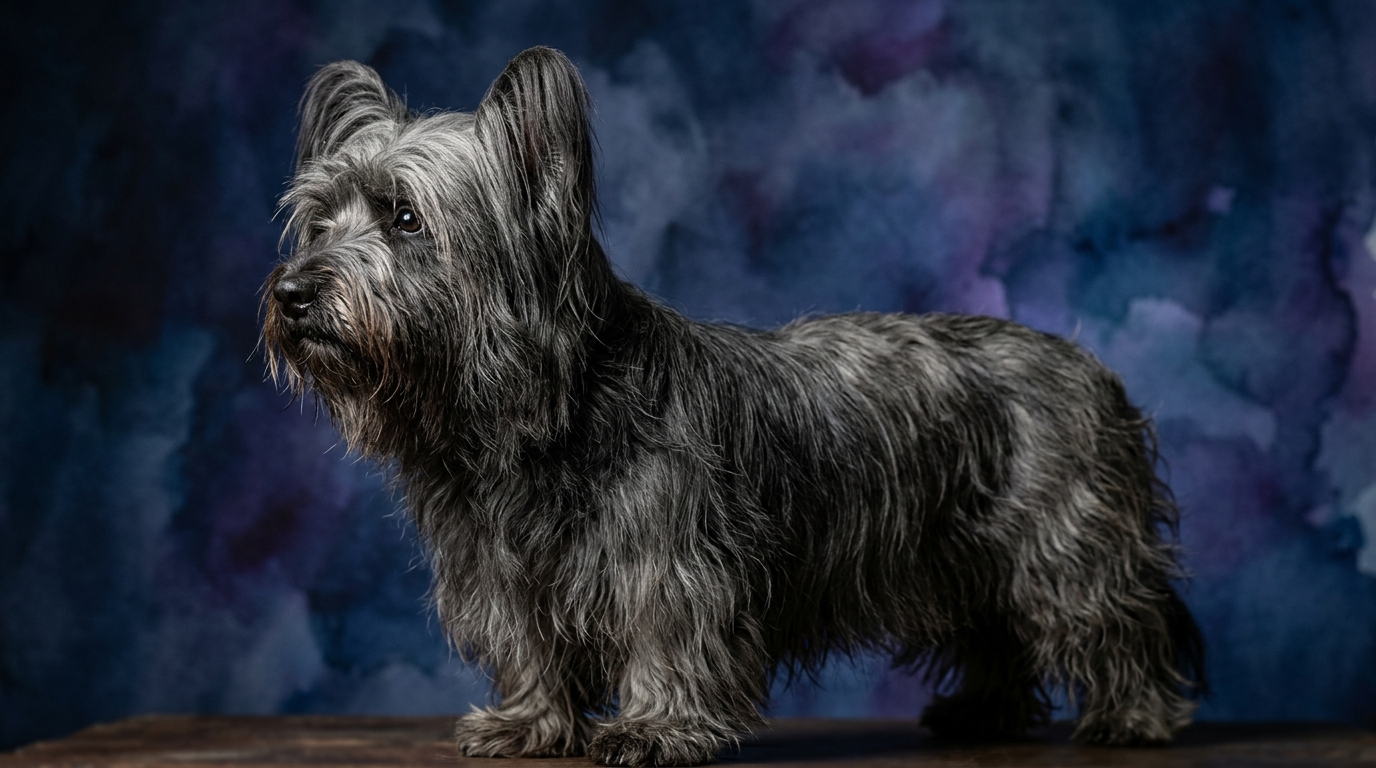
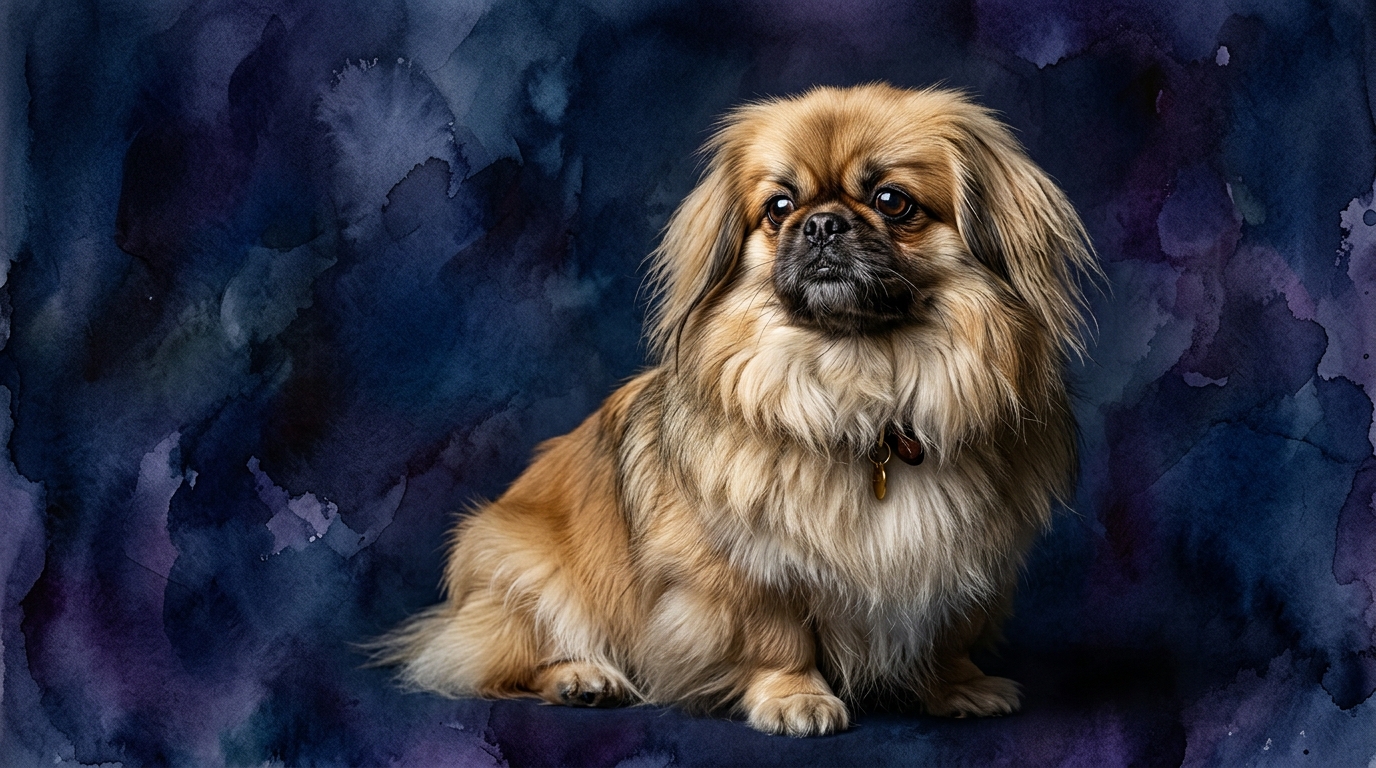
Side-by-Side IQ Profile: Skye Terrier vs. Pekingese
**Skye Terrier:** Originating from the Isle of Skye, bred to hunt badger, fox, and otter, the Skye Terrier's Problem Solving at 3/5 reflects a tenacious ability to independently navigate challenges in pursuit of a goal, like finding a hidden toy or accessing an interesting scent. Training Speed, also 3/5, indicates they are capable learners, but their independent spirit demands consistent, engaging methods that appeal to their inherent drive. Social Intelligence, rated 3/5, suggests deep bonds with immediate family, reading cues well, but often reserved or discerning with strangers. Their Instinctive Drive, at 3/5, is geared towards their historical purpose—a persistent desire to investigate, dig, and chase. Memory, also 3/5, means they retain commands, routines, and experiences effectively, remembering both positive and negative associations.
**Pekingese:** Hailing from ancient China as revered companions, the Pekingese’s intelligence is finely tuned to human interaction and comfort. Their Problem Solving score of 3/5 often manifests in ingenious ways to secure a favored spot, manipulate their human for treats, or communicate desires through subtle cues, rather than tackling complex environmental puzzles. Training Speed, also 3/5, denotes a capacity to learn, but their regal and sometimes opinionated nature means they often learn what *they* deem important, requiring patience and highly motivating rewards. Social Intelligence, at 3/5, highlights their exceptional ability to read primary human companions' moods, forming almost telepathic bonds, though often aloof towards outsiders. Instinctive Drive, rated 3/5, is less about hunting and more about guarding their territory or person, alongside a strong self-preservation instinct and desire for comfort. Memory, also 3/5, ensures they remember daily schedules, preferred people, and household rules, adeptly navigating their domestic environment.
Where the Skye Terrier Wins Cognitively
The Skye Terrier truly shines in scenarios demanding independent thought and sustained focus on a self-assigned task. Their cognitive strengths are evident in methodically working through problems, such as tracking a scent through varied terrain or retrieving an object from a confined space, without constant human prompting. This persistence, rooted in their working heritage, allows them to excel in activities tapping into their innate drive to investigate and overcome obstacles, making them adept at earthdog trials or complex scent games. Their problem-solving is less about pleasing a human and more about achieving a goal they deem important, often displaying remarkable ingenuity.
Where the Pekingese Wins Cognitively
Conversely, the Pekingese demonstrates a unique cognitive advantage in their profound understanding of human social dynamics and ability to subtly influence their environment for personal gain or comfort. Their strength lies in nuanced social intelligence, allowing them to read and respond to favored humans' emotional states with remarkable accuracy, often providing comfort or seeking attention precisely when needed. This breed excels at "training" their owners through charm, selective hearing, and well-timed expressions, ensuring their preferences are met. Their problem-solving is often a sophisticated form of manipulation, demonstrating a keen understanding of cause and effect within their human household.
Which is Easier to Train and Why
When considering ease of training, both present distinct challenges due to their shared 3/5 training speed, but for different reasons. The Skye Terrier, with its independent streak and terrier tenacity, requires a trainer who understands how to channel their drive. They aren't typically "eager to please"; training must be an engaging game or a rewarding problem-solving exercise. If a Skye doesn't see the point, or if the task conflicts with instincts, they can be quite stubborn. Consistency, positive reinforcement, and short, fun sessions are key to overcoming their independent nature. The Pekingese, equally capable of learning, often exhibits a regal disdain for uninteresting tasks. Their training speed is hampered by a selective willingness, preferring to do things on their own terms. They respond best to highly motivating rewards, gentle persuasion, and a trainer respecting their aristocratic temperament. Neither breed is ideal for a novice seeking instant obedience; both require patience, understanding their unique motivations, and making training a positive, respectful experience.
Which Suits Active Owners vs. Relaxed Owners
The choice between a Skye Terrier and a Pekingese hinges significantly on an owner's lifestyle. The Skye Terrier, despite moderate size, is an active, curious breed thriving with owners providing consistent mental and moderate physical stimulation. While not requiring miles of running, they benefit greatly from structured daily walks allowing sniffing and exploration, plus engaging playtime and puzzle toys indoors. They suit owners enjoying moderate outdoor activities and prepared for regular grooming, engaging their dog's mind with training or earthdog-style games. A Skye can adapt to apartment living but needs dedicated outdoor time and mental engagement. The Pekingese, conversely, is an ideal companion for more relaxed owners. Their exercise needs are minimal, consisting of short, leisurely walks or indoor play. They are content as pampered house pets, preferring comfort to extensive outdoor adventures. This breed suits individuals or families appreciating a devoted, calm companion, prepared for plenty of affection and gentle interaction. Their long coat requires regular grooming, but their overall activity level makes them excellent for less active lifestyles or smaller living spaces.
The Verdict
Choose a Skye Terrier if you are an owner who values independent thought and a tenacious spirit, seeking a moderately active companion to engage in problem-solving games and outdoor explorations.
Opt for a Pekingese if you desire a devoted, calm, and discerning companion who excels in social nuances and prefers a relaxed, indoor-centric lifestyle.
🧠 Find Your Pet's IQ Score
Our Pet IQ Lab assessment covers 25+ tests across 5 cognitive dimensions — personalized to your breed.
Take the Full IQ Test →Frequently Asked Questions
Do Skye Terriers and Pekingese learn at the same pace?
While both breeds share a 3/5 rating for training speed, their learning styles differ. Skye Terriers learn effectively but require motivation that appeals to their independent, task-oriented nature, often needing training to feel like a game. Pekingese also learn, but their pace is influenced by their selective willingness and desire for comfort or specific rewards, meaning they'll learn what benefits them most.
How does the "3/5 social intelligence" manifest differently in these breeds?
For the Skye Terrier, 3/5 social intelligence means deep loyalty and attentiveness to their immediate family, often being reserved with strangers. The Pekingese's 3/5 social intelligence is more about an acute sensitivity to their primary human's emotions and desires, forming intense bonds with a select few while often being aloof to others.
Are these breeds suitable for first-time dog owners?
Both breeds, with their independent streaks and moderate training speeds, can present challenges for first-time owners seeking an easily obedient companion. They require patience, consistency, and a willingness to understand their unique motivations; a first-time owner prepared for this commitment and perhaps seeking guidance from trainers can certainly succeed with either.