Side-by-Side IQ Profile
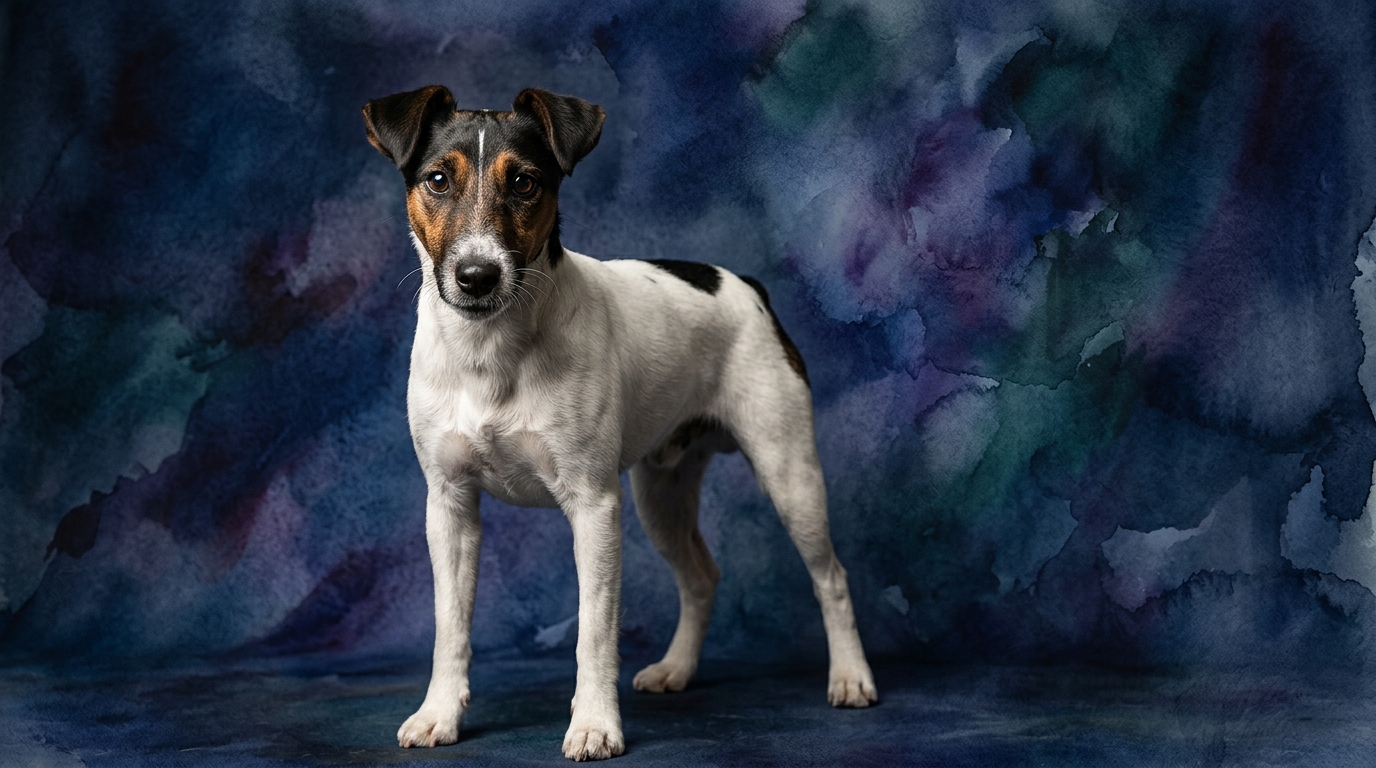
**Smooth Fox Terrier**
**Problem Solving (3/5)**: This terrier excels at practical, often physical problem-solving, driven by an inherent curiosity and a desire to investigate. They might methodically work to retrieve a hidden toy or figure out how to navigate an obstacle course, demonstrating persistent effort rather than intricate strategic planning. Their solutions often involve trial and error, coupled with a keen observation of their environment.
**Training Speed (3/5)**: Smooth Fox Terriers are generally quick to grasp new commands and routines, particularly when training is framed as an engaging game or a pathway to a desired outcome. However, their independent spirit means they learn quickly but may not always choose to *comply* if a more interesting distraction arises, requiring consistent, positive reinforcement and a strong handler-dog bond.
**Social Intelligence (3/5)**: Observant of their human companions, Smooth Fox Terriers can read moods and intentions, often using this understanding to their advantage in seeking attention or playtime. They engage actively with their family, but their social interactions with new people or other dogs can be more reserved or assertive, reflecting their self-assured nature rather than a lack of understanding.
**Instinctive Drive (3/5)**: Their terrier heritage manifests as a strong prey drive and an instinct for digging and exploring. This drive isn't just physical; it fuels their cognitive engagement, pushing them to "solve" the problem of a rustling bush or a hidden scent. This natural inclination to hunt and investigate provides a powerful internal motivation for engagement.
**Memory (3/5)**: Smooth Fox Terriers possess a good working memory for commands, routines, and the locations of favored objects or hunting spots. They remember past training sessions and successful strategies for overcoming obstacles, which contributes to their persistent problem-solving approach. Their memory is practical, serving their active and investigative lifestyle.
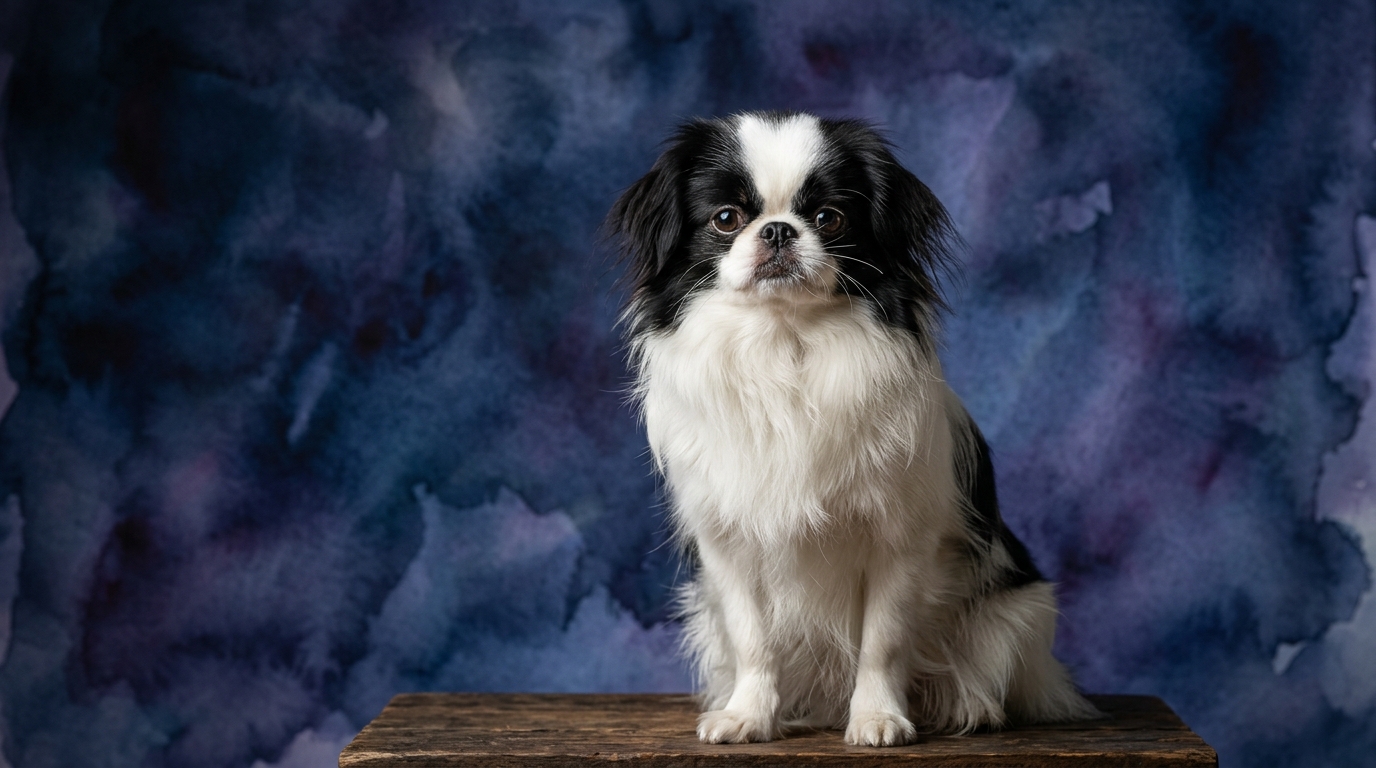
**Japanese Chin**
**Problem Solving (3/5)**: Japanese Chins display a clever, often subtle approach to problem-solving, frequently centered on their human companions. They might strategically position themselves for affection, use distinct vocalizations to communicate needs, or figure out how to access a favorite cozy spot. Their solutions are less about physical exertion and more about manipulating their environment or human interactions to achieve comfort or attention.
**Training Speed (3/5)**: These companion dogs are responsive and eager to please, often picking up new commands and house rules with relative ease, especially with gentle, positive reinforcement. Their sensitivity means they thrive on consistency and praise, and while they learn quickly, they can become discouraged by harsh methods. They excel at routines that involve their family, quickly understanding expectations.
**Social Intelligence (3/5)**: The Japanese Chin's social intelligence is highly refined, focused on human connection. They are adept at reading emotional cues, often mirroring their owner's mood or offering comfort. Their social interactions are typically polite and charming, and they use subtle body language and eye contact to communicate their desires and build strong bonds with their chosen family members.
**Instinctive Drive (3/5)**: While not driven by the same hunting instincts as terriers, the Japanese Chin possesses a strong instinctive drive for companionship and comfort. Their "drive" manifests as a profound need for close proximity to their humans, a desire for warmth, and an innate understanding of social hierarchies within the home. They instinctively seek out laps and soft places, and their vocalizations often serve social purposes.
**Memory (3/5)**: Japanese Chins have an excellent memory for people, routines, and preferred comfort zones. They readily recall positive and negative experiences, which influences their behavior and interactions. Their memory is particularly strong for social dynamics, remembering which family member is most likely to offer a treat or a cuddle.
Where Smooth Fox Terrier Wins Cognitively
The Smooth Fox Terrier's cognitive strengths shine particularly in scenarios requiring independent thought and physical persistence. Their 3/5 problem-solving score translates into a tenacity when faced with environmental challenges, such as figuring out how to open a gate or unearth a buried toy, without constant human prompting. This breed demonstrates a robust working memory for sequences of actions and spatial layouts, allowing them to navigate complex outdoor environments or remember where they last saw a potential "prey" item. Their instinctual drive, also rated 3/5, provides a strong internal motivation for exploration and investigation, which, when channeled, can make them formidable in dog sports requiring agility and focused attention on tasks. They are adept at learning through discovery and repetition in a dynamic setting, showing remarkable resilience in overcoming obstacles they perceive as "puzzles."
Where Japanese Chin Wins Cognitively
The Japanese Chin's cognitive advantages are most evident in their sophisticated social and emotional intelligence. Their 3/5 social intelligence score manifests as an exceptional ability to interpret human moods and intentions, often reacting with comforting gestures or playful antics to lighten the atmosphere. They are masters of subtle communication, using nuanced body language and vocalizations to express needs and desires, effectively "training" their owners through gentle persistence. Their problem-solving (3/5) often centers on optimizing their comfort and companionship, such as strategically choosing the warmest lap or the coziest spot on the sofa, or devising charming ways to solicit attention or treats. This breed's memory (3/5) is particularly strong for social routines and the preferences of their human family, allowing them to seamlessly integrate into household dynamics and anticipate daily events.
Which is Easier to Train and Why
When it comes to ease of training, both breeds present unique considerations despite their identical 3/5 training speed rating. The Japanese Chin often appears "easier" for owners seeking a biddable companion, primarily due to their strong desire to please and their sensitivity to handler cues. They are generally responsive to positive reinforcement, quickly associating commands with rewards and the approval of their beloved human. However, their delicate nature means they can become easily discouraged by harsh corrections, requiring a gentle, consistent approach. In contrast, the Smooth Fox Terrier, while equally quick to grasp concepts, often brings a strong independent streak to the training arena. Their 3/5 training speed is coupled with a 3/5 instinctive drive, meaning they learn rapidly but may choose to follow their nose or a perceived "more interesting" activity over a command. Training a Smooth Fox Terrier requires a handler who can make learning consistently engaging, manage distractions, and establish clear boundaries with unwavering consistency, transforming their natural curiosity and drive into focused cooperation. The Chin's desire for connection often makes them more overtly cooperative, while the Terrier's independent spirit demands a more strategic and persistent training methodology.
Which Suits Active Owners vs Relaxed Owners
The Smooth Fox Terrier is undeniably better suited for active owners who thrive on engagement and mental stimulation. Their robust instinctive drive and problem-solving prowess demand regular outlets for their energy and curiosity, making them ideal partners for activities like agility, earthdog trials, long hikes, or extensive play sessions. Owners who can provide consistent training, varied experiences, and plenty of opportunities for exploration will find a deeply rewarding and intelligent companion. Conversely, the Japanese Chin is an excellent match for more relaxed owners who appreciate a devoted, calm presence. While they enjoy short, gentle walks and playtime, their primary need is for companionship and comfort within the home. Their high social intelligence and adaptability mean they are content to be lap dogs, observing household activities and offering quiet affection. Their cognitive strengths are best appreciated in a tranquil environment where subtle social cues and close bonding are prioritized over strenuous physical activity.
The Verdict
Choose the Smooth Fox Terrier if you are an active, experienced owner seeking a tenacious, independent, and physically engaged companion for adventures and consistent mental challenges.
Opt for the Japanese Chin if you desire a sensitive, charming, and highly socially intelligent lap companion who thrives on close human connection and a calmer home environment.
🧠 Find Your Pet's IQ Score
Our Pet IQ Lab assessment covers 25+ tests across 5 cognitive dimensions — personalized to your breed.
Take the Full IQ Test →Frequently Asked Questions
Do Smooth Fox Terriers bark a lot due to their intelligence?
Smooth Fox Terriers can be vocal, not necessarily due to their intelligence, but because their problem-solving and instinctive drive often lead them to alert owners to novel sounds or perceived threats. Consistent training can help manage this natural terrier trait.
Are Japanese Chins easy to housetrain given their intelligence?
Japanese Chins are typically intelligent and can be housetrained successfully, especially with a consistent routine and positive reinforcement. Their small size and sensitivity mean they might require more frequent outdoor breaks and patience during the process.
How do these breeds' problem-solving skills differ in a home environment?
A Smooth Fox Terrier might problem-solve how to access a forbidden area or retrieve a toy from under furniture through persistent physical effort. A Japanese Chin, on the other hand, might problem-solve how to get attention or a treat from you using charming vocalizations or strategic positioning, relying more on social manipulation.