
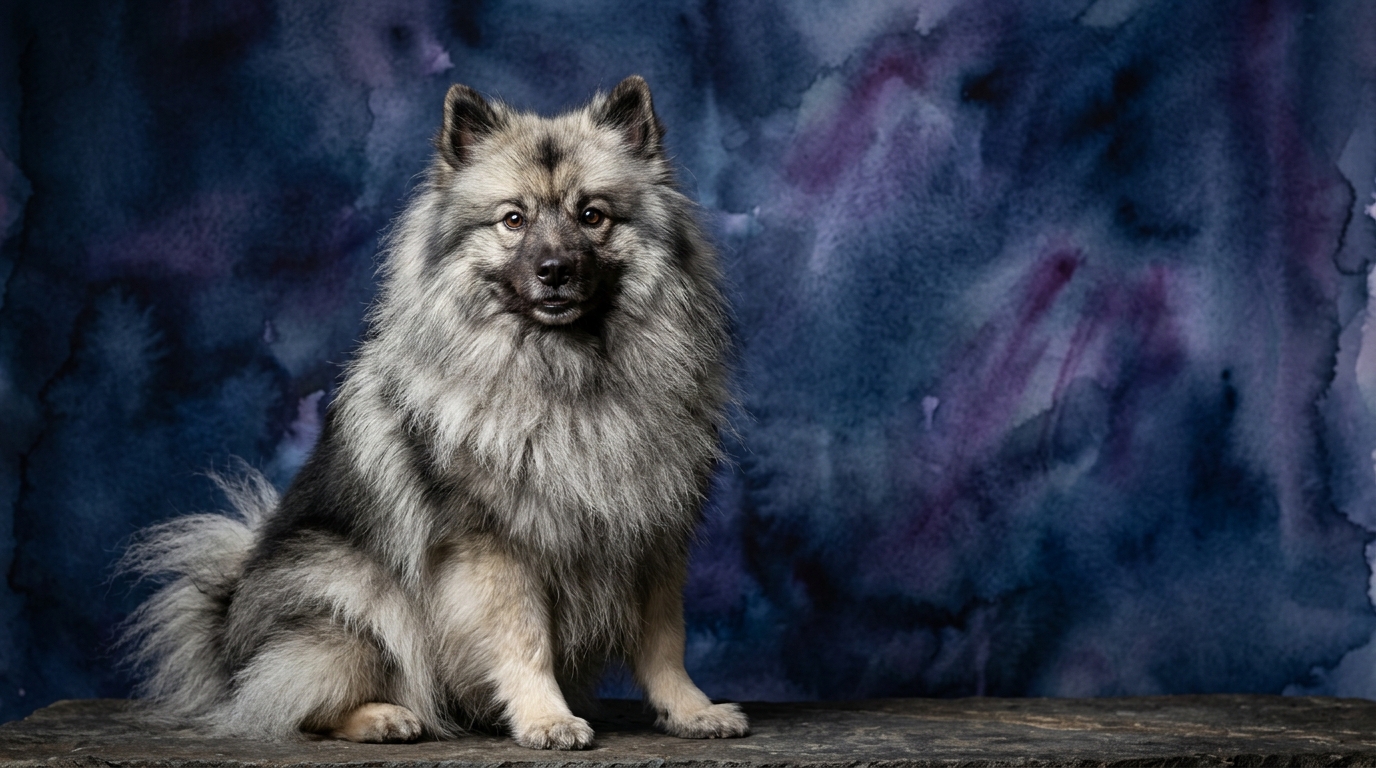
Side-by-Side Cognitive Profiles
To truly understand the mental landscape of these two breeds, we examine their cognitive abilities across five key dimensions, as assessed by The Cosmic Pet Pet IQ Lab:
Smooth Fox Terrier (Terrier Group): Problem Solving (3/5): These terriers exhibit a moderate capacity for navigating novel situations, often employing a persistent, trial-and-error strategy rather than immediate deductions. Their tenacity means they will often keep attempting a solution, even if it takes time to find. Training Speed (3/5): They learn new commands at a moderate pace, requiring consistent, engaging methods to capture and maintain their focus. Their independent nature means they might take a bit longer to commit to a learned behavior without strong motivation. Social Intelligence (3/5): Smooth Fox Terriers demonstrate a moderate understanding of social cues, capable of forming strong attachments but also prone to making their own decisions. They can perceive human moods but may prioritize their own interests. Instinctive Drive (3/5): A moderate level of innate terrier behaviors is present, including a drive to chase, dig, and explore. While active, these drives are typically manageable with appropriate outlets and consistent guidance. Memory (3/5): They possess a moderate ability to recall learned information and past experiences. While they remember routines and commands, less frequently practiced behaviors may require occasional reinforcement to stay sharp.
Keeshond (Non-Sporting Group): Problem Solving (4/5): Keeshonds show a good aptitude for understanding and resolving complex challenges, often displaying a thoughtful and analytical approach. They can connect concepts efficiently, helping them adapt to new environments or tasks. Training Speed (4/5): They typically grasp new commands and concepts quite readily, often eager to engage with their human companions in learning activities. Their attentiveness contributes to a relatively fast learning curve. Social Intelligence (3/5): Similar to the Smooth Fox Terrier, Keeshonds exhibit a moderate level of social perceptiveness, understanding human emotions and intentions well. They are generally responsive to their family’s moods and seek close companionship. Instinctive Drive (3/5): This breed displays a moderate level of inherent behaviors, particularly related to their historical role as watchdogs, manifesting as natural alertness and occasional vocalization. Their prey drive is generally present but not dominant. Memory (5/5): Keeshonds possess an exceptional capacity to retain information over extended periods, remembering commands, routines, and experiences with remarkable clarity. This strong recall supports consistent performance and allows them to anticipate events based on past patterns.
Where the Smooth Fox Terrier's Cognition Shines
The Smooth Fox Terrier's cognitive strengths often lie in its tenacious application of its moderate problem-solving skills, combined with its independent spirit. While its problem-solving score is 3/5, its terrier grit means it will persist where others might give up, systematically trying different approaches until a solution is found, particularly when a reward is involved. This persistence is a cognitive asset in itself, indicating a strong internal motivation to overcome obstacles. Their moderate instinctive drive, while not as pronounced as some other terriers, is channeled into a focused determination, making them particularly effective at tasks requiring sustained effort and a certain degree of self-reliance, such as navigating complex scent trails or extracting hidden toys. This breed often exhibits a 'figure it out for themselves' mentality that, while sometimes challenging in training, can be a powerful cognitive tool for independent exploration and discovery.
Where the Keeshond's Cognition Excels
The Keeshond's cognitive profile shines brightly in its superior memory (5/5) and a more refined problem-solving capacity (4/5). This combination allows them to learn and retain complex sequences of actions or commands with remarkable ease, making them proficient at advanced obedience or trick training. Their strong memory means they rarely forget what they have learned, leading to consistent performance even after long breaks. Furthermore, their enhanced problem-solving isn't just about persistence; it often involves a more insightful approach, where they can analyze a situation and deduce a solution rather than relying solely on trial and error. This ability to reason and remember makes them highly adaptable to new situations once they've processed the initial information, and they are excellent at remembering specific routines or the location of favorite items, often anticipating events based on learned patterns.
Training Ease: Unpacking Behavioral Differences
Training ease is a significant differentiator between these two breeds, primarily due to their distinct cognitive profiles in training speed and memory. The Keeshond, with its 4/5 training speed and an exceptional 5/5 memory, generally presents a smoother training experience. They grasp new commands quickly, often responding well to positive reinforcement and clear instructions. Their strong memory ensures that once a behavior is learned, it is retained effectively, reducing the need for constant refreshers. This breed often thrives on the mental engagement of training and enjoys working collaboratively with their owners, making them receptive to various disciplines from basic obedience to agility.
In contrast, the Smooth Fox Terrier, with a 3/5 training speed and 3/5 memory, requires a more patient and creative approach. While certainly capable of learning, their independent terrier nature means they might not always see the immediate value in complying with a command if it doesn't align with their current interests. Their moderate memory means that consistency is paramount; behaviors need to be reinforced regularly to ensure retention. Training a Smooth Fox Terrier demands engaging sessions that prevent boredom and tap into their natural curiosity and drive, often turning the learning process into a game. Their 'what's in it for me?' attitude can make training feel like a negotiation, but when motivated, they can perform admirably. Real behavioral differences include the Keeshond's natural inclination to be a companion and watchdog, making them attentive to their owner's directives, while the Smooth Fox Terrier's historical role as a hunter of vermin fosters a self-directed problem-solving style that can sometimes be perceived as stubbornness in a domestic training context.
Matching Breeds to Lifestyles: Active vs. Relaxed Owners
For active owners seeking a canine partner with a zest for adventure and a moderate but persistent drive, the Smooth Fox Terrier is an excellent match. Their 3/5 instinctive drive, while not overwhelming, translates into a lively spirit that thrives on regular physical exercise and mental stimulation. They enjoy exploring, digging, and engaging in energetic play, making them suitable for owners who enjoy hiking, long walks, or dog sports like earthdog trials or agility. Their independent streak means they appreciate activities where they can use their own initiative, and they benefit from owners who can channel their terrier tenacity into productive outlets. These dogs are not content to be couch potatoes; they need an owner who can provide consistent engagement and opportunities for them to expend their energy and satisfy their curious minds.
The Keeshond, while certainly enjoying activity, can also adapt well to owners with a more relaxed lifestyle, provided their moderate exercise needs are met. Their 3/5 instinctive drive is expressed more in their watchful nature and desire for companionship than in a relentless need for physical exertion. They are content with moderate daily walks, play sessions, and mental enrichment through training and puzzles. What they truly crave is interaction with their family, making them ideal for owners who prioritize companionship and indoor activities over strenuous outdoor adventures. Their strong memory and problem-solving skills mean they appreciate mental stimulation, but this can often be achieved through interactive games, learning new tricks, or simply being involved in daily household routines. They are generally adaptable, thriving in homes where they are an integral part of the family, whether that family is constantly on the go or enjoys more serene pursuits.
The Verdict
Opt for a Smooth Fox Terrier if you appreciate a resilient, independent spirit and are prepared to engage with a dog that approaches challenges with tenacious effort and moderate self-reliance. This breed thrives with active owners who can provide consistent, engaging training and ample opportunities for physical and mental exploration, channeling their spirited drive effectively.
Select a Keeshond if you desire a highly trainable companion with exceptional memory and a thoughtful approach to learning, eager to please and form deep bonds. This breed suits owners who value a dog that learns quickly, retains information well, and enjoys being a central, watchful part of family life, adapting to both active and more relaxed routines.
🧠 Find Your Pet's IQ Score
Our Pet IQ Lab assessment covers 25+ tests across 5 cognitive dimensions — personalized to your breed.
Take the Full IQ Test →Frequently Asked Questions
Is the Smooth Fox Terrier difficult to train?
The Smooth Fox Terrier is not difficult to train, but requires consistency and engaging methods due to its moderate training speed and independent terrier nature. Owners should focus on positive reinforcement and make training sessions fun to keep their attention and leverage their problem-solving persistence.
Do Keeshonds need a lot of exercise?
Keeshonds have moderate exercise needs, enjoying daily walks and play, but they do not require intense, prolonged activity like some working breeds. Their mental stimulation is equally important, which can be met through training, interactive games, and being involved in family activities.
Which breed is better with children?
Both breeds can be good with children, but their temperaments differ; the Keeshond's social intelligence and desire for companionship often make them gentle and watchful family dogs. The Smooth Fox Terrier, while affectionate, has a more spirited and independent personality, requiring supervision to ensure appropriate interactions with younger children.