Side-by-Side IQ Profiles: Unpacking the 3/5 Score
The Cosmic Pet Pet IQ Lab employs a five-dimensional model to assess canine cognition, and interestingly, both the Smooth Fox Terrier and the Treeing Walker Coonhound register a consistent 3/5 across all categories. This numerical parity, however, belies significant qualitative differences in how these breeds apply their cognitive strengths, rooted deeply in their historical roles and breed-specific drives. A 3/5 score indicates a solid, proficient level of cognitive ability, not a limitation, but rather a characteristic expression of their innate capabilities.
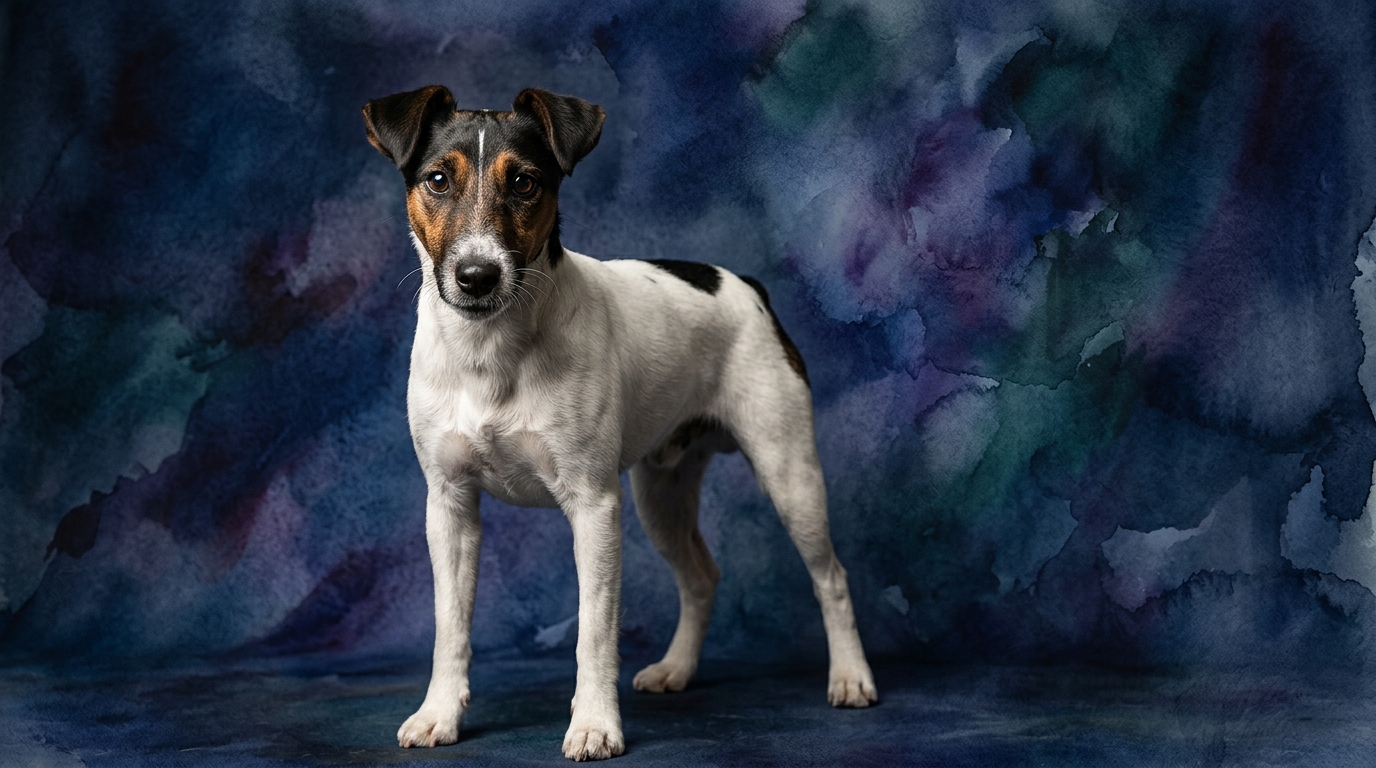
For the Smooth Fox Terrier, a breed developed for flushing small game from burrows, their cognitive profile reflects a need for quick thinking and independent action. Their Problem Solving at 3/5 often manifests as resourceful ingenuity in immediate, tangible situations, such as figuring out how to access a confined space or outmaneuver a small, quick-moving target. Training Speed, also 3/5, indicates they are capable learners, but their independent spirit means consistency and engaging methods are crucial to maintain their focus. Social Intelligence at 3/5 suggests they are attentive to their human companions and understand social cues within their established 'pack,' though they might be less inclined to defer to strangers or other dogs. Their Instinctive Drive, a strong 3/5, is heavily geared towards prey pursuit and digging. Finally, Memory at 3/5 ensures they retain learned behaviors, routines, and the locations of interesting stimuli effectively, whether it's a hidden toy or a past 'find.'
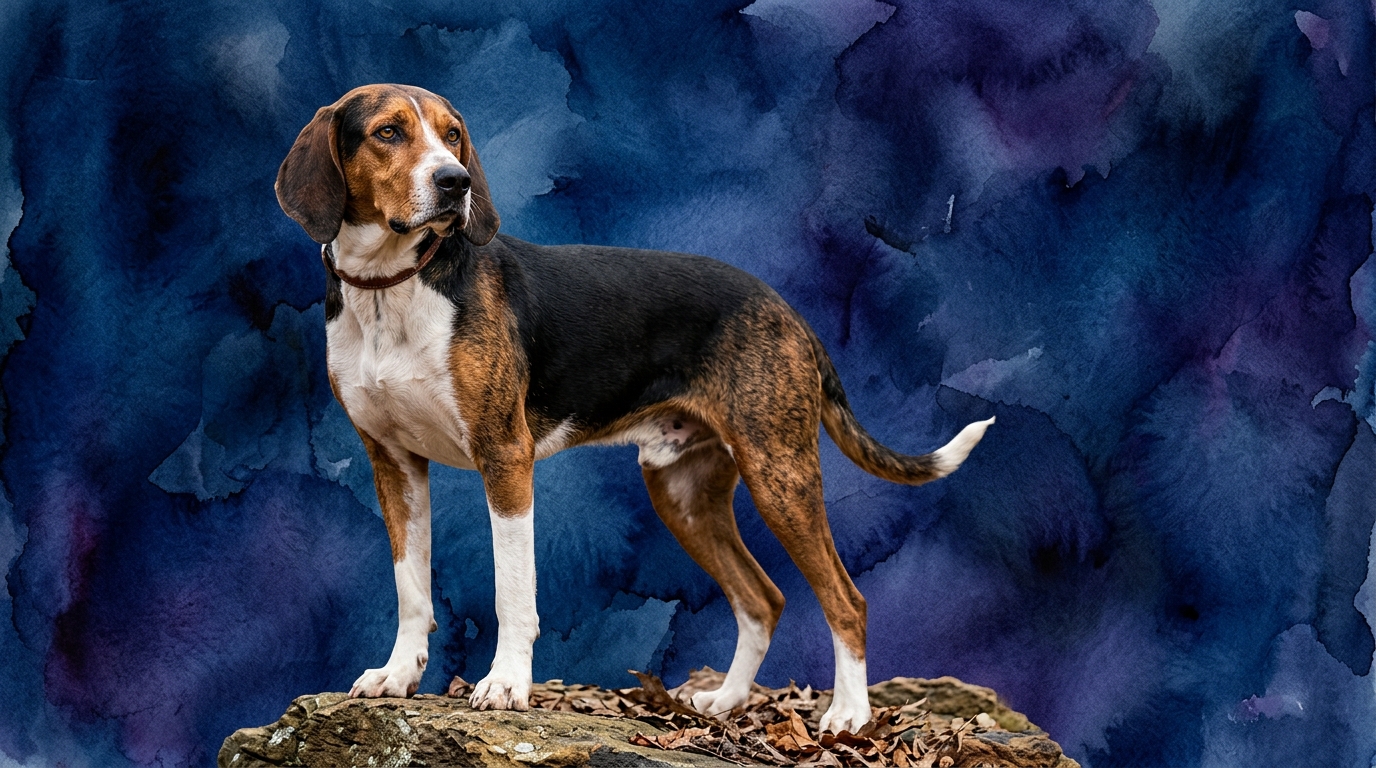
The Treeing Walker Coonhound, bred for tracking and treeing raccoons and other nocturnal game, demonstrates its 3/5 scores in a distinctly different manner. Their Problem Solving at 3/5 is less about immediate, physical confrontation and more about persistent, sequential deduction, particularly when unraveling complex scent trails over varied terrain. Training Speed, also 3/5, implies they are capable of learning, but their profound instinctive drive, especially for scent, often makes traditional obedience a secondary concern; they learn best when training is tied to their natural inclinations. Social Intelligence at 3/5 typically means they are very people-oriented and affectionate with their families, understanding household dynamics and often seeking companionship. Their Instinctive Drive, a powerful 3/5, is overwhelmingly focused on scent work and the pursuit of quarry, dictating much of their behavioral output. Memory, also 3/5, is exceptional for scent patterns, trail specifics, and the locations of past 'treeings,' allowing them to recall intricate routes and environmental details with remarkable precision.
Where the Smooth Fox Terrier Shows its Cognitive Edge
The Smooth Fox Terrier's cognitive strengths often lie in its agility of thought and its ability to adapt its substantial problem-solving skills to a variety of human-centric tasks. Their 3/5 problem-solving isn't just about hunting; it translates into a quick grasp of how mechanical toys work, how to navigate complex agility courses, or how to 'trick' a human into providing a desired treat. This breed often demonstrates a rapid understanding of cause-and-effect in their immediate environment, making them adept at learning new tricks or mastering obstacle courses where quick decisions are paramount. Their 3/5 social intelligence also allows them to quickly pick up on human moods and intentions, often using this understanding to their advantage in playful or attention-seeking ways. They are masters of engaging in structured play, quickly learning the rules of games like fetch or hide-and-seek, and showing a keen enthusiasm for interactive challenges that leverage their physical and mental quickness.
Where the Treeing Walker Coonhound Excels Cognitively
The Treeing Walker Coonhound's cognitive prowess shines brightest in the realm of scent-driven deduction and sustained focus. Their 3/5 problem-solving is a testament to their ability to process and interpret an immense amount of olfactory information, reconstructing the complex narrative of a scent trail with incredible precision. This involves not just following a direct line, but making sophisticated inferences about direction, age of scent, and environmental factors, showcasing a unique form of sequential reasoning. Their 3/5 instinctive drive translates into an unparalleled endurance in focus when engaged in scent work; while they might seem easily distracted by scent during traditional training, this is actually a manifestation of their profound ability to concentrate on a single, long-term objective. This sustained mental effort, combined with their 3/5 memory for trails, allows them to navigate vast and intricate landscapes, a feat of cognitive mapping and sensory processing that few breeds can match. Furthermore, their social intelligence, while expressed as family loyalty, historically facilitated cooperative hunting strategies within a pack, requiring a different kind of inter-canine communication and understanding than a solo terrier.
Training Dynamics: A Tale of Two 3/5s
When considering ease of training, both breeds present unique challenges despite their matching 3/5 Training Speed scores. The Smooth Fox Terrier, with its 3/5 training speed, can indeed learn commands quickly, but their independent nature and strong prey drive (3/5 Instinctive Drive) mean that compliance is often conditional. They might understand what you want but choose to prioritize a rustling leaf or a distant squirrel over your command. Training a Smooth Fox Terrier requires consistent, engaging, and often varied methods to keep their attention, using positive reinforcement to channel their spirited focus. Overcoming their inherent willfulness and teaching reliable recall in the face of distractions is a significant endeavor, demanding patience and a creative approach to make training more compelling than external stimuli.
The Treeing Walker Coonhound, also scoring 3/5 in Training Speed, faces a different hurdle: their overwhelming scent drive (3/5 Instinctive Drive). While they are capable learners and generally eager to please their human companions (3/5 Social Intelligence), once their nose hits a compelling scent, their world narrows to that single sensory input. Recall can become almost non-existent in these moments, as their memory (3/5) is dedicated to mapping the trail. Training them effectively means understanding and working with their hound nature. Incorporating scent games and tasks into their routine can make training highly rewarding for them, but traditional obedience often requires exceptional patience and high-value rewards to compete with the allure of a good trail. Neither breed is 'easy' in the conventional sense, as both require owners dedicated to understanding and managing their powerful, distinct drives.
Lifestyle Match: Active vs. Relaxed Owners
Neither the Smooth Fox Terrier nor the Treeing Walker Coonhound are suited for truly 'relaxed' owners in the sense of minimal daily activity. Both are working breeds whose 3/5 instinctive drives demand substantial physical and mental exertion. A Smooth Fox Terrier requires an owner who is prepared for a spirited companion needing consistent physical activity, such as long walks, vigorous play sessions, or participation in dog sports like agility or earthdog trials. Their 3/5 problem-solving and memory also necessitate regular mental stimulation through puzzle toys, training sessions, or engaging games to prevent boredom and potential destructive behaviors. They thrive with owners who enjoy an active lifestyle and can provide structured outlets for their energy and terrier tenacity.
The Treeing Walker Coonhound demands an even higher degree of outdoor activity, particularly opportunities to engage their profound scent drive. Owners must be willing to provide extensive, often off-leash, exercise in secure areas where they can safely explore scents, or engage in structured scent work like tracking or barn hunt. Their 3/5 instinctive drive means that a well-exercised Coonhound is a content Coonhound, but without adequate physical and mental outlets, they can become restless, vocal, and prone to developing undesirable habits. While affectionate and generally calm indoors after sufficient activity, their fundamental need for outdoor exploration and scent work means they are best suited for highly active owners who appreciate and can accommodate their hound-specific instincts.
The Verdict: Choosing Your Canine Companion
The Verdict
Choose the Smooth Fox Terrier if you seek a spirited, quick-witted companion for varied activities, enjoy engaging in structured games, and are prepared for a dog that brings terrier tenacity and an independent streak to every interaction. They suit an owner who values a dog with a versatile intellect and an energetic approach to life.
Choose the Treeing Walker Coonhound if you appreciate a dog whose mind is primarily dedicated to the art of scent work, are willing to provide extensive outdoor adventures, and desire a loyal, affectionate hound whose greatest joy is following a trail. They are ideal for owners passionate about outdoor exploration and capable of fulfilling a deep-seated instinct.
🧠 Find Your Pet's IQ Score
Our Pet IQ Lab assessment covers 25+ tests across 5 cognitive dimensions — personalized to your breed.
Take the Full IQ Test →Frequently Asked Questions
Are Smooth Fox Terriers good family dogs?
Smooth Fox Terriers can be excellent family dogs for active families who understand their energetic and sometimes feisty nature. They are generally playful and devoted to their immediate family, but their strong prey drive and independent streak mean they require consistent training and supervision, especially around very young children or other small pets.
Do Treeing Walker Coonhounds bark a lot?
Treeing Walker Coonhounds are known for their distinctive 'baying' vocalizations, which are an integral part of their hunting heritage. They can be quite vocal, especially if bored, under-exercised, or when they catch an interesting scent. Consistent training and sufficient mental and physical stimulation are key to managing their vocal tendencies.
What kind of mental stimulation do these breeds need?
Smooth Fox Terriers benefit from puzzle toys, obedience training, agility, and interactive games that challenge their quick thinking. Treeing Walker Coonhounds thrive on scent work, tracking games, and long 'sniff walks' where they can explore their environment through their nose. Both breeds require consistent mental engagement to prevent boredom and destructive behaviors.