Side-by-Side IQ Profile
The Cosmic Pet Pet IQ Lab evaluates five key cognitive dimensions, and both the Soft Coated Wheaten Terrier and the Australian Terrier register a consistent 3/5 across the board. This identical scoring highlights a functional, capable level of intelligence in both breeds, yet their specific manifestations of these abilities differ based on their breed-specific roles and dispositions.
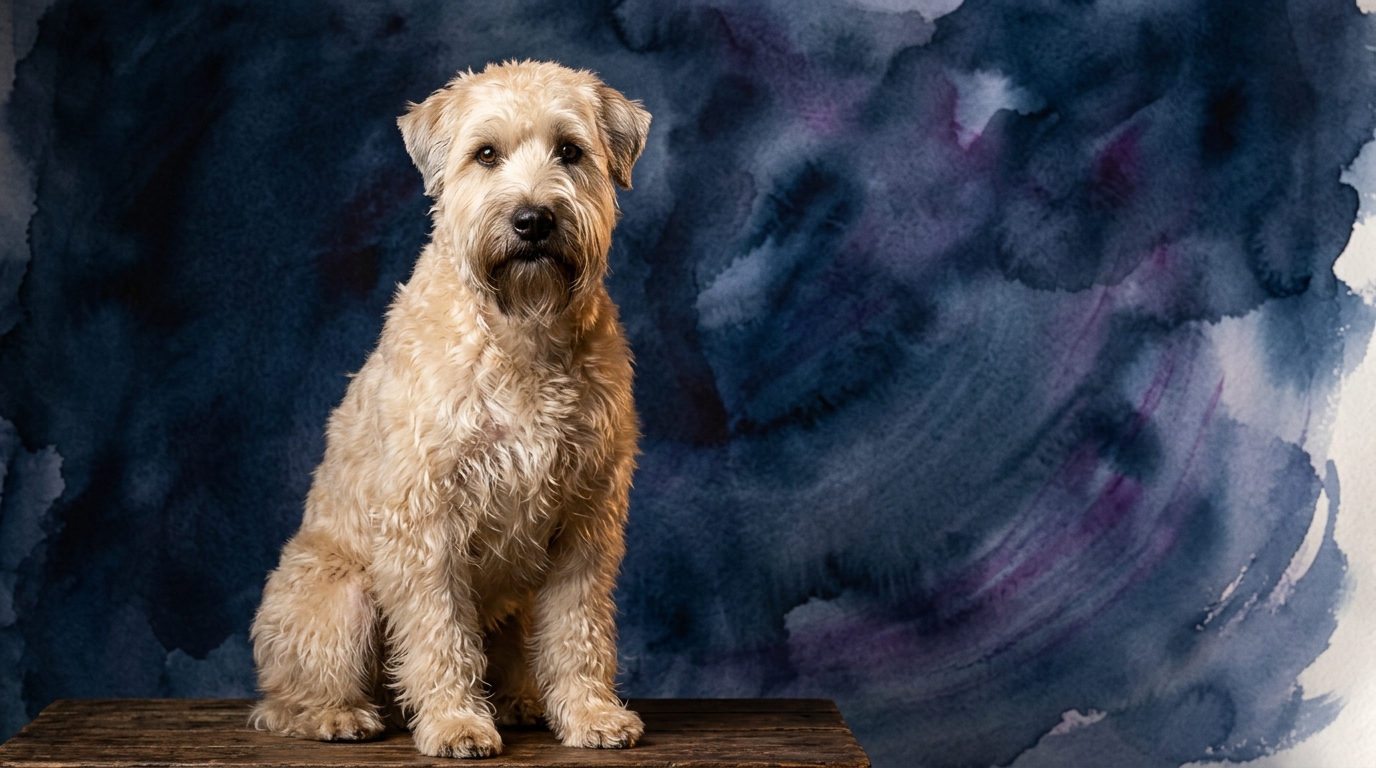
The Soft Coated Wheaten Terrier demonstrates a Problem Solving (3/5) aptitude often directed toward social dynamics. They excel at figuring out how to gain attention, initiate play, or subtly manipulate situations to be closer to their human family. Their solutions frequently involve charming persistence and engaging interaction. Their Training Speed (3/5) reflects a consistent learning curve, absorbing new commands and routines effectively, especially when training is positive, engaging, and reinforces their desire for connection. A Wheaten’s Social Intelligence (3/5) is particularly pronounced; they are highly attuned to human emotions and household moods, often seeking to comfort or engage, thriving on being an integral part of family activities. Their Instinctive Drive (3/5), while present as a terrier, is often expressed in a more moderated fashion, manifesting as playful chasing or curious exploration rather than intense, persistent hunting or digging. Finally, their Memory (3/5) is robust, allowing them to recall learned behaviors, familiar faces, and established routines, contributing to their adaptability within a structured home environment.
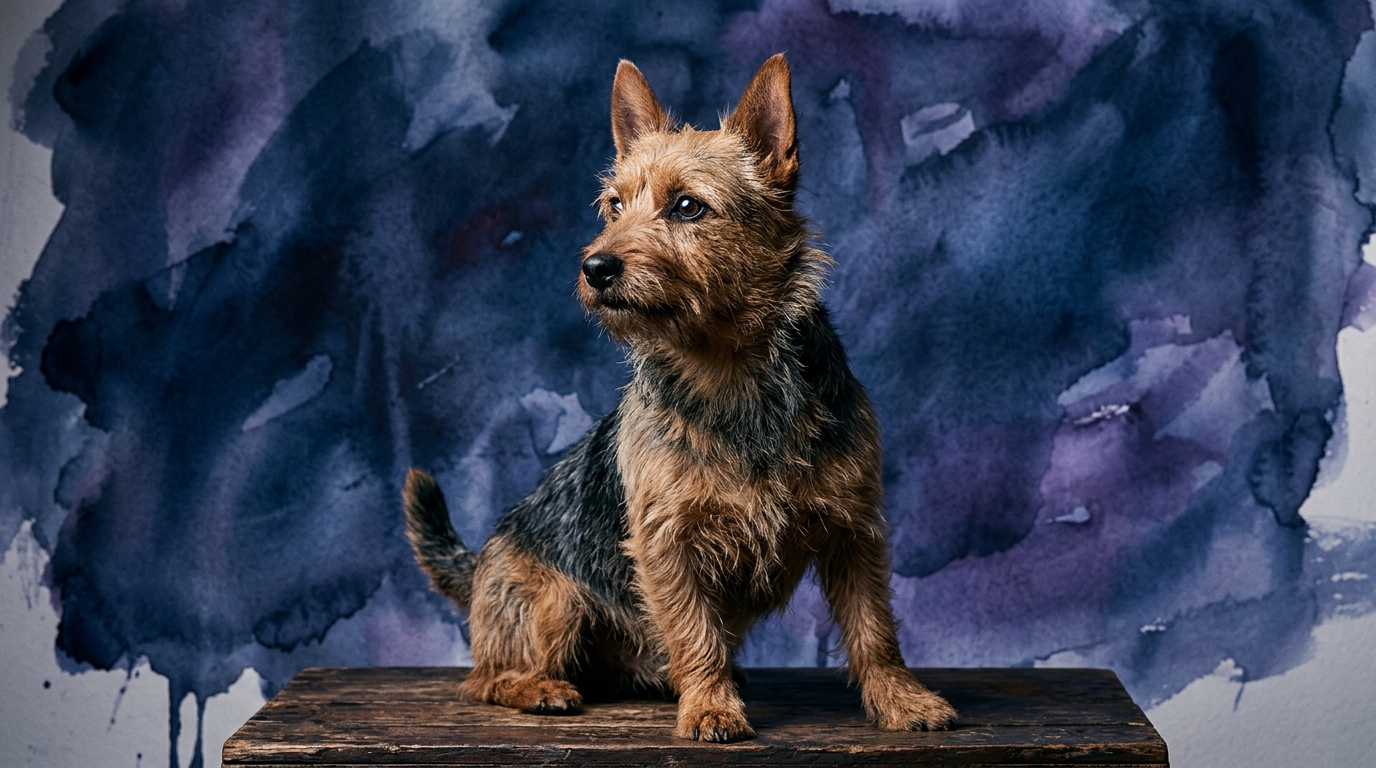
The Australian Terrier also exhibits a Problem Solving (3/5) capacity, though it often leans towards environmental navigation and independent exploration. They are resourceful in figuring out how to access interesting smells, investigate hidden nooks, or manage perceived intruders in their territory. Their Training Speed (3/5) is steady; they learn commands and tasks efficiently, particularly when the training offers clear objectives and reinforces their innate tenacity. However, their independent spirit means consistency is key. Their Social Intelligence (3/5) fosters deep, loyal bonds with their immediate family, making them perceptive to their humans' needs and moods, though they might display a more reserved or watchful demeanor around strangers. The Australian Terrier’s Instinctive Drive (3/5) is a defining characteristic, embodying the traditional terrier spirit with a strong inclination to dig, chase small prey, and patrol their domain. This drive is deeply ingrained and requires appropriate outlets. Their Memory (3/5) is reliable for recalling territorial boundaries, established routines, and the consequences of past actions, aiding in their role as a vigilant companion.
Where the Soft Coated Wheaten Terrier Shines Cognitively
The Soft Coated Wheaten Terrier truly shines in cognitive applications that prioritize social engagement and emotional attunement. Their 3/5 social intelligence is often expressed through their renowned "Wheaten Greetin'," a joyful, full-body welcome that demonstrates not just recognition (memory 3/5), but also a profound understanding of social bonding and the emotional impact of their presence. Their problem-solving (3/5) is frequently channeled into devising ways to elicit interaction, whether by nudging a hand for pets or presenting a toy with charming persistence. This breed excels in scenarios requiring adaptable social navigation within a family unit, making them adept at integrating into diverse household dynamics and responding sensitively to human cues. They apply their cognitive strengths to maintaining harmonious, interactive relationships, often anticipating their family's needs for companionship.
Where the Australian Terrier Excels Cognitively
Conversely, the Australian Terrier excels in cognitive domains that demand tenacity, environmental awareness, and a more independent application of their abilities. Their 3/5 problem-solving often manifests as determined resourcefulness in the face of physical or sensory challenges, such as tracking an intriguing scent or finding a way through a perceived barrier. Their instinctive drive (3/5) fuels a focused curiosity, leading them to investigate and interact with their surroundings with purpose. This breed's cognitive strengths are particularly evident in their vigilance and their ability to quickly assess and react to changes in their environment, making them effective small guardians. They apply their memory (3/5) to retaining detailed knowledge of their territory and routines, contributing to their reliability and a sense of order within their perceived domain, often acting as a self-appointed scout or protector.
Training Dynamics: Which is Easier and Why?
Both breeds score 3/5 in training speed, indicating a solid capacity to learn, but their underlying motivations and behavioral tendencies create distinct training experiences. The Soft Coated Wheaten Terrier, with its strong social intelligence and desire for interaction, can often appear easier to train in contexts where pleasing their human is the primary motivator. They respond well to positive reinforcement and praise, quickly grasping commands that lead to attention or play. However, their exuberant nature and occasional "selective hearing" when over-excited can pose challenges; managing their enthusiastic greeting behavior (a manifestation of their social intelligence and memory for positive interactions) requires consistent effort. Their problem-solving (3/5) might also be applied to finding loopholes in rules if not clearly established.
The Australian Terrier's training journey is shaped by its robust instinctive drive (3/5) and independent spirit. While they possess the same 3/5 training speed, their innate terrier tenacity means they will learn what is asked, but might choose to obey based on their own assessment of the situation's priorities. For example, a strong scent or the sight of a small critter can easily override a "come" command, directly reflecting their problem-solving applied to their instinctive drive. Effective training for an Australian Terrier requires unwavering consistency, clear boundaries, and methods that engage their investigative nature, often incorporating games or tasks that mimic their natural instincts in a controlled manner. Redirecting their strong digging or chasing behaviors requires proactive management and consistent reinforcement from a young age.
Matching Breeds to Lifestyles: Active vs. Relaxed Owners
When considering lifestyle compatibility, both breeds thrive with active engagement, but the nature of that activity differs. The Soft Coated Wheaten Terrier is an excellent fit for active owners who seek a highly interactive, playful companion eager to participate in family life. Their cognitive profile, particularly their strong social intelligence and adaptable problem-solving, means they need mental stimulation that involves their people – structured play, training sessions, and inclusion in daily activities are paramount. They are less suited for truly "relaxed" owners who prefer a dog that is largely independent, as a Wheaten can become bored or mischievous without sufficient human interaction. Their exuberance needs an outlet, making them ideal for owners who enjoy regular walks, trips to the dog park, or even dog sports.
The Australian Terrier also requires an active owner, but one who appreciates their independent spirit and provides outlets for their innate terrier drives. Their 3/5 instinctive drive and problem-solving abilities mean they benefit from owners who enjoy exploring outdoors, hiking, or engaging in activities that allow them to use their keen senses and tenacity. While they enjoy cuddling up with their family, this typically occurs after their physical and mental energy needs have been met. They are not content to be purely decorative; they need purposeful activity that challenges their intellect and satisfies their natural instincts, such as scent work, earthdog trials, or agility. A relaxed owner who cannot commit to managing their investigative nature and providing consistent boundaries might find their independent streak challenging.
The Verdict
For families seeking an effusive, socially engaged companion who thrives on interaction and integrates seamlessly into a bustling home, offering playful problem-solving and adaptable social acumen, the Soft Coated Wheaten Terrier is an ideal choice.
For individuals or families who value a spirited, tenacious partner with a keen investigative mind, capable of independent adventures yet fiercely loyal, provided their instinctive drives are actively managed, the Australian Terrier will be a rewarding addition.
🧠 Find Your Pet's IQ Score
Our Pet IQ Lab assessment covers 25+ tests across 5 cognitive dimensions — personalized to your breed.
Take the Full IQ Test →Frequently Asked Questions
Are Soft Coated Wheaten Terriers good with children?
Often, yes, their social intelligence (3/5) and playful nature make them good family dogs. However, their exuberance, especially the "Wheaten Greetin'," requires supervision with very young children to prevent accidental bumps. Proper socialization and training are crucial for a harmonious household.
Do Australian Terriers require a lot of exercise?
Australian Terriers possess a moderate to high energy level befitting their instinctive drive (3/5) and terrier heritage. They benefit from daily walks, playtime, and opportunities for mental engagement to satisfy their investigative nature. Regular activity helps manage their robust spirit.
How do these breeds differ in their "terrier-ness"?
While both are terriers, the Wheaten exhibits a softer, more people-focused "terrier-ness" with its instinctive drive (3/5) often channeled into play and companionship. The Australian Terrier, with its similar 3/5 instinctive drive, typically displays a more traditional terrier tenacity, including a stronger inclination to dig, chase, and be a vigilant watchdog, reflecting its working heritage.