Side-by-side IQ Profile
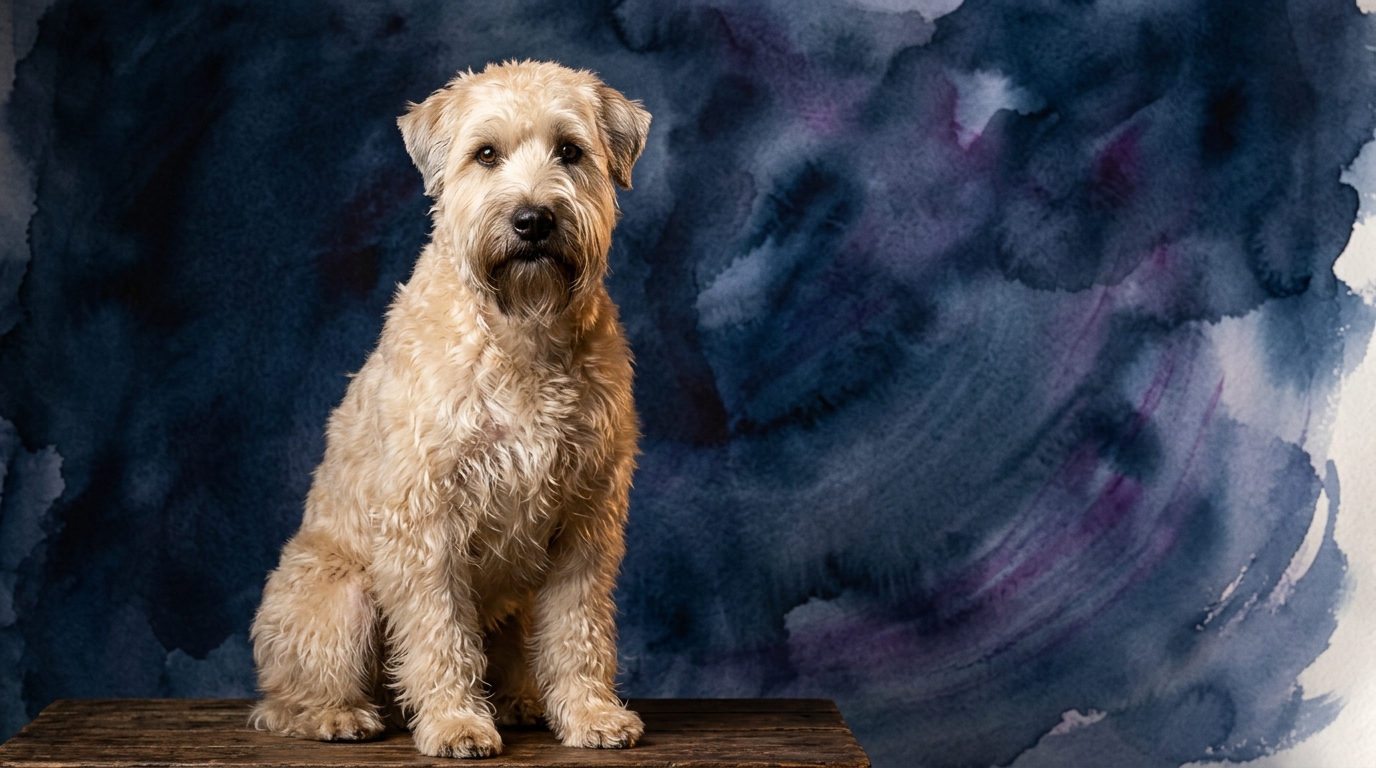
Soft Coated Wheaten Terrier (Terrier Group): Wheatens exhibit a pragmatic, often independent approach to solving dilemmas, whether it's figuring out how to access a forbidden treat or navigating a new environment. Their solutions might not always align with human expectations, reflecting a resourceful rather than strictly compliant mindset.
Training Speed (3/5): These dogs generally learn new commands at a moderate pace, particularly when motivation is high and training is engaging. Their eagerness to please is balanced by a characteristic terrier independence, meaning they might process information quickly but choose to execute based on their own assessment of the situation.
Social Intelligence (3/5): Wheatens are typically social and attuned to their human companions, often displaying expressive communication through their “wheaten greetin’” and playful antics. While they understand social cues, their exuberance can sometimes override subtle signals, leading to enthusiastic rather than nuanced interactions.
Instinctive Drive (3/5): Reflecting their terrier heritage, Wheatens possess a moderate yet present drive for chasing, digging, and exploring. This instinctual curiosity fuels their engagement with the world but also means they can be easily distracted by novel stimuli or the pursuit of small prey.
Memory (3/5): Wheatens demonstrate a reliable memory for routines, learned commands, and positive or negative experiences. They remember past training sessions and the outcomes of their actions, enabling them to adapt their behavior over time, though occasional selective recall might be observed when a more appealing activity arises.
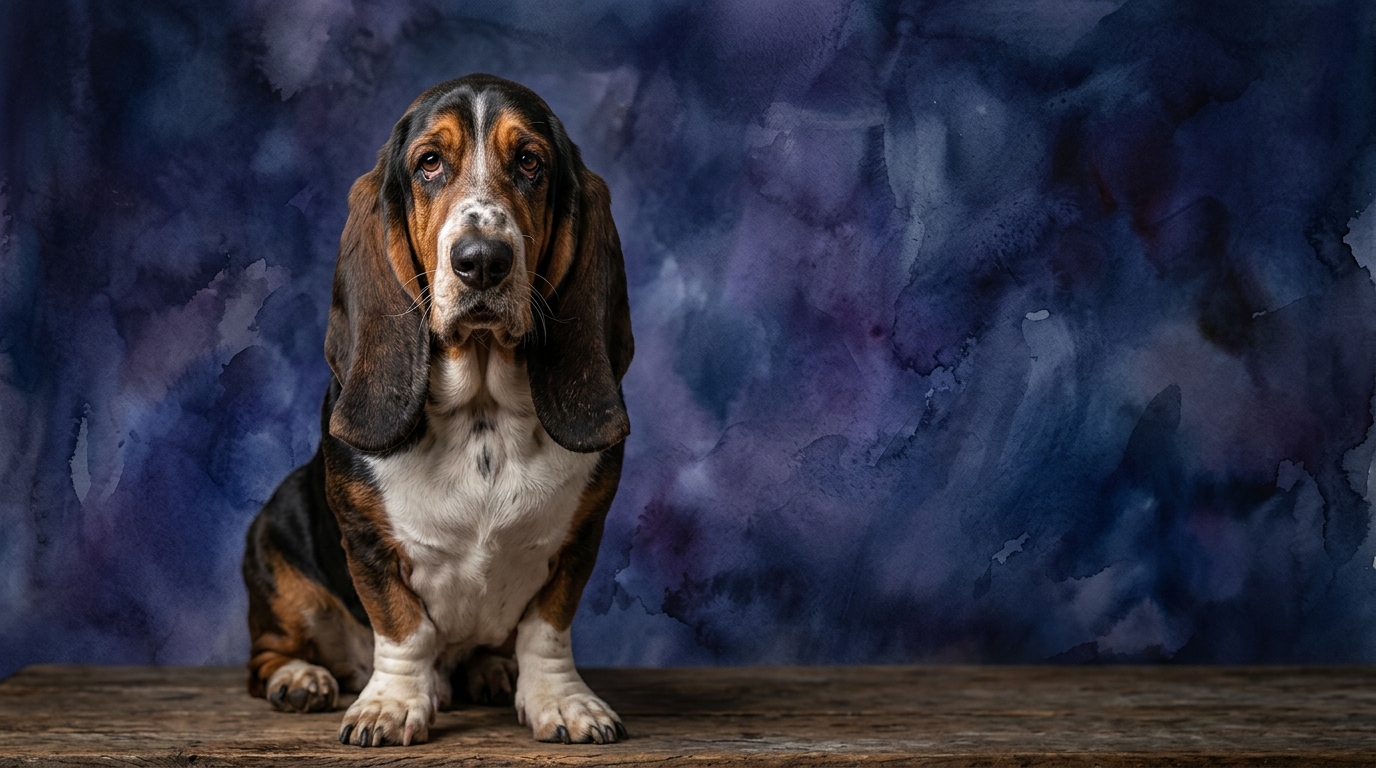
Basset Hound (Hound Group): Basset Hounds excel in a very specific form of problem-solving: unraveling complex scent puzzles. Their cognitive energy is overwhelmingly directed towards interpreting olfactory information, making them tenacious and effective at tracking, but less inclined towards abstract or manipulation-based challenges.
Training Speed (3/5): Bassets can learn commands, but their training speed is often perceived as deliberate due to their deep immersion in their sensory world. Gaining and maintaining their attention, especially when a compelling scent is present, requires significant patience and high-value rewards, as their motivation often stems from their own intrinsic drives rather than human approval.
Social Intelligence (3/5): Bassets are generally good-natured and affectionate, forming strong bonds with their families. They respond to gentle interactions and familiar voices. However, their profound focus on scent can sometimes make them appear oblivious to human social cues or environmental changes, as their primary processing power is often engaged elsewhere.
Instinctive Drive (3/5): The Basset Hound’s instinctive drive is almost singularly dominated by its powerful sense of smell. This drive is not merely moderate; it is a fundamental aspect of their being, compelling them to follow a scent trail with unwavering persistence, often overriding other cognitive functions and external distractions.
Memory (3/5): Bassets possess an excellent memory for scent trails, familiar routes, and the locations of interesting smells. They remember established routines and the people they bond with. However, their memory for complex, multi-step commands might be less robust if those commands conflict with their primary scent-following instinct.
Where Soft Coated Wheaten Terrier Wins Cognitively
The Wheaten Terrier’s cognitive edge lies in its generalist adaptability and keen engagement with a diverse range of human-centric tasks. Their problem-solving, while rated 3/5, often manifests as a quick wit and a capacity to learn varied skills that require both physical dexterity and mental agility, such as agility courses or complex trick training. They are more likely to initiate novel interactions or find creative (and sometimes mischievous) ways to achieve their goals within a home environment, demonstrating a flexible intelligence that readily applies to different scenarios. Their social intelligence, though rated similarly, allows for more dynamic two-way communication, making them highly responsive to nuanced human feedback and capable of adjusting their behavior in social settings more readily than the scent-driven Basset.
Where Basset Hound Wins Cognitively
The Basset Hound’s cognitive superiority is unequivocally in its specialized olfactory intelligence and unparalleled persistence. While their general problem-solving might seem less varied, their ability to meticulously follow and differentiate complex scent trails is a cognitive marvel, far surpassing the Wheaten Terrier in this specific domain. This isn't just about nose power; it involves sophisticated memory for scent topography, selective attention to target odors, and an unwavering focus that allows them to process vast amounts of sensory data over long periods. Their instinctive drive, rated 3/5, is a testament to this deep specialization, enabling them to sustain cognitive effort on a single, scent-based task long after other breeds would lose interest, making them exceptional for tracking and detection work.
Which is Easier to Train and Why
When considering ease of training, the Soft Coated Wheaten Terrier generally presents a more straightforward path for the average owner. Their moderate training speed and social intelligence mean they are typically eager to learn and respond well to positive reinforcement and consistent methods. While their terrier independence can surface, they are often motivated by pleasing their people and participating in activities, making them receptive to varied commands and routines. Their relatively balanced instinctive drives also mean fewer overwhelming distractions to overcome during training sessions; a good treat or toy can often redirect their attention effectively. In contrast, the Basset Hound, despite its identical 3/5 training speed, is often perceived as more challenging. Their formidable instinctive drive, almost entirely dedicated to scent, means that once a Basset is on a trail, gaining its attention for a command becomes a monumental task. Their 'stubbornness' is rarely defiance; it’s usually an intense, innate focus on their primary sensory input. Training a Basset requires exceptional patience, understanding of their motivations, and the ability to make training more compelling than the most fascinating scent. High-value food rewards and engaging, scent-based games are often necessary to effectively teach a Basset, making their training journey a unique exercise in understanding hound psychology.
Which Suits Active Owners vs Relaxed Owners
For active owners seeking a dynamic companion, the Soft Coated Wheaten Terrier is often the more fitting choice. Their moderate instinctive drive and balanced energy levels mean they thrive on regular physical activity, engaging play, and mental challenges like agility or obedience training. They enjoy being an integral part of family outings and adventures, requiring owners who can commit to daily exercise and interactive engagement to keep their minds and bodies stimulated. A Wheaten can become bored or mischievous if under-exercised or under-stimulated. Conversely, the Basset Hound typically suits more relaxed owners, though 'relaxed' should not be mistaken for 'sedentary.' While Bassets are not known for high-intensity bursts of energy, they still require daily walks to satisfy their need for exploration and, critically, scent work. Owners must be prepared for a slow, deliberate pace on walks, allowing their Basset ample time to investigate interesting smells. They are content with lounging and quiet companionship indoors, making them ideal for individuals who appreciate a calm, affectionate presence and are willing to accommodate their unique olfactory expeditions outdoors.
The Verdict
Choose the Soft Coated Wheaten Terrier if you seek an adaptable, engaged companion for varied activities, valuing a dog that readily participates in training and enjoys being an active part of family life.
Opt for the Basset Hound if you appreciate a calm, affectionate presence and are prepared to accommodate a dog whose world revolves around scent, offering immense satisfaction through patient, scent-focused engagement.
🧠 Find Your Pet's IQ Score
Our Pet IQ Lab assessment covers 25+ tests across 5 cognitive dimensions — personalized to your breed.
Take the Full IQ Test →Frequently Asked Questions
Do identical IQ scores mean these breeds behave the same?
No, identical IQ scores of 3/5 for both breeds indicate an average capacity across dimensions, but their breed-specific drives dictate how these capacities manifest. A Wheaten's problem-solving might involve figuring out a puzzle toy, while a Basset's is dedicated to tracking a scent trail, illustrating distinct cognitive applications.
Is it harder to motivate a Basset Hound compared to a Soft Coated Wheaten Terrier?
Motivating a Basset Hound often requires a deeper understanding of their primary drive: scent. While Wheatens are generally eager to please and respond to a variety of rewards, Bassets are powerfully driven by their nose, meaning high-value, scent-related rewards and immense patience are crucial to capture and maintain their attention during training.
Which breed is better for a first-time dog owner?
For a first-time owner, the Soft Coated Wheaten Terrier might be slightly more manageable due to their general eagerness to learn and more balanced drives. Basset Hounds, while sweet, require an owner who can patiently navigate their strong scent drive and unique training challenges, which can be overwhelming for someone new to dog ownership.