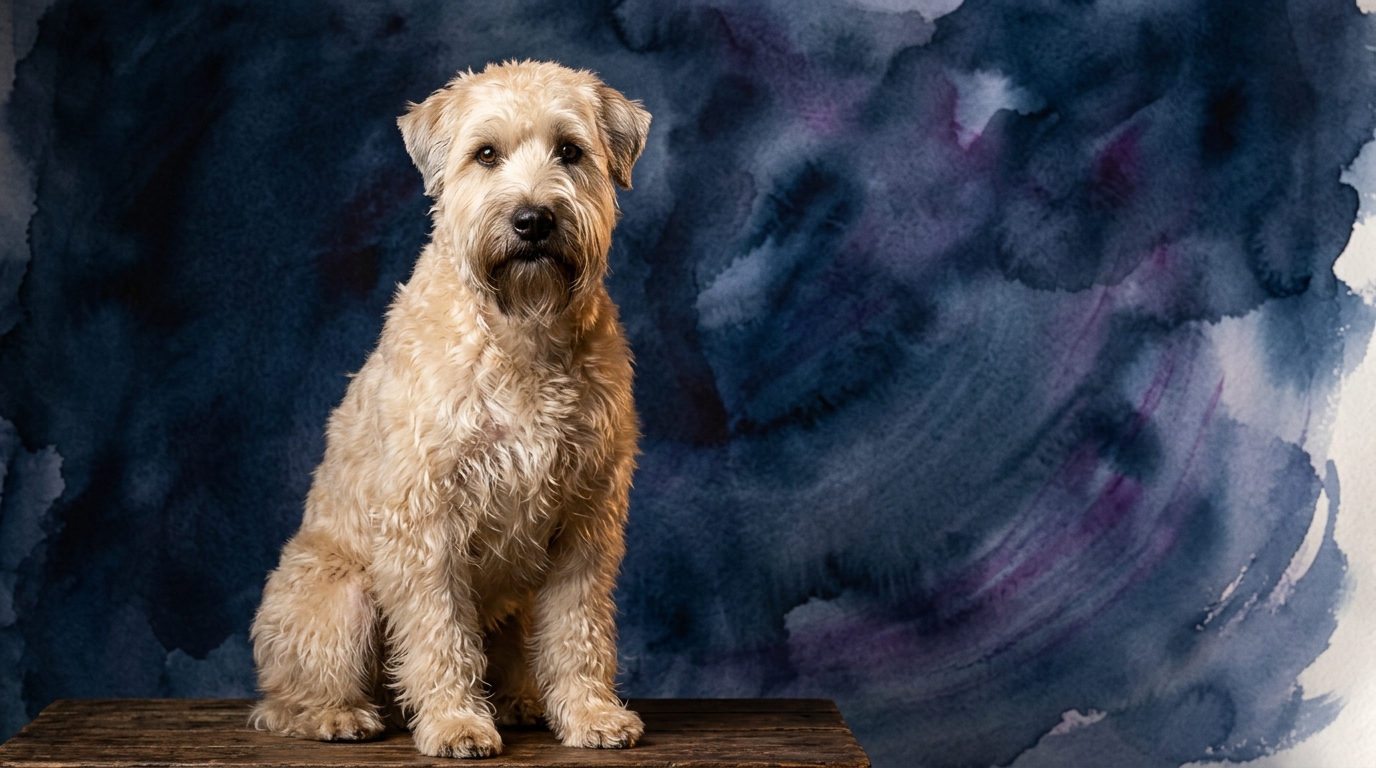
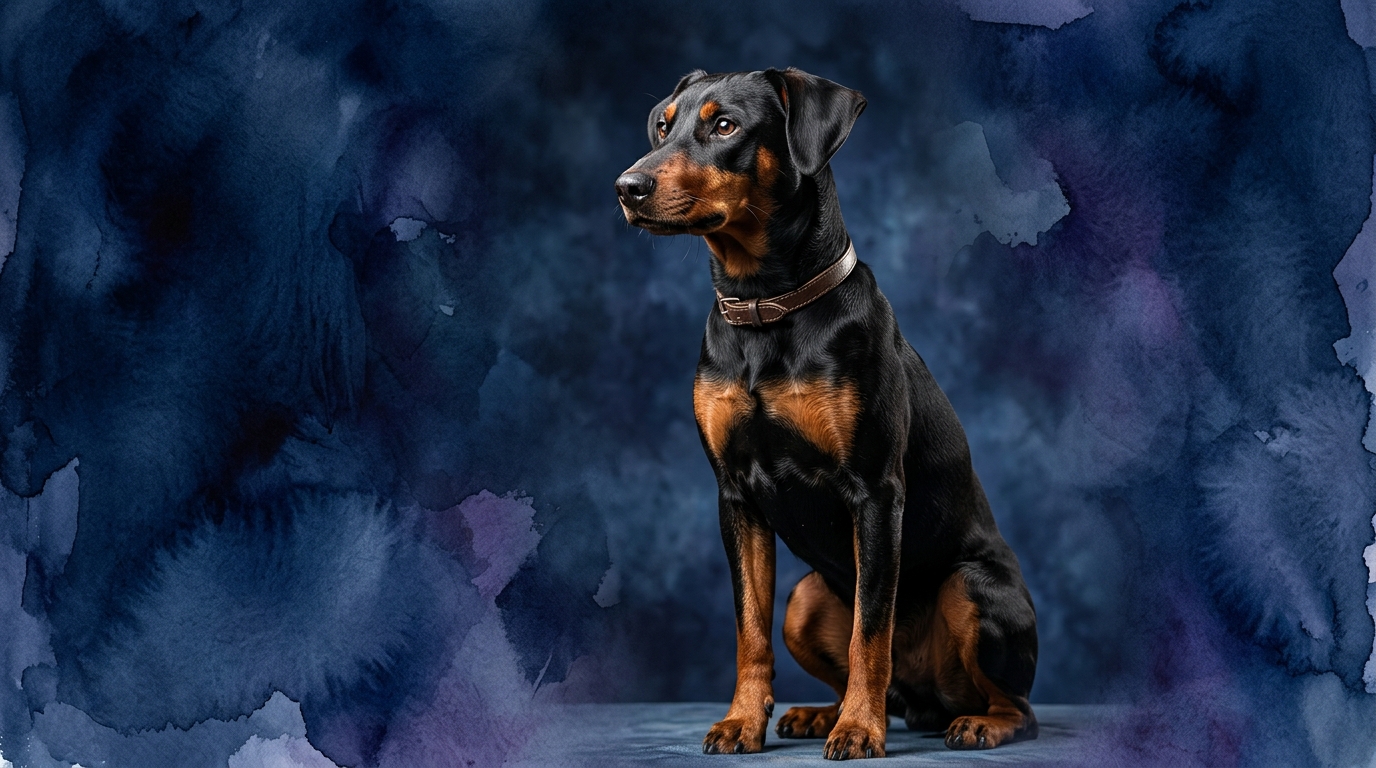
Side-by-Side IQ Profile
For The Cosmic Pet Pet IQ Lab, both the Soft Coated Wheaten Terrier and the German Pinscher register identical scores across five key cognitive dimensions. While their numerical ratings are the same, the practical expression of these abilities is distinctly shaped by their breed heritage and typical temperaments. Understanding these subtle differences is crucial for appreciating their unique cognitive styles.
For the Soft Coated Wheaten Terrier, a 3/5 in problem-solving often translates into a clever, sometimes mischievous, approach to challenges. They might figure out how to open cabinets or outwit a puzzle toy with a cheerful persistence, driven by curiosity and a desire for engagement. The German Pinscher, with the same score, tends to apply their problem-solving to more task-oriented scenarios, like strategically assessing a new visitor or finding the most efficient way to patrol their territory, often with a focused intensity.
Soft Coated Wheaten Terriers learn new commands and routines at a moderate pace, reflected by their 3/5 training speed, but their independent Terrier spirit means they might require consistent, engaging methods to maintain focus and compliance. They understand quickly but may choose to obey at their own discretion. German Pinschers also absorb lessons moderately well, yet their strong will and inherent watchfulness mean training requires firm, fair boundaries and a clear purpose to harness their drive effectively.
Wheatens exhibit their social intelligence (3/5) through a generally effusive and adaptable nature, often reading human emotions and responding with affectionate enthusiasm. They are typically good at integrating into family dynamics but might lack the discerning wariness of a guard breed. German Pinschers, while devoted to their family, display their social intelligence with a more reserved and watchful demeanor towards strangers, carefully assessing new social inputs before deciding on a response, indicative of their protective instincts.
The Wheaten's moderate instinctive drive (3/5) often manifests as a playful prey drive, an enjoyment of digging, and a tendency to bark at novel stimuli, reflecting their terrier heritage of hunting small vermin. Their drives are usually manageable with proper outlets. German Pinschers, also scoring 3/5, channel their drives into vigilance, patrolling, and a strong desire to protect their home and family, along with a keen interest in chasing small, fast-moving objects.
Both breeds possess a moderate capacity for memory (3/5), enabling them to retain training commands, remember routines, and recognize familiar people and places effectively. For the Wheaten, this means they recall past joyful interactions and learned tricks with enthusiasm. For the Pinscher, this translates into remembering boundaries, identifying repeat visitors, and recalling the sequence of tasks or training exercises with precision.
Where Soft Coated Wheaten Terrier Wins Cognitively
While both breeds share identical IQ scores across the board, the Soft Coated Wheaten Terrier's cognitive strengths shine in areas demanding adaptable cheerfulness and independent, playful ingenuity. Their 3/5 in problem-solving often translates into a creative approach to life's little puzzles, like devising new games or finding innovative ways to engage their family members. This isn't about outsmarting the Pinscher, but rather applying their cognitive abilities with a unique terrier zest.
Their social intelligence, also rated 3/5, leans towards an open, less guarded engagement with the world, making them particularly adept at forming warm, adaptable bonds within a diverse family unit. They excel in environments where their expressive nature and desire for connection are valued, using their memory (3/5) to recall positive social interactions and routines that bring joy. This breed's particular cognitive blend makes them highly engaging companions who can navigate varied social landscapes with a spirited curiosity, often turning potential challenges into opportunities for fun.
Where German Pinscher Wins Cognitively
The German Pinscher's cognitive profile, while numerically identical to the Wheaten, demonstrates its particular effectiveness in scenarios requiring discerning vigilance and focused purpose. Their 3/5 problem-solving capability is often applied with a strategic mindset, particularly in assessing their environment for anything out of place or securing their perceived territory. This manifests as a thoughtful observation rather than boisterous experimentation.
The Pinscher's social intelligence (3/5) allows them to be exceptionally discerning, forming deep bonds with their immediate family while maintaining a watchful, reserved stance towards strangers. This protective instinct is a direct application of their cognitive capacity to evaluate social cues and potential threats. Their memory (3/5) serves their working drive well, enabling them to recall complex training sequences, boundaries, and the identity of regular visitors versus novel ones. This breed excels in roles where their focused attention, acute awareness, and unwavering loyalty are paramount, offering a cognitive style that prioritizes security and order.
Which Is Easier to Train and Why
Determining which breed is 'easier' to train is less about raw intellectual capacity and more about temperament and drive, given both breeds score 3/5 in training speed. The Soft Coated Wheaten Terrier, with its cheerful independence and strong terrier instincts, learns commands readily but may occasionally choose to test boundaries. Their training often benefits from positive reinforcement, engaging games, and a trainer who understands their spirited nature, as they can become bored with repetitive drills. Their problem-solving (3/5) might lead them to find loopholes in rules if not consistently reinforced.
The German Pinscher, while equally capable of learning at a moderate pace, brings a strong will and protective instinct to the training arena. Their 3/5 in instinctive drive means they respond well to clear, consistent leadership and purpose-driven tasks. They can be very focused when engaged, but their discerning social intelligence and inherent vigilance mean they require early and thorough socialization to channel their protective traits appropriately. Neither breed is inherently 'easy' in the sense of being passively biddable; both require an owner committed to consistent, understanding training that respects their unique cognitive and temperamental profiles. The Wheaten might challenge with playful stubbornness, while the Pinscher might challenge with a determined assertiveness. Owners prepared for consistent engagement will find success with both, but the style of training will differ to match their inherent drives.
Which Suits Active Owners vs. Relaxed Owners
Both the Soft Coated Wheaten Terrier and the German Pinscher are better suited for active owners, though their activity needs manifest differently. A Soft Coated Wheaten Terrier thrives with owners who can provide consistent mental stimulation through engaging play, interactive games, and opportunities for social interaction. Their moderate instinctive drive (3/5) means they enjoy activities like agility or canine freestyle, channeling their energy and problem-solving (3/5) into joyful pursuits. They are adaptable but need an outlet for their spirited nature. A relaxed owner might find their undirected energy translates into mischievous behaviors.
The German Pinscher also requires an active lifestyle, but their needs lean more towards structured activities that engage their vigilant nature and problem-solving (3/5) skills. Obedience, tracking, or even protection sports can be excellent outlets for their focused drive. While they enjoy family time, a Pinscher benefits from having a 'job' or a clear routine that leverages their instinctive drive (3/5) for purpose. A truly relaxed owner might struggle to meet the mental and physical demands of either breed, as both possess a moderate energy level that needs constructive direction.
The Verdict
Choose the Soft Coated Wheaten Terrier if you seek a spirited, adaptable companion who will engage with life's challenges with playful ingenuity and effusive social charm.
Opt for the German Pinscher if you desire a discerning, vigilant partner who applies their strategic focus and protective instincts to create a sense of order and security in their home.
🧠 Find Your Pet's IQ Score
Our Pet IQ Lab assessment covers 25+ tests across 5 cognitive dimensions — personalized to your breed.
Take the Full IQ Test →Frequently Asked Questions
Are Soft Coated Wheaten Terriers good family dogs?
Yes, Wheatens typically integrate well into families due to their adaptable and affectionate social intelligence (3/5). They often enjoy being involved in family activities and can form strong bonds, especially with consistent positive interaction and early socialization.
Do German Pinschers bark a lot?
German Pinschers, with their moderate instinctive drive (3/5) and vigilant nature, can be prone to barking as an alert system for perceived threats or novel stimuli. Consistent training and socialization from a young age are essential to manage this natural protective behavior.
Which breed is better for first-time dog owners?
Neither breed is typically recommended for completely novice owners, as both require consistent training, socialization, and understanding of their unique temperaments. However, a Wheaten might be slightly more forgiving of minor inconsistencies due to their adaptable nature, while a Pinscher's strong will and protective instincts demand a more experienced hand.