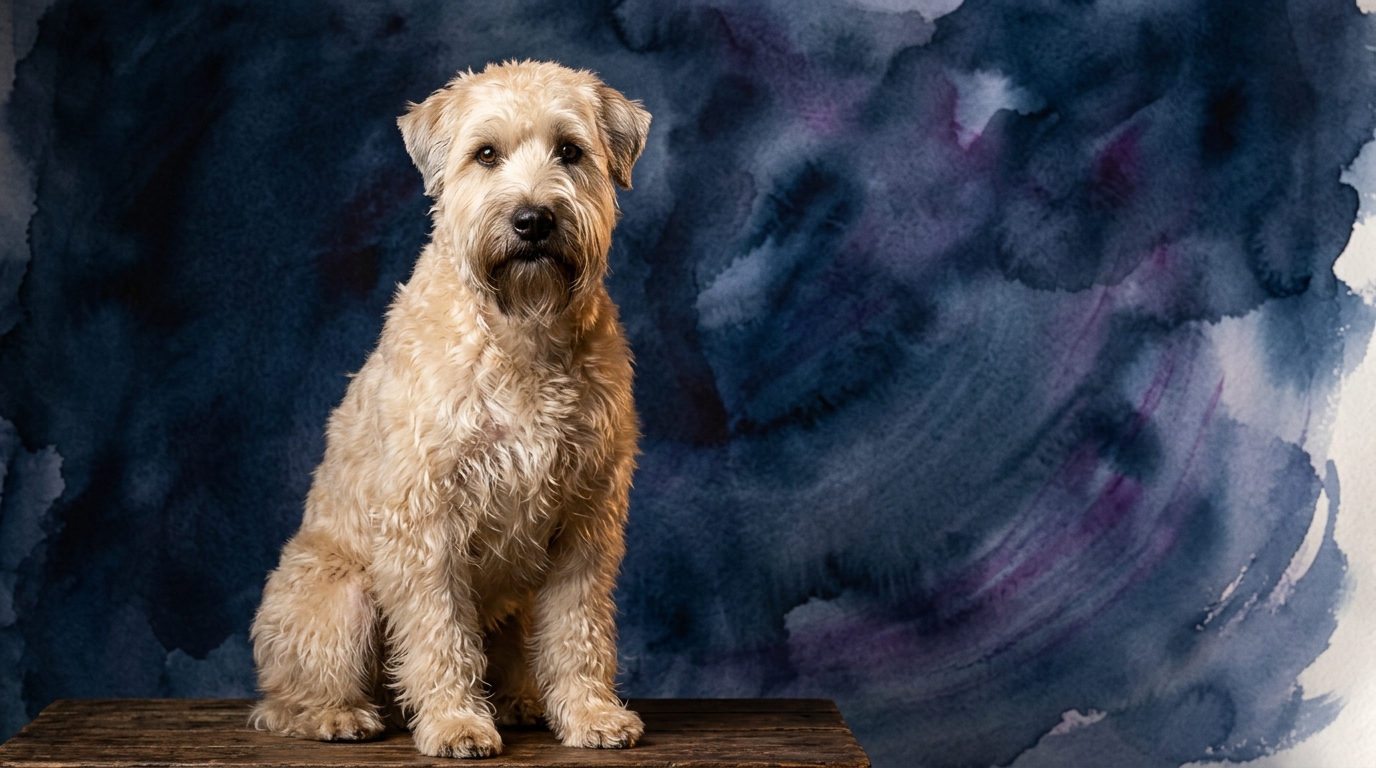
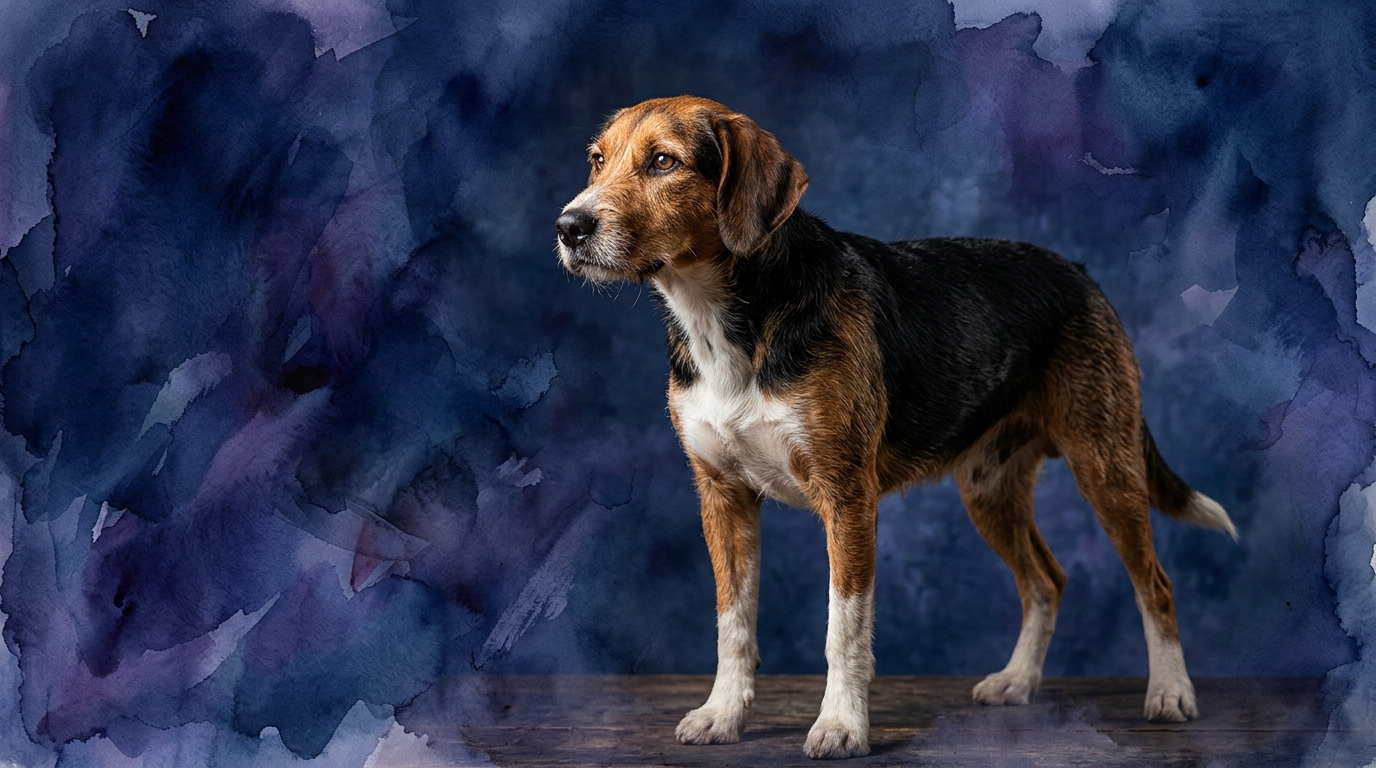
Side-by-Side IQ Profile: Unpacking the 3/5 Scores
The Cosmic Pet Pet IQ Lab assesses canine intelligence across five key dimensions: Problem Solving, Training Speed, Social Intelligence, Instinctive Drive, and Memory. Both the Soft Coated Wheaten Terrier and the Harrier score a solid 3 out of 5 in every category, suggesting a balanced, capable level of cognitive function rather than extreme specialization or significant limitations. Yet, the *nature* of their 3/5 in each area is distinctly shaped by their breed origins and primary functions.
For the **Soft Coated Wheaten Terrier**, a dog rooted in Irish farm life, their 3/5 in **Problem Solving** reflects a practical, adaptable cleverness. They are resourceful in navigating their immediate environment, often figuring out how to achieve desired outcomes like retrieving a hidden toy or accessing a favorite cozy spot, demonstrating a functional rather than abstract ingenuity. Their **Training Speed** at 3/5 indicates they learn new commands at a steady pace, understanding the association between cues and actions, though their independent terrier spirit means consistent motivation and engaging methods are crucial to maintain focus and compliance. **Social Intelligence** at 3/5 means they engage well with their human family, often displaying an intuitive understanding of household routines and emotional cues, generally outgoing and capable of charming their way into attention. Their **Instinctive Drive** also at 3/5, encompasses a moderate drive for digging, chasing small critters, and exploring, typical of their terrier heritage; this drive is present and purposeful but generally manageable with appropriate outlets. Finally, their **Memory** (3/5) ensures good recall for learned commands, routines, and familiar people or places, allowing them to remember past experiences and adapt their behavior based on previous outcomes.
The **Harrier**, a scent hound bred for hunting hare in packs, expresses its 3/5 scores with a different emphasis. Their **Problem Solving** (3/5) primarily manifests within the context of their hunting instincts, such as efficiently tracking a complex scent trail over varied terrain or finding their way back to the pack. This is a highly specialized form of intelligence, less inclined towards human-centric puzzles. Their **Training Speed** (3/5) means they are capable of learning commands, but their powerful scent drive can be a significant distraction, often overriding their focus on human instructions, requiring immense patience and consistency. **Social Intelligence** (3/5) for a Harrier is deeply pack-oriented; they are adept at reading other dogs and establishing their place within a social structure, including their human family, generally affable and tolerant within their established group, though independent when on a scent. Their **Instinctive Drive** (3/5) is profoundly specialized for scenting and tracking, becoming singularly intense and relentless once on a trail, a defining cognitive trait. Their **Memory** (3/5) is excellent for scents, routes, and established routines, particularly those associated with their instinctive drives, though recall for abstract commands might be challenged by an overpowering scent.
Where the Soft Coated Wheaten Terrier Excels Cognitively
While both breeds share a 3/5 in Problem Solving, the Wheaten Terrier's ingenuity often shines more brightly in navigating the complexities of a human home environment. They are adept at figuring out how to open a child-proof gate or manipulate a puzzle toy with multiple components, demonstrating a practical cleverness that is highly valuable in a domestic setting. This isn't about abstract thought, but rather an effective application of trial-and-error and observation to achieve desired outcomes within their immediate surroundings. Their problem-solving is often intertwined with their social intelligence, as they quickly learn which behaviors elicit positive responses from their human companions.
The Wheaten's 3/5 Social Intelligence also tends to manifest as a more overt, engaging interaction style with people. They are masters of charming their way into attention, using their expressive faces and playful antics to communicate their desires or simply to solicit affection. This makes them highly attuned to human social dynamics within the family unit, often seeming to 'understand' the mood of the household or the nuances of human interaction more readily. This ability to read and respond to human cues, combined with their moderate instinctive drives, allows them to integrate smoothly into a variety of family lifestyles, making them versatile companions who enjoy being at the heart of household activities.
Where the Harrier Shines Cognitively
The Harrier's cognitive strengths are profoundly specialized and rooted in their heritage as a scent hound. Their 3/5 in Instinctive Drive is not a general curiosity, but a laser-focused, powerful impulse for scent work. This drive fuels an exceptional form of problem-solving and memory related to olfactory information. A Harrier can exhibit incredible cognitive mapping capabilities, remembering complex routes and identifying specific odors with astonishing precision, often over long distances and varied terrain. This isn't just remembering a command; it's remembering a complex sensory input and associating it with a specific, often instinctual, goal.
Their 3/5 Memory, specifically, is outstanding in the realm of scents and spatial navigation related to tracking. They can recall a particular scent from days prior and follow it with unwavering determination, demonstrating a tenacity and focus that is remarkable. This specialized memory allows them to piece together fragmented scent trails, interpret environmental cues, and work independently to achieve their objective, showcasing a highly functional and durable cognitive ability in their chosen field. This combination of powerful instinct, specialized problem-solving, and robust memory makes them unparalleled in tasks requiring sustained olfactory focus and endurance.
Ease of Training: A Matter of Motivation and Focus
Both breeds score a 3/5 in Training Speed, indicating they are capable learners, but the challenges in training each breed stem from different inherent traits. The Soft Coated Wheaten Terrier, while generally eager to please, can be hampered by their independent 'terrier-tude' and distractibility. They understand commands but might occasionally choose not to comply if something more interesting captures their attention, or if they don't perceive an immediate benefit to themselves. Training a Wheaten requires making it fun, engaging, and consistently rewarding, leveraging their social intelligence and desire for interaction to overcome their occasional stubbornness. They respond best to positive reinforcement and varied training sessions that keep them mentally stimulated, preventing boredom from leading to non-compliance.
The Harrier's training challenges, while also reflecting a 3/5 Training Speed, are almost entirely dominated by their powerful scent drive. Once a Harrier catches a compelling scent, their problem-solving and memory become singularly dedicated to that instinct, making it incredibly difficult to redirect their attention to human commands. Their focus on the trail can override all other stimuli, making consistent recall, especially off-leash outdoors, a significant endeavor. Training a Harrier demands immense patience, unwavering consistency, and often involves working *with* their scent drive rather than against it, incorporating scent work games or tracking activities into their routine. For general obedience in a typical home environment, the Wheaten might be perceived as 'easier' because their distractions are more varied and often more manageable, whereas the Harrier's singular focus on scent can be a profound, pervasive challenge for a trainer.
Lifestyle Match: Active Owners vs. Relaxed Owners
When considering which breed aligns with a particular owner's lifestyle, the differing manifestations of their 3/5 instinctive drives and problem-solving abilities become paramount. The Soft Coated Wheaten Terrier, with its balanced 3/5 drives, thrives with owners who can provide consistent engagement, moderate but regular exercise, and mental stimulation through training and interactive play. Their energy is often directed towards playful interactions and family activities, making them well-suited for suburban homes and active families who enjoy including their dog in daily life. While they need daily walks and playtime, their needs are generally met through typical family activities, and their moderate instinctive drives make them less prone to bolting after every squirrel than a hound.
The Harrier, conversely, absolutely requires active owners who are prepared for a dog whose cognitive strengths are deeply intertwined with physical exertion. Their powerful 3/5 instinctive drive and endurance mean they need extensive, vigorous exercise daily. This isn't just a leisurely walk; it often involves long runs, challenging hikes, or dedicated scent work that allows them to engage their specialized cognitive abilities. They are happiest and most well-behaved when they have a consistent 'job' or an outlet for their specialized sensory perception. A Harrier is not suited for a relaxed, sedentary lifestyle, as boredom and pent-up energy can quickly lead to destructive behaviors. Owners who enjoy outdoor pursuits like trail running, long-distance hiking, or dog sports like tracking will find a Harrier a dedicated, fulfilling, and tireless companion.
The Verdict: Choosing Your Cognitive Companion
The Verdict
Choose the Soft Coated Wheaten Terrier if you seek a companion whose intelligence manifests in playful engagement, charming social interactions, and adaptable problem-solving within a family setting. They thrive with owners who appreciate their spirited nature and are committed to consistent, positive training that channels their terrier ingenuity into cooperative behaviors.
Opt for the Harrier if your lifestyle is deeply active and you're prepared to embrace a dog whose cognitive strengths are rooted in specialized sensory perception and relentless pursuit. Owners who enjoy long outdoor adventures and can provide ample opportunities for their dog to engage its powerful scenting instincts will find the Harrier a dedicated and rewarding partner.
🧠 Find Your Pet's IQ Score
Our Pet IQ Lab assessment covers 25+ tests across 5 cognitive dimensions — personalized to your breed.
Take the Full IQ Test →Frequently Asked Questions
Are Soft Coated Wheaten Terriers good family dogs?
Yes, their 3/5 social intelligence often translates into playful and affectionate interactions with family members, though they benefit from early socialization to ensure they are well-mannered around children and other pets. Their moderate problem-solving abilities mean they can adapt well to family routines, provided they receive consistent mental and physical stimulation.
How much exercise does a Harrier need?
Harriers require a substantial amount of vigorous daily exercise, often more than just a walk, due to their strong instinctive drive and endurance. They thrive with activities like long runs, extended hikes, or dedicated scent work that engages their specialized cognitive abilities and physical stamina, preventing boredom and potential destructive behaviors.
Can a Harrier live in an apartment?
While physically possible, a Harrier's strong instinctive drive and high energy levels make apartment living challenging unless their owners are exceptionally dedicated to providing extensive daily exercise and mental stimulation outside the home. Their need for space to run and engage their scenting abilities often makes a home with a secure yard more suitable, mitigating potential frustration.