Side-by-Side IQ Profile: Unpacking Identical Scores
At first glance, the Soft Coated Wheaten Terrier and the Lakeland Terrier appear to share identical cognitive blueprints, both scoring 3/5 across all five dimensions in The Cosmic Pet IQ Lab. However, these identical scores don't imply identical mental processes; rather, they reflect a similar level of capability expressed through very different breed-specific lenses. Understanding these subtle distinctions is key to appreciating their unique cognitive landscapes.
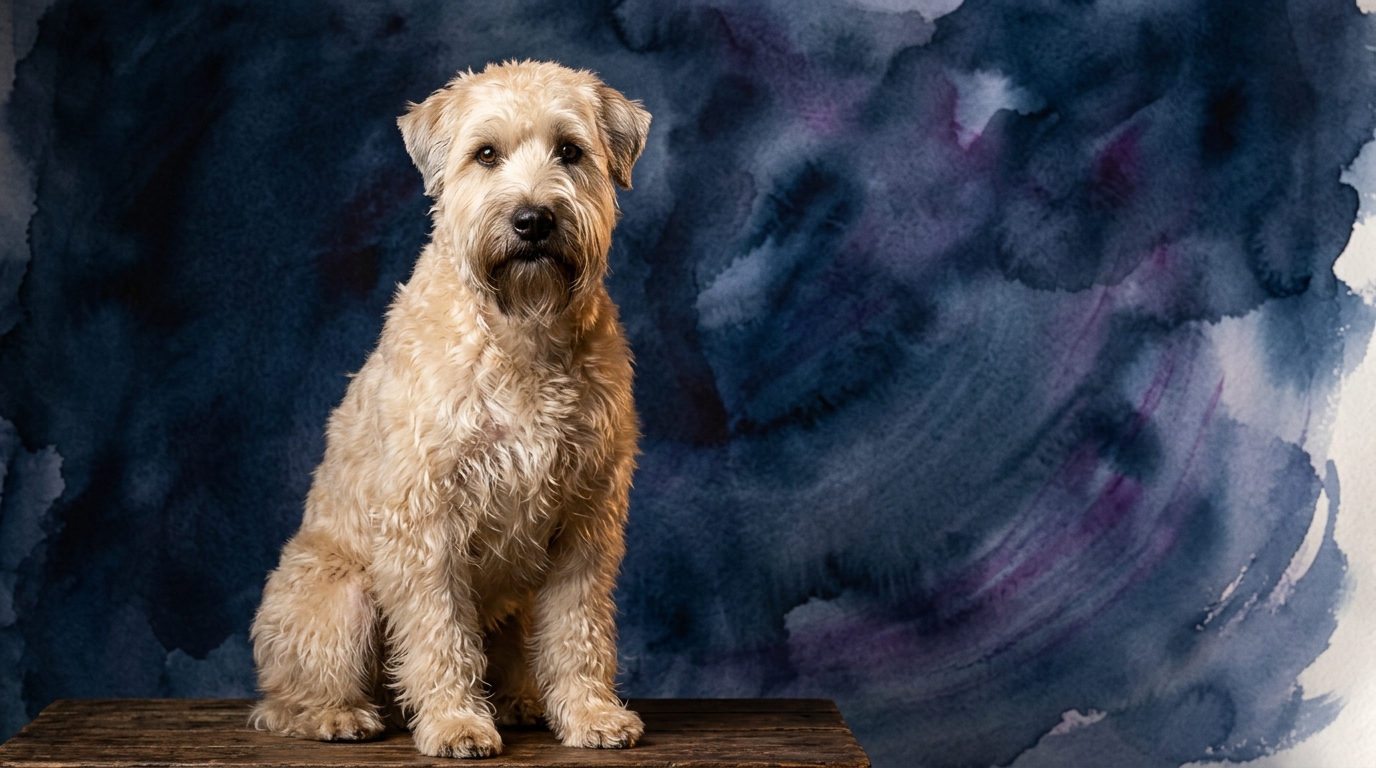
For the Soft Coated Wheaten Terrier, their 3/5 in Problem Solving often manifests as an enthusiastic, sometimes trial-and-error approach, using their inherent optimism and agility to navigate new situations. They might try a variety of playful tactics to achieve a goal, often involving interaction with their human companions. Their Training Speed at 3/5 indicates a capacity for quick learning, though their exuberant nature can sometimes lead to delightful, albeit distracting, bursts of energy that require consistent, engaging methods. They remember cues well, especially when learning is framed as a fun, shared activity.
A Wheaten's Social Intelligence (3/5) is typically expressed through their famed 'Wheaten Greetin',' a joyful, often bouncy, acknowledgment of people. They are generally adept at reading human emotions and respond well to positive reinforcement, often seeking to please and maintain harmonious relationships within their family unit. Their Instinctive Drive (3/5) reflects a balanced heritage; while they possess a terrier's inclination for chasing small critters, it's often tempered by a strong desire for companionship and play, making them generally adaptable to various home environments. Their Memory (3/5) serves them well in recalling established routines and the people who provide the best cuddles and games.
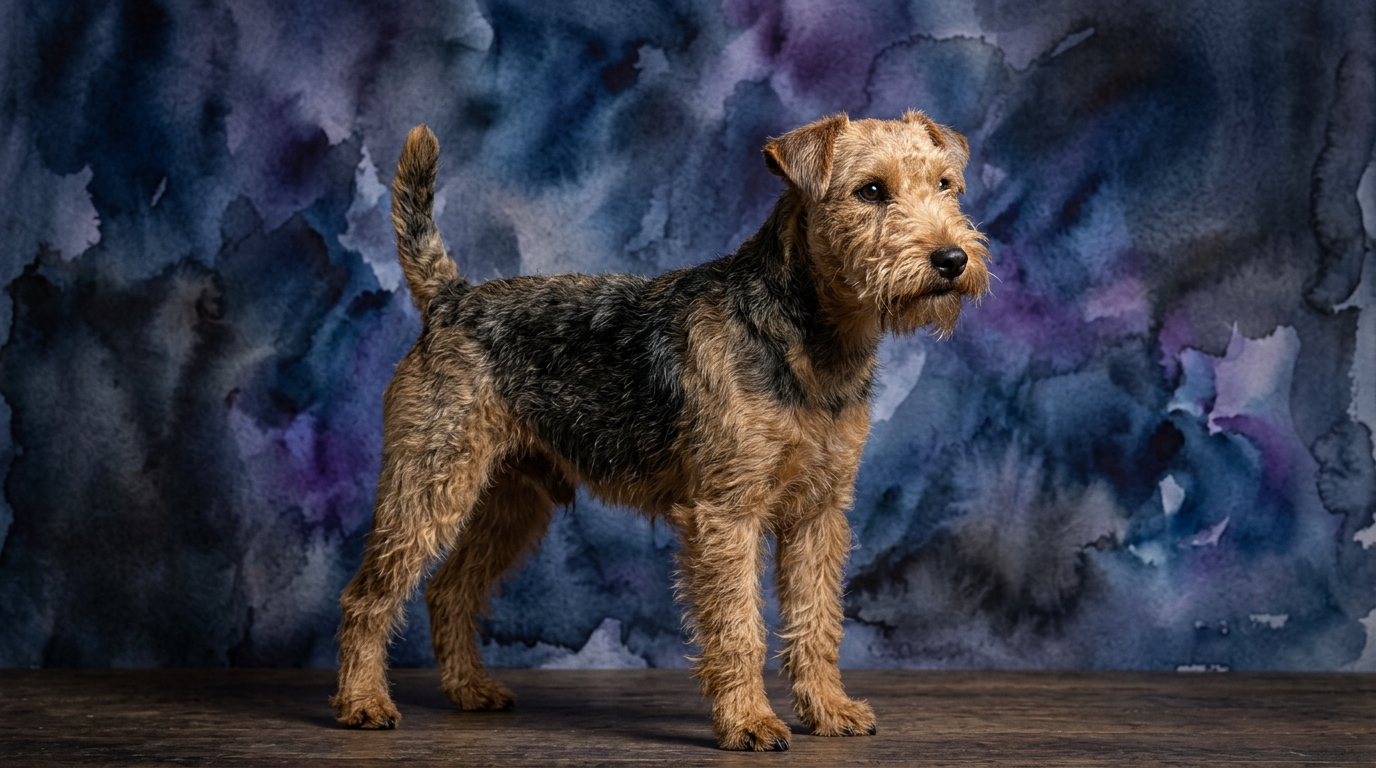
The Lakeland Terrier, despite the same 3/5 score in Problem Solving, approaches challenges with a tenacious, independent spirit honed by generations of going to ground. They are more likely to methodically work through an obstacle, using determination and physical prowess to achieve their objective, often without direct human intervention. Their Training Speed (3/5) is certainly present, but it's paired with a strong will; they learn quickly when motivated, but their independent streak means they might weigh the value of compliance against their own agenda. Building a strong bond and making training highly rewarding is paramount.
Lakelands' Social Intelligence (3/5) is often characterized by a charming, confident demeanor, though they can be more reserved with strangers than Wheatens. They are astute observers of their environment and can navigate social dynamics with a self-assured air, sometimes testing boundaries to understand their position. Their Instinctive Drive (3/5) is robust and focused, reflecting their heritage as dedicated hunters; the urge to chase, dig, and explore is deeply ingrained. This drive means they possess a keen awareness of their surroundings and potential quarry. Their Memory (3/5) is excellent, not just for commands, but also for tracking the location of a favorite toy, a perceived injustice, or the path of a tempting scent.
Where Soft Coated Wheaten Terrier Wins Cognitively
The Soft Coated Wheaten Terrier often demonstrates an advantage in cognitive scenarios that prioritize social engagement and adaptability within a family setting. Their problem-solving, while perhaps less relentlessly focused than a Lakeland's, benefits from a willingness to involve humans in the process. For instance, a Wheaten faced with a puzzle toy might first try to bat it around playfully, then look to their owner for guidance or encouragement, seeing the task as a collaborative effort rather than a solo mission.
In terms of social intelligence, the Wheaten’s capacity for forming strong, demonstrative bonds and their generally open nature with new people give them a distinct edge in environments requiring frequent, positive social interaction. They are often quicker to adapt to new faces and situations, leveraging their affable disposition to make friends. This makes them particularly adept at navigating diverse social gatherings or adjusting to new visitors with minimal stress, a testament to their inherent sociability.
Where Lakeland Terrier Wins Cognitively
The Lakeland Terrier excels in cognitive challenges demanding independent thought, tenacity, and a focused drive to overcome obstacles. Their problem-solving shines when faced with a tangible, physical barrier; rather than waiting for assistance, a Lakeland will often employ a series of determined strategies, from digging under a fence to systematically trying different escape routes from a confined space. This reflects their history of working autonomously in demanding environments.
Where instinctive drive is paramount, the Lakeland's cognitive profile reveals a winning edge. Their 3/5 score here is underpinned by an unwavering focus on their primary terrier instincts, particularly scent-driven exploration and pursuit. This translates into an exceptional ability to track, investigate, and persist in tasks that require sustained attention to environmental cues, making them highly effective at games that simulate hunting or require detailed scent work, where their memory for specific locations and smells becomes invaluable.
Which is Easier to Train and Why
While both breeds score 3/5 in training speed, the ease of training can differ significantly due to underlying behavioral traits. The Soft Coated Wheaten Terrier, with their eagerness to please and strong social bond, often responds more readily to positive reinforcement and consistency. Their bouncy enthusiasm means training sessions need to be kept engaging and fun, but their desire to be a part of family activities generally makes them cooperative learners. They thrive on praise and connection, making them responsive to methods that build on mutual affection.
The Lakeland Terrier, by contrast, presents a different set of considerations for trainers. Their independence and strong self-will mean that while they can grasp commands quickly, they might not always choose to comply if they perceive a more enticing alternative or simply don't see the immediate benefit. Training a Lakeland requires a firm, consistent, and confident approach that establishes clear boundaries and makes compliance more rewarding than their independent ventures. Their inherent tenacity, which is a cognitive strength, can sometimes translate into stubbornness during training if not properly channeled, demanding a patient and experienced hand.
Which Suits Active Owners vs Relaxed Owners
For owners who lead a more relaxed lifestyle, the Soft Coated Wheaten Terrier can be a more accommodating choice, provided their needs for companionship and moderate activity are met. While certainly energetic and playful, their energy often manifests in bursts of exuberant play followed by periods of cuddly relaxation. They thrive on being an integral part of family life, enjoying walks, playtime in the yard, and then settling down for quiet time alongside their people. Their social intelligence makes them content within a predictable family routine.
Active owners, particularly those who enjoy outdoor adventures or structured dog sports, will find a superb companion in the Lakeland Terrier. Their robust instinctive drive and problem-solving abilities thrive on consistent mental and physical stimulation. Activities like hiking, agility, earthdog trials, or advanced obedience classes not only fulfill their cognitive needs but also channel their natural tenacity and prey drive constructively. A Lakeland requires an owner who understands their independent spirit and can provide outlets for their boundless energy and investigative curiosity, ensuring they remain engaged and well-adjusted.
The Verdict
Choose the Soft Coated Wheaten Terrier if you seek an affectionate, socially adaptable companion who thrives on family interaction and approaches life with optimistic exuberance, responding well to positive, engaging training.
Opt for the Lakeland Terrier if you are an experienced, active owner who appreciates an independent, tenacious spirit, and can provide consistent mental and physical challenges to channel their pronounced instinctive drives.
🧠 Find Your Pet's IQ Score
Our Pet IQ Lab assessment covers 25+ tests across 5 cognitive dimensions — personalized to your breed.
Take the Full IQ Test →Frequently Asked Questions
Do Soft Coated Wheaten Terriers and Lakeland Terriers share similar grooming needs due to their terrier heritage?
While both are terriers, their coats differ significantly. Soft Coated Wheaten Terriers require regular brushing and professional grooming to prevent matting in their single, silky coat, whereas Lakeland Terriers have a wiry double coat that needs hand-stripping or trimming to maintain its texture and protective qualities, alongside regular brushing.
Are either of these breeds particularly vocal?
Both Soft Coated Wheaten Terriers and Lakeland Terriers can be vocal, a common terrier trait. Wheatens might bark out of excitement or to alert, while Lakelands often use their voice to express their strong opinions, alert to perceived threats, or in pursuit of prey, reflecting their bold nature.
How do their energy levels compare for a typical household?
Both are energetic breeds, but their expression differs. Wheatens have an effervescent energy, enjoying playful bursts and then settling down for companionship. Lakelands possess a more sustained, tenacious energy, requiring consistent outlets for physical activity and mental engagement to prevent boredom and channeling their strong working drives.