Side-by-Side IQ Profile: Understanding the Nuances of a 3/5 Score
At The Cosmic Pet Pet IQ Lab, we assess canine intelligence across five key dimensions, and both the Soft Coated Wheaten Terrier and the Lhasa Apso consistently score a 3 out of 5 in each category. This identical raw score doesn't imply identical cognitive performance, but rather a similar *level* of capability that is channeled differently by their inherent breed characteristics. Let's explore what a 3/5 looks like for each.
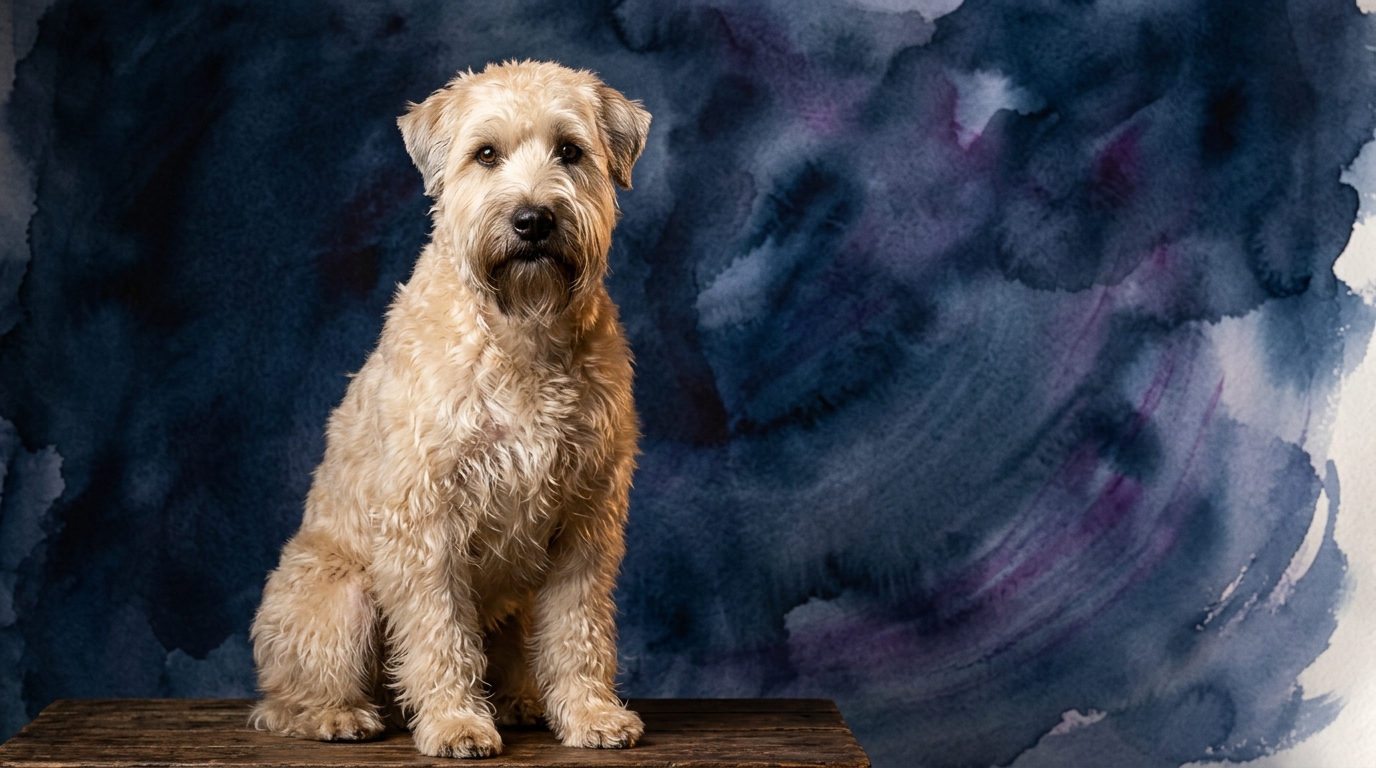
For the Soft Coated Wheaten Terrier, a problem-solving score of 3/5 suggests a dog capable of navigating moderately complex challenges, often with an eager, investigative approach typical of terriers. Their training speed at 3/5 indicates they can grasp new commands with consistent effort, though their exuberance might require focused attention. Social intelligence at 3/5 manifests as an engaging, often boisterous interaction style, being generally friendly but also capable of discerning social cues. Their instinctive drive, also 3/5, speaks to their terrier heritage of seeking out and engaging with their environment, perhaps chasing small critters or digging. Memory at 3/5 means they retain learned behaviors and routines effectively, but might need occasional refreshers for less frequently used commands.
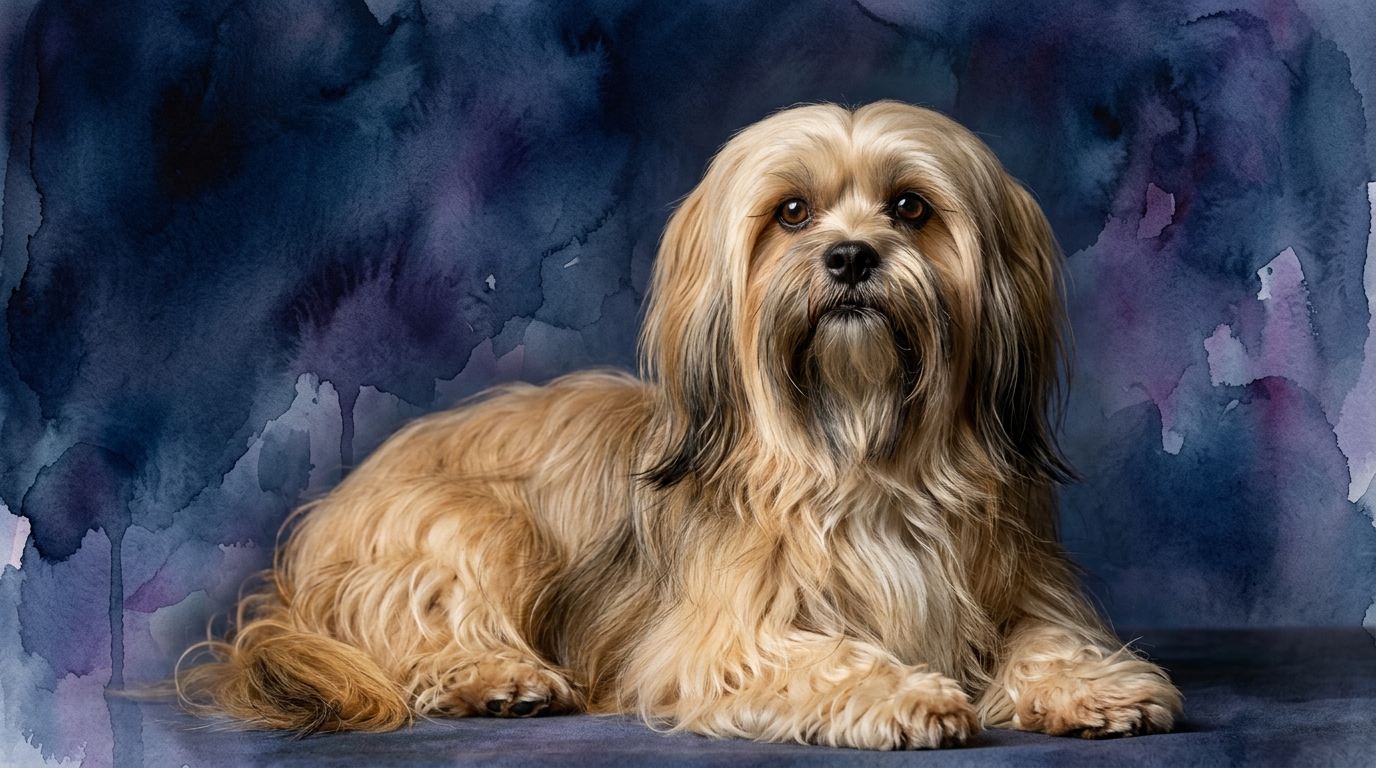
The Lhasa Apso, conversely, also scores 3/5 across the board, but these scores are colored by their ancient role as a sentinel. Their problem-solving (3/5) might involve figuring out the most strategic vantage point for observation or how to achieve their own comfort. A training speed of 3/5 suggests they learn, but often on their own terms, requiring patience and motivation tailored to their independent nature. Social intelligence at 3/5 for a Lhasa typically involves a keen discernment of strangers versus family, often reserved but highly attuned to their inner circle. Their instinctive drive (3/5) is less about chasing and more about territorial vigilance and a strong sense of self-preservation. Memory at 3/5 means they recall routines, people, and boundaries with precision, often holding grudges or preferences over time.
Where the Soft Coated Wheaten Terrier Wins Cognitively
Despite sharing identical raw IQ scores, the Soft Coated Wheaten Terrier often demonstrates a more proactive and physically engaged style of cognition. Their 3/5 problem-solving frequently involves hands-on exploration; a Wheaten might meticulously investigate a puzzle toy until it yields its treats, or systematically test boundaries to understand what's permissible. This active engagement stems from their terrier roots, where curiosity and tenacity were essential for their original working roles.
Their 3/5 social intelligence is typically expressed through their characteristic 'Wheaten Greetin''—an exuberant, full-body welcome. This indicates a strong desire for interaction and an ability to quickly gauge friendly intentions, making them adept at forming quick bonds in new social settings. Furthermore, their 3/5 instinctive drive often translates into a keen enthusiasm for interactive games, making them particularly receptive to learning commands that involve movement, retrieval, or agility, where their memory (3/5) can recall sequences of actions with joyful anticipation.
Where the Lhasa Apso Wins Cognitively
The Lhasa Apso's cognitive strengths, while also rated 3/5, lean towards a more discerning and independent application. Their problem-solving (3/5) is often less about physical exertion and more about strategic thinking; a Lhasa might figure out how to manipulate a situation to their advantage or locate the most comfortable, elevated spot in a room to observe their domain. This thoughtful approach reflects their heritage as a watchful companion.
Their social intelligence (3/5) is characterized by a deep, selective bond with their family, coupled with a highly observant nature towards outsiders. They excel at recognizing subtle changes in their environment or in the demeanor of unknown individuals, utilizing their memory (3/5) to recall past interactions and apply this knowledge. Their instinctive drive (3/5) manifests as a strong, protective vigilance, making them exceptionally attuned to their surroundings and quick to alert their household to anything perceived as unusual, showcasing a quiet but potent form of cognitive engagement.
Which is Easier to Train and Why: Managing Distinct Personalities
Both breeds register a 3/5 for training speed, indicating they are capable learners, but their inherent temperaments dictate different approaches and present unique challenges. The Soft Coated Wheaten Terrier, with its boundless enthusiasm and 3/5 instinctive drive, can be a joy to train because of their eagerness to participate. However, their exuberance and terrier focus on environmental stimuli mean they can be easily distracted. Consistent, engaging, and positive reinforcement-based training is essential to channel their energy and prevent their problem-solving (3/5) from being applied to finding ways around commands.
The Lhasa Apso, while equally capable of learning new commands (3/5 training speed), often approaches training with a more independent and discerning mindset. Their social intelligence (3/5) means they form strong bonds but may be less motivated by general pleasing and more by their own agenda. Training a Lhasa requires immense patience, understanding their innate stubbornness, and making the training process appealing on their terms. They respond best to positive reinforcement and clear, consistent expectations, as they are not easily coerced. Neither breed is 'easy' in the sense of a highly biddable retriever, but the Wheaten's challenge lies in managing energy, while the Lhasa's lies in navigating their strong sense of self.
Suitability for Active vs. Relaxed Owners
The Soft Coated Wheaten Terrier is undeniably better suited for active owners. Their 3/5 instinctive drive and high energy levels demand regular physical exercise and mental stimulation. They thrive on activities like long walks, jogs, playful romps in a secure yard, and participation in dog sports such as agility or rally. Owners who enjoy an engaged, bouncy companion and are prepared to dedicate time to structured play and training will find a Wheaten a fulfilling partner. Their 3/5 social intelligence also means they enjoy being involved in family activities and can become destructive if bored or under-exercised.
The Lhasa Apso, while not a couch potato, generally suits more relaxed owners who appreciate a watchful, independent companion. Their exercise needs are moderate, typically satisfied with daily walks and indoor play. While their 3/5 instinctive drive focuses on vigilance rather than intense physical activity, they still require mental engagement through puzzle toys and consistent interaction. They can adapt well to apartment living provided their daily walks are met, and they receive attention from their family. Owners who prefer a less physically demanding dog but still want a companion with a distinct personality and a keen sense of observation will appreciate the Lhasa Apso.
The Verdict
Choose the Soft Coated Wheaten Terrier if you are an active individual or family seeking an exuberant, engaged, and playful companion ready for adventure and consistent training. They thrive on interaction and physical outlets for their keen terrier drives.
Opt for the Lhasa Apso if you prefer a discerning, independent, and watchful companion who appreciates a more relaxed pace but values consistent mental engagement and strong family bonds. Their protective instincts and keen observation make them unique companions.
🧠 Find Your Pet's IQ Score
Our Pet IQ Lab assessment covers 25+ tests across 5 cognitive dimensions — personalized to your breed.
Take the Full IQ Test →Frequently Asked Questions
Are Soft Coated Wheaten Terriers good for first-time dog owners?
Wheaten Terriers can be a handful due to their energy and 'terrier stubbornness,' requiring consistent training and socialization. A first-time owner prepared for dedication to training and exercise will succeed, but they are not a 'beginner's breed' in the traditional sense.
Do Lhasa Apsos get along well with children and other pets?
Lhasa Apsos can be good with older, respectful children and other pets if socialized early and properly, but their independent and sometimes reserved nature means they might not tolerate rough play. Supervision and teaching children appropriate interaction are key.
How much grooming do Soft Coated Wheaten Terriers and Lhasa Apsos require?
Both breeds require significant grooming. Wheaten Terriers need regular brushing to prevent matting in their soft, silky coats, typically several times a week. Lhasa Apsos have long, flowing double coats that demand daily brushing to prevent tangles and matting, often requiring professional grooming or regular trims.