Side-by-Side Cognitive Profiles: Decoding Identical Scores
At first glance, the cognitive profiles of the Soft Coated Wheaten Terrier and the Pekingese appear strikingly similar, with both breeds scoring a consistent 3 out of 5 across all five dimensions: Problem Solving, Training Speed, Social Intelligence, Instinctive Drive, and Memory. However, these identical numerical ratings do not imply identical cognitive experiences. Instead, they represent a baseline capacity that is expressed through the unique lens of each breed's historical purpose, physical attributes, and inherent temperament. Understanding these nuances is crucial for appreciating their individual cognitive strengths.
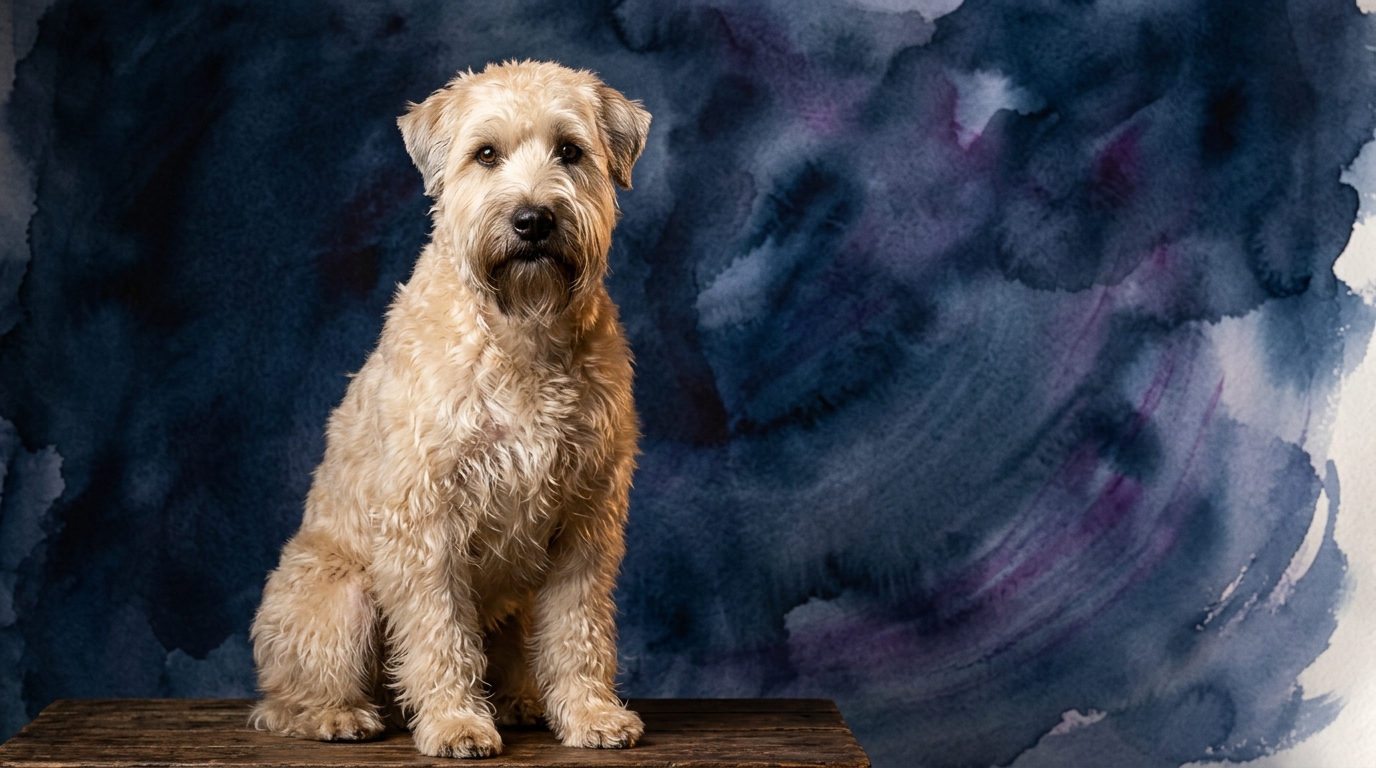
For the Soft Coated Wheaten Terrier, a member of the Terrier group, their 3/5 in Problem Solving often translates into a practical, often physical, approach to environmental challenges. This might involve figuring out how to navigate an obstacle course, retrieve a hidden toy from a complex setup, or even outsmarting a fence. Their solutions are typically action-oriented and driven by curiosity. Their Training Speed at 3/5 indicates a capacity for learning new commands and routines, but this is often tempered by a characteristic terrier independence. They learn, but their engagement is often tied to the perceived value of the task or the reward. Social Intelligence, also 3/5, manifests as an ability to form strong bonds with their human family and understand household dynamics, though perhaps with less emphasis on subtle human emotional cues compared to some companion breeds, often expressing their understanding through enthusiastic interaction. The 3/5 for Instinctive Drive is a clear nod to their heritage, manifesting as an urge to explore, chase, and dig, often with a keen awareness of their surroundings. Finally, their Memory at 3/5 means they reliably recall routines, learned commands, and significant experiences, contributing to their adaptability and consistent behavior.
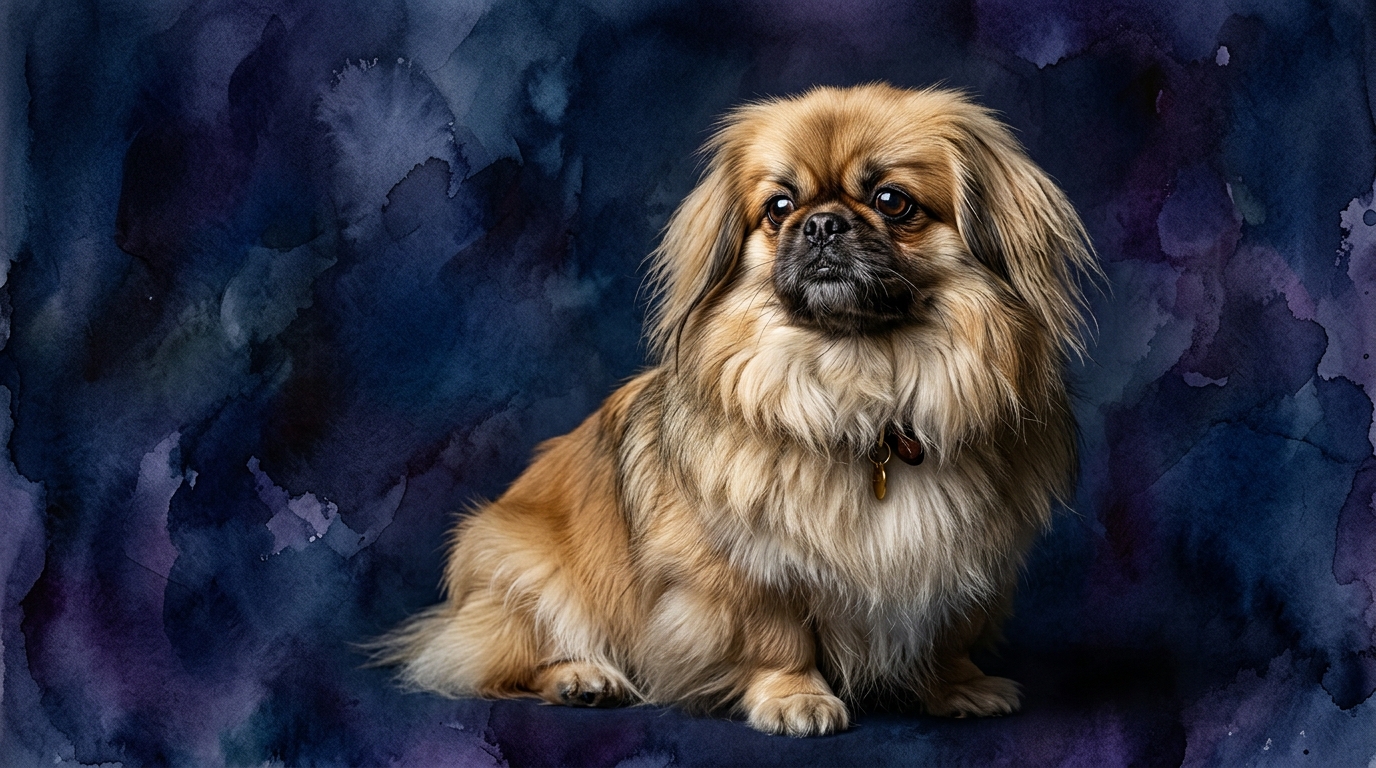
The Pekingese, a distinguished Toy breed, interprets the same 3/5 scores quite differently. Their Problem Solving at 3/5 is often more focused on navigating their immediate domestic environment and subtly influencing human behavior. This could involve figuring out the most comfortable sunbeam spot, manipulating their owners for attention or treats, or understanding complex household routines to their advantage. Their solutions are often less physical and more observational or strategic within their home territory. Training Speed at 3/5 means they are capable of learning, but their willingness is often contingent on their motivation and comfort. They can be selective learners, responding best to positive reinforcement that aligns with their inherent desire for comfort and companionship. Their 3/5 in Social Intelligence is profoundly expressed through a keen awareness of their human companions' moods, routines, and preferences. They are masters of subtle communication, often discerning shifts in emotion and responding with comforting presence or playful engagement. The Instinctive Drive, also 3/5, for a Pekingese is less about hunting and more about territorial guardianship and a strong desire for security and comfort. This drive can manifest as a watchful demeanor towards strangers or a strong attachment to their chosen person or resting spot. Their Memory at 3/5 ensures they remember who provides the best cuddles, where the treats are kept, and the precise schedule of their favorite activities, making them excellent at anticipating daily life within the home.
Where the Soft Coated Wheaten Terrier Excels Cognitively
While both breeds share a similar cognitive foundation, the Soft Coated Wheaten Terrier's strengths truly shine in environments that reward adaptability and independent, physical problem-solving. Their terrier heritage imbues them with a particular aptitude for engaging with the world actively. A Wheaten's 3/5 in Problem Solving is often demonstrated through their ability to quickly assess and navigate new or complex outdoor situations, such as finding the optimal path through varied terrain on a hike or figuring out how to retrieve a toy that has rolled under an obstacle. They possess a persistent curiosity that fuels their cognitive engagement with their surroundings, making them adept at learning through exploration and trial-and-error in a dynamic setting. This practical intelligence, combined with their instinctive drive, allows them to excel in activities that require quick thinking and physical coordination, such as agility courses or scent work, where they must interpret cues and make decisions on the fly to achieve a goal. Their cognitive wins are often tied to their capacity to be a resilient and resourceful partner in a variety of active pursuits.
Where the Pekingese Excels Cognitively
Conversely, the Pekingese's cognitive advantages are most evident in their profound understanding of the domestic sphere and human social dynamics. Their 3/5 in Social Intelligence is not merely about bonding; it's about a sophisticated ability to 'read the room' and interpret the subtle emotional states and routines of their human companions. A Pekingese excels at discerning when their owner needs comfort, when they are busy, or when a playful interaction is welcome. This keen observational intelligence allows them to integrate seamlessly into household life, often anticipating needs or reacting to moods with remarkable accuracy. Their problem-solving skills, while also rated 3/5, are finely tuned to their environment, enabling them to strategically position themselves for maximum comfort or attention, or to communicate their desires through nuanced behaviors. This mastery of social and domestic intelligence makes them exceptional companions for owners who appreciate a dog deeply attuned to the rhythms and emotional landscape of their home.
Training Dynamics: Independence vs. Selective Engagement
When it comes to training, the identical 3/5 score in Training Speed for both breeds belies distinct behavioral tendencies that influence the training experience. The Soft Coated Wheaten Terrier, with its terrier spirit, approaches training with enthusiasm but also a notable degree of independence. While they are capable learners and eager to please their family, their strong instinctive drive and self-directed problem-solving can sometimes lead to what some perceive as stubbornness or a selective interpretation of commands. Their cognitive focus can be easily diverted by interesting scents or sights, requiring an owner to be patient, consistent, and creative with engaging, positive reinforcement techniques. Training a Wheaten often means making the learning process a collaborative game, harnessing their natural zest for life rather than trying to stifle their innate drive. They learn best when training sessions are varied, stimulating, and make sense to their active minds, often excelling in activities that require them to think on their feet.
The Pekingese, despite the same 3/5 training speed score, presents a different set of training considerations. Their cognitive approach is often characterized by a strong sense of self and a discerning nature. While they are fully capable of learning commands and routines, their willingness to perform can be highly dependent on their motivation and perceived benefit. A Pekingese might quickly master a trick for a high-value treat but might completely ignore a command if they deem it unnecessary or inconvenient. Their social intelligence allows them to understand what is being asked, but their independent spirit (often termed 'regal' or 'stubborn' by owners) means they will weigh the request against their own comfort and desires. Successful training with a Pekingese often involves understanding their preferences, making training sessions short and positive, and framing commands in a way that appeals to their desire for comfort or attention. They are not necessarily 'harder' to train, but they demand a trainer who is respectful of their distinct personality and who can motivate them effectively without resorting to harsh methods.
Lifestyle Compatibility: Active Exploration vs. Domestic Harmony
The manifestation of their identical cognitive scores significantly impacts which breed is a better fit for active versus relaxed owners. The Soft Coated Wheaten Terrier's 3/5 in problem-solving and instinctive drive makes them ideal companions for active owners. They thrive on mental and physical engagement, enjoying activities like long walks, hikes, dog sports such as agility or flyball, and consistent training that challenges their minds. Their cognitive profile benefits from varied environments and opportunities to explore and interact with the world. Owners who enjoy an outdoor-oriented lifestyle and want a dog that can keep pace and engage actively in adventures will find a Wheaten to be a wonderfully spirited and mentally stimulated partner. Their memory and social intelligence ensure they are responsive and bonded, eager to participate in family activities.
Conversely, the Pekingese, with their particular blend of social intelligence and problem-solving focused on the domestic sphere, is a superb match for more relaxed owners. They are content with a calmer pace of life, enjoying short strolls and ample time for companionship and observation within the home. Their cognitive strengths are best appreciated in an environment where they can be close to their human family, observing routines, and offering comfort or quiet companionship. Owners who prioritize a devoted, perceptive companion that is deeply attuned to the home environment and its inhabitants will find the Pekingese's cognitive makeup perfectly suited. While they still require mental stimulation, it often comes in the form of interactive toys, puzzle feeders, and consistent, gentle interaction within their trusted domain, rather than high-energy outdoor excursions. Their memory and social intelligence make them masters of navigating the nuances of home life.
The Verdict
Choose a Soft Coated Wheaten Terrier if you seek a spirited, adaptable companion for an active lifestyle, one who thrives on physical and mental engagement in diverse environments and enjoys tackling challenges with terrier tenacity.
Opt for a Pekingese if you desire a devoted, perceptive companion for a calmer home life, appreciating a dog deeply attuned to human emotions and domestic routines, providing quiet yet profound companionship.
🧠 Find Your Pet's IQ Score
Our Pet IQ Lab assessment covers 25+ tests across 5 cognitive dimensions — personalized to your breed.
Take the Full IQ Test →Frequently Asked Questions
Are Wheaten Terriers good for first-time owners?
Soft Coated Wheaten Terriers can be suitable for first-time owners who are prepared for their energetic nature and intelligent, independent streak. They require consistent training, early socialization, and plenty of mental and physical exercise to thrive, making them a commitment that rewards active and engaged individuals.
Do Pekingese really guard their owners?
Yes, Pekingese often display a strong protective instinct towards their owners and territory, despite their small size. Their instinctive drive and social intelligence lead them to be watchful and alert, often barking to signal the presence of strangers or perceived threats, making them surprisingly effective little watchdogs.
How do their '3/5' scores manifest differently in daily life?
While both score 3/5, a Wheaten's problem-solving might involve figuring out how to open a gate, while a Pekingese's might be how to get extra treats. A Wheaten's social intelligence expresses as enthusiastic family engagement, whereas a Pekingese's is often subtle emotional attunement and discerning observation within the home.