
Side-by-Side IQ Profile: Unpacking the Terriers' Minds
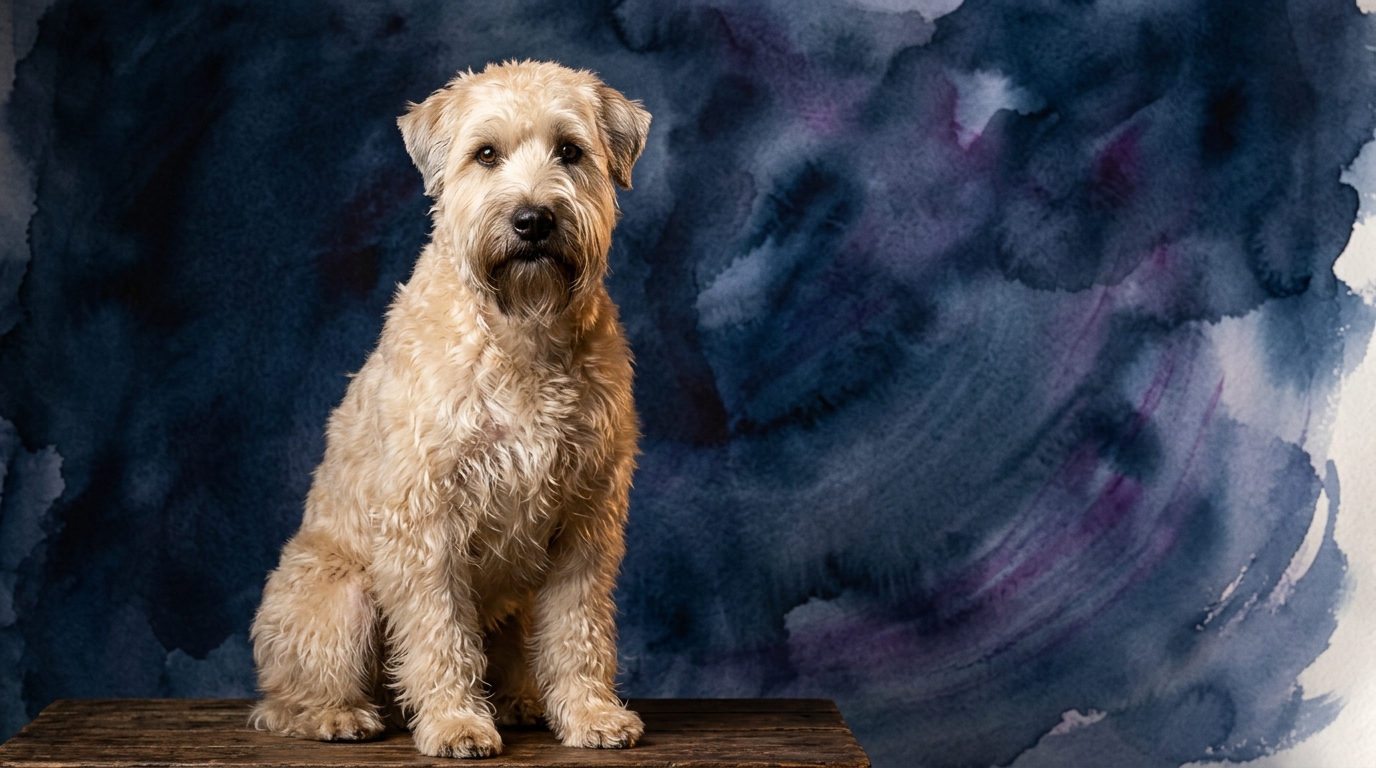
**Soft Coated Wheaten Terrier:** These dogs possess a balanced cognitive profile. Their **Problem Solving (3/5)** often displays as cleverness focused on their environment and social dynamics, adept at figuring out how to get attention or open a cabinet door to retrieve a favorite toy; their solutions lean towards adapting to household routines and charming their way into desired outcomes. **Training Speed (3/5)** indicates a moderate pace for acquiring new commands, often driven by a desire to please their family but sometimes tempered by a playful stubbornness, responding well to positive reinforcement and consistent, engaging sessions. **Social Intelligence (3/5)** means they are attuned to emotional cues and family dynamics, often seeking to be central to household activities and interacting well with familiar people and dogs. Their **Instinctive Drive (3/5)**, while retaining some terrier prey drive, is often channeled into exuberant play, moderate chasing of small animals, and a desire to 'work' alongside their people. Finally, their **Memory (3/5)** demonstrates good recall for learned commands and routines, remembering both positive experiences and established boundaries.
**Rat Terrier:** This breed also presents a balanced set of cognitive abilities. Their **Problem Solving (3/5)** excels at practical challenges, particularly tasks involving exploration, discovery, and strategizing to access hidden items or navigate obstacles, with sharp minds geared towards outwitting small prey or figuring out complex puzzle toys. **Training Speed (3/5)** indicates they typically learn new tasks with a brisk pace, eager to engage in mental challenges, though their independent streak and high prey drive can sometimes lead to distractions, requiring focused training. **Social Intelligence (3/5)** means they are observant of their environment and people, forming strong attachments to primary caregivers and often preferring the company of their chosen few while reading their cues effectively. Their **Instinctive Drive (3/5)**, reflecting their heritage, is a robust prey drive, showing intense focus on small movements, scents, and digging, a core part of their being that requires appropriate outlets. Their **Memory (3/5)** is strong for learned commands, routines, and the locations of interesting smells or hidden treasures, quickly associating actions with consequences.
Where the Soft Coated Wheaten Terrier Shows Its Cognitive Strengths
The Soft Coated Wheaten Terrier shines in its capacity for emotional connection and adaptability within a family unit. Their social intelligence, rated at 3/5, manifests as a nuanced ability to read human moods and integrate seamlessly into household rhythms. They are often adept at 'working' a room, understanding who is receptive to play or cuddles, and adjusting their approach accordingly. This breed's problem-solving (3/5) often involves creative ways to engage family members, such as bringing a toy to initiate play or strategically placing themselves for maximum attention. Their moderate instinctive drive (3/5) allows them to participate in family activities without being overwhelmingly driven by a single-minded pursuit, making them more pliable for diverse home environments and family interactions.
Where the Rat Terrier's Cognitive Prowess Shines
The Rat Terrier's cognitive strengths lie in their independent thought, environmental awareness, and purposeful problem-solving. With a 3/5 in problem-solving, they are masters of practical challenges, often displaying a keen ability to map out their surroundings, remember specific locations of interest, and devise strategies to achieve a goal, like accessing a difficult-to-reach toy. Their strong instinctive drive (3/5) translates into an unwavering focus when engaged in tasks that mimic their historical purpose, whether it's navigating an agility course or meticulously searching for a hidden treat. This breed's memory (3/5) is particularly sharp for spatial information and sensory cues, making them exceptional at remembering where they buried a bone or the exact path to a favorite sniffing spot during a walk.
Training Dynamics: Which Terrier Learns Faster?
Despite both breeds scoring 3/5 in training speed, their underlying motivations and behavioral tendencies create distinct training experiences. The Soft Coated Wheaten Terrier, with its strong social intelligence and desire to please, often responds well to praise and interactive play during training. Their exuberance can sometimes translate into a need for consistent impulse control work, but their overall eagerness to engage with their owner aids the learning process. Conversely, the Rat Terrier's independent nature and potent instinctive drive, even at a 3/5, mean they might grasp commands quickly but require more compelling motivation, such as high-value treats or engaging games, to maintain focus. Their inherent curiosity and potential for distraction by environmental stimuli necessitate a trainer who can make learning more rewarding than the surrounding world. While both learn at a moderate pace, the Wheaten's social motivation might make them appear more 'cooperative' in training, whereas the Rat Terrier's independent streak requires a more creative and persistent approach to harness their quick wits and focus.
The Rat Terrier’s keen problem-solving (3/5) and memory (3/5) mean they can learn complex sequences, but their instinctive drive (3/5) for hunting small prey can be a significant distraction during outdoor training, demanding rigorous proofing of commands like recall. The Wheaten, on the other hand, with its moderate instinctive drive, might be less prone to bolting after a squirrel, but their playful nature could lead to more 'zooming' or less focused attention during high-energy training sessions. Success with both breeds hinges on understanding these nuanced behavioral differences and tailoring training methods to their individual cognitive strengths and potential challenges, rather than solely relying on their comparable training speed scores.
Matching Cognitive Profiles to Lifestyles: Active vs. Relaxed Owners
Understanding these terriers' cognitive profiles is key to matching them with the right lifestyle. The Soft Coated Wheaten Terrier, while active, thrives with owners who appreciate and reciprocate their social engagement. Their 3/5 social intelligence means they genuinely enjoy being an integral part of family life, participating in walks, games, and simply being present. They suit owners who can provide consistent, loving interaction and channel their moderate instinctive drive into family-friendly activities, perhaps even light agility or trick training for mental stimulation. For owners seeking a dog that is deeply integrated into the emotional fabric of the home, valuing companionship and playful interaction, the Wheaten is an excellent fit, adaptable to various family dynamics and activities.
The Rat Terrier, however, is better suited for active owners who understand and can fulfill their pronounced need for mental and physical engagement, especially regarding their instinctive drive. Their problem-solving (3/5) and strong memory (3/5) thrive on structured activities that tap into their natural curiosity and hunting instincts, such as earthdog trials, extensive scent work, or complex puzzle toys. They are ideal for owners who enjoy outdoor adventures, provide consistent training that challenges their quick minds, and can manage their robust prey drive with appropriate outlets. These terriers flourish when given a 'job' that allows them to utilize their independent cognitive strengths, making them a superb companion for the dedicated, active individual or family who appreciates a dog with a strong sense of purpose and keen environmental awareness.
The Verdict
Choose a Soft Coated Wheaten Terrier if you seek a deeply affectionate, socially attuned companion who thrives on being an integrated part of family life and enjoys interactive play.
Opt for a Rat Terrier if you are an active individual or family ready to embrace and channel a dog's independent spirit, keen problem-solving, and robust instinctive drives into engaging activities and outdoor adventures.
🧠 Find Your Pet's IQ Score
Our Pet IQ Lab assessment covers 25+ tests across 5 cognitive dimensions — personalized to your breed.
Take the Full IQ Test →Frequently Asked Questions
Do Soft Coated Wheaten Terriers or Rat Terriers make better family pets based on their intelligence?
Both can be excellent family pets, but their cognitive strengths cater to different family dynamics. Wheatens, with their strong social intelligence, often integrate more emotionally into family life, while Rat Terriers thrive in active families that provide outlets for their problem-solving and instinctive drives.
How does the '3/5' instinctive drive differ between these two breeds?
For Wheatens, a 3/5 instinctive drive often manifests as playful chasing and a desire to 'work' with their family, whereas for Rat Terriers, it's typically a more focused, intense prey drive geared towards hunting small vermin, requiring dedicated outlets for this inherent behavior.
Which breed is more adaptable to apartment living given their cognitive needs?
While both breeds can adapt to apartment living with sufficient exercise, the Wheaten's adaptability and social intelligence might make them slightly more content with indoor family interaction. The Rat Terrier's strong instinctive drive and need for mental challenges often demand more structured outdoor activities and space to explore, even if it's a secured yard or frequent park visits.