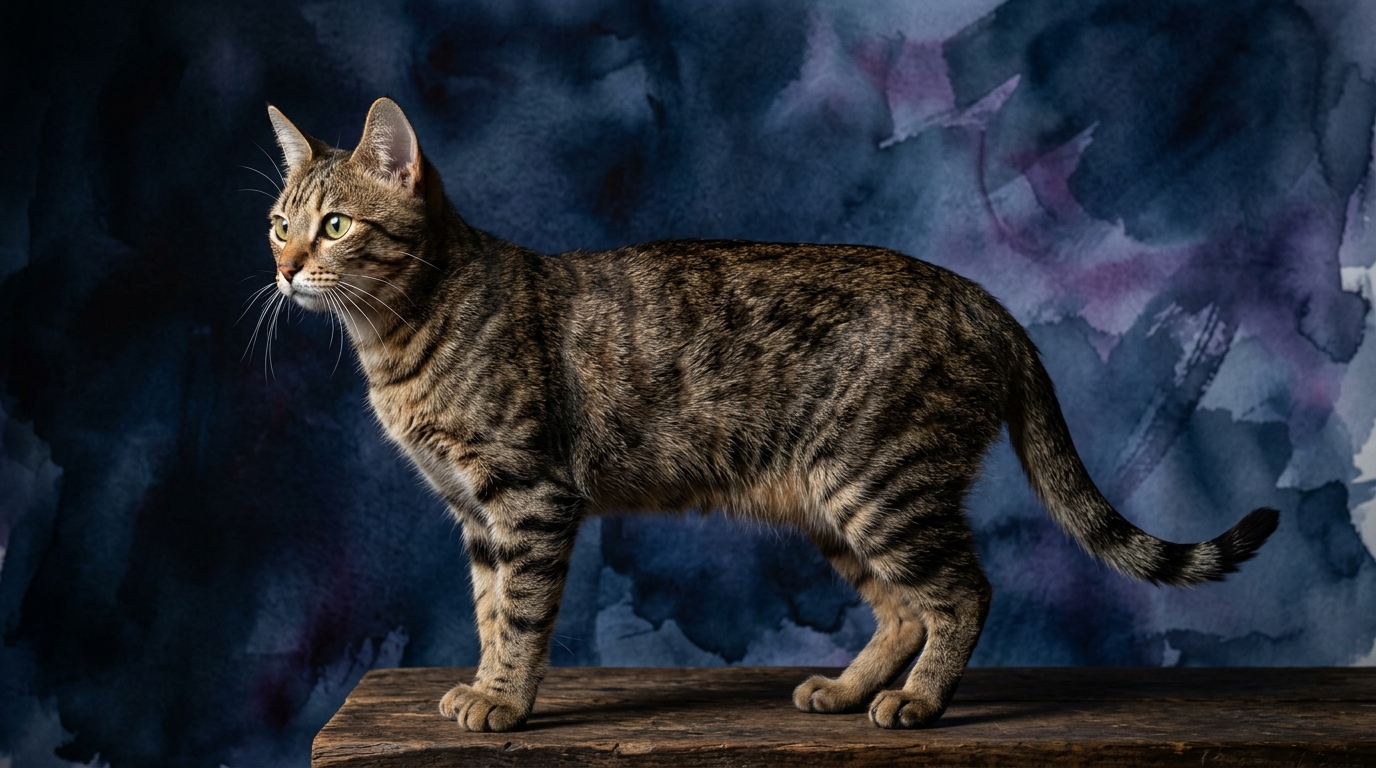
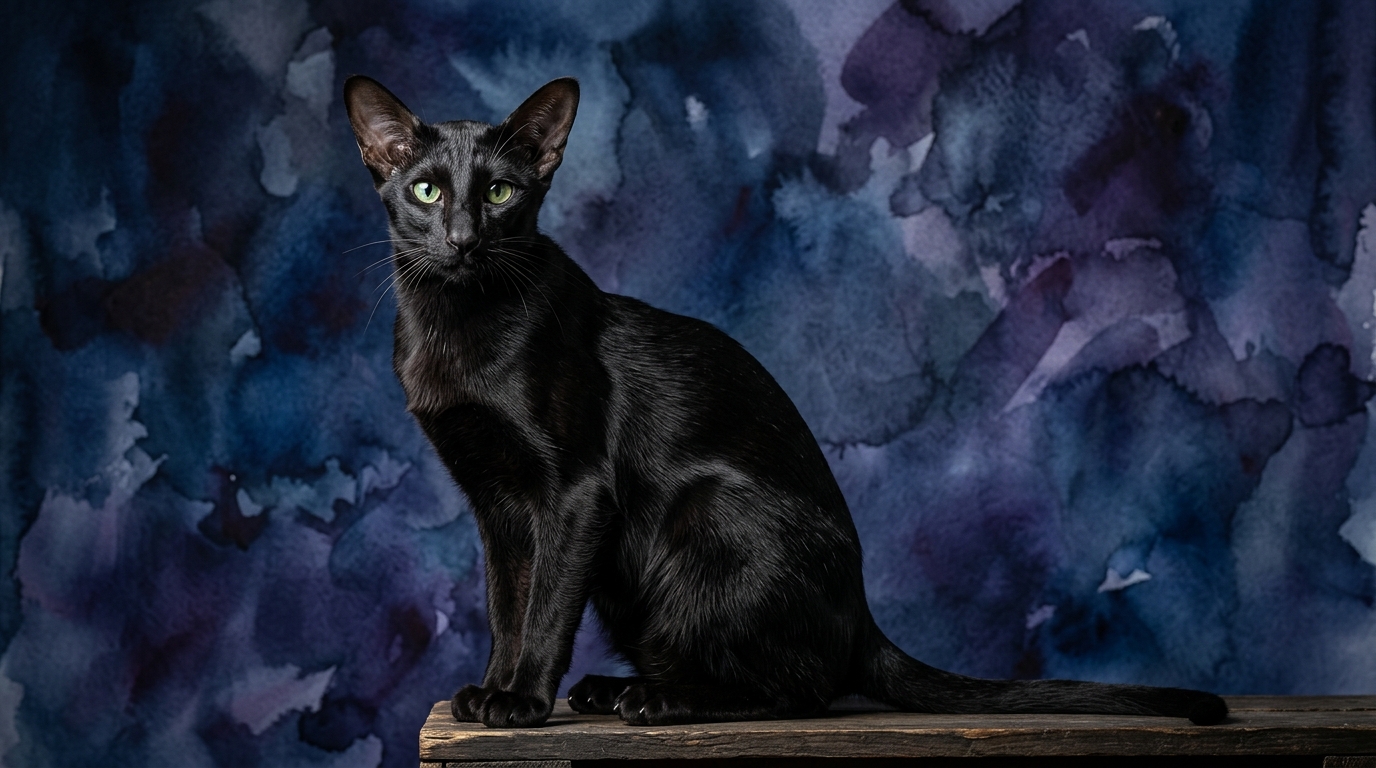
Side-by-Side IQ Profile: Unpacking Identical Scores
In the meticulous evaluations of The Cosmic Pet Pet IQ Lab, both the Sokoke and the Oriental Shorthair have achieved a consistent 3/5 across all five key cognitive dimensions. This identical numerical outcome doesn't imply identical behavior, but rather a similar *level* of capacity expressed through different temperaments and drives. Let's explore what a 3/5 means for each breed in practice.
For **Problem Solving (3/5)**, both breeds demonstrate a respectable capacity to navigate their environment and overcome minor obstacles. A Sokoke might exhibit this by devising a route to access a high shelf, carefully assessing its surroundings before making a leap, or figuring out how to retrieve a toy lodged under furniture. Their approach is often observant and physically agile, driven by an innate curiosity about their territory. An Oriental Shorthair, on the other hand, might apply its problem-solving skills to more interactive challenges, such as learning to open a specific cupboard door to access treats, or manipulating a puzzle toy with persistent vocalizations and pawing until a reward is released. Their efforts are often fueled by a desire for interaction or a clear goal.
Regarding **Training Speed (3/5)**, both felines are responsive to consistent, positive reinforcement methods. A Sokoke will learn routine commands like 'come' or 'sit' when motivated by food or play, showing a steady progression through repetitive sessions. Their learning process is often quiet and focused, internalizing lessons without excessive fanfare. The Oriental Shorthair, conversely, also learns at a moderate pace, but their enthusiasm and eagerness to engage with their human companions can make the training process feel more dynamic. They might pick up tricks like 'fetch' or walking on a leash, often driven by the enjoyment of shared activity and attention.
**Social Intelligence (3/5)** for both breeds indicates an ability to form meaningful bonds and understand basic human cues. A Sokoke typically forms deep, discerning attachments with its primary caregivers, recognizing their moods and responding with affection or quiet presence. They might not be overtly demonstrative with strangers but are keenly aware of social dynamics within their established household. An Oriental Shorthair's social intelligence often manifests as a more vocal and expressive engagement with its family. They are adept at communicating their needs and desires through a wide range of meows and body language, often seeking out interaction and participating actively in household life. They understand the nuances of human attention and how to solicit it.
Their **Instinctive Drive (3/5)** reflects a healthy level of natural cat behaviors. For the Sokoke, this score signifies a well-developed prey drive, which translates into engaging in vigorous play that mimics hunting, such as chasing laser pointers, pouncing on feather wands, and exploring new spaces with a keen sense of their surroundings. This drive is often expressed through bursts of energetic activity followed by periods of calm observation. The Oriental Shorthair also possesses a strong instinctive drive, frequently expressed through intense play sessions, climbing to high vantage points, and a persistent curiosity to investigate every new object or sound. Their drive is often intertwined with their need for engagement, turning playtime into an interactive experience.
Finally, **Memory (3/5)** for both breeds means they retain information about routines, familiar individuals, and learned tasks. A Sokoke will reliably remember feeding times, the location of favorite napping spots, and the specific sounds associated with its human's return. Their memory is practical and serves their independent, routine-oriented nature. An Oriental Shorthair's memory is similarly robust, allowing them to recall complex sequences of events, such as the steps involved in a favorite game, the specific people who offer the best cuddles, or the exact location of a hidden toy. Their memory often aids their ability to anticipate interactions and maintain consistent routines.
Where the Sokoke Finds Its Cognitive Edge
While their numerical scores align, the Sokoke's unique evolutionary history as a natural forest cat from Kenya subtly shapes how its 3/5 cognitive abilities are applied. Its problem-solving, for instance, often leans towards spatial reasoning and environmental navigation. A Sokoke might demonstrate a superior ability to map out complex indoor territories, finding novel ways to access high perches or navigate around obstacles with remarkable agility and foresight. This stems from generations of adapting to varied, natural landscapes, giving them a practical, 'on-the-ground' intelligence for physical challenges. Their instinctive drive, while rated similarly, often manifests as a more self-contained and observant approach to their environment, allowing them to process sensory information with a quiet intensity that might give them an edge in solitary exploration or subtle detection of changes in their surroundings.
Where the Oriental Shorthair Excels Cognitively
The Oriental Shorthair's cognitive strengths, while sharing the 3/5 rating, often shine brightest in areas requiring intricate interaction and communication. Their social intelligence, for example, is often characterized by a sophisticated understanding of human vocalizations and body language, allowing them to 'converse' with their owners through an extensive vocabulary of meows, chirps, and purrs. This deep communicative ability allows them to express their needs and desires with striking clarity, a distinct advantage in fostering close human-animal bonds. Their problem-solving often involves manipulating objects to achieve social outcomes—like batting a toy to get attention, or figuring out how to join their human in a restricted area. This breed's high demand for interaction can also subtly enhance their training speed, as their eagerness to participate and please can make them highly receptive to cues when the reward involves shared activity and affection.
Training Dynamics: Sokoke vs. Oriental Shorthair
When it comes to training, both breeds possess a 3/5 training speed, indicating a moderate learning curve that responds well to consistent positive reinforcement. However, their inherent behavioral differences significantly influence the *experience* of training. The Oriental Shorthair, with its famously vocal and companion-oriented nature, often approaches training as another form of engaging interaction. They tend to be eager participants, often initiating games or seeking attention, which can make them highly motivated to learn new tricks or commands if it means more quality time with their human. Their strong desire to be involved in household activities means they can be more amenable to tasks like leash training or even complex trick training, viewing it as a shared adventure. Their 'chatty' nature can also be an asset, as they often 'respond' to commands, making the process feel more collaborative.
The Sokoke, while equally capable of learning, may require a different approach. Their more independent and observant nature means that while they will learn, they might not always display the same overt enthusiasm or immediate desire to perform on command. Training a Sokoke often benefits from shorter, more frequent sessions that respect their periods of independent exploration or quiet contemplation. Motivation for a Sokoke might rely more heavily on high-value treats or engaging hunt-style play, rather than solely on human attention. They learn through observation and repetition, but the trainer needs to be patient and understand that the Sokoke's participation may be more measured. Their social intelligence, while strong, is often expressed in deeper, more discerning bonds, rather than broad, eager sociability, which can influence their responsiveness in a training context.
Lifestyle Match: Active vs. Relaxed Owners
Choosing between a Sokoke and an Oriental Shorthair often comes down to an owner's lifestyle and their preferred level of feline engagement. The Oriental Shorthair is an ideal companion for active owners who thrive on constant interaction and a lively household. These cats demand attention, engage vocally, and possess a boundless curiosity that keeps them perpetually involved in their owner's activities. They excel in environments where they are the center of attention, participating in games, 'conversations,' and even accompanying their owners on errands. An owner who enjoys a cat that is always 'underfoot' and actively seeking engagement will find the Oriental Shorthair a rewarding match.
Conversely, the Sokoke, while certainly an active and playful breed, may appeal more to owners who appreciate a cat with a blend of independence and affection. Sokokes are energetic and love to play, but they are also content to explore their environment solo or observe from a quiet perch. They form strong bonds but are not typically as demanding of constant human interaction as the Oriental Shorthair. An owner who enjoys providing enrichment through toys and climbing structures, but also values a cat that can entertain itself and maintains a certain self-sufficient grace, would find a harmonious partnership with a Sokoke. They are active in their own right, but their energy is often channeled into self-directed play and exploration rather than constant human solicitation.
The Verdict
Choose the Sokoke if you appreciate an active, observant cat with a discerning affection that values both independent exploration and quiet companionship.
Opt for the Oriental Shorthair if you desire a highly interactive, vocal, and constantly engaging feline companion who thrives on being an integral part of your daily life.
🧠 Find Your Pet's IQ Score
Our Pet IQ Lab assessment covers 25+ tests across 5 cognitive dimensions — personalized to your breed.
Take the Full IQ Test →Frequently Asked Questions
Do identical IQ scores mean Sokoke and Oriental Shorthair cats behave identically?
No, identical IQ scores of 3/5 for both breeds indicate a similar *capacity* across cognitive dimensions, but their inherent breed temperaments and histories dictate how these abilities are expressed. The Sokoke's forest origins might lead to more spatial problem-solving, while the Oriental Shorthair's people-oriented nature channels its intelligence into social interaction.
Which breed is better for a first-time cat owner looking for an engaging pet?
For a first-time owner seeking an engaging pet, the Oriental Shorthair might be a more straightforward choice due to its overt desire for interaction and clear communication. Its eagerness to participate can make the learning process for both cat and owner more intuitive and rewarding, fostering a strong bond quickly.
How does the 'Instinctive Drive' score of 3/5 manifest differently in these two breeds?
For the Sokoke, a 3/5 instinctive drive often manifests as focused, agile play mimicking hunting and a keen interest in environmental exploration. For the Oriental Shorthair, this same score frequently translates into intense, interactive play sessions and a persistent curiosity that often involves their human companions, making playtime a shared, energetic experience.