Side-by-Side Cognitive Profile
The Cosmic Pet Pet IQ Lab assesses canine intelligence across five key dimensions, offering a nuanced look beyond simple obedience. For both the Spanish Water Dog and the Glen of Imaal Terrier, each dimension registers a 3 out of 5, indicating a solid, functional intellect. However, the application and manifestation of these scores differ significantly due to their divergent breed histories and innate drives.
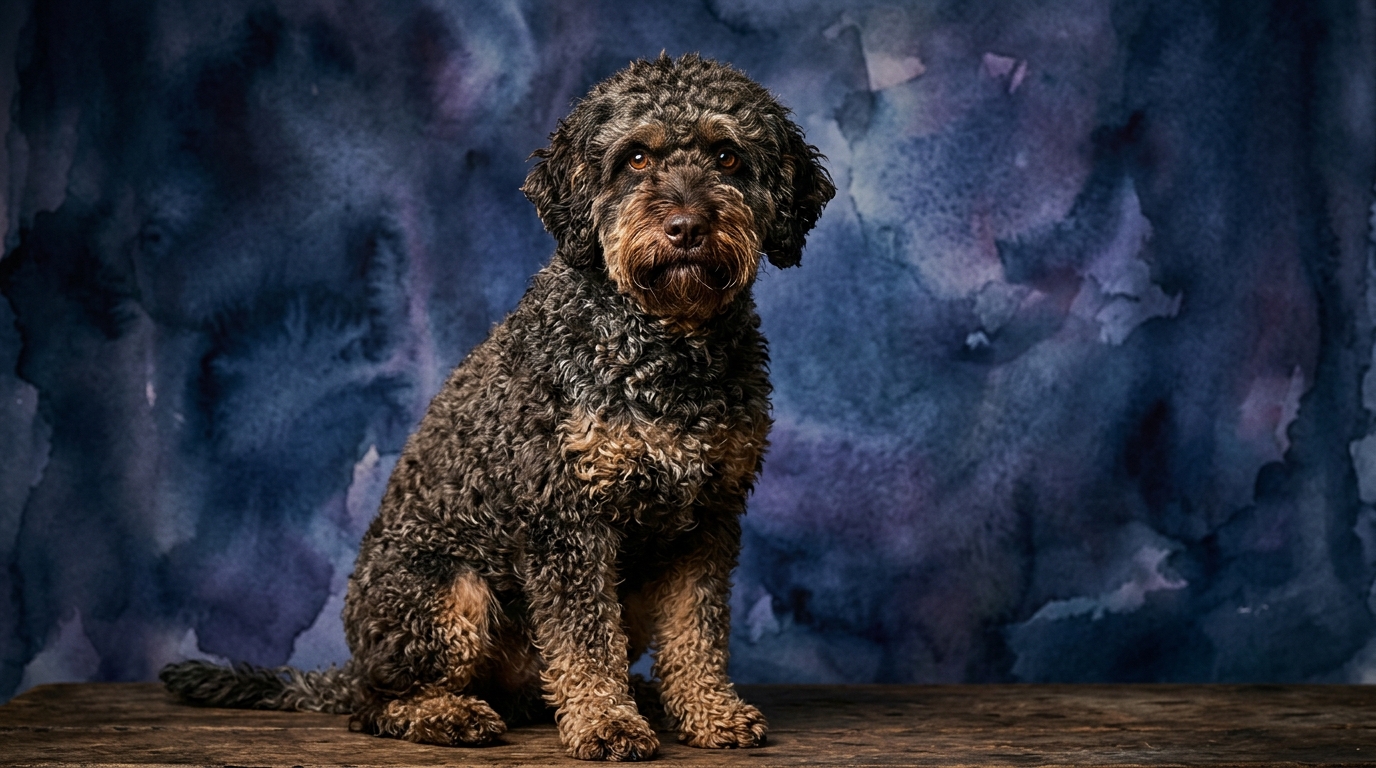
The **Spanish Water Dog**, rooted in the Herding group, historically served as an all-around farm dog, herding livestock, retrieving waterfowl, and assisting fishermen. This background shaped their cognitive strengths in practical, adaptable ways. Their **Problem Solving (3/5)** centers on deciphering dynamic, real-world scenarios, such as anticipating flock movements or navigating varied terrain to retrieve objects, rather than abstract puzzles. Their **Training Speed (3/5)** reflects a moderate learning curve, often eager to engage with humans in purposeful activities, though their independent streak can occasionally lead to testing boundaries. **Social Intelligence (3/5)** in an SWD involves a keen understanding of human handlers and the animals they manage, attuned to subtle cues to maintain order within their perceived 'flock' or family unit. Their **Instinctive Drive (3/5)** is strong for herding and retrieving, manifesting as a desire to gather, organize, and work with purpose. Finally, their **Memory (3/5)** is robust for routines, commands, and environmental layouts, vital for their reliability as working companions.
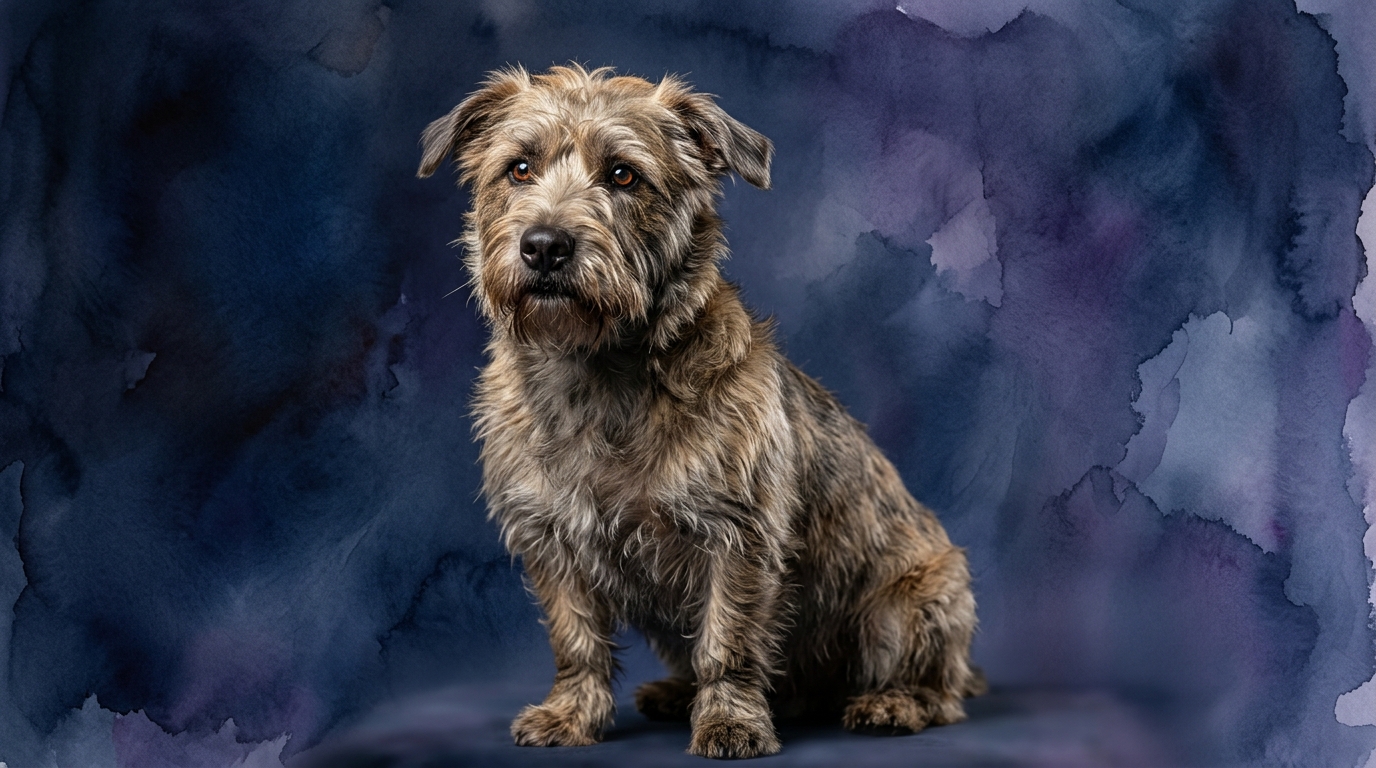
The **Glen of Imaal Terrier**, from the Terrier group, boasts a lineage of independent hunting, primarily for badger, fox, and otter, and even served as a turnspit dog. This history cultivated a distinct set of cognitive attributes. Their **Problem Solving (3/5)** is honed by tenacity and strategic thinking to outwit prey in confined spaces, emphasizing autonomous decision-making over cooperative efforts. The Glen's **Training Speed (3/5)** is moderate, but their terrier independence means they often require creative and highly motivating methods; they are capable learners but may prioritize their own pursuits. Their **Social Intelligence (3/5)** is often discerning, forming deep bonds with immediate family but potentially reserved with strangers, understanding social dynamics within their small circle without always seeking human approval. The **Instinctive Drive (3/5)** of a Glen is deeply rooted in their terrier heritage: a strong prey drive, a propensity for digging, and unwavering determination. Their **Memory (3/5)** is sound, particularly for locations where prey might be found or for specific tasks they enjoy, reinforcing self-rewarding behaviors.
Where the Spanish Water Dog Wins Cognitively
The Spanish Water Dog truly shines in their adaptive, cooperative problem-solving within dynamic, open environments. Their cognitive strength lies in their ability to quickly assess changing situations, like a scattered flock or a shifting current, and devise flexible strategies to manage them. This is less about brute force or single-minded focus and more about nuanced, real-time adjustments. Their social intelligence also offers a distinct advantage in structured group settings, as they are often more inclined to read and respond to multiple human cues or work alongside other dogs with a clear purpose, making them adept at complex team-oriented tasks. Their memory for routines and sequences, combined with a strong desire to engage, gives them an edge in learning and executing multi-step commands over extended periods.
Where the Glen of Imaal Terrier Wins Cognitively
The Glen of Imaal Terrier's cognitive prowess is most evident in their tenacious, independent problem-solving, particularly in confined or challenging spaces. Their intellect is geared towards autonomous decision-making, such as strategizing how to access a den or outmaneuver prey underground, often without human direction. This breed excels when faced with a singular, self-motivated goal, demonstrating remarkable persistence and ingenuity in overcoming obstacles. Their focused instinctive drive means they can maintain intense concentration on a task, like tracking a scent or digging, for extended periods, making them exceptional at pursuits requiring unwavering dedication. Their memory, while practical, is particularly strong for details related to their independent ventures, recalling specific spots or methods that yielded success.
Which is Easier to Train and Why
Between the two, the Spanish Water Dog generally presents as the easier subject for formal training. Their herding background instills a stronger inherent desire to work cooperatively with humans and a greater natural inclination to please their handler. This means they are often more receptive to commands and quicker to form positive associations with training exercises. While they possess an independent streak typical of working breeds, their motivation often lies in performing a job for their human partner. They thrive on structure and purpose, making them more amenable to consistent, reward-based training methods, and their social intelligence makes them keen observers of human intentions.
The Glen of Imaal Terrier, conversely, can be more challenging to train in a conventional sense. Their terrier heritage fosters a strong sense of independence and a "what's in it for me?" attitude. They are intelligent and capable of learning, but their primary motivation is often self-serving, driven by their innate prey drive and desire to explore or dig. Training a Glen requires immense patience, creativity, and high-value rewards to capture and maintain their attention. They may understand a command but choose not to execute it if they perceive a more interesting or rewarding alternative. Their focus is less on pleasing and more on pursuing their own agenda, demanding a trainer who understands and respects their tenacious, often stubborn, nature.
Suitability for Active vs. Relaxed Owners
The Spanish Water Dog is better suited for active owners who can provide consistent physical and mental engagement. Their herding and retrieving instincts mean they require daily outlets for their energy, whether through long walks, vigorous play, dog sports like agility or dock diving, or even actual herding work. They thrive on having a "job" and can become bored or destructive if under-stimulated. An active owner who enjoys outdoor adventures, training sessions, and interactive games will find a fulfilling partnership with an SWD, channeling their considerable energy and sharp mind into productive activities.
The Glen of Imaal Terrier, while possessing a tenacious spirit, can be a surprisingly good fit for owners with a more relaxed lifestyle, provided their specific needs are met. Unlike many high-energy terriers, Glens have a moderate exercise requirement, often content with a good daily walk and some vigorous play. However, "relaxed" doesn't mean "lazy." Their mental stimulation needs are significant; they require opportunities for sniffing, exploring, and engaging their independent problem-solving skills, perhaps through puzzle toys or supervised digging. A relaxed owner who appreciates a quieter companion but is committed to providing consistent mental challenges and opportunities for their dog to express its natural terrier instincts will find the Glen to be a loyal and relatively calm presence indoors, as long as their outdoor needs are met.
The Verdict
Opt for the Spanish Water Dog if you seek a highly engaged, cooperative partner for dynamic activities, thriving on purpose and human interaction in an active lifestyle. They are ideal for owners who enjoy consistent training, dog sports, and a dog eager to participate in family adventures.
Select the Glen of Imaal Terrier if you appreciate a tenacious, independent companion with a quiet indoor demeanor, capable of deep loyalty, and you are prepared to channel their strong terrier instincts with patience and creative mental challenges. They suit owners who value autonomy in their canine companion and can provide structured outlets for their unique drives.
🧠 Find Your Pet's IQ Score
Our Pet IQ Lab assessment covers 25+ tests across 5 cognitive dimensions — personalized to your breed.
Take the Full IQ Test →Frequently Asked Questions
Do Spanish Water Dogs require a lot of grooming?
Spanish Water Dogs have a unique corded or curly coat that requires specific care, but not traditional brushing. Their coat should not be brushed or combed, but rather allowed to cord naturally, requiring occasional shearing a few times a year to maintain health and hygiene.
Are Glen of Imaal Terriers good with children?
Glen of Imaal Terriers can be good with respectful, older children, especially if raised with them from puppyhood. Their calm demeanor and sturdy build can make them tolerant, but their independent nature means they may not always appreciate rough play or constant attention from very young children.
What is the primary difference in how these breeds approach new tasks?
The Spanish Water Dog typically approaches new tasks with an eagerness to understand and cooperate with their handler, seeking to perform a job. The Glen of Imaal Terrier, conversely, tends to assess new tasks with an independent mindset, weighing whether the task aligns with their own motivations or instinctive drives before engaging.