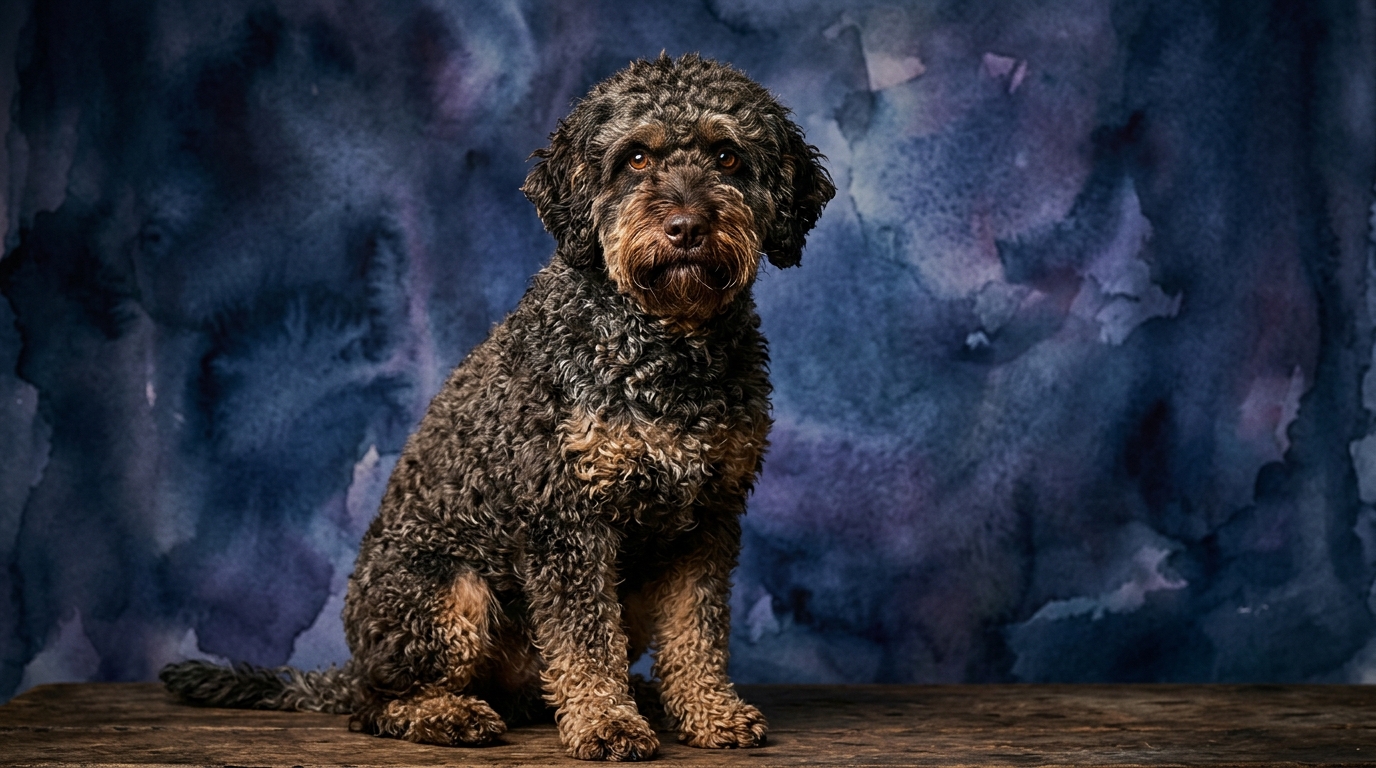
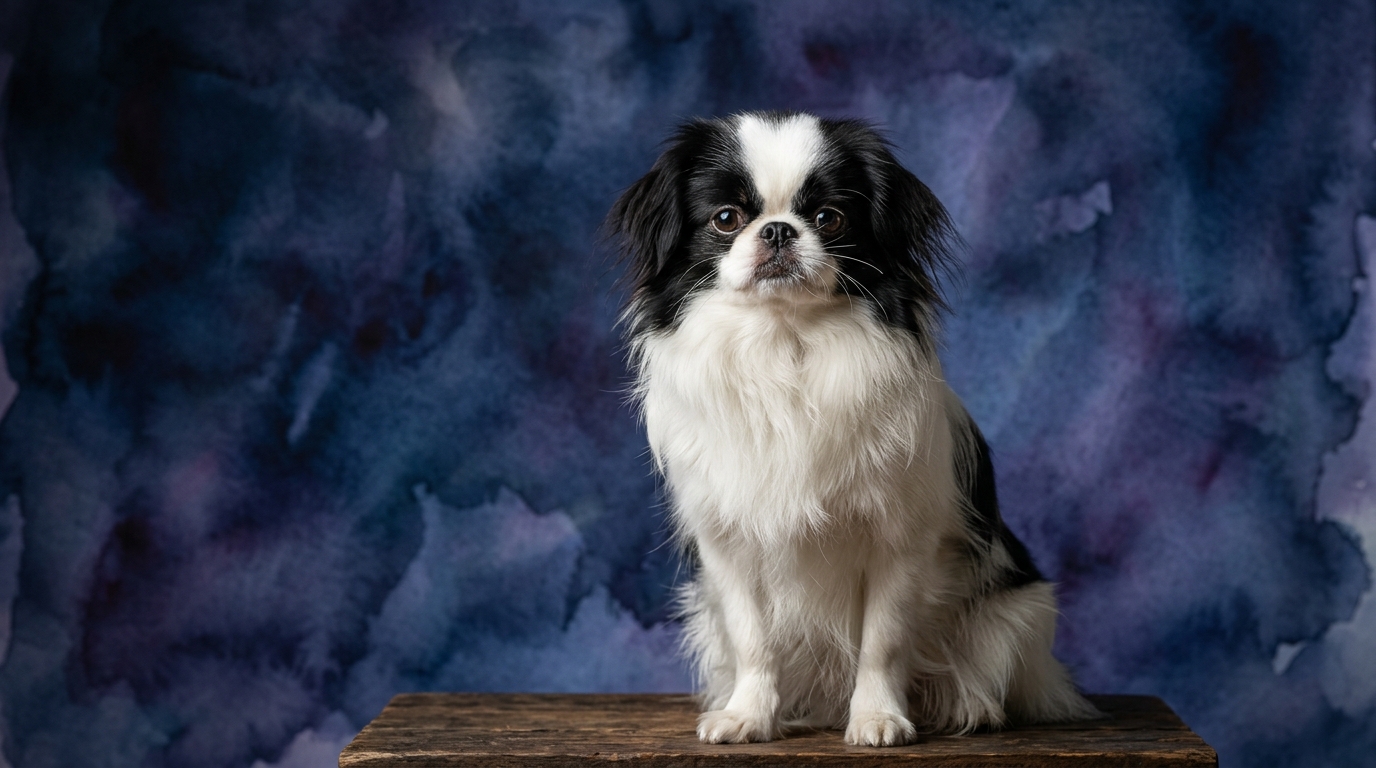
Side-by-Side Cognitive Profile: Interpreting Identical Scores
It's rare to find two breeds as distinct as the Spanish Water Dog and the Japanese Chin sharing identical scores across all five dimensions of The Cosmic Pet Pet IQ Lab. Both breeds registered a solid 3/5 for Problem Solving, Training Speed, Social Intelligence, Instinctive Drive, and Memory. This isn't a score of average intellect; rather, it signifies a robust, capable mind that consistently performs above a basic level, demonstrating a strong aptitude for learning and adaptation. The real insight comes from understanding how these identical scores translate into their unique breed-specific expressions.
For the Spanish Water Dog, a Herding breed, a Problem Solving score of 3/5 indicates a capacity for independent thought in dynamic, often unpredictable environments. This isn't about solving abstract puzzles, but rather about figuring out how to move a flock, navigate challenging terrain, or adapt to new instructions on the fly. Their 3/5 Training Speed reflects their responsiveness to cues and ability to absorb complex sequences of commands essential for a working dog, while their 3/5 Social Intelligence speaks to their understanding of handler intentions and the nuances of group dynamics, whether with livestock or humans. An Instinctive Drive of 3/5 is deeply rooted in their herding heritage, fueling a persistent, purposeful approach to tasks. Finally, their Memory at 3/5 supports recalling intricate patterns, commands, and the specific tasks required over extended periods of work.
The Japanese Chin, a Toy breed, interprets these same 3/5 scores through a lens of companionship and domesticity. Their 3/5 Problem Solving manifests in adeptly navigating the intricacies of a human household, perhaps figuring out how to gain attention, manipulate a toy, or locate a preferred sunbeam. A 3/5 Training Speed indicates they are quick to pick up household rules, learn charming tricks, and respond readily to positive reinforcement, often driven by a desire to please their human companions. Their Social Intelligence, also 3/5, shines in their exquisite sensitivity to human moods and subtle cues, making them exceptional emotional barometers and highly attuned companions. An Instinctive Drive of 3/5 for the Chin translates less into a working purpose and more into an innate desire for close human connection, alert barking, and perhaps a playful, gentle chase. Their Memory at 3/5 is excellent for recalling specific people, daily routines, and the precise behaviors that earn them affection and comfort.
Where the Spanish Water Dog Excels Cognitively
The Spanish Water Dog’s cognitive strengths are deeply intertwined with their historical role as a versatile working dog. While both breeds score 3/5 in Problem Solving, the SWD's manifestation leans towards practical, environmental challenges. Their intellect is geared towards assessing and responding to dynamic situations in real-time. Imagine a SWD facing a scattered flock; their 3/5 problem-solving isn't just about following commands, but about making independent decisions to regroup the animals, anticipating their movements, and adapting their strategy as needed. This requires a robust cognitive flexibility and the ability to process multiple environmental inputs simultaneously.
Their 3/5 Instinctive Drive provides a relentless mental engine, fueling a sustained focus on tasks that require endurance and purpose. This isn't merely physical stamina, but a mental fortitude to persist through challenges, to keep working even when immediate rewards aren't present. This drive, combined with their 3/5 Memory, allows them to recall complex sequences of actions, differentiate between various commands, and remember specific locations or individuals over long periods, making them highly capable in fields like search and rescue, agility, or advanced obedience. Their social intelligence, while also 3/5, is often expressed through a cooperative working relationship, understanding their handler's intent during joint tasks rather than solely focusing on emotional connection.
Where the Japanese Chin Shines Cognitively
The Japanese Chin, conversely, demonstrates its 3/5 cognitive capabilities in the nuanced realm of human companionship and social interaction. While their problem-solving score is identical, the Chin's intellect is often applied to understanding the intricate social dynamics of a household. They are masters at deciphering human body language, tone of voice, and daily routines, using this information to anticipate needs or subtly 'train' their owners. Their problem-solving might involve figuring out the most effective way to solicit a treat, or how to get comfortable on a lap without being asked.
Their 3/5 Social Intelligence is particularly pronounced in their ability to form deep, empathetic bonds. They excel at reading emotions, offering comfort when sensing distress, and adapting their playful antics to the mood of the room. This makes them incredibly intuitive companions. The Chin's 3/5 Memory is highly attuned to personal preferences and routines, remembering which family member is most likely to offer a particular reward, or the exact time for a favorite activity. Their Instinctive Drive, while not focused on herding, is powerful in its devotion to companionship, making them highly motivated to learn behaviors that foster closeness and attention, contributing to their excellent training speed (3/5) in a domestic setting.
Training: Harnessing Different Motivations
With identical 3/5 scores in Training Speed, neither breed is inherently 'easier' to train across the board; rather, their motivations and the types of training they excel in differ significantly. The Spanish Water Dog, with its strong 3/5 Instinctive Drive for work, responds best to training that provides a clear purpose and mental engagement. They thrive on learning complex commands and sequences, especially when these tasks simulate their natural herding or working instincts. Training a SWD often requires consistency, a firm yet fair hand, and an understanding that they need to be convinced of the value of the task. Their problem-solving (3/5) can sometimes manifest as independence if they believe their solution is superior, so training needs to channel that drive rather than suppress it, using positive reinforcement and engaging activities.
The Japanese Chin, by contrast, is often motivated by a desire for social connection and comfort, reflecting their 3/5 Social Intelligence. They learn quickly through positive reinforcement, praise, and gentle guidance, eager to please their human companions. Their problem-solving (3/5) in a training context might involve quickly figuring out which behaviors earn a favored treat or a snuggle. They generally prefer calm, consistent training sessions and can be sensitive to harsh tones or methods. House-training and basic obedience often come quite readily to a Chin due to their keen awareness of household expectations and their strong bond with their owners. While they might not be as eager for complex, physically demanding tasks, they can excel at tricks that involve precision and charm.
Lifestyle Match: Active Partners vs. Relaxed Companions
The cognitive profiles, even with identical scores, paint a clear picture of which breed aligns with different owner lifestyles. The Spanish Water Dog is unequivocally suited for active owners who can provide ample physical and mental stimulation. Their 3/5 Instinctive Drive and Problem Solving demand an outlet, whether through dog sports like agility, dock diving, or herding trials, or through extensive hiking and outdoor adventures. An owner who understands the need to channel this energy and provide consistent mental challenges will find the SWD to be an incredibly rewarding and engaged partner. Without sufficient engagement, their strong drive and problem-solving abilities can lead to boredom and potentially destructive behaviors.
The Japanese Chin, on the other hand, is an ideal match for more relaxed owners seeking a devoted, socially intelligent companion. Their 3/5 Social Intelligence means they thrive on close human interaction and are content with moderate exercise, such as short daily walks or indoor play. While they enjoy mental stimulation through puzzle toys or learning new tricks, their needs are largely centered around companionship and comfort rather than intense physical work. They are adaptable to apartment living and excel in environments where they can be close to their people, offering quiet companionship and charming antics without demanding constant, high-octane activity. Their memory (3/5) makes them excellent at remembering family routines, making them a predictable and comforting presence.
The Verdict
Choose the Spanish Water Dog if you're an active individual or family seeking a highly engaged, versatile partner for outdoor adventures, dog sports, or a working role, prepared to consistently channel their robust problem-solving and instinctive drive.
Opt for the Japanese Chin if you desire a refined, emotionally intelligent companion for a relaxed indoor lifestyle, one who thrives on close interaction, interpreting human nuances, and gentle mental stimulation.
🧠 Find Your Pet's IQ Score
Our Pet IQ Lab assessment covers 25+ tests across 5 cognitive dimensions — personalized to your breed.
Take the Full IQ Test →Frequently Asked Questions
Are Spanish Water Dogs suitable for first-time dog owners?
While intelligent with a training speed of 3/5, their strong 3/5 instinctive drive and problem-solving nature mean Spanish Water Dogs require consistent, knowledgeable handling and significant engagement. First-time owners willing to commit to extensive training and activity can succeed, but they are generally better suited for those with some prior dog experience.
How well do Japanese Chins adapt to different living situations?
Japanese Chins, with their 3/5 social intelligence and moderate activity needs, adapt very well to various living situations, including apartments, as long as they receive ample human companionship. Their memory (3/5) helps them quickly learn and adjust to new routines and environments.
Do either of these breeds typically get along with other pets?
Both breeds, with their 3/5 social intelligence, can generally coexist peacefully with other pets if properly socialized from a young age. Spanish Water Dogs might have a herding instinct towards smaller animals, requiring careful introductions, while Japanese Chins are often amiable but may prefer the company of other calm, similarly sized pets.