Side-by-Side Cognitive Profiles: Decoding Herding Dog Minds
The Cosmic Pet Pet IQ Lab assesses canine intelligence across five critical dimensions, offering a detailed look into how different breeds process the world. For both the Spanish Water Dog (SWD) and the Polish Lowland Sheepdog (PLS), these scores provide a foundational understanding, even as their historical roles shape their unique expressions of these traits.
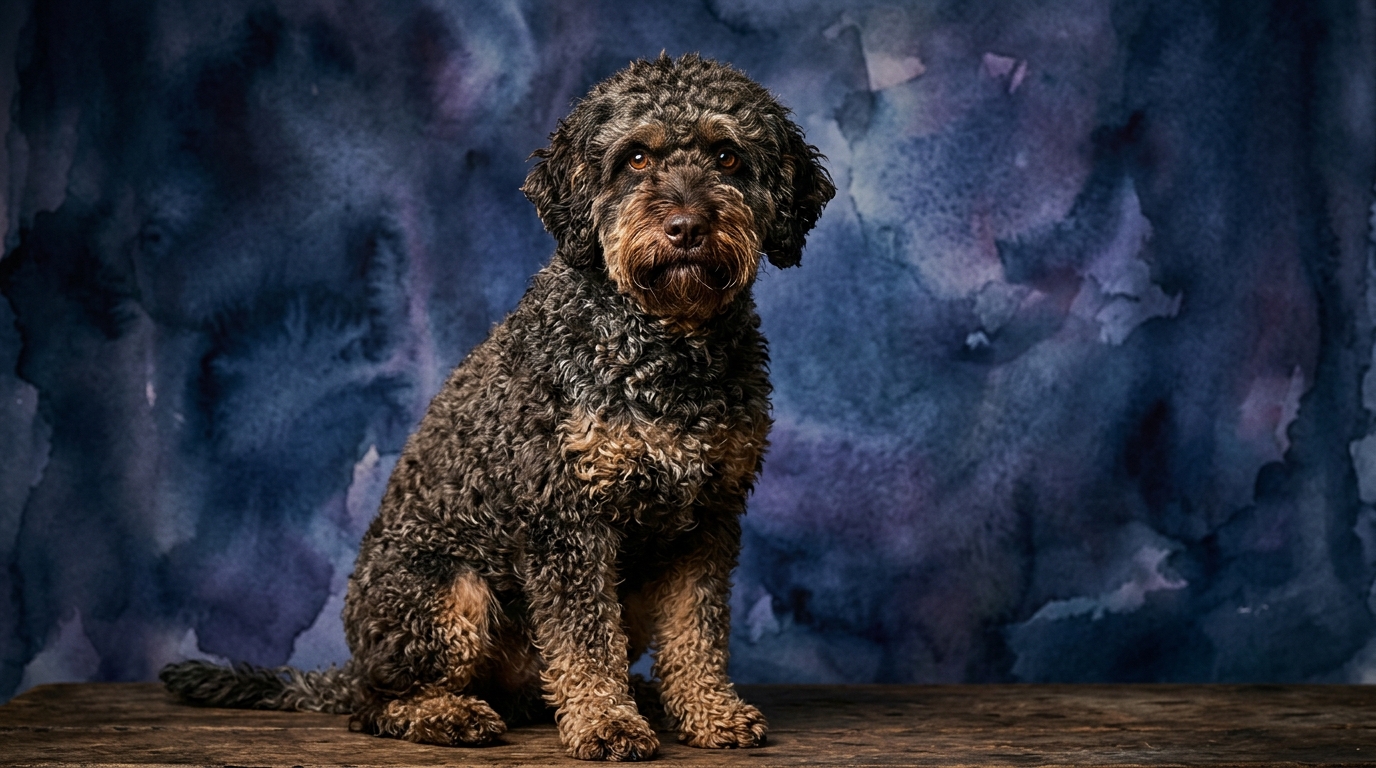
**Spanish Water Dog (SWD) Cognitive Profile:** This versatile herding and water dog exhibits a practical, adaptable approach to challenges. Its Problem Solving is rated 3/5, often relying on observation and a quick assessment of its environment, likely stemming from its history as a multi-purpose farm dog. Training Speed is 3/5, meaning SWDs grasp new commands at a moderate pace, showing responsiveness when engaged, but their independent streak requires consistent, positive reinforcement. Social Intelligence is 3/5; SWDs are attuned to their human companions and family dynamics, displaying an understanding of social cues while maintaining a protective, yet sometimes reserved, demeanor with strangers. Their Instinctive Drive is 3/5, with strong herding and retrieving instincts manifesting as a desire to gather, control, and work, requiring outlets for these inherent drives. Memory is 3/5, indicating a reliable capacity for routines, commands, and experiences, remembering both positive and negative associations, which aids in training but also means consistency is crucial.
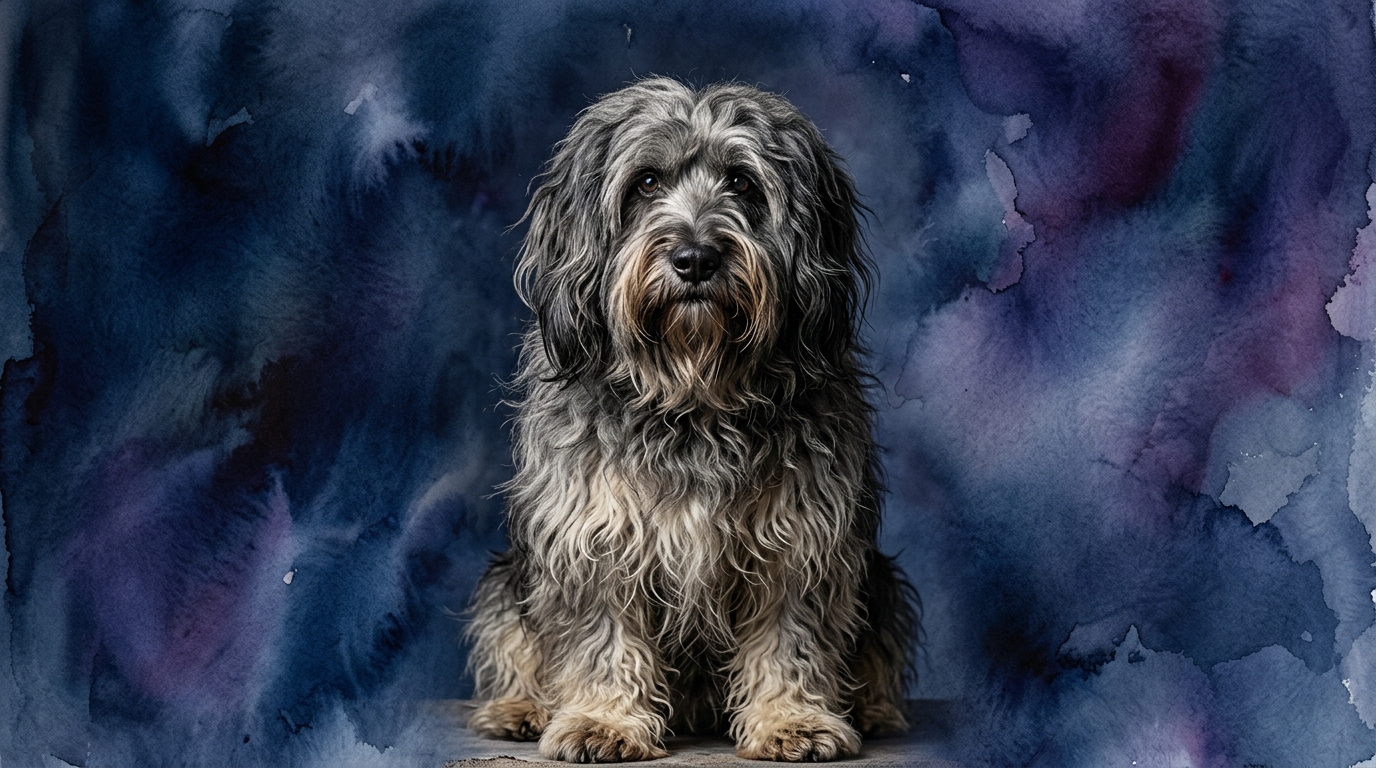
**Polish Lowland Sheepdog (PLS) Cognitive Profile:** This ancient herding and guarding breed approaches cognitive tasks with a thoughtful, independent streak. Its Problem Solving is rated 3/5, often preferring to analyze a situation before acting, a trait honed by centuries of solitary sheep-guarding duties. Training Speed is 3/5; PLSs learn at a moderate rate, demonstrating competence once they understand a task, though their independent nature means they require patient, firm, and varied training methods to maintain engagement. Social Intelligence is 3/5; these sheepdogs are deeply bonded with their families, displaying an awareness of group dynamics and a watchful, sometimes wary, attitude towards outsiders, reflecting their protective heritage. Their Instinctive Drive is 3/5, possessing a strong herding and guarding instinct, showing a natural propensity to manage flocks and protect its territory, requiring structured activities to channel this inherent drive positively. Memory is 3/5, indicating a good capacity for commands, routines, and the people and places they encounter, which contributes to their reliability but also means early socialization is important for forming positive associations.
Where the Spanish Water Dog's Cognition Shines
Despite identical numerical scores, the Spanish Water Dog often demonstrates a more fluid and less deliberate problem-solving style. Their historical role as multi-purpose farm dogs, capable of herding, retrieving waterfowl, and assisting fishermen, cultivated a quick adaptability that translates into a reactive cleverness. An SWD might be quicker to switch gears or improvise a solution in a novel environment, showing a pragmatic intelligence rather than a purely analytical one. This agility in thought allows them to excel in dynamic situations where rapid adjustments are needed.
Their social intelligence, while rated the same, often manifests as a more immediate engagement with familiar people and a readiness to participate actively in tasks. This translates to an eager willingness to learn and engage in interactive games, leveraging their memory for positive reinforcement to recall complex sequences of actions in activities like agility or obedience trials. The SWD’s cognitive strengths lie in their ability to quickly process and react to changing environmental cues, making them highly responsive partners in varied activities.
Where the Polish Lowland Sheepdog's Cognition Excels
The Polish Lowland Sheepdog, with its independent herding and guarding lineage, often exhibits a more methodical and self-reliant approach to problem-solving. While also rated 3/5, their intelligence leans towards sustained focus and strategic thinking, particularly in situations requiring vigilance or managing a flock without constant human direction. This means a PLS might excel at tasks requiring prolonged concentration or independent decision-making, such as navigating complex scent trails or maintaining a boundary with minimal direct commands.
Their social intelligence, while equally rated, often translates into a profound, almost philosophical, understanding of their family unit, coupled with a discerning watchfulness towards strangers. This breed's memory is particularly strong for routines and 'rules' of the household, contributing to their reliability as guardians and companions who understand boundaries and expectations deeply. They often exhibit a quiet confidence in their decision-making, reflecting a cognitive style that prioritizes thoughtful consideration over immediate reaction, making them excellent at tasks that require independent judgment and a strong sense of purpose.
Training Dynamics: Understanding Each Breed's Learning Curve
Both breeds share a 3/5 training speed, indicating they are capable learners but not exceptionally fast. The Spanish Water Dog’s training is generally perceived as more straightforward for owners who enjoy interactive, varied sessions. Their desire to please and participate, combined with a quick adaptability, means they often respond well to positive reinforcement and engaging activities like fetch, agility, or trick training. However, their high energy and potential for being easily distracted require consistency and clear boundaries to prevent them from becoming overly boisterous or developing unwanted habits. Their memory retains both good and bad lessons, so establishing correct behaviors early and maintaining them is crucial for a well-adjusted SWD.
The Polish Lowland Sheepdog, while equally capable of learning, requires a more patient and nuanced approach. Their independent nature and thoughtful problem-solving mean they might take longer to internalize a command, not due to lack of ability, but rather a tendency to 'think' about it first or decide if it's truly worth their effort. Owners often find success using varied training methods to prevent boredom and appealing to the PLS's inherent desire for purpose. Consistency is paramount, as is establishing a clear leadership role. Their strong memory means once a behavior is learned, it's typically well-retained, but convincing them to engage initially can be the greater challenge, making early socialization and positive exposure to various training scenarios vital for a confident, cooperative PLS.
Matching Lifestyles: Active Explorers vs. Thoughtful Companions
The Spanish Water Dog typically thrives with active owners who enjoy outdoor adventures and interactive engagement. Their instinctive drive (3/5) for herding and retrieving, combined with their adaptable problem-solving, makes them excellent companions for hiking, swimming, dog sports like agility, or even working roles. They require significant physical and mental stimulation to prevent boredom and channel their abundant energy positively. A relaxed owner might find an SWD's constant need for activity and engagement overwhelming, potentially leading to destructive behaviors or excessive vocalization if their cognitive and physical needs are unmet. These dogs thrive when they have a 'job' and can actively participate in family life, leveraging their intelligence to interact and learn.
The Polish Lowland Sheepdog, while also a working breed, often suits owners who appreciate a more thoughtful and perhaps less frenetic pace, though they still require regular exercise. Their independent problem-solving and strong instinctive drive for guarding mean they enjoy having a 'job' and can be content with structured walks, mental puzzles, and supervision of their domain. They are less likely to demand constant, high-octane physical activity than an SWD, preferring quality mental engagement and purposeful tasks. A truly relaxed owner might struggle with their independent streak and need for consistent boundaries, but an owner who enjoys a dog that thinks for itself and is a watchful, loyal companion will find the PLS a rewarding fit, appreciating their quiet intelligence and discerning nature.
The Verdict
Choose the Spanish Water Dog if you seek an enthusiastic, adaptable companion for diverse outdoor activities and interactive training, valuing their quick engagement and desire to participate in family adventures.
Opt for the Polish Lowland Sheepdog if you appreciate a thoughtful, independent guardian who thrives on purposeful tasks and consistent guidance, offering a loyal, watchful presence in a home that respects their self-reliant nature.
🧠 Find Your Pet's IQ Score
Our Pet IQ Lab assessment covers 25+ tests across 5 cognitive dimensions — personalized to your breed.
Take the Full IQ Test →Frequently Asked Questions
Do Spanish Water Dogs bark a lot?
SWDs can be vocal, especially if their physical and mental needs aren't met or if they're left alone for long periods, using barks to communicate excitement, boredom, or perceived threats. Consistent training and sufficient stimulation can help manage their vocal tendencies.
Are Polish Lowland Sheepdogs good with children?
PLSs are generally good with children within their own family, often being protective and patient, but their herding instinct might lead them to 'herd' children, so supervision and early training are essential to teach appropriate interactions.
Which breed is more prone to separation anxiety?
Both breeds, being intelligent and bonded with their families, can develop separation anxiety if not properly conditioned or if left alone excessively. The SWD's higher energy and immediate engagement might make their distress more outwardly apparent, while a PLS might express it through more subtle, destructive behaviors.