Side-by-Side Cognitive Profiles
The Cosmic Pet Pet IQ Lab provides a detailed framework for understanding canine intelligence across five key dimensions: Problem Solving, Training Speed, Social Intelligence, Instinctive Drive, and Memory. Examining the Spanish Water Dog and the Schipperke through this lens reveals their inherent cognitive blueprints.
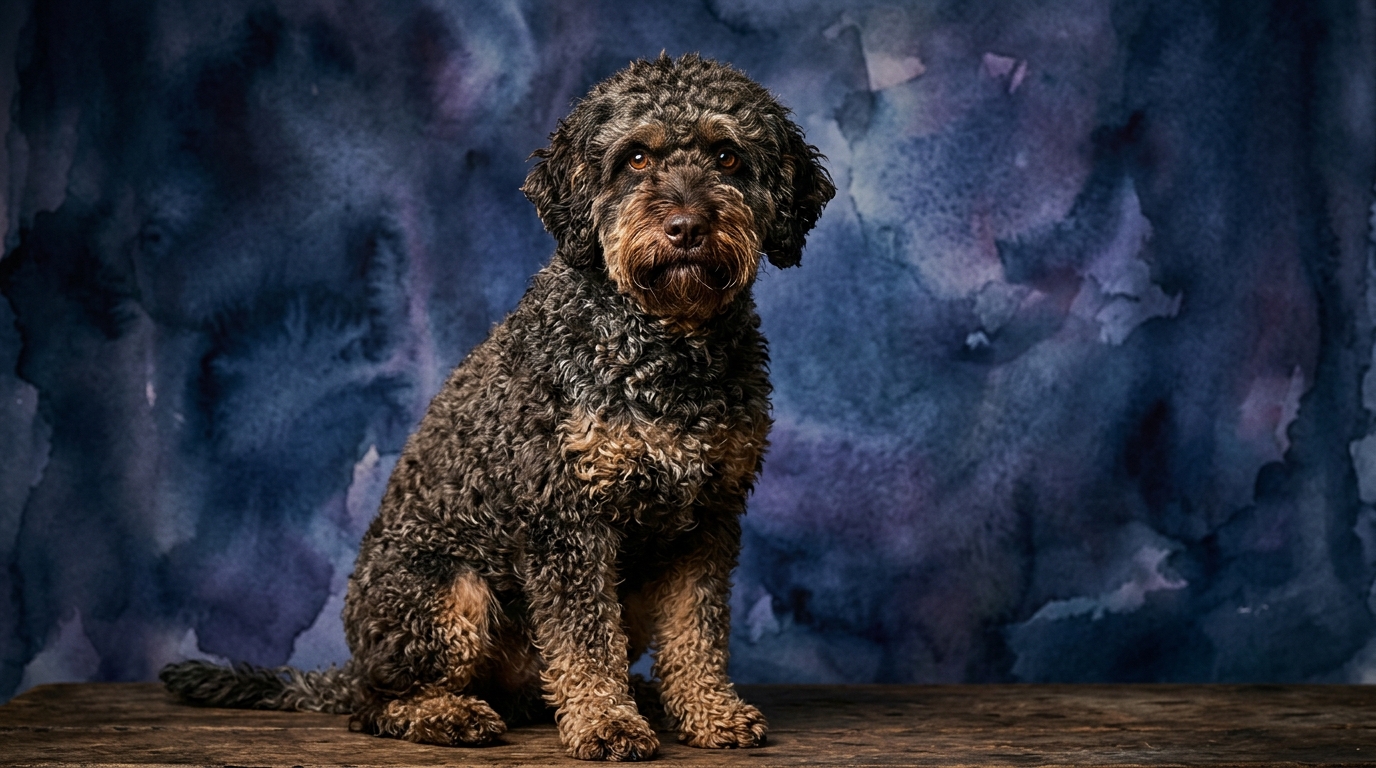
The Spanish Water Dog, a robust herding breed, carries a balanced cognitive profile. Their Problem Solving is rated at 3/5, indicating a moderate ability to navigate novel situations and devise solutions; they learn through observation and repetition but may not independently innovate complex strategies quickly. Their Training Speed also stands at 3/5, suggesting they absorb commands steadily but require consistent, clear guidance and motivation to master new tasks. Social Intelligence is 3/5; they form deep bonds with their trusted family but often maintain a reserved demeanor with strangers, discerning social cues primarily within their established circle. Instinctive Drive is moderate at 3/5, reflecting their herding background with a natural inclination to gather and control, without being overwhelmingly intense. Finally, their Memory is 3/5, meaning they retain learned behaviors and routines effectively with regular reinforcement, though complex sequences might fade if not regularly practiced.
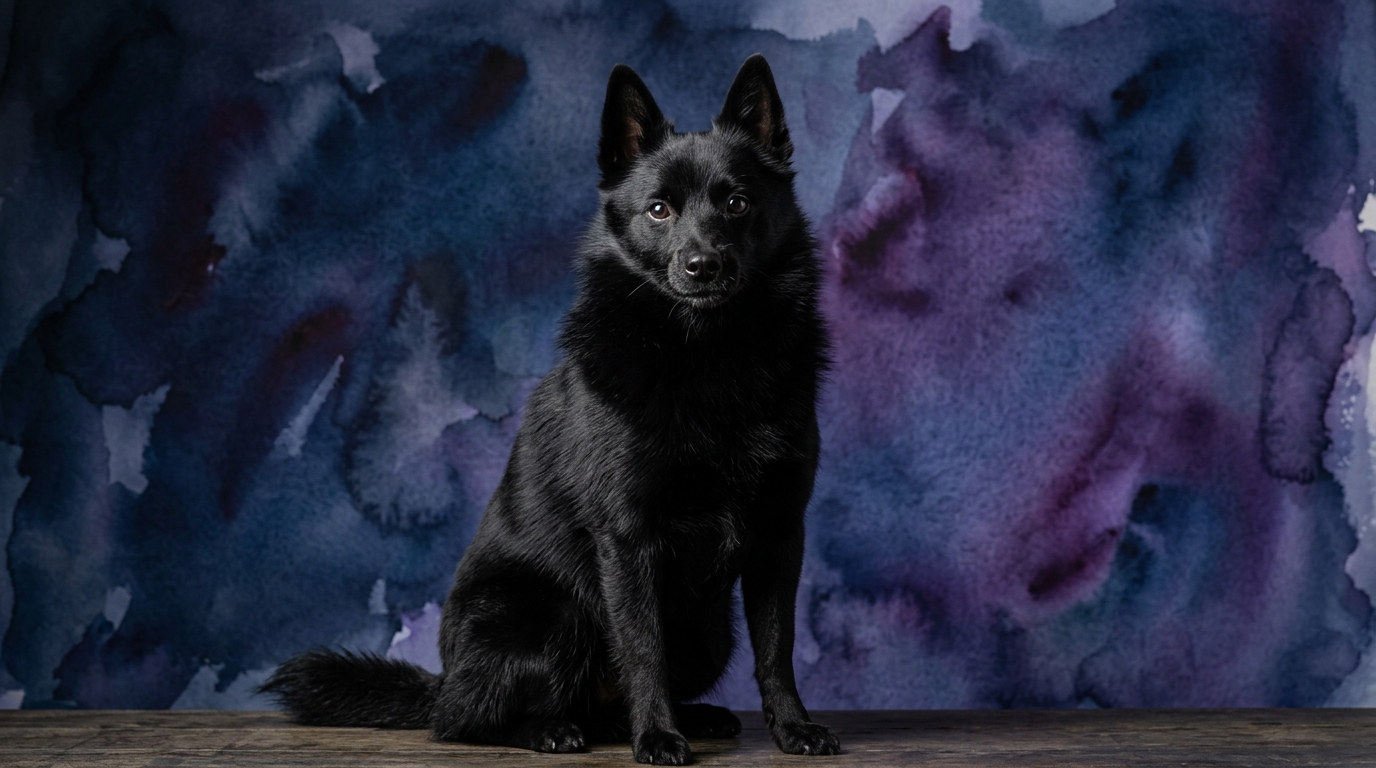
In stark contrast, the Schipperke, a vigilant Non-Sporting breed, presents a profile marked by exceptional mental acuity. They score a remarkable 5/5 in Problem Solving, denoting an outstanding capacity for figuring things out, often devising ingenious and novel solutions to overcome obstacles. Their Training Speed is equally impressive at 5/5; they pick up new commands and routines with astonishing rapidity, frequently understanding new concepts after just a few repetitions. Social Intelligence is 3/5, similar to the Spanish Water Dog; they are fiercely devoted to their family but can be wary of outsiders, keenly observing and interpreting their surroundings. Their Instinctive Drive is 3/5, stemming from their historical roles as ratters and barge watchdogs, instilling a strong guardian instinct and a desire to patrol, but not an overpowering prey drive. Crucially, their Memory is also a perfect 5/5, signifying an impressive capacity to recall intricate sequences, commands, and even past events, making their learning cumulative and remarkably enduring.
Where the Spanish Water Dog's Cognition Excels
While the Schipperke boasts higher scores in several cognitive domains, the Spanish Water Dog's balanced profile presents unique advantages for specific lifestyles. Their moderate instinctive drive (3/5) means their natural herding tendencies are present but often more manageable than in some intensely driven herding breeds. This allows them to engage in various activities like dock diving or agility without being solely consumed by a single type of work, offering a versatile partner. This nuanced drive offers a 'just right' level of working energy, making them adaptable companions who enjoy purposeful activity without being constantly 'on duty' in a demanding herding capacity. Owners can channel this drive into constructive outlets without it dominating the dog's entire existence.
Furthermore, their social intelligence (3/5), while not outwardly effusive, signifies a nuanced ability to observe and integrate within their trusted family unit. They often tune into emotional states and respond with a calm, observant presence rather than demanding constant external validation or exhibiting overt reactivity. This makes them wonderfully attuned family members who offer a quieter, yet deeply connected, companionship, thriving in environments where they feel secure and useful without the pressure of constant mental gymnastics. Their observational learning style also means they pick up on household routines and human habits with a quiet efficacy, becoming seamless members of the family fabric.
Where the Schipperke's Cognition Dominates
The Schipperke's cognitive profile shines brightly in areas demanding rapid assimilation and creative problem-solving. With a perfect 5/5 in Problem Solving, Training Speed, and Memory, these 'little captains' are formidable intellectual forces. They don't just learn; they *understand* quickly, often grasping new commands or complex sequences after only a few repetitions. This exceptional training speed means they can progress through advanced obedience or trick training at an accelerated pace, often leaving other breeds in the dust. Their capacity for quick conceptualization means they are perpetually engaged with their environment, seeking to understand and manipulate it.
Their exceptional memory ensures that these lessons are retained long-term, building a cumulative knowledge base that allows for intricate task mastery without constant refreshers. This combination means a Schipperke can independently analyze situations and devise novel solutions, whether it's figuring out how to open a 'dog-proof' cabinet or mastering an elaborate agility course. Their problem-solving prowess makes them thrilling partners for owners who delight in a dog that consistently challenges their own ingenuity and teaching methods, always seeking the next mental puzzle. This drive to solve and understand means they thrive on complex tasks and can become easily bored if not adequately stimulated.
Training Dynamics: Spanish Water Dog vs. Schipperke
When considering ease of training, the distinction lies in *how* each breed learns and applies its intelligence. The Schipperke, with its 5/5 in Training Speed and Memory, will undoubtedly pick up new commands at an astonishing pace. They absorb information like sponges, making the initial stages of obedience remarkably swift. Their high Coren rank of #15 underscores their exceptional working and obedience intelligence, meaning they are eager and quick to perform tasks once they understand what is asked. However, their 5/5 Problem Solving capability means they are not merely rote learners; they are thinkers who might creatively interpret commands or find ingenious ways to circumvent rules if not consistently engaged and challenged. This sharp intellect, if not channeled into productive activities, can manifest as clever mischief, requiring an owner who is always a step ahead, ready to provide stimulating mental exercises and maintain firm, consistent boundaries to prevent them from 'training' their human.
Conversely, the Spanish Water Dog's 3/5 in Training Speed and Memory means they require a more patient and consistent approach. They learn steadily, but repetition and clear communication are paramount. Their moderate instinctive drive (3/5) means they possess a natural desire to work and please their handler, but this drive needs careful direction; without it, their herding instincts might lead to behaviors like 'rounding up' family members or other pets, or demonstrating a strong desire to keep things in order. Their training success hinges on building a strong, trust-based relationship where the owner provides consistent, positive reinforcement, guiding their observant nature towards desired behaviors rather than relying on rapid, independent deductions. While they may not learn as quickly as a Schipperke, their dedication to their trusted handler, once established, makes them eager collaborators in training.
Suitability for Active vs. Relaxed Owners
Neither the Spanish Water Dog nor the Schipperke are ideal companions for truly relaxed owners seeking a low-key canine. Both breeds demand substantial physical activity and mental engagement, albeit with different cognitive focuses. The Spanish Water Dog, with its moderate instinctive drive and balanced energy, thrives with owners who enjoy outdoor adventures like hiking, swimming, or engaging in herding activities. They appreciate a 'job' and cooperative tasks, making them excellent partners for active individuals or families who can integrate them into a dynamic lifestyle where they feel useful. Their moderate social intelligence means they are content working alongside their human, valuing shared experiences and purposeful activity over constant, intense mental games.
The Schipperke, conversely, with its exceptional problem-solving and training speed, is a match for highly engaged owners who are prepared to provide consistent mental challenges. These little dogs excel in demanding dog sports such as agility, rally, and advanced obedience, thriving on intricate puzzles and learning new tricks. Their keen minds need constant, varied stimulation to prevent boredom-induced mischief, making them suitable for owners who are proactive in providing structured training sessions, creative enrichment activities, and consistent mental workouts beyond just physical exercise. Their vigilance, stemming from their instinctive drive, means they are always 'on alert,' which can be mentally taxing for both dog and owner if not properly channeled into constructive outlets.
The Verdict
Choose the Spanish Water Dog if you seek a versatile, active companion with a moderate working drive, who values a dog that is observant, forms deep family bonds, and you are prepared for consistent, patient training.
Opt for the Schipperke if you relish a quick-witted partner capable of rapid learning and advanced problem-solving, thrive on providing consistent mental challenges, and are ready for a dog that will always keep you on your toes with its ingenuity.
🧠 Find Your Pet's IQ Score
Our Pet IQ Lab assessment covers 25+ tests across 5 cognitive dimensions — personalized to your breed.
Take the Full IQ Test →Frequently Asked Questions
Are Spanish Water Dogs good with children?
Spanish Water Dogs can be excellent family dogs, forming strong bonds with their human 'flock.' However, their moderate instinctive drive means they might try to 'herd' children, so early socialization and supervision are crucial to ensure gentle interactions.
Do Schipperkes bark a lot?
Schipperkes, with their strong watchdog instincts and keen social intelligence, are prone to barking. They are vigilant guardians who will alert their owners to anything unusual, so consistent training is necessary to manage excessive vocalization.
Which breed is better for first-time dog owners?
Neither breed is typically recommended for truly novice owners due to their energy levels and specific cognitive needs. However, a first-time owner committed to consistent training, mental stimulation, and seeking professional guidance might find success with either, provided they understand the distinct demands of each breed.