Side-by-Side IQ Profile
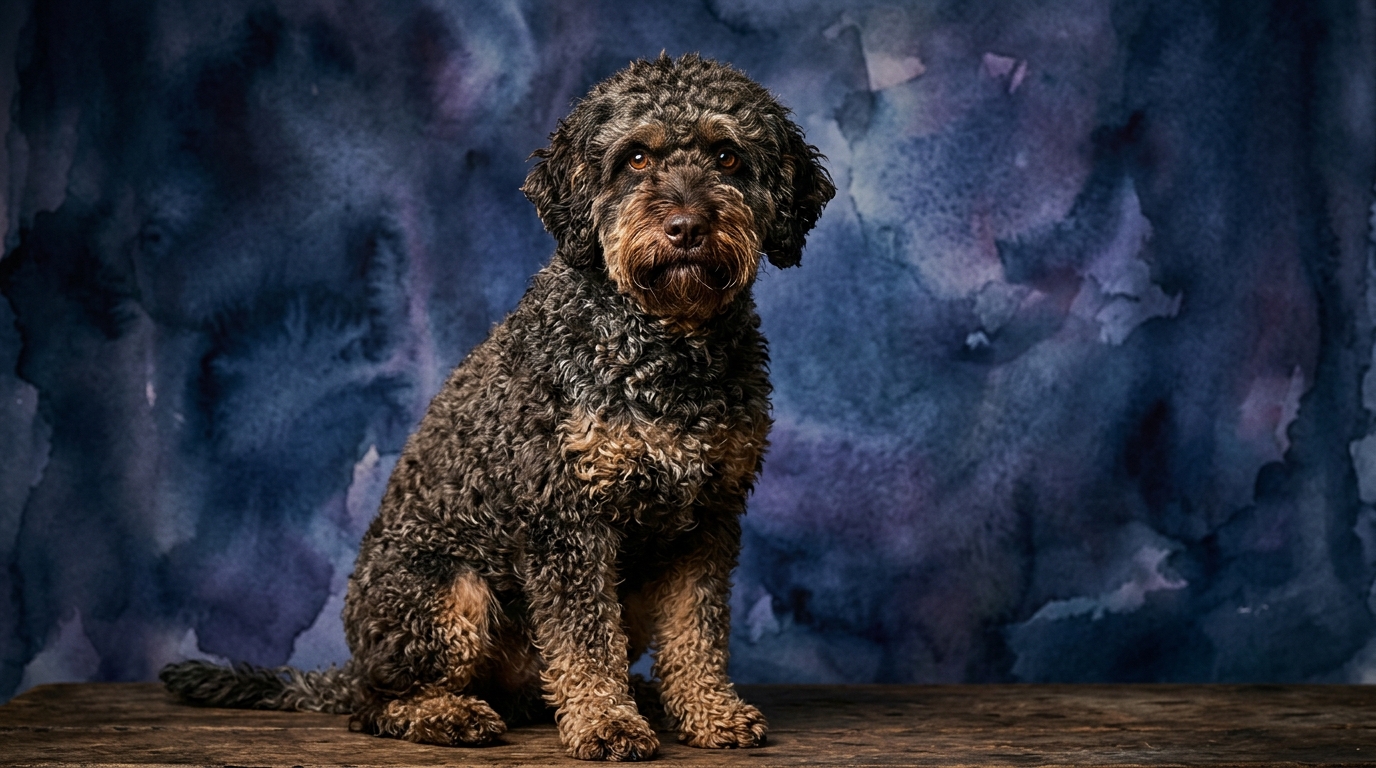
The Spanish Water Dog, a robust herding breed, demonstrates its cognitive strengths across several dimensions. Their Problem Solving (3/5) excels in tasks requiring cooperation and understanding complex sequences, typical of herding work; they observe, adapt, and strategize within a collaborative framework, often anticipating their handler's next move. Training Speed (3/5) shows a good aptitude for learning new commands and routines, driven by a desire to engage and a strong work ethic, making them generally quick to pick up new behaviors when properly motivated. Social Intelligence (3/5) sees them highly attuned to human emotions and social cues within their 'flock' (family), forming deep bonds, often acting as vigilant guardians, and interpreting subtle signals from their primary caregivers. Their Instinctive Drive (3/5) possesses a strong innate urge for herding, retrieving, and water work, manifesting as a desire to be useful and engage in purposeful activities. Memory (3/5) exhibits solid recall for learned commands, routines, and the spatial layout of their environment, allowing for consistent performance over time.
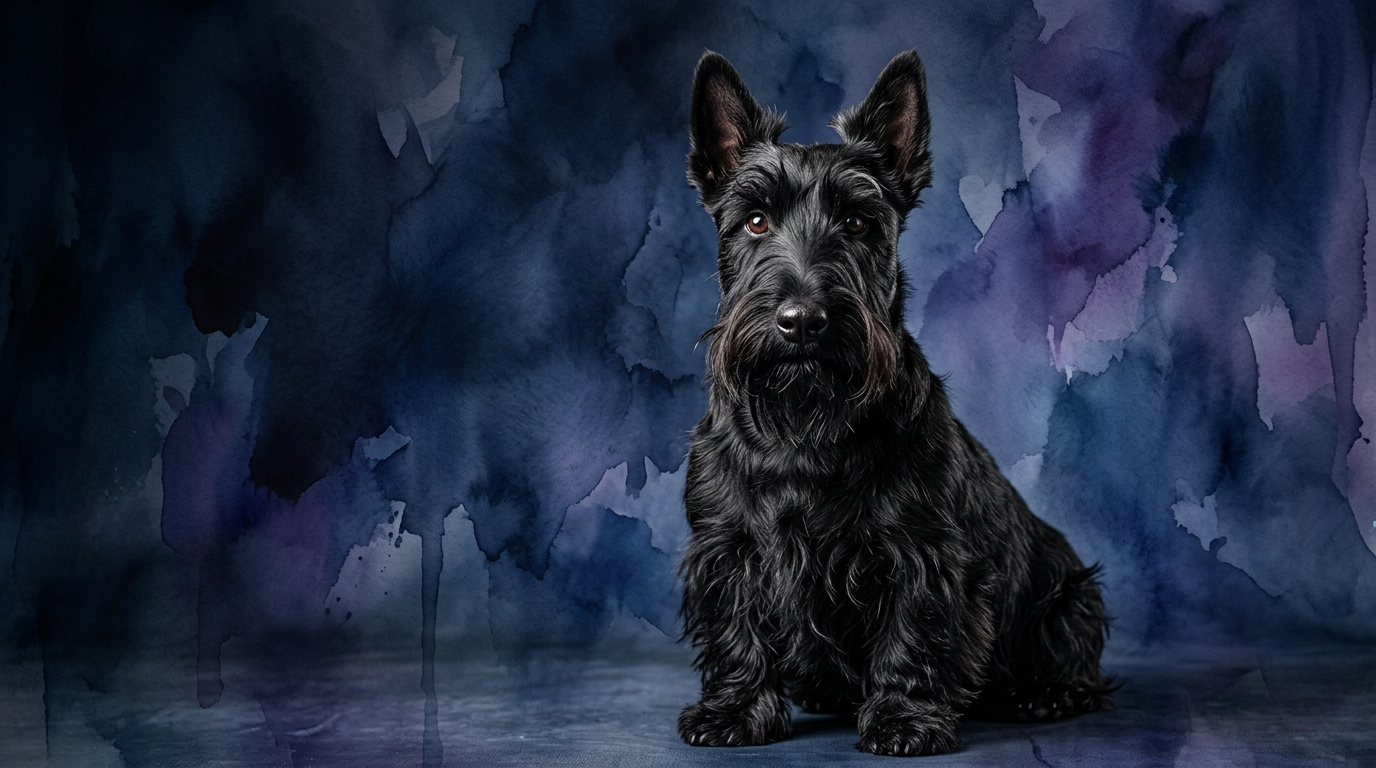
The Scottish Terrier, a distinctive terrier breed, channels its intellect through a different lens. Their Problem Solving (3/5) shows a robust capacity for independent problem-solving, particularly when it involves achieving a self-appointed goal like digging or pursuing a scent; their methods can be persistent and inventive, driven by their individualistic nature rather than a need for human direction. Training Speed (3/5) indicates they can learn commands efficiently, but their independent streak means they require consistent, engaging methods to maintain focus; they process information well but might choose to act on it only if it aligns with their immediate interests. Social Intelligence (3/5) involves developing strong, often selective, social bonds, primarily with their immediate family; they are observant of their surroundings and can be discerning with strangers, interpreting social situations through a lens of loyalty and protective instinct. Their Instinctive Drive (3/5) possesses a pronounced terrier urge for digging, chasing small prey, and patrolling their territory, fueling their determination and providing a significant internal motivation. Memory (3/5) demonstrates good recall for locations, routines, and especially for any perceived injustices or boundaries, retaining information related to their territory and the people within it, contributing to their steadfast character.
Where the Spanish Water Dog Wins Cognitively
The Spanish Water Dog truly shines in cognitive tasks that demand cooperation and a fluid understanding of human directives. Their background as herding dogs means they are inherently wired to work *with* a human partner, reading cues and adapting their actions to achieve a shared objective. This translates into superior performance in complex obedience routines, agility courses, or any scenario where precise, responsive collaboration is key. For instance, in a multi-step task like retrieving a specific item from a group, an SWD is more likely to process the verbal instruction, assess the environment, and execute the task with a focus on pleasing their handler, rather than improvising their own approach. Their social intelligence, while rated similarly, manifests as a deeper desire for interpersonal harmony and a quicker adjustment to changing human expectations, making them exceptionally attuned to their owner's wishes during cognitive challenges.
Where the Scottish Terrier Wins Cognitively
Conversely, the Scottish Terrier's cognitive strengths lie in areas demanding independent thought, tenacity, and self-directed problem-solving. Their terrier heritage equipped them to work alone, often underground, where human guidance was impossible. This fosters an impressive ability to analyze a situation, form a plan, and execute it with unwavering determination, even if it means ignoring a direct command to pursue a perceived 'mission.' Consider a puzzle toy: while an SWD might patiently follow a sequence, a Scottie might try multiple, sometimes unconventional, approaches with relentless focus until the treat is acquired. Their instinctive drive, though rated equally, is channeled into singular pursuits like digging or scent-tracking with an intense, almost obsessive, focus that allows them to overcome obstacles through sheer will. This self-reliance means they excel in tasks where a dog needs to figure things out for themselves, demonstrating a unique brand of shrewdness and resourcefulness.
Which is Easier to Train and Why
When comparing ease of training, the Spanish Water Dog generally presents a more straightforward experience due to their innate desire to cooperate and their strong 'people-pleasing' orientation. Their herding background instilled a readiness to accept guidance and work as part of a team, making them responsive to positive reinforcement and clear commands. They tend to find satisfaction in performing tasks correctly for their owner, which accelerates their training speed. A Spanish Water Dog is more likely to engage enthusiastically in a training session, viewing it as a collaborative activity. The Scottish Terrier, on the other hand, possesses a formidable independent spirit. While certainly capable of learning, their training often requires more creativity, patience, and a deep understanding of their terrier motivations. They might understand a command perfectly but choose not to execute it if they deem it less interesting than their current pursuit, such as investigating a scent or guarding a perceived territory. Their stubbornness isn't a lack of comprehension, but rather a strong will and a preference for making their own decisions. Therefore, while both breeds have a 3/5 training speed, the SWD's willingness to comply makes the process feel 'easier' for the average owner, whereas the Scottie demands a more nuanced, persistent, and highly motivating approach.
Which Suits Active Owners vs. Relaxed Owners
The Spanish Water Dog is undoubtedly better suited for active owners who can provide consistent mental stimulation and physical exercise. Their robust instinctive drive and herding intelligence mean they thrive with a 'job' to do, whether it's participating in dog sports like agility or dock diving, going on long hikes, or engaging in complex trick training. Their energy levels require outlets, and without sufficient engagement, their problem-solving skills might be channeled into less desirable behaviors like excessive chewing or barking. They are a constant companion, eager to join in on any adventure. The Scottish Terrier, while possessing a strong drive, can adapt to a slightly more relaxed owner, provided their specific cognitive needs are met. They don't necessarily require constant high-impact physical activity, but they absolutely need mental engagement that satisfies their terrier instincts, such as scent work, puzzle toys, or short, focused training sessions. A Scottie can be content with a good daily walk and then settle down, but owners must be prepared to manage their independent spirit and provide opportunities for their problem-solving and instinctive drives to be fulfilled in appropriate ways, like supervised digging in a sandbox rather than the flower beds. They are typically less demanding of constant physical exertion than the SWD but demand respect for their strong character and independent pursuits.
The Verdict
Choose the Spanish Water Dog if you seek a highly cooperative, eager-to-please companion for an active lifestyle, thriving on shared tasks and continuous engagement.
Opt for the Scottish Terrier if you appreciate an independent, tenacious companion with a strong will, who excels at self-directed problem-solving and values focused mental challenges.
🧠 Find Your Pet's IQ Score
Our Pet IQ Lab assessment covers 25+ tests across 5 cognitive dimensions — personalized to your breed.
Take the Full IQ Test →Frequently Asked Questions
Do Spanish Water Dogs need to herd to be happy?
While they possess a strong herding instinct, SWDs don't strictly need to herd livestock. Engaging them in activities that mimic herding, like agility, flyball, or even advanced obedience, can provide the mental and physical stimulation they require to thrive.
Are Scottish Terriers good apartment dogs?
Scottish Terriers can adapt to apartment living if their exercise and mental stimulation needs are met. They require daily walks and opportunities for independent play or puzzle-solving to prevent boredom, but they are not typically high-energy dogs indoors once mature.
Which breed is better for first-time dog owners?
The Spanish Water Dog, with its cooperative nature and desire to please, might be a more forgiving choice for first-time owners willing to commit to their exercise needs. The Scottish Terrier's strong will and independent streak often require an owner with prior dog experience or a deep understanding of terrier temperament.