Side-by-Side IQ Profile: Sphynx vs. Japanese Bobtail
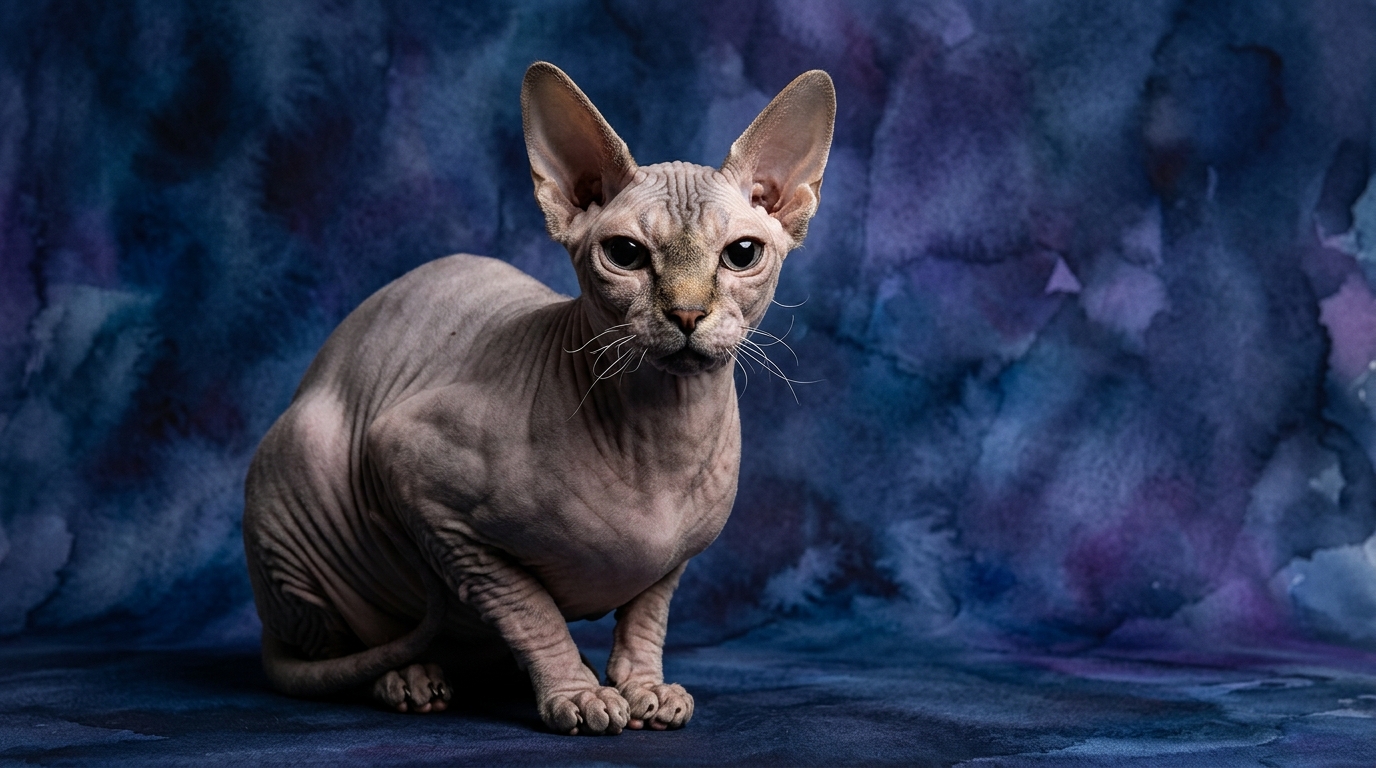
The Cosmic Pet Pet IQ Lab evaluates feline intelligence across five crucial dimensions, offering a nuanced perspective on each breed’s mental capabilities. For the Sphynx, we observe a distinct cognitive blueprint.
**Sphynx:** These cats demonstrate a strong aptitude for unraveling environmental puzzles (Problem Solving: 4/5), frequently figuring out how to open latches or retrieve hidden treats through persistent trial-and-error and observation. They grasp new commands and routines quickly (Training Speed: 4/5), learning various tricks and adapting swiftly to leash training or clicker instruction, often requiring fewer repetitions. This breed excels in understanding human emotions (Social Intelligence: 5/5), often seeking interaction, maintaining prolonged eye contact, and forming profound bonds, becoming "velcro" cats attuned to their owner's mood. While curious, their inherent prey drive is moderately balanced (Instinctive Drive: 3/5); they enjoy interactive play mimicking prey but are less intensely focused on independent hunting behaviors compared to some breeds. Sphynxes exhibit robust recall (Memory: 4/5), remembering specific individuals, routines, and the locations of favored items over extended periods, anticipating daily events based on established patterns.
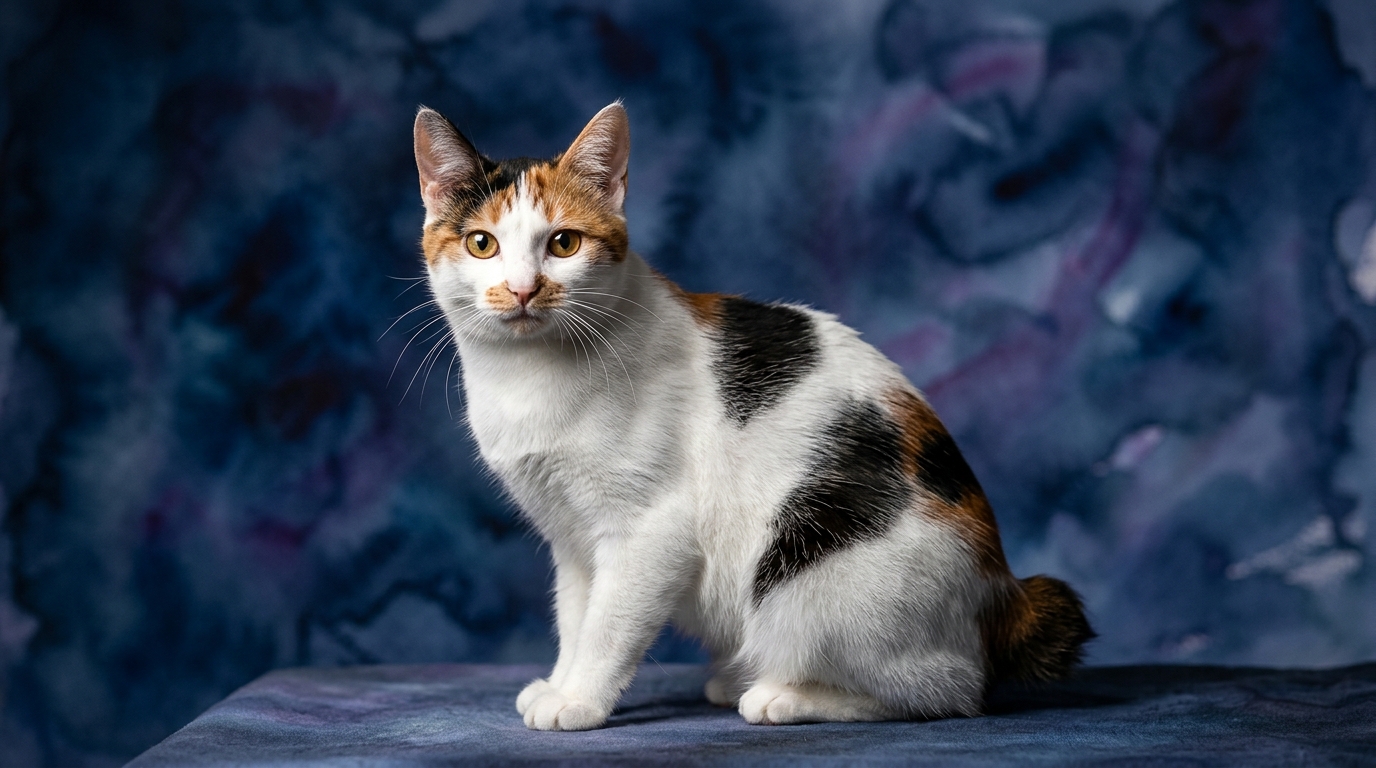
The Japanese Bobtail presents a slightly different, yet equally engaging, cognitive makeup.
**Japanese Bobtail:** These cats approach novel situations with curiosity (Problem Solving: 3/5), exploring thoroughly but relying more on direct physical interaction than complex conceptual understanding to solve challenges like opening a simple cabinet. While responsive, Japanese Bobtails typically require consistent, patient reinforcement to master new commands (Training Speed: 3/5). They can learn basic obedience, but acquisition may involve more dedicated practice sessions. These cats are friendly and enjoy companionship (Social Intelligence: 3/5), showing affection playfully yet less intensely than Sphynxes. They integrate readily into family life, interacting positively with various household members. Similar to the Sphynx, the Japanese Bobtail possesses a moderate instinctive drive (Instinctive Drive: 3/5); they appreciate chasing games, indicating a healthy prey drive, which is typically well-managed domestically. Japanese Bobtails demonstrate practical recall for essential routines (Memory: 3/5), remembering feeding schedules, litter box locations, and familiar people. They recall preferred playtimes and environments, though perhaps less intricate details than the Sphynx.
Where the Sphynx Wins Cognitively
The Sphynx's cognitive profile showcases several distinct advantages, particularly in areas demanding intricate mental processing. Their superior problem-solving acumen (4/5) means they are more likely to independently figure out how to access 'forbidden' areas, like opening cupboard doors or navigating complex pet gates, driven by curiosity or a desire for attention. Coupled with their higher training speed (4/5), Sphynxes absorb new information and commands rapidly, making them adept at learning multi-step tricks or adapting quickly to new household rules. Perhaps most notably, their exceptional social intelligence (5/5) allows them to forge remarkably deep, almost symbiotic bonds with their human companions. This means a Sphynx is often more perceptive of subtle shifts in human mood, offering comfort or seeking engagement in response, indicating a profound understanding of social dynamics within their home. Furthermore, their strong memory (4/5) enables them to recall specific events, people, and complex routines with greater detail and over longer periods, predicting daily occurrences like walk times or specific play sessions with surprising accuracy.
Where the Japanese Bobtail Wins Cognitively
While the Japanese Bobtail's scores are consistently at a 3/5, this doesn't signify a lack of cognitive strength, but rather a different expression of intelligence, particularly suited to certain lifestyles. Their balanced instinctive drive (3/5), mirroring the Sphynx, means they are equally engaged in playful pursuits like chasing toys, yet their energy is often channeled into more straightforward, less manipulative interactions. The Japanese Bobtail's problem-solving (3/5) and memory (3/5) scores, while lower, still equip them with a practical, adaptable intelligence. They excel at understanding their immediate environment and navigating it efficiently, remembering the layout of their home and the location of favorite sunbeams or perches. Their social intelligence (3/5), while not as intense as the Sphynx, allows them to be wonderfully amiable and adaptable companions. They integrate well into diverse family structures, enjoying interaction without demanding constant, focused attention, making them a fantastic choice for homes seeking a friendly presence that can also entertain itself contentedly for periods.
Which is Easier to Train and Why
Comparing ease of training, the Sphynx generally holds an edge. Their higher training speed (4/5) means they tend to pick up new commands and routines with impressive swiftness, often requiring fewer repetitions during training sessions. This quick comprehension is bolstered by their exceptional social intelligence (5/5); Sphynxes are often highly motivated by human interaction and praise, viewing training as a collaborative bonding activity. They are also adept at understanding complex sequences, allowing owners to teach them intricate tricks or even agility courses more readily. Japanese Bobtails, with a training speed of 3/5, are certainly trainable and responsive, but typically require more consistent reinforcement and patience. While they enjoy learning and interacting, their grasp of new concepts might take a little longer to solidify. They respond well to positive reinforcement but might need more structured, repeated sessions to internalize commands, making them a good fit for patient owners who enjoy the process of gradual skill acquisition.
Which Suits Active Owners vs. Relaxed Owners
For owners seeking an intensely engaged, active companion, the Sphynx is often the ideal match. Their high social intelligence (5/5) translates into a profound need for interaction and companionship; they thrive on being part of every family activity and can become distressed if left alone for extended periods. Their problem-solving (4/5) and memory (4/5) scores mean they require mental stimulation to prevent boredom, making them perfect for owners who enjoy teaching tricks, using puzzle toys, and providing constant engagement. In contrast, the Japanese Bobtail, with its more moderate social intelligence (3/5) and problem-solving (3/5), is better suited for owners who appreciate an affectionate yet somewhat more independent feline. While they love playtime and attention, they are often content to entertain themselves with toys or simply observe household goings-on from a comfortable perch. This makes them an excellent choice for individuals or families with busy schedules who still want a friendly, interactive cat that doesn't demand constant, intense engagement.
The Verdict
Opt for a Sphynx if you desire a deeply bonded, highly interactive companion eager to learn and participate in every aspect of your life, thriving on constant mental and social engagement.
Select a Japanese Bobtail if you prefer a playful, friendly feline that enjoys companionship but also possesses a charming independence, content to entertain itself while still appreciating affection.
🧠 Find Your Pet's IQ Score
Our Pet IQ Lab assessment covers 25+ tests across 5 cognitive dimensions — personalized to your breed.
Take the Full IQ Test →Frequently Asked Questions
Are Sphynx cats difficult to care for due to their lack of fur?
While they don't shed, Sphynx cats require regular skin care, including weekly baths to remove oils and ear cleaning. Their lack of fur also makes them sensitive to temperature extremes, necessitating sweaters in cool environments and protection from sunburn.
Do Japanese Bobtails really "talk" a lot?
Japanese Bobtails are known for their distinctive vocalizations, often described as chirps and trills rather than typical meows. They use a wide range of sounds to communicate with their owners, making them quite expressive and conversational companions.
Can either breed be leash trained?
Both Sphynx and Japanese Bobtail cats can be successfully leash trained, though the Sphynx's higher training speed and social intelligence might make the process slightly quicker and more receptive. Positive reinforcement and patience are key for both breeds during training.