Side-by-Side IQ Profile: Spinone Italiano vs Tibetan Spaniel
At first glance, the Spinone Italiano, a rugged Italian gundog, and the Tibetan Spaniel, a companion and watchdog from Himalayan monasteries, appear to share a uniform cognitive landscape with matching scores of 3/5 in all five IQ dimensions. However, these identical numbers belie profound differences in how these breeds apply their inherent cognitive abilities, shaped by centuries of selective breeding for specific roles.
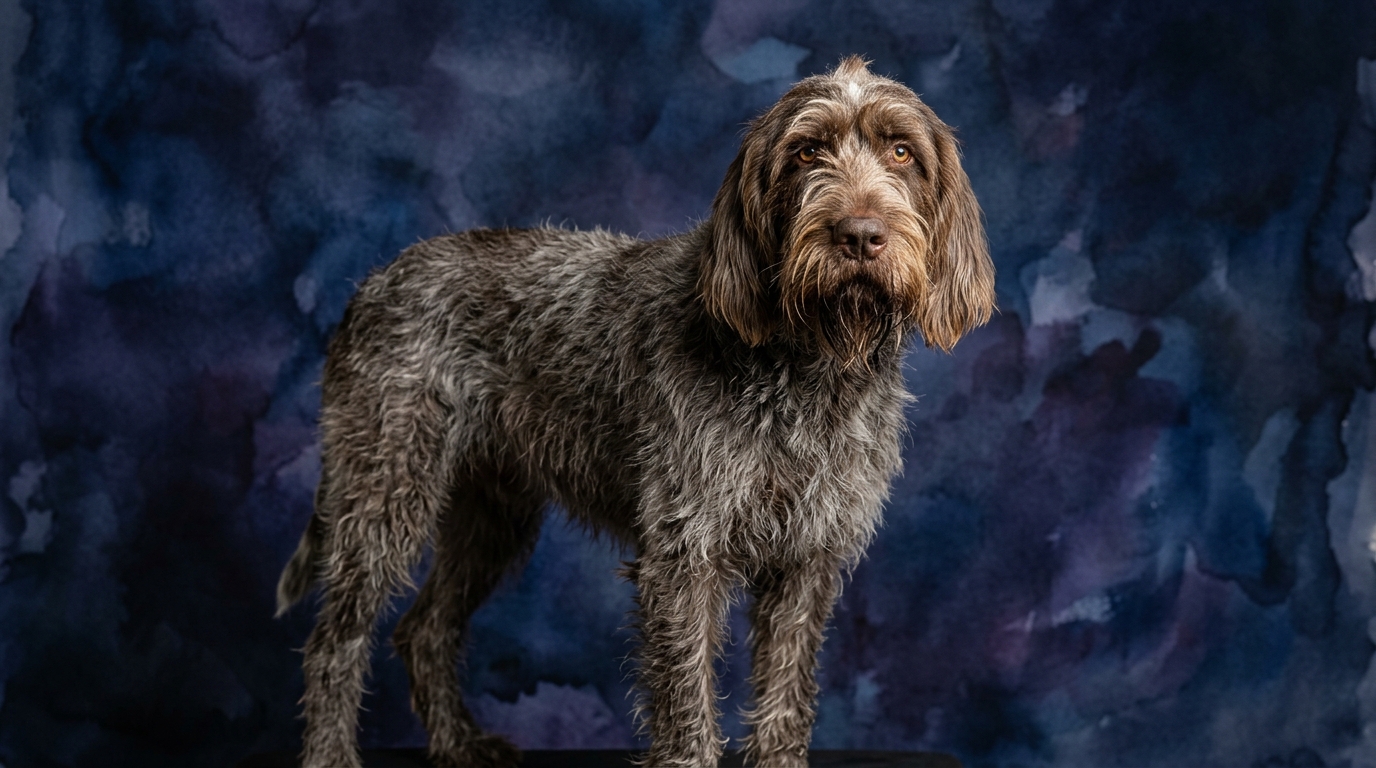
The **Spinone Italiano** exhibits a methodical and deliberate approach to its environment. Its **Problem Solving (3/5)** is characterized by thoughtful consideration rather than rapid impulse, often seen in its patient tracking and retrieving. **Training Speed (3/5)** reflects a responsiveness to instruction, albeit with an independent streak that requires consistent, positive reinforcement rather than rote drilling. Their **Social Intelligence (3/5)** means they form strong bonds with their human companions, often displaying an intuitive understanding of family dynamics and moods, though they can be reserved with strangers. The **Instinctive Drive (3/5)** is robust, centered on hunting and working alongside humans, making them keen scent-followers and natural collaborators in the field. Finally, their **Memory (3/5)** supports their working capacity, allowing them to retain complex commands and recall hunting locations or routines with good accuracy.
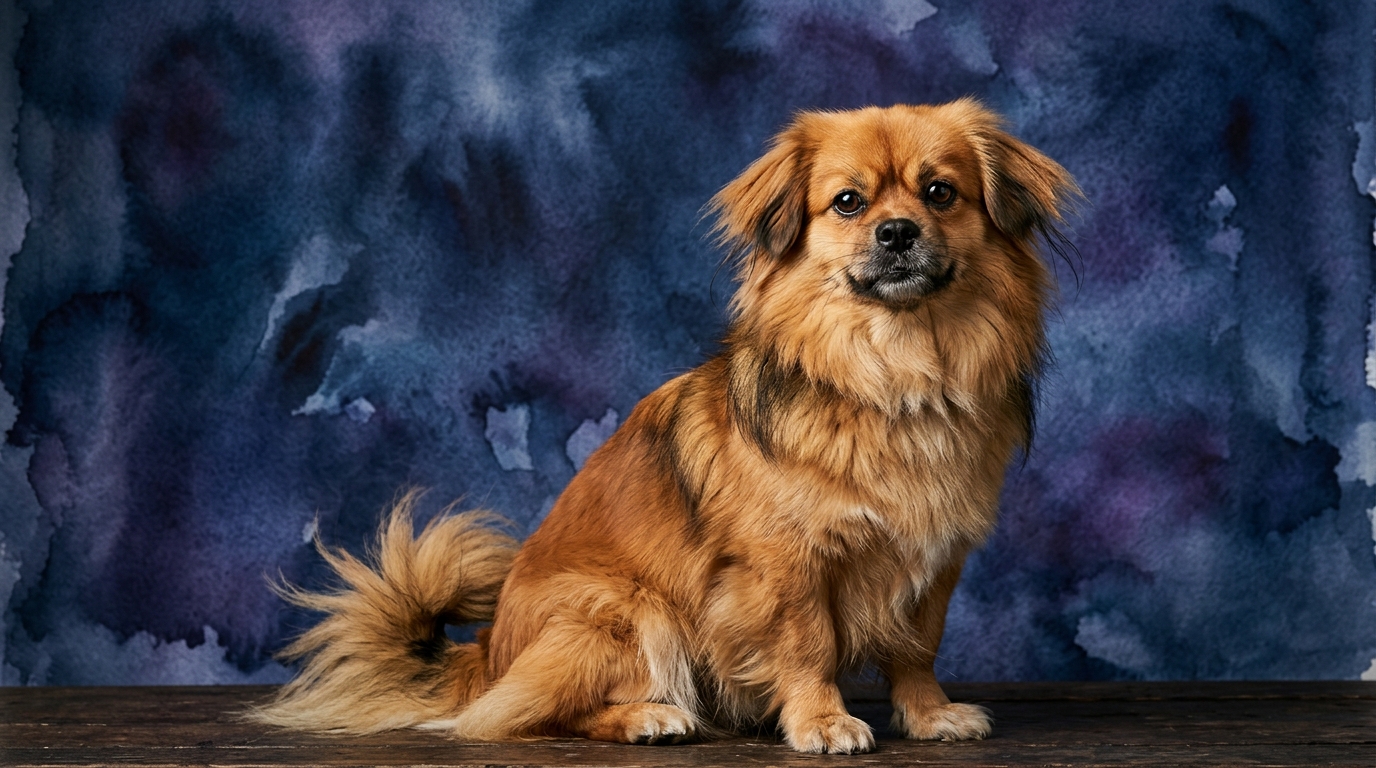
In contrast, the **Tibetan Spaniel** applies its cognitive abilities within a more domestic, observational framework. Their **Problem Solving (3/5)** often manifests as cleverness in navigating household challenges, such as figuring out how to get a favorite toy or achieve a prime viewing spot. Their **Training Speed (3/5)** can be described as selective; they learn quickly when motivated, but their independent nature means they might not always comply if a task doesn't align with their immediate interests. **Social Intelligence (3/5)** is a cornerstone of their being, making them acutely aware of their family's emotional states and capable of subtle communication, though they often maintain an aloofness with outsiders. The **Instinctive Drive (3/5)** for the Tibetan Spaniel is primarily rooted in their ancient role as watchdogs, expressed through alert barking and a desire to oversee their territory from a high vantage point. Their **Memory (3/5)** is strong for routines, significant events, and the people in their lives, contributing to their excellent watchdog capabilities and discerning social interactions.
Where the Spinone Italiano Excels Cognitively
While both breeds score a 3/5 for Problem Solving, the Spinone Italiano’s cognitive strengths truly shine in contexts requiring sustained focus and a partnership approach to tasks. Its methodical problem-solving, coupled with a solid instinctive drive, makes it particularly adept at activities demanding perseverance and collaboration in outdoor settings. For instance, in scent work or field trials, a Spinone can systematically work through complex scent puzzles, using its memory to track patterns and its training speed to respond to handler cues over long periods. This isn't about raw speed of learning, but rather the thoughtful application of its cognitive resources to achieve a shared goal with its human partner. Their memory for sequences and terrain, combined with their drive, allows them to master multi-step tasks that might overwhelm a less dedicated or less physically capable breed, making them outstanding companions for hunters or hikers who value a steady, reliable presence.
Where the Tibetan Spaniel Excels Cognitively
The Tibetan Spaniel, despite sharing a 3/5 in Problem Solving and Social Intelligence, demonstrates its cognitive prowess in a distinctly different arena: the domestic environment. Their problem-solving is often more about resourcefulness within a home, such as devising strategies to gain attention or access to a comfortable perch. Their social intelligence is finely tuned to the nuances of human interaction within their family unit, allowing them to excel at reading subtle cues and adapting their behavior accordingly. This manifests as a remarkable ability to anticipate family members' needs or moods, often before a verbal command is given. Their memory, particularly for routines and the specific habits of their household, reinforces their role as vigilant companions. They excel at 'observational intelligence,' remembering who belongs, who is a stranger, and the precise times for meals or walks, making them excellent, albeit vocal, home guardians. Their cognitive strengths lie in their ability to integrate seamlessly into a human family, becoming an alert and emotionally responsive presence.
Which is Easier to Train, and Why?
When it comes to ease of training, neither the Spinone Italiano nor the Tibetan Spaniel can be labeled as effortlessly compliant, largely due to their independent streaks, reflected in their 3/5 training speed scores. However, their motivations and approaches to learning differ significantly. The Spinone Italiano, with its working background, generally approaches training with a desire to cooperate and please its handler, especially when the tasks align with its natural instincts. Training requires patience and consistency, as they are thoughtful learners who can take their time to process commands fully. They respond exceptionally well to positive reinforcement and clear, structured guidance, making them a rewarding partner for someone willing to invest the time in their education, particularly in activities like obedience, agility, or field work where their instinctive drive can be channeled constructively.
The Tibetan Spaniel, on the other hand, can be more challenging to train in a conventional sense. Their independent, somewhat 'cat-like' nature means they need a strong reason to comply. They learn quickly when motivated by high-value treats or engaging games, but repetitive drills can bore them, and they might simply choose not to participate if they don't see the point. Their 3/5 training speed is highly dependent on the trainer's ability to make learning fun and rewarding, appealing to their cleverness and desire for mental stimulation rather than relying on strict obedience. Owners should expect to employ creative positive reinforcement techniques and understand that a Tibetan Spaniel might perform a trick perfectly one day and 'forget' it the next if the motivation isn't compelling enough. They are less driven by a desire to work *with* a human in a traditional sense and more by what benefits them or entertains them in the moment.
Which Suits Active Owners vs. Relaxed Owners?
The choice between a Spinone Italiano and a Tibetan Spaniel hinges significantly on an owner's lifestyle and activity level. The Spinone Italiano is undeniably suited for active owners. Its robust build and deeply ingrained instinctive drive demand substantial physical exercise and mental engagement. These dogs thrive on long walks, hikes, runs, and especially activities that allow them to utilize their scenting abilities, such as tracking or field work. An owner who enjoys spending significant time outdoors, who can provide consistent training, and who appreciates a thoughtful, enduring companion will find the Spinone Italiano to be an ideal match. They are not content to be couch potatoes and can become restless or destructive if their physical and mental needs are not met.
Conversely, the Tibetan Spaniel is a better fit for more relaxed owners, though 'relaxed' should not be mistaken for sedentary. While they do not require the same intensity or duration of exercise as a Spinone, Tibetan Spaniels still need regular, moderate walks and plenty of indoor mental stimulation and companionship. They are content with a few shorter walks a day, interspersed with play sessions and opportunities to observe their surroundings from a comfortable vantage point. Their cognitive needs are met through interaction with their family, puzzle toys, and being included in daily household activities. Owners who appreciate an independent, observant, and affectionate companion for a more home-centric lifestyle, but who are still committed to daily engagement and short bursts of activity, will find the Tibetan Spaniel to be a delightful presence.
The Verdict
Choose the Spinone Italiano if you are an active individual or family seeking a dedicated, methodical companion for outdoor adventures, field sports, or a working partner who approaches tasks with thoughtful perseverance and strong cooperative drive.
Opt for the Tibetan Spaniel if you desire an alert, independent, and affectionate companion for a more home-centric lifestyle, appreciating a dog with a keen observational mind, subtle social intelligence, and a charmingly self-assured demeanor.
🧠 Find Your Pet's IQ Score
Our Pet IQ Lab assessment covers 25+ tests across 5 cognitive dimensions — personalized to your breed.
Take the Full IQ Test →Frequently Asked Questions
Do Spinone Italianos bark a lot?
Spinone Italianos are not typically excessive barkers, but they will use their voice to alert their family to strangers or unusual situations. Their barks are generally deep and resonant, serving as a warning rather than constant chatter.
Are Tibetan Spaniels good with children?
Tibetan Spaniels can be good with respectful children, especially if raised with them. They tend to be more tolerant of older, gentle children who understand their independent nature, but might be less patient with very young, boisterous kids.
Which breed is better for apartment living?
The Tibetan Spaniel is generally better suited for apartment living due to its smaller size and lower exercise requirements, provided it receives regular walks and mental stimulation. The Spinone Italiano's size and high energy levels typically require more space and extensive outdoor access.