
Side-by-Side IQ Profile: Staffordshire Bull Terrier vs. Keeshond
The Staffordshire Bull Terrier, often celebrated for its robust spirit, presents a balanced cognitive profile across our five dimensions. Its Problem Solving is rated 3/5, indicating a competent ability to navigate challenges, though perhaps not always with immediate, innovative solutions. Training Speed also sits at 3/5, suggesting they learn new commands and routines at a steady, average pace, benefiting greatly from consistent repetition. Social Intelligence, at 3/5, means they generally interpret human and canine cues adequately, forming strong bonds within their established social circle. Instinctive Drive, also 3/5, points to a moderate expression of their terrier heritage, manifesting as a persistent curiosity or a focused interest in certain stimuli. Finally, their Memory at 3/5 means they retain learned information and experiences sufficiently over time.
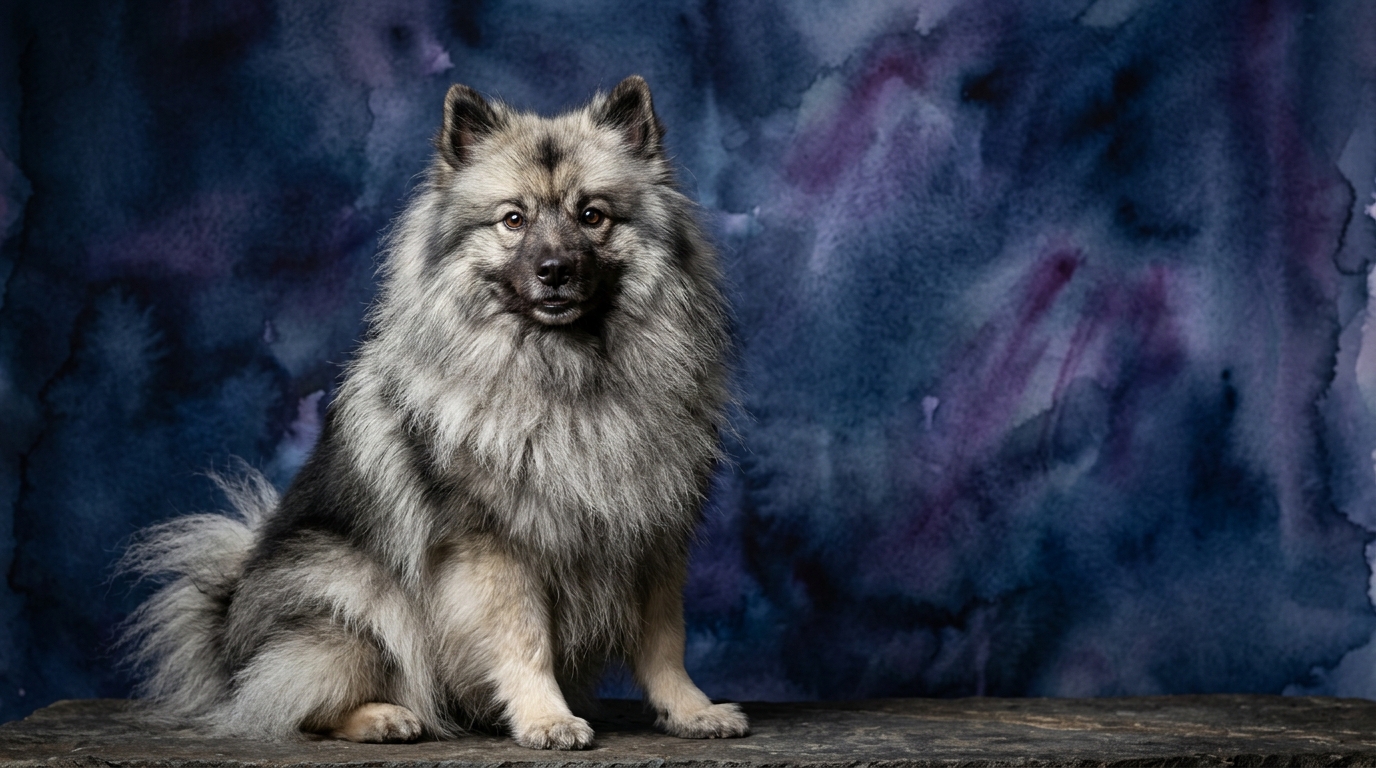
In contrast, the Keeshond, a breed known for its distinctive appearance and watchful nature, demonstrates a more accelerated cognitive pace in several key areas. Its Problem Solving is rated 4/5, suggesting a quicker grasp of complex situations and a greater propensity for independent thought to overcome obstacles. Training Speed also stands at 4/5, indicating a capacity to absorb new information rapidly, often requiring fewer repetitions to master a command. Social Intelligence matches the Staffy at 3/5, showing a similar level of competence in reading social cues and interacting appropriately. Instinctive Drive is also 3/5, reflecting a balanced, non-overwhelming natural drive. Where the Keeshond truly distinguishes itself is in Memory, earning a perfect 5/5; this signifies an exceptional ability to recall past lessons, routines, and experiences with remarkable accuracy and longevity, making them highly adept at retaining extensive repertoires of commands or complex sequences.
Where the Staffordshire Bull Terrier Shines Cognitively
While the Staffordshire Bull Terrier's scores are consistently moderate, their cognitive strengths often manifest through their inherent tenacity and resilience. A Problem Solving score of 3/5, combined with their strong physical presence, means they are not easily deterred by minor setbacks; they approach challenges with a determined persistence that, while not always quick, can ultimately lead to success. This steadfastness allows them to methodically work through problems that might frustrate a less resilient dog. Their Social Intelligence, at 3/5, means they are adept at forming deep, unwavering bonds with their chosen family, reading their emotional states with a grounded understanding rather than an overly sensitive interpretation. This robust social awareness contributes to their reputation as loyal and dependable companions, unfazed by the nuanced social anxieties some more sensitive breeds might exhibit.
Where the Keeshond Excels Cognitively
The Keeshond's cognitive profile reveals clear advantages, particularly in areas related to learning and retention. Their 4/5 Problem Solving score means they often anticipate outcomes and devise solutions with impressive speed, making them adept at navigating novel environments or figuring out how to access a coveted toy. This quick cognitive processing allows them to adapt rapidly to changes in routine or new learning tasks. The 4/5 Training Speed complements this, as they can pick up new commands and behaviors with remarkable efficiency, often needing only a few repetitions before demonstrating understanding. However, the Keeshond's most significant cognitive triumph is its 5/5 Memory. This superior recall means that once a lesson is learned or a routine established, it is deeply ingrained. This exceptional memory makes them outstanding candidates for complex obedience work, agility courses with intricate patterns, or even learning multiple tricks, as they rarely forget what they've mastered, even after long breaks.
Which is Easier to Train and Why
When it comes to ease of training, the Keeshond generally holds an advantage due to its higher scores in Training Speed (4/5) and Memory (5/5). A Keeshond will typically grasp new commands more quickly and retain them for longer periods, meaning fewer repetitions are needed during initial training and less refreshing is required over time. Their elevated problem-solving ability also means they can often generalize learned behaviors to new situations more readily. For example, teaching a Keeshond a multi-step routine might proceed smoothly, as they can remember the sequence and anticipate the next action.
The Staffordshire Bull Terrier, with its 3/5 scores in both Training Speed and Memory, requires a more patient and consistent approach. While certainly trainable, they may take more repetitions to solidify a new command and might require more frequent practice to keep it sharp. Their balanced instinctive drive means they can sometimes be more easily distracted by their environment or their own motivations, necessitating a training environment that minimizes competing interests. Real behavioral differences include the Staffy's potential for a stubborn streak, a common terrier trait, which means that while they understand, they might choose not to comply if the motivation isn't compelling enough, whereas a Keeshond's quick learning and excellent memory often translate to a more eager and consistent compliance.
Which Suits Active vs. Relaxed Owners
The choice between a Staffordshire Bull Terrier and a Keeshond also hinges on an owner's lifestyle and their preferred level of engagement. The Staffordshire Bull Terrier, with its balanced cognitive profile and robust physical nature, suits owners who appreciate a steadfast, loyal companion and are prepared for consistent, patient training. While they enjoy physical activity, their cognitive needs are met with regular, clear guidance and opportunities for interaction, rather than constant intellectual challenges. They can adapt well to moderately active households that provide daily walks, play sessions, and firm, fair leadership, without necessarily demanding intricate mental exercises.
The Keeshond, with its superior Problem Solving, Training Speed, and exceptional Memory, thrives with owners who are keen to engage their dog's mind actively. They are better suited for active owners who enjoy structured activities like obedience, rally, or even agility, where their quick learning and recall can truly shine. Their cognitive architecture means they benefit greatly from mental stimulation, puzzle toys, and ongoing learning opportunities. A Keeshond might become bored or develop undesirable behaviors if their sharp mind isn't regularly challenged, making them a better fit for individuals or families who embrace dog sports or enjoy teaching complex sequences and tricks.
The Verdict: When to Choose Each
The Verdict
Choose a Staffordshire Bull Terrier if you value a loyal, robust companion who thrives on consistent, patient guidance and forms deep, resilient bonds, and you're prepared for a steady training journey. They are an excellent fit for owners who appreciate a dog with a balanced temperament and a pragmatic approach to learning.
Opt for a Keeshond if you are an active owner eager to engage a dog's sharp mind with regular training, learning new skills, and participating in dog sports, benefiting from their rapid learning and exceptional memory. Their cognitive prowess makes them ideal for those who enjoy intellectual interaction and structured activities with their canine companion.
🧠 Find Your Pet's IQ Score
Our Pet IQ Lab assessment covers 25+ tests across 5 cognitive dimensions — personalized to your breed.
Take the Full IQ Test →Frequently Asked Questions
Are Staffordshire Bull Terriers difficult to train?
No, Staffordshire Bull Terriers are not difficult to train, but their 3/5 Training Speed and Memory scores mean they benefit most from consistent, patient methods. They may require more repetitions than some other breeds to solidify commands, but with dedication, they can learn a wide range of behaviors.
Do Keeshonds need a lot of mental stimulation?
Yes, Keeshonds, with their 4/5 Problem Solving and 5/5 Memory, definitely benefit from significant mental stimulation. Their sharp minds thrive on learning new tasks, puzzle toys, and structured activities like obedience or agility to prevent boredom and encourage appropriate behavior.
Which breed is better for a first-time dog owner?
For a first-time dog owner, the choice depends on the individual's commitment to training and lifestyle. A Staffordshire Bull Terrier might be suitable if the owner is prepared for consistent, patient training, while a Keeshond could be a great fit if the owner is eager to actively engage in ongoing mental stimulation and training activities.