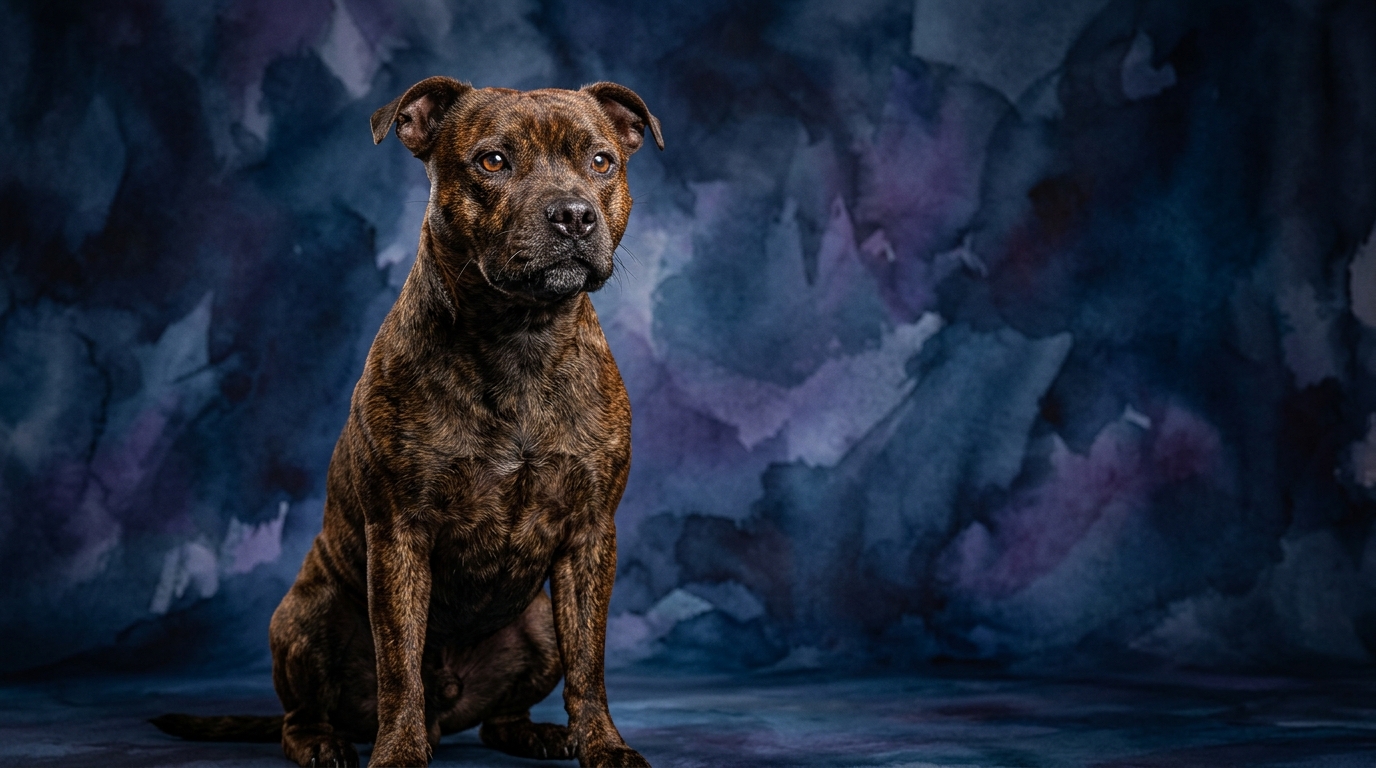
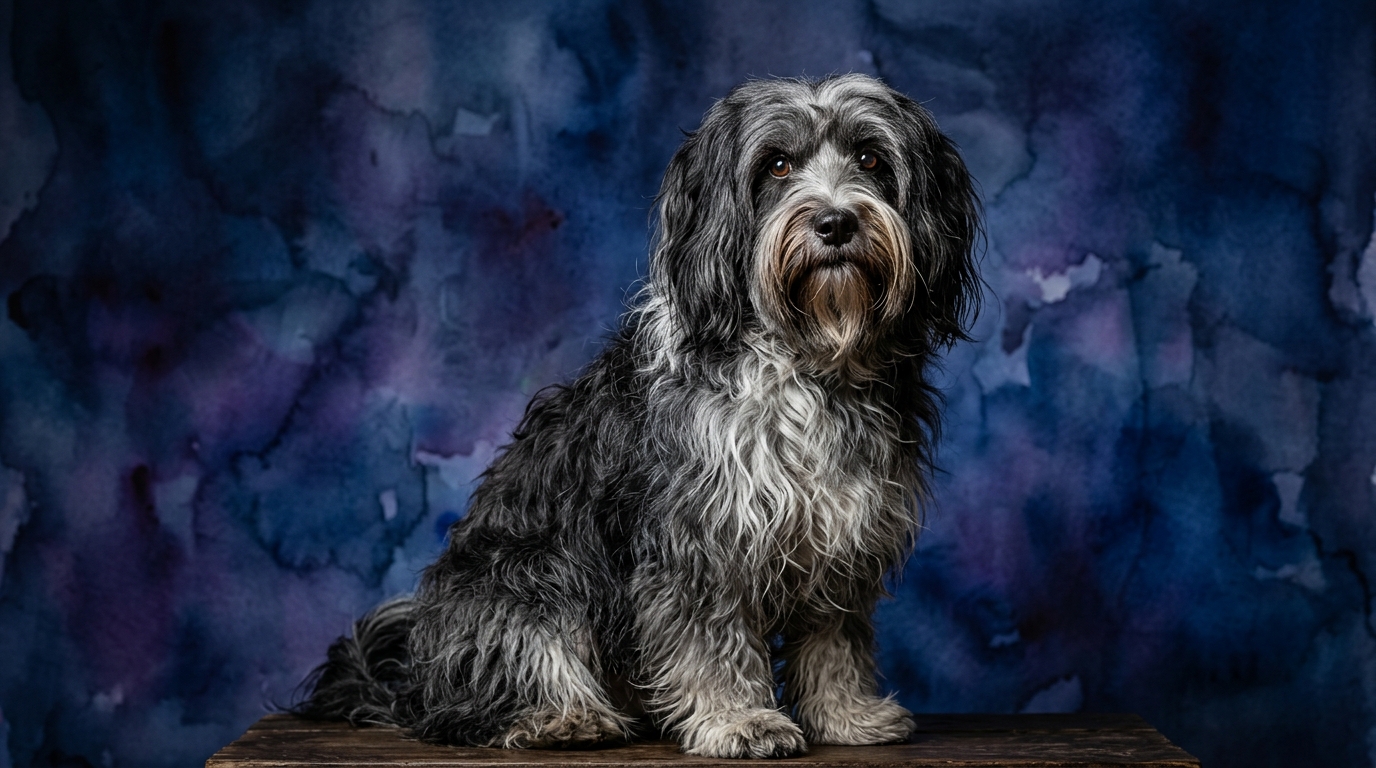
Side-by-Side Pet IQ Lab Profile
The Cosmic Pet Pet IQ Lab assesses five key cognitive dimensions, and both the Staffordshire Bull Terrier and the Tibetan Terrier register a consistent 3 out of 5 across all categories. This numerical parity, however, belies distinct expressions of these capacities rooted in their very different breed histories and temperaments. A score of 3/5 generally indicates a capable, adaptive intelligence that benefits significantly from consistent guidance and positive reinforcement, rather than exhibiting extreme self-sufficiency or requiring minimal input.
For the **Staffordshire Bull Terrier**, a score of 3/5 in **Problem Solving** means they are capable of navigating challenges and learning from experience, though they might not independently devise complex, multi-step solutions without clear motivation. Their terrier tenacity often manifests as a practical, hands-on approach, using their physical prowess and persistence to overcome direct obstacles, such as retrieving a favorite toy from a tight spot. Their **Training Speed** at 3/5 reflects a willingness to learn with consistent, positive methods, but their exuberance and potential for distraction mean they are not 'one-and-done' learners, requiring patient repetition and engaging sessions. Their **Social Intelligence** at 3/5 indicates a strong capacity for bonding with their human family and reading familiar social cues, often displaying a people-focused eagerness, though initial interactions with unfamiliar dogs or people may require careful, structured introduction. A 3/5 in **Instinctive Drive** highlights their moderate prey drive and robust desire for physical engagement and play, stemming from their heritage. Finally, their **Memory** at 3/5 means they retain learned behaviors and routines effectively, remembering both positive and negative experiences, which shapes their future interactions and responses.
The **Tibetan Terrier** also registers 3/5 in **Problem Solving**, but their approach is typically more observant and thoughtful; they might assess a situation before acting, employing subtle tactics or their agility to solve puzzles or navigate their environment rather than relying solely on force. Their **Training Speed** at 3/5 suggests they will learn commands with patience and positive reinforcement, though their independent streak can mean they require more convincing and engaging methods to maintain focus and compliance. Their **Social Intelligence** at 3/5 is characterized by a sensitive and discerning nature; they form deep bonds with their family and are adept at reading subtle human cues, yet they can be reserved or cautious with strangers, observing before engaging. A 3/5 in **Instinctive Drive** reflects their historical role as watchdogs and companions, exhibiting a moderate protective instinct and a playful, energetic disposition, rather than a strong prey drive. For **Memory**, their 3/5 score indicates they also retain learned behaviors, routines, and the preferences of their human companions well, contributing to their observant nature and ability to anticipate needs, but like the Staffy, they benefit from occasional refreshers.
Where the Staffordshire Bull Terrier Wins Cognitively
While both breeds share identical scores, the Staffordshire Bull Terrier often expresses its 3/5 social intelligence with an unparalleled depth of devotion and an overt desire to please its chosen people. This powerful connection can lead to quicker responses in social contexts within their trusted circle, making them highly attuned to their family's emotions and intentions. Their robust physical nature also allows them to engage in more vigorous, interactive social play, which for many owners, translates into a very responsive and engaging companion.
In terms of instinctive drive, the Staffy's tenacity and determination, deeply rooted in their terrier lineage, can be a significant cognitive asset. When channeled appropriately, this drive translates into a focused, persistent approach to tasks they enjoy, such as fetch, agility, or obedience work. This intrinsic motivation, while rated 3/5, can feel particularly strong and directed, providing a potent engine for learning and performance in activities that align with their natural inclinations.
Their problem-solving at 3/5 often shines in practical, hands-on scenarios. A Staffy might excel at figuring out how to manipulate objects to achieve a goal, like opening a cabinet with a treat inside or retrieving a ball from an awkward spot. This physical problem-solving, coupled with their persistence, means they can often overcome immediate, tangible obstacles effectively, learning through direct interaction with their environment.
Where the Tibetan Terrier Wins Cognitively
The Tibetan Terrier's 3/5 social intelligence often manifests as a nuanced, observational acumen. Their sensitivity and history as companion and watchdogs mean they are particularly adept at reading subtle human cues, anticipating household routines, and understanding the emotional landscape of their home. This translates to a discerning social intelligence, making them excellent companions who often seem to 'know' what their humans are feeling or about to do, without being overtly demanding.
In problem-solving, the Tibetan Terrier's 3/5 score can lean towards a more agile and thoughtful approach. Rather than relying on brute force, they might use their intelligence for puzzle toys, navigating complex environments, or figuring out how to achieve a goal through indirect means. Their independent streak can sometimes foster creative solutions that demonstrate a flexible, adaptable mind, making them engaging partners in mental games and training challenges.
Their memory, also rated 3/5, combined with their watchful nature, allows them to establish and recall intricate routines and preferences within the home environment. They remember who belongs and who doesn't, where things are, and what is expected of them, contributing to a sense of order and predictability. This strong memory for their world helps them maintain a secure and comfortable space, often making them excellent household managers in their own subtle way.
Which Is Easier to Train and Why
Despite both breeds scoring 3/5 in training speed, the practical experience of training them can differ considerably due to their inherent temperaments. The Staffordshire Bull Terrier, often eager to please and highly motivated by praise, play, and food, can make initial training phases feel relatively straightforward. Their boundless enthusiasm and physical robustness, however, mean that while they learn quickly, managing their exuberance and potential for distraction, particularly around other dogs or exciting stimuli, requires consistent, firm, and positive guidance. They thrive on clear structure and consistent expectations, and without it, their strong drives can lead to boisterous or stubborn behaviors.
The Tibetan Terrier, on the other hand, possesses an independent and sometimes discerning nature. While equally capable of learning with a 3/5 training speed, they often need to understand the 'why' behind a command or perceive a clear benefit for themselves. This means training sessions need to be engaging, varied, and fun, utilizing positive reinforcement to persuade rather than command. They are sensitive dogs who respond poorly to harsh methods, potentially becoming withdrawn or resistant. Their independent thinking can sometimes be interpreted as stubbornness, making training a journey that demands significant patience, creativity, and a strong, trusting bond from their owner.
In essence, the Staffy might offer more immediate responsiveness due to their desire for interaction, but their physical energy and strength require diligent management. The Tibetan Terrier might demand more mental persuasion and a gentler hand, making progress feel slower but potentially leading to a deeply thoughtful and cooperative companion once their trust and motivation are earned. Neither is a beginner's 'easy' dog, but the Staffy might be easier to motivate through sheer enthusiasm, while the Tibetan Terrier requires a more nuanced, intellectual approach.
Which Suits Active Owners vs. Relaxed Owners
The Staffordshire Bull Terrier is an energetic, robust companion who thrives on physical activity and engaging interaction with their human family. They require owners who are genuinely active and enjoy daily walks, runs, vigorous games of fetch, or participation in dog sports like agility or obedience. Their substantial energy levels and desire for mental stimulation mean they are not content to be couch potatoes; without sufficient outlets for their physical and mental drive, they can become bored and potentially destructive. They are best suited for owners who integrate their dog into an active lifestyle and are prepared for a lively, hands-on companion.
The Tibetan Terrier, while active and playful, is generally less intensely demanding than the Staffy. They enjoy regular walks, playtime, and mental challenges, but are often more adaptable to varying activity levels. They can be content with moderate daily exercise and indoor play, making them suitable for owners who are active but also appreciate a calmer presence in the home. They are well-suited for apartment living provided they receive adequate daily outings and mental engagement. Tibetan Terriers thrive with owners who can provide consistent stimulation through walks, training, and puzzle toys, but who also enjoy periods of quiet companionship and observation.
The Verdict
Choose a Staffordshire Bull Terrier if you are an active owner seeking a physically robust, devoted companion who thrives on energetic interaction and consistent, positive training to channel their enthusiastic drive.
Opt for a Tibetan Terrier if you appreciate an observant, sensitive, and independent companion, capable of moderate activity but also content with thoughtful engagement and a gentle, consistent approach to training and socialization.
🧠 Find Your Pet's IQ Score
Our Pet IQ Lab assessment covers 25+ tests across 5 cognitive dimensions — personalized to your breed.
Take the Full IQ Test →Frequently Asked Questions
Are Staffordshire Bull Terriers good with children?
Staffordshire Bull Terriers are often affectionate and tolerant with children within their own family, earning them the nickname 'Nanny Dog.' However, like any breed, supervision is crucial, and both the dog and children need to be taught appropriate interaction boundaries to ensure safety and positive experiences.
Do Tibetan Terriers shed a lot?
Tibetan Terriers have a long, double coat that does shed, but typically less than many other breeds. They do not have seasonal 'blow outs' but instead shed individual hairs throughout the year, similar to human hair, requiring regular grooming to prevent matting.
What are the key differences in grooming for these breeds?
Staffordshire Bull Terriers have a short, smooth coat that requires minimal grooming, primarily weekly brushing and occasional baths. Tibetan Terriers, conversely, have a long, flowing double coat that demands significant grooming, including daily brushing to prevent mats and tangles, along with regular baths and occasional professional trims.