Side-by-Side IQ Profile: Standard Schnauzer vs. Basset Hound
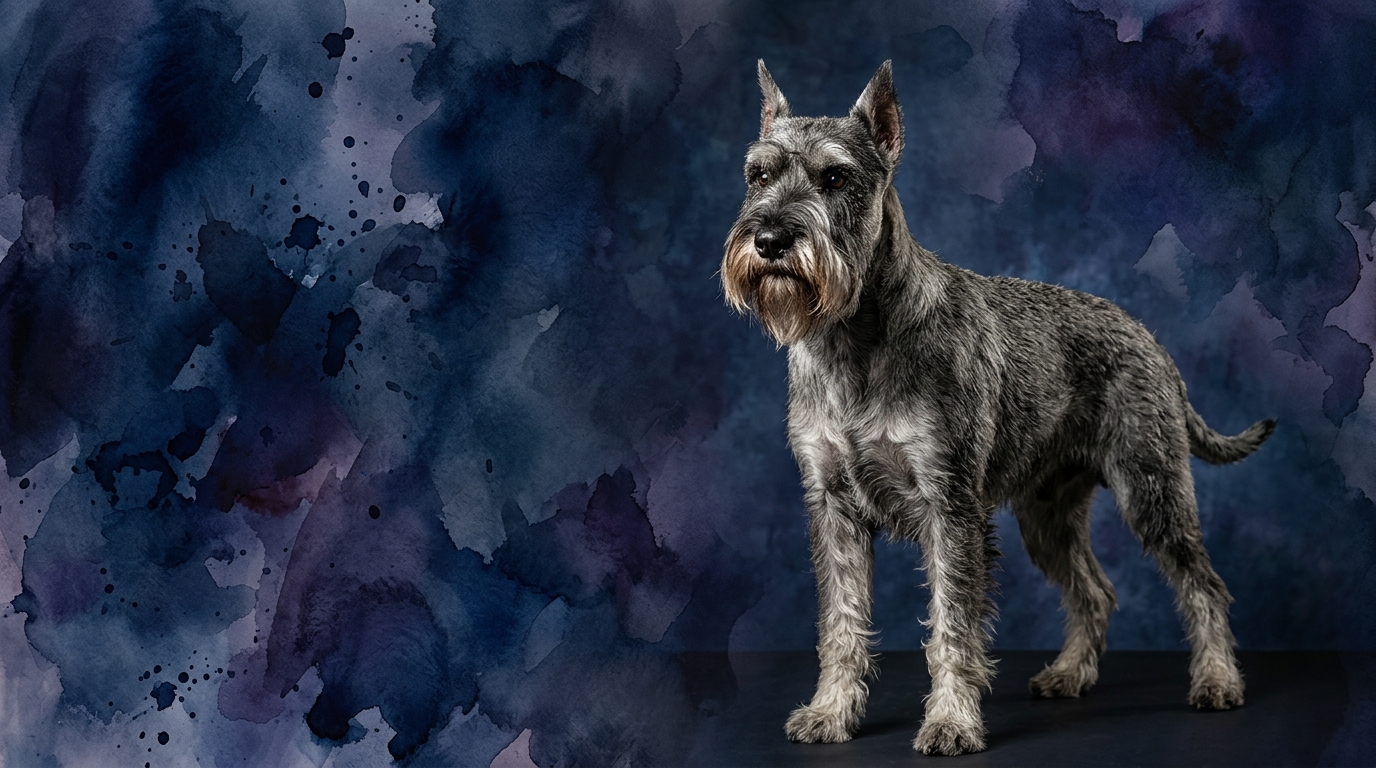
The Standard Schnauzer, a member of the Working Group with a Coren rank of #22, presents a cognitive profile optimized for versatility and responsiveness. Their Problem Solving is rated at 4/5, indicating a dog that is adept at navigating novel situations, figuring out how to achieve goals, and demonstrating a resourceful approach to challenges, whether it's manipulating latches or strategizing during a game. This is complemented by a Training Speed of 4/5, signifying a keen learner who quickly grasps commands and enjoys the collaborative process of acquiring new skills. Their Memory, also 4/5, allows them to retain complex sequences and past experiences, building a robust foundation for future learning and consistent behavior. Social Intelligence stands at 3/5; while capable of forming deep bonds and reading human cues, they possess an independent streak and may be more discerning in their interactions than some other breeds, preferring close family over strangers. Their Instinctive Drive, rated 3/5, encompasses a balanced blend of protective instincts, a moderate prey drive, and a desire for purpose-driven activity, reflecting their heritage as farm dogs and guardians.
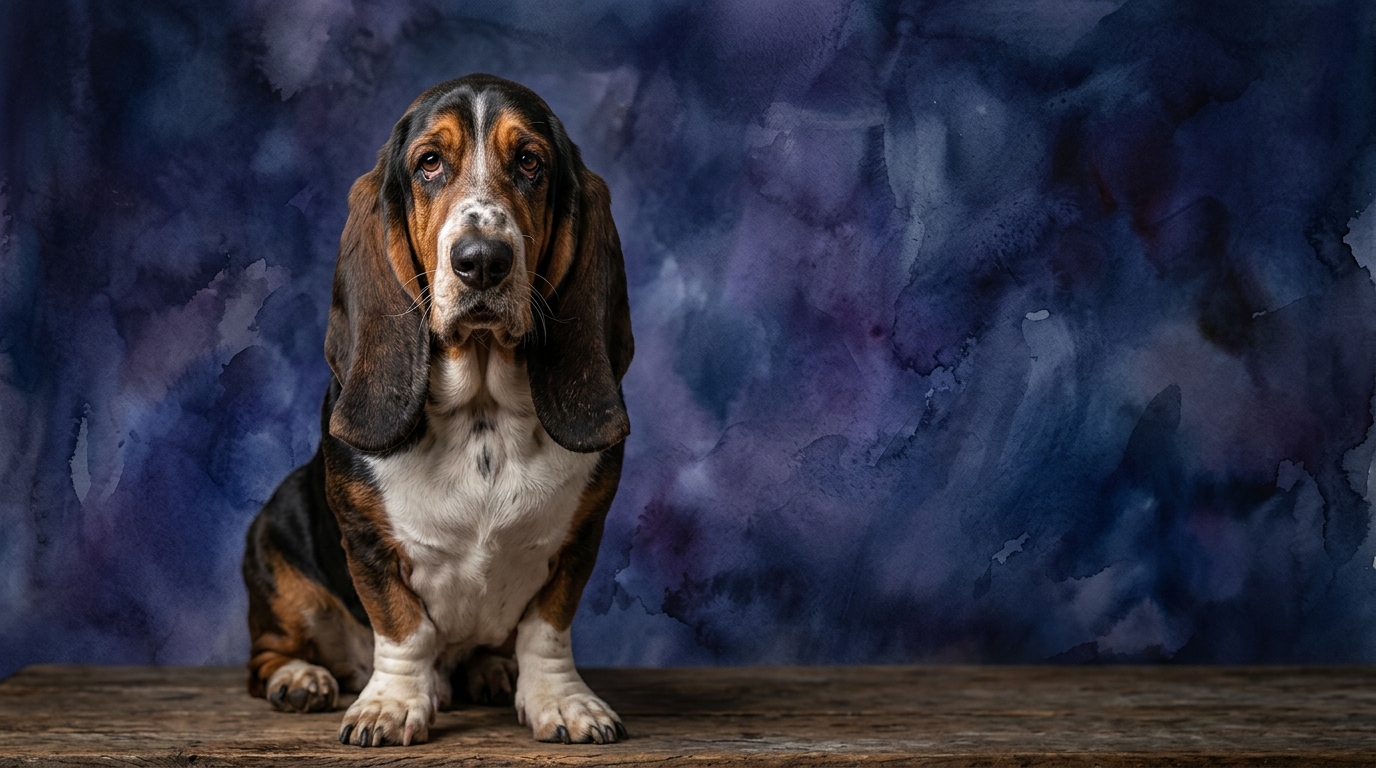
In contrast, the Basset Hound, a member of the Hound Group with a Coren rank of #71, showcases a cognitive design profoundly shaped by its primary function: scent tracking. Their Problem Solving is rated 3/5, which, while not as high in abstract or mechanical tasks as the Schnauzer, is exceptionally specialized when it comes to olfactory puzzles. They are masters at deconstructing complex scent trails, a highly sophisticated form of problem-solving. Training Speed is 3/5; Bassets can learn, but their attention is often tethered to their nose, meaning instruction requires significant patience, repetition, and a motivation strategy often involving food or further scent engagement. Their Memory, also 3/5, is particularly strong for scent-related information and the routines of their human companions, though a compelling scent can momentarily override recall of other learned behaviors. Social Intelligence is 3/5; these dogs are generally amiable and form strong, affectionate bonds with their families, displaying a placid and tolerant demeanor. The Basset's Instinctive Drive, a robust 3/5, is almost entirely dedicated to their phenomenal sense of smell and the pursuit of a trail, making them incredibly persistent and single-minded when following a scent.
Where the Standard Schnauzer Wins Cognitively
The Standard Schnauzer’s cognitive edge is particularly evident in areas demanding proactive engagement and rapid adaptation. With a Problem Solving score of 4/5, these dogs excel at figuring out practical solutions in their environment, whether it's understanding how to open a child-proof gate or navigating a complex obstacle course with minimal prior exposure. This resourceful thinking is directly supported by their 4/5 Training Speed, allowing them to absorb and implement new commands and routines with impressive alacrity. They don't just learn *what* to do; they often seem to understand *why* it's relevant within a given context, making them exceptionally trainable for diverse roles from obedience to protection work. Furthermore, their 4/5 Memory ensures that these learned skills and solutions are retained over long periods, building a consistent and reliable behavioral repertoire. This cognitive agility allows them to thrive in environments that value quick thinking and responsive action.
Where the Basset Hound Wins Cognitively
While the Standard Schnauzer shines in general problem-solving, the Basset Hound’s cognitive prowess lies in a deeply specialized domain: olfaction. Their 3/5 Instinctive Drive is not a general drive but an intense, almost singular focus on scent. For a Basset, problem-solving (rated 3/5) often manifests as meticulously deconstructing a complex trail, an intricate cognitive task that involves identifying, separating, and following specific scent molecules amidst a cacophony of other odors. This isn't about opening a food puzzle; it's about reconstructing an entire narrative from invisible chemical signatures, a feat of analytical deduction unmatched by most breeds. Their Memory (3/5), while appearing moderate in general terms, is extraordinarily potent for scent profiles and the locations where significant odors were encountered. This means a Basset can remember a specific rabbit trail from weeks ago, or the unique scent of a particular person, demonstrating a highly evolved, specialized form of cognitive recall anchored in their olfactory world.
Training Ease: Unpacking Behavioral Differences
Standard Schnauzers generally present an easier training experience due to their 4/5 Training Speed and 4/5 Problem Solving. They are often eager partners in learning, quickly connecting actions with consequences and retaining commands effectively. Their historical role as farm dogs required them to be responsive and adaptable, fostering a desire to engage with their human counterparts in structured activities. In contrast, the Basset Hound, with a 3/5 Training Speed, requires more patience and creative motivation. Their potent 3/5 Instinctive Drive, overwhelmingly focused on scent, means that once a compelling odor is detected, their attention can be entirely consumed, making recall or focus on other commands incredibly challenging. A Basset's "stubbornness" is often a deep dive into an olfactory puzzle rather than defiance, requiring an understanding of their primal motivations.
Matching Breeds to Lifestyles: Active vs. Relaxed Owners
For owners seeking an active, mentally engaging companion, the Standard Schnauzer is often a fitting choice. Their 4/5 Problem Solving and robust nature means they thrive on regular physical activity coupled with brain games, obedience training, or even dog sports. They require consistent mental stimulation to prevent boredom and channel their considerable energy constructively. Conversely, the Basset Hound often suits a more relaxed household rhythm, though this doesn't equate to inactivity. While they might enjoy long naps, their 3/5 Instinctive Drive means they crave opportunities to engage their powerful nose. Relaxed owners willing to provide dedicated "sniffari" walks, where the Basset can fully explore a scent trail at its own pace, will find a deeply contented companion, balancing their calm demeanor with fulfilling bursts of olfactory exploration.
The Verdict
Opt for the Standard Schnauzer if you seek an interactive, quick-thinking partner for diverse activities, from advanced obedience to dog sports, who thrives on mental engagement and collaboration.
Choose the Basset Hound if you appreciate a calm, affectionate companion with a profound, specialized intelligence for scent work, and are prepared to indulge their olfactory explorations.
🧠 Find Your Pet's IQ Score
Our Pet IQ Lab assessment covers 25+ tests across 5 cognitive dimensions — personalized to your breed.
Take the Full IQ Test →Frequently Asked Questions
Which breed is generally more biddable?
The Standard Schnauzer is typically more biddable due to their higher Training Speed and Problem Solving scores, making them quicker to respond to commands and eager to please in structured settings. The Basset Hound, while affectionate, can be more independently minded, especially when a compelling scent is present.
How do their instinctive drives differ in daily life?
The Standard Schnauzer's instinctive drive manifests as a desire for purpose and moderate guarding, leading them to be alert and often protective. The Basset Hound's drive is almost entirely scent-focused, meaning they will intently follow a trail, sometimes to the exclusion of all else, making secure leashing essential outdoors.
Can a Basset Hound excel in activities beyond scent work?
While their primary cognitive strength lies in scent work, Basset Hounds can certainly participate in other activities like basic obedience or therapy work. Success requires patience, positive reinforcement, and understanding that their motivation might differ from breeds with higher general training speeds, often benefiting from food-based rewards.