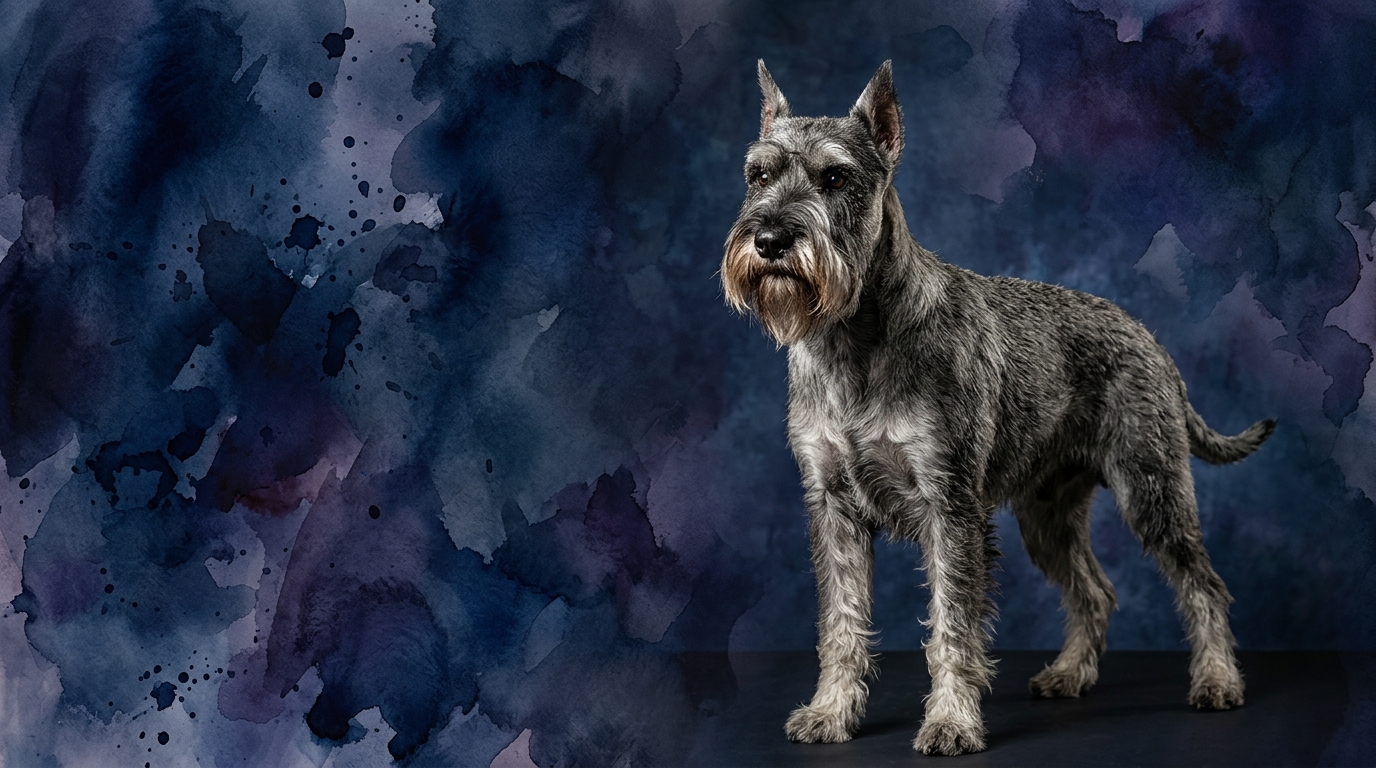
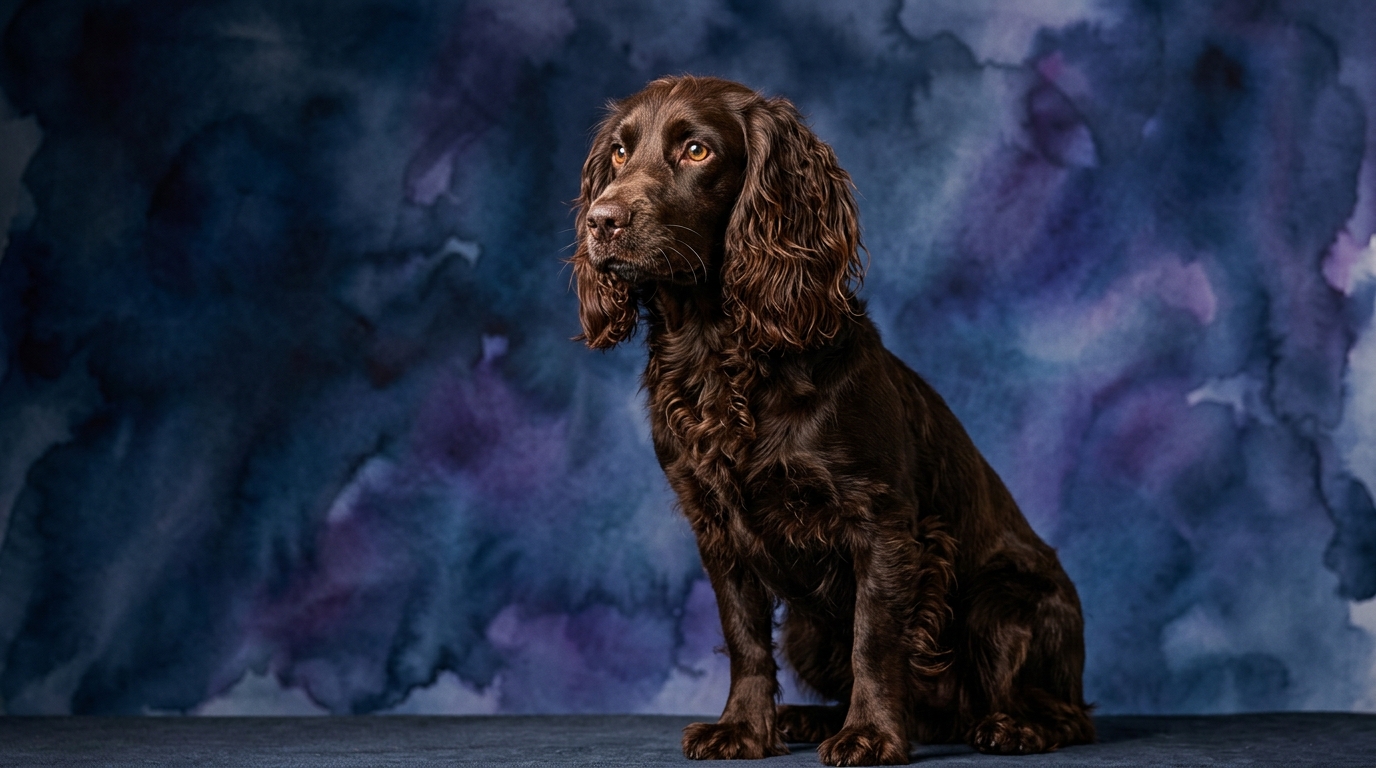
Side-by-side IQ profile
The Standard Schnauzer, Coren-ranked #22, reflects a significant capacity for adaptive learning. Its Problem Solving score of 4/5 indicates a breed that enjoys deciphering challenges and can independently strategize to achieve goals, a trait honed during its history as a versatile farm dog and guard. Training Speed, also at 4/5, suggests it grasps new commands and concepts quickly, though its independent streak means engagement is key. Social Intelligence is 3/5, meaning it forms strong bonds but may not always prioritize overt human pleasing over its own perceived tasks. Instinctive Drive at 3/5 points to a moderate, adaptable set of natural behaviors, including its historical vermin control and guarding instincts. Finally, a Memory score of 4/5 underpins its ability to retain complex routines and learned behaviors over time, crucial for intricate tasks.
While not Coren-ranked, the Boykin Spaniel’s IQ profile paints a picture of a focused and cooperative sporting companion. Its Problem Solving score of 3/5 suggests a practical approach to challenges, excelling in task-specific navigation rather than abstract puzzles. Training Speed at 3/5 indicates a consistent learning pace, often motivated by partnership and reward, making it generally amenable to instruction. Social Intelligence, also 3/5, emphasizes its desire to work closely with its handler, interpreting cues and intentions effectively in a working context. Instinctive Drive at 3/5 highlights its strong, dedicated retrieving instincts, a core part of its breed identity. A Memory score of 3/5 supports its capacity to recall marks, retrieve locations, and established commands, contributing to its reliability in the field.
Where Standard Schnauzer Wins Cognitively
The Standard Schnauzer shines in areas demanding independent thought and analytical prowess. Its 4/5 Problem Solving score means it often approaches novel situations with a discerning, investigative mind, capable of figuring out how to open a gate or outsmart a puzzle toy with minimal human intervention. This cognitive strength stems from its historical role where it needed to independently assess threats, manage vermin, and guard property without constant direction. Furthermore, its 4/5 Memory allows it to retain complex sequences of commands or intricate routines, making it adept at advanced obedience, agility courses with multiple obstacles, or learning sophisticated tricks where remembering the precise order of actions is paramount. This breed’s mental agility allows it to process and store information efficiently, building a rich internal map of its environment and learned responses.
Where Boykin Spaniel Wins Cognitively
While its scores might appear numerically lower, the Boykin Spaniel demonstrates distinct cognitive advantages perfectly aligned with its purpose as a devoted gundog. Its 3/5 Social Intelligence, coupled with its strong retrieving instincts (3/5), translates into an exceptional ability to work in close, intuitive partnership with a handler in dynamic outdoor environments. This breed excels at reading subtle body language and vocal cues, anticipating the next command during a hunt or quickly adapting to changing field conditions. Its Problem Solving score of 3/5, rather than indicating a general deficit, points to a highly practical and task-oriented intelligence; it is adept at efficiently navigating dense cover or tracking a scent trail to locate a fallen bird, prioritizing the successful completion of its assigned task over abstract intellectual exploration. This specialized cognitive focus makes it remarkably effective and reliable in its specific domain.
Which is Easier to Train and Why
The question of which breed is “easier” to train depends significantly on an owner’s approach and expectations. The Standard Schnauzer, with a Training Speed of 4/5, often grasps new commands with impressive quickness. However, its independent Problem Solving (4/5) and discerning nature mean it requires consistent, engaging, and varied training to prevent boredom or the development of its own “better ideas.” A Schnauzer might learn a command rapidly but then choose to test boundaries, requiring an owner who understands how to channel its mental energy and strong will into productive learning. Conversely, the Boykin Spaniel, with a Training Speed of 3/5, may require more repetition to solidify new concepts, but its cooperative Social Intelligence (3/5) and inherent desire to please often make it a more consistently biddable pupil. Boykins typically exhibit less independent “scheming” during training; they are generally eager to work alongside their handler, making them responsive to positive reinforcement and clear directives, particularly when the training relates to their natural retrieving drives.
Which Suits Active Owners vs. Relaxed Owners
Neither of these breeds is particularly suited for a truly “relaxed” owner in the sense of a sedentary lifestyle. Both require substantial physical activity, but their cognitive needs diverge. The Standard Schnauzer thrives with active owners who can provide consistent mental challenges in addition to physical exercise. Its high Problem Solving and Memory scores mean it needs engaging activities like advanced obedience, agility, tracking, or complex puzzle toys to prevent boredom and potential destructive behaviors. Owners who enjoy teaching intricate commands, participating in dog sports, or embarking on mentally stimulating walks where the dog can investigate and “solve” its environment will find the Schnauzer a rewarding partner. The Boykin Spaniel also requires active owners, especially those who enjoy outdoor pursuits like hiking, swimming, or retrieving games. While its mental stimulation needs are primarily focused on cooperative tasks and fulfilling its retrieving drive, it still needs regular engagement. Owners who appreciate a devoted, task-oriented companion for field work or active family life will find the Boykin Spaniel a delightful fit, though they should be prepared for its sustained energy and need for companionship.
The Verdict
Opt for the Standard Schnauzer if you are an owner eager to engage with a discerning, analytical dog that thrives on complex problem-solving, advanced training, and enjoys testing its cognitive limits in a variety of disciplines. This breed is for those who appreciate an independent thinker and are prepared to provide consistent mental and physical stimulation.
Select the Boykin Spaniel if you desire a highly cooperative, devoted companion for active outdoor pursuits, particularly those involving retrieving, swimming, or long walks. This breed excels when working in partnership with its handler and will flourish with owners who value a loyal, task-oriented partner for their adventures.
🧠 Find Your Pet's IQ Score
Our Pet IQ Lab assessment covers 25+ tests across 5 cognitive dimensions — personalized to your breed.
Take the Full IQ Test →Frequently Asked Questions
Do Standard Schnauzers get along with other pets easily?
Standard Schnauzers possess a social intelligence of 3/5, meaning they can form bonds, but their historical role as vermin controllers may influence their interactions with smaller pets. Early, consistent socialization is crucial for harmonious multi-pet households.
Are Boykin Spaniels good family dogs with children?
Boykin Spaniels, with their 3/5 social intelligence, are generally affectionate and eager to be part of family activities, often showing patience with children. Their energetic nature means supervision is always advised to ensure respectful interactions.
Which breed requires more grooming for their coat?
The Standard Schnauzer requires regular grooming, including hand-stripping or clipping every 6-8 weeks to maintain its wiry coat and distinct appearance. The Boykin Spaniel has a medium-length, wavy coat that needs regular brushing to prevent mats, especially after swimming or outdoor adventures.