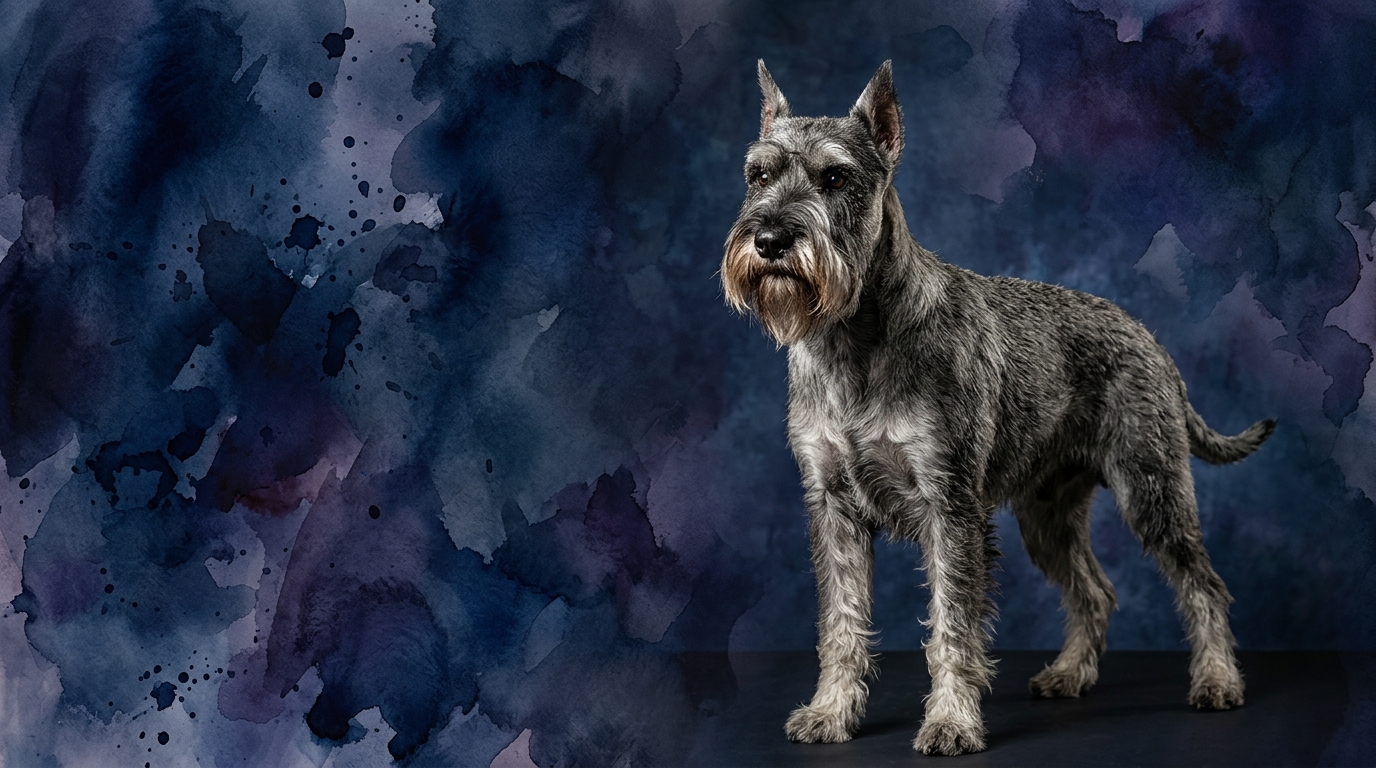
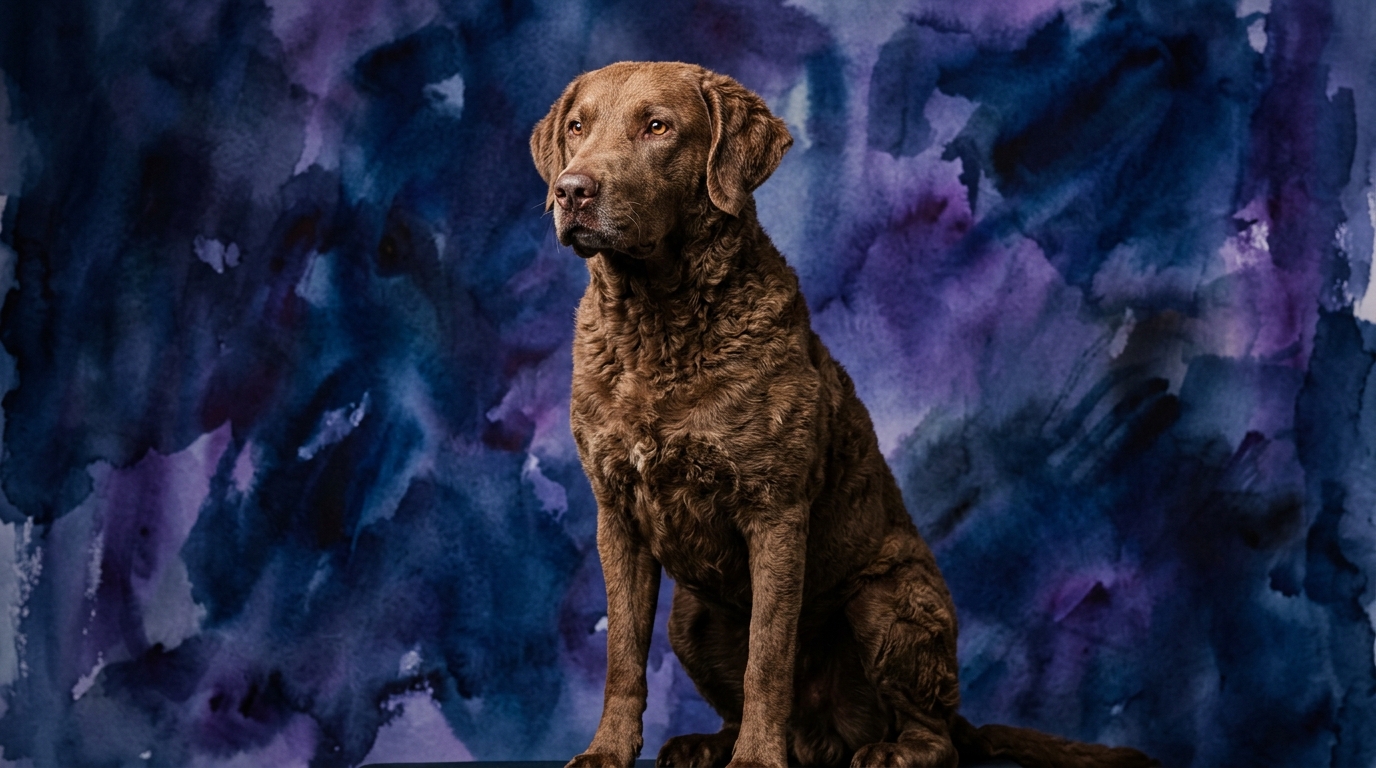
Side-by-Side IQ Profile: Unpacking the Similarities
At first glance, the cognitive profiles of the Standard Schnauzer and the Chesapeake Bay Retriever appear remarkably aligned, each securing impressive scores across our five key dimensions. Both breeds achieve a 4/5 in Problem Solving, indicating a strong capacity to analyze novel situations and devise effective solutions. This might manifest in a Schnauzer figuring out how to open a child-proof gate or a Chessie strategizing the optimal path through dense cover to retrieve a dropped item.
Their Training Speed also stands at a robust 4/5, suggesting both can grasp new commands and routines with impressive alacrity. Memory, crucial for retaining learned behaviors and recalling specific events, is equally strong at 4/5 for both, enabling them to remember complex sequences or specific locations. Where they share a slightly lower, but still capable, score is in Social Intelligence and Instinctive Drive, both rated at 3/5. This suggests they are aware of social cues and possess inherent motivations, but perhaps not with the same nuanced sensitivity or overwhelming drive seen in some other breeds. The real distinction often lies not in the raw score, but in the specific *application* of these cognitive strengths, shaped by their breed's purpose and personality.
Where the Standard Schnauzer Wins Cognitively
The Standard Schnauzer, originating as a versatile farm dog and guard, demonstrates its cognitive strengths in areas requiring vigilance, protective instincts, and a structured approach to tasks. While its Problem Solving score is 4/5, this often translates into a keen ability to assess changes in its environment, quickly identifying potential threats or unusual occurrences. A Schnauzer might excel at discerning a stranger's intent based on subtle cues or figuring out how to alert its family to an anomaly with precise, measured responses, rather than a generalized alarm.
Its 4/5 Memory and Training Speed are often channeled into precise obedience and a readiness for complex, multi-step commands, typical of working roles. They learn routines quickly and maintain them consistently, making them adept at tasks requiring accuracy and repetition. The Schnauzer's social intelligence, while 3/5, is often directed towards its primary human companions, fostering a deep bond that makes it highly responsive to its owner's directives within a clear hierarchical structure. They thrive on having a 'job' and apply their cognitive power to fulfilling those responsibilities with dedication.
Where the Chesapeake Bay Retriever Wins Cognitively
The Chesapeake Bay Retriever, bred for retrieving waterfowl in challenging conditions, showcases its cognitive prowess in resilience, independent decision-making, and an unwavering focus on its task. Its 4/5 Problem Solving manifests in a different vein, often involving navigating dynamic, unpredictable outdoor environments. A Chessie might independently devise the most efficient route to retrieve a duck from icy water or through dense marshland, adapting its strategy on the fly based on changing currents or terrain, without constant human direction.
The Chessie's 4/5 Memory is vital for recalling multiple 'marks' (locations where birds have fallen) over a vast area, even after significant time has passed or distractions have occurred. Its 3/5 Instinctive Drive is powerfully channeled into its retrieving work, demonstrating incredible stamina and determination to complete its task, often pushing through discomfort or obstacles. While their Social Intelligence is 3/5, it often translates into a strong, albeit sometimes reserved, bond with their handler, where trust is earned and once established, leads to a formidable working partnership built on mutual respect for the task at hand.
Which is Easier to Train and Why
Both breeds boast an impressive Training Speed of 4/5, indicating a strong capacity to learn new commands quickly. However, the *ease* of training can differ significantly due to their behavioral predispositions. The Standard Schnauzer, as a working breed, generally thrives on structure and purpose. They are often eager to please their primary handler and respond well to consistent, positive reinforcement within a clear framework. Their vigilance and desire for mental engagement mean they are often receptive students, enjoying the process of learning and mastering new skills.
The Chesapeake Bay Retriever, while equally capable of learning quickly, often presents a more independent and strong-willed demeanor. Their 3/5 Instinctive Drive is potent and task-oriented, meaning they require a trainer who can consistently demonstrate the 'why' behind a command and make training engaging and purposeful. A Chessie might question a command if it doesn't immediately perceive its utility, demanding a firm yet fair handler who understands their unique motivational triggers and can channel their robust drive effectively. Inconsistency or a lack of clear leadership can lead to a Chessie making its own decisions, which, while a testament to their problem-solving, can be challenging for an inexperienced owner.
Which Suits Active Owners vs. Relaxed Owners
Neither the Standard Schnauzer nor the Chesapeake Bay Retriever are suited for truly relaxed, sedentary owners. Both possess a 3/5 Instinctive Drive, signifying a need for regular mental and physical engagement. The Standard Schnauzer thrives with active owners who enjoy structured activities. They excel in dog sports like agility, obedience, or even protection work, and appreciate consistent daily walks, training sessions, and mental puzzles. Owners who can provide a clear routine and engage their Schnauzer's intelligent, vigilant nature will find a rewarding companion. They can adapt to urban or suburban living, provided their needs for interaction and mental stimulation are met.
The Chesapeake Bay Retriever, on the other hand, demands a significantly more robust and outdoor-oriented lifestyle. Their historical role dictates a need for vigorous physical activity and purposeful tasks, ideally involving water. Owners who are avid hikers, runners, hunters, or enjoy water sports will find a Chessie an unparalleled partner. They require substantial daily exercise that goes beyond a simple walk around the block, preferring challenging terrain, swimming, or retrieving games that tap into their enduring drive and resilience. A relaxed owner would quickly find themselves overwhelmed by a Chessie's unfulfilled need for strenuous activity and a job to do.
The Verdict
Choose the Standard Schnauzer if you seek a vigilant, intelligent companion eager for structured training and mental challenges, adaptable to various living situations with consistent engagement.
Opt for the Chesapeake Bay Retriever if you are an intensely active, outdoor-loving individual or family, prepared to provide extensive physical exercise and purposeful tasks, especially those involving water.
🧠 Find Your Pet's IQ Score
Our Pet IQ Lab assessment covers 25+ tests across 5 cognitive dimensions — personalized to your breed.
Take the Full IQ Test →Frequently Asked Questions
Do Standard Schnauzers get along with other dogs?
With their 3/5 social intelligence, Standard Schnauzers can coexist peacefully with other dogs, especially if socialized early. Their protective instincts mean they might be reserved initially but can form strong bonds within their established 'pack'.
Are Chesapeake Bay Retrievers good family dogs?
Chesapeake Bay Retrievers can be devoted family dogs, particularly with older children who understand how to interact respectfully. Their 3/5 social intelligence means they bond deeply with their family but might be reserved with strangers, requiring proper introductions.
Which breed is better for first-time dog owners?
Given their drive for structured work and responsiveness to consistent training, a Standard Schnauzer might be a more manageable choice for a committed first-time owner. The Chesapeake Bay Retriever's strong independence and robust exercise needs generally require a more experienced handler.