Side-by-Side Cognitive Profiles
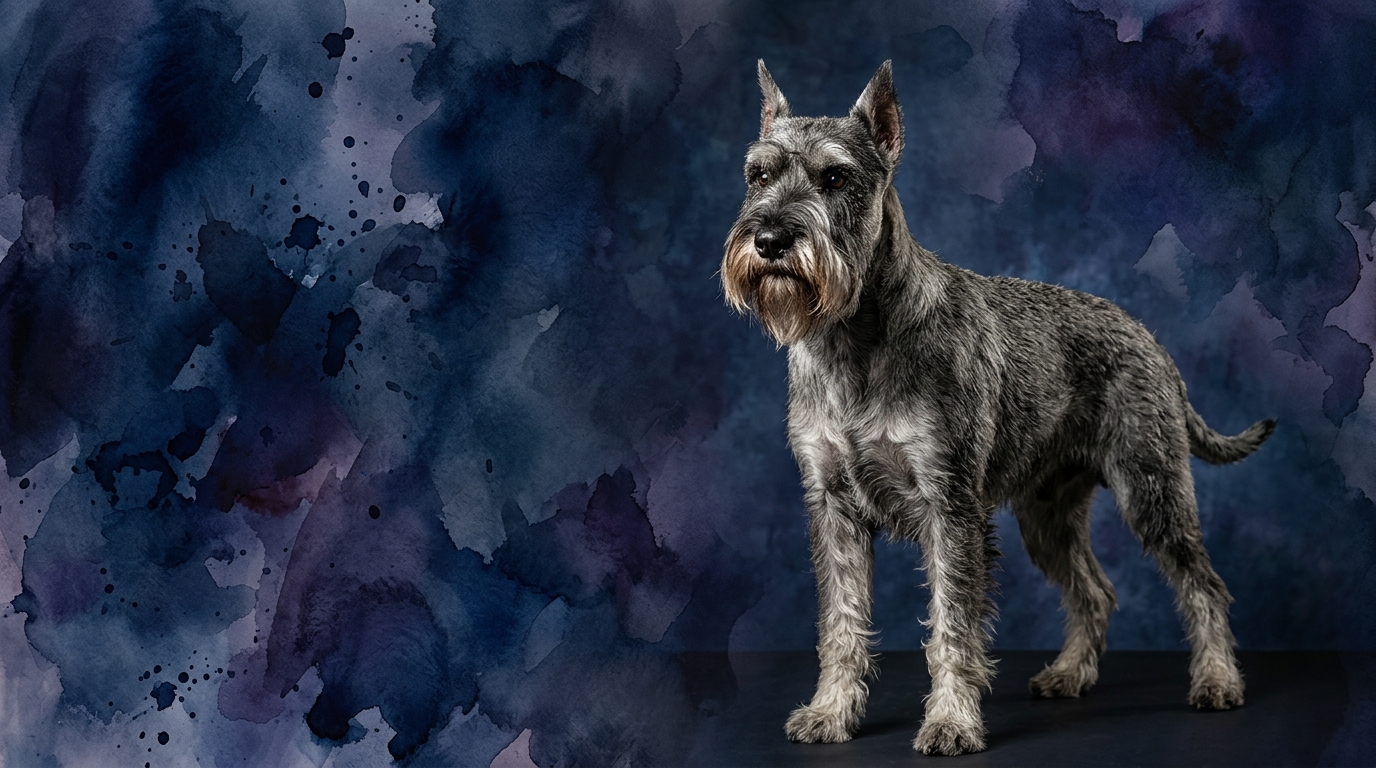
Hailing from the Working group, the Standard Schnauzer presents a robust cognitive profile, reflecting its heritage as a versatile farm dog. They score an impressive 4/5 in both problem-solving and training speed, indicating a natural aptitude for figuring out novel challenges and quickly grasping new commands. Their memory also stands strong at 4/5, suggesting a reliable recall of learned experiences and routines, while social intelligence and instinctive drive are rated at a solid 3/5, demonstrating a balanced capacity for interaction and inherent working behaviors.
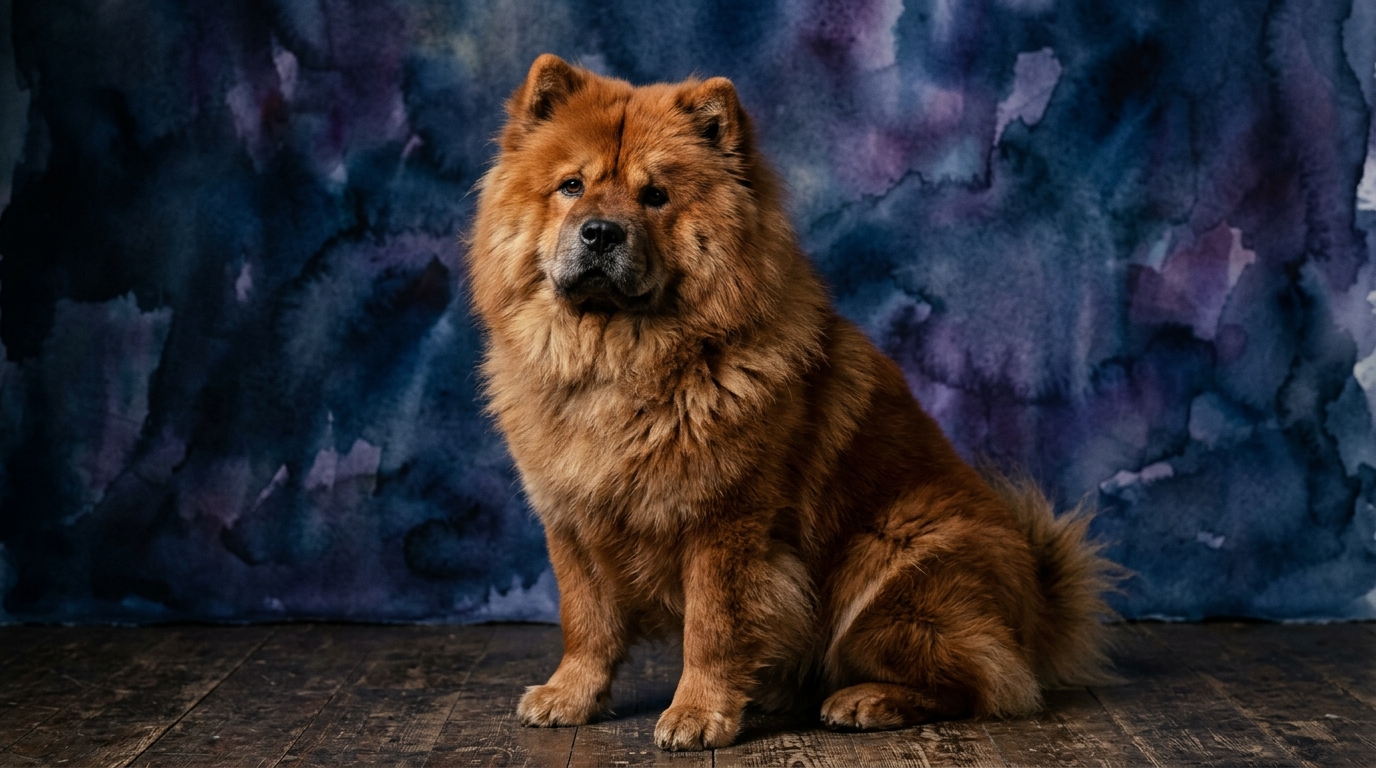
Belonging to the Non-Sporting group, the Chow Chow possesses a more reserved cognitive blueprint, often reflecting its ancient origins and independent nature. Their scores across the board are a consistent 3/5 for problem-solving, training speed, social intelligence, instinctive drive, and memory. This indicates a moderate but capable capacity in each dimension, suggesting they can learn and adapt, but perhaps at a more deliberate pace and with a greater emphasis on their own discernment rather than eagerness to please.
Where the Standard Schnauzer Excels Cognitively
The Standard Schnauzer's cognitive strengths are particularly evident in its capacity for rapid learning and application of knowledge. Their 4/5 in problem-solving means they are adept at navigating complex environments, figuring out how to open gates, or devising strategies to retrieve a hidden toy, often with minimal human intervention. This cognitive flexibility, combined with a 4/5 in training speed, allows them to pick up new behaviors and multi-step commands quickly, making them responsive partners in various activities from obedience to agility. Furthermore, their superior memory (4/5) ensures that once a lesson is learned, it tends to stick, contributing to their reputation as reliable and consistent companions in tasks and routines. These combined faculties make them exceptionally capable of adapting to new situations and mastering intricate skills with relative ease.
Unique Cognitive Traits of the Chow Chow
While the Chow Chow's cognitive scores are generally moderate at 3/5 across all dimensions, their unique profile isn't about outperforming, but about a distinct approach to intelligence that suits specific lifestyles. Their moderate problem-solving and training speed, coupled with an independent streak, mean they approach new situations with a careful, analytical mind rather than an impulsive one. This deliberate processing allows them to assess and respond based on their own judgment, fostering a self-reliant demeanor. Their 3/5 in social intelligence, while not indicating effusiveness, suggests a discerning capacity for forming deep, albeit selective, bonds and understanding subtle cues within their chosen family unit. This nuanced social cognition, combined with a moderate instinctive drive, means they are less compelled by constant external stimulation and more content with their own company, a trait that can be a "win" for owners seeking a dignified, less demanding canine presence.
Ease of Training: A Comparative Look
When it comes to training, the Standard Schnauzer holds a distinct advantage, primarily due to their higher scores in problem-solving (4/5) and training speed (4/5). These traits translate into a dog that not only understands what is being asked but also enjoys the process of learning and mastering new commands. Their strong memory further solidifies training, allowing them to retain lessons over time and generalize behaviors to different contexts. A Standard Schnauzer typically responds well to positive reinforcement, showing eagerness to participate and a desire to please, which makes them highly rewarding to teach for both novice and experienced owners.
In contrast, the Chow Chow's consistent 3/5 across cognitive dimensions, particularly in training speed, means their learning curve is more gradual and requires a different approach. Their independent nature often means they are less motivated by the desire to please and more by what benefits them, necessitating patient, consistent training methods that are engaging and clearly demonstrate value to the dog. While they are capable of learning, their progress might appear slower, and they may require more repetition and motivation to solidify commands. This breed responds best to fairness and respect, rather than forceful methods, and their social intelligence, while moderate, means they will form a deep understanding with a patient trainer over time.
Suiting Active vs. Relaxed Lifestyles
The Standard Schnauzer, with its robust cognitive profile and working dog heritage, thrives in an active household that can meet its substantial needs for mental and physical engagement. Their high problem-solving and instinctive drive (3/5, but paired with higher training speed) means they excel when given a "job" to do, whether it's learning complex tricks, participating in dog sports like agility or obedience, or accompanying owners on long hikes. They require consistent mental stimulation to prevent boredom and channel their cognitive energy constructively, making them an ideal match for owners who enjoy an interactive and dynamic relationship with their dog.
The Chow Chow, with its more moderate scores and independent temperament, typically suits a more relaxed lifestyle, though this doesn't imply idleness. While they appreciate regular walks and opportunities for quiet exploration, their lower instinctive drive and moderate need for constant engagement mean they are often content with less intense forms of activity. They are not typically a breed that demands hours of rigorous exercise or continuous mental games, preferring instead to observe and participate on their own terms. Owners who appreciate a dignified, self-possessed companion that is not overly demanding of constant interaction will find the Chow Chow's cognitive and behavioral traits align well with a calm, well-structured home environment.
The Verdict
Choose the Standard Schnauzer if you desire an eager, highly trainable companion for active pursuits and enjoy consistent mental engagement and advanced training.
Opt for the Chow Chow if you appreciate a dignified, independent dog that thrives on a more relaxed routine, and you are prepared for patient, consistent training tailored to their discerning nature.
🧠 Find Your Pet's IQ Score
Our Pet IQ Lab assessment covers 25+ tests across 5 cognitive dimensions — personalized to your breed.
Take the Full IQ Test →Frequently Asked Questions
Do Standard Schnauzers require a lot of mental stimulation?
Yes, with their 4/5 problem-solving and training speed, Standard Schnauzers benefit greatly from regular mental challenges like puzzle toys, learning new commands, or participating in dog sports. This helps channel their cognitive energy constructively and prevents boredom.
Are Chow Chows difficult to train?
Chow Chows are not inherently difficult to train, but their independent nature and 3/5 training speed mean they require more patience, consistency, and motivation than some other breeds. Positive reinforcement and building a strong bond are key to successful training with a Chow Chow.
Which breed is better for first-time dog owners?
The Standard Schnauzer, with its eagerness to learn and higher training speed, is generally more forgiving for first-time owners willing to invest in consistent training and exercise. The Chow Chow's independent and often reserved nature might be more challenging for a novice owner without prior experience with independent breeds.