Side-by-Side IQ Profile: Standard Schnauzer vs. Finnish Spitz
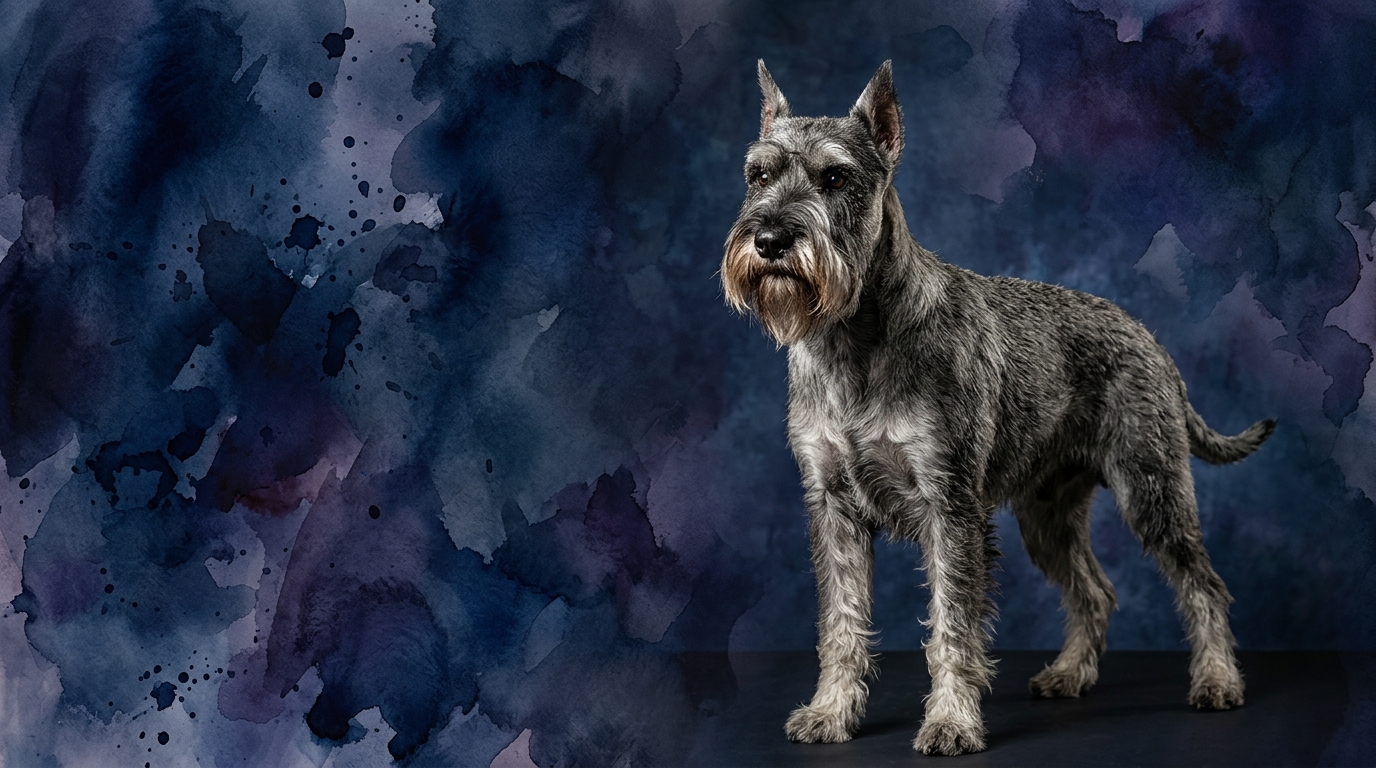
The Cosmic Pet Pet IQ Lab employs a multi-dimensional approach to assess canine cognition, moving beyond singular metrics to capture the nuances of each breed's mental makeup. For the Standard Schnauzer, a Working Group breed ranked #22 by Coren, its profile immediately suggests a keen, capable mind.
The Standard Schnauzer's problem-solving ability scores 4/5, indicating a strong capacity to analyze situations and devise solutions, often with a practical, goal-oriented approach. Its training speed is also 4/5, reflecting a quick grasp of new commands and routines, making it a responsive student. Social intelligence stands at 3/5, suggesting a good understanding of human cues, though perhaps with a streak of independence rather than unwavering deference. Instinctive drive is rated 3/5, present but manageable, often channeled into purposeful activities. Finally, its memory score of 4/5 means it retains learned behaviors and experiences with notable consistency, building on past lessons effectively.
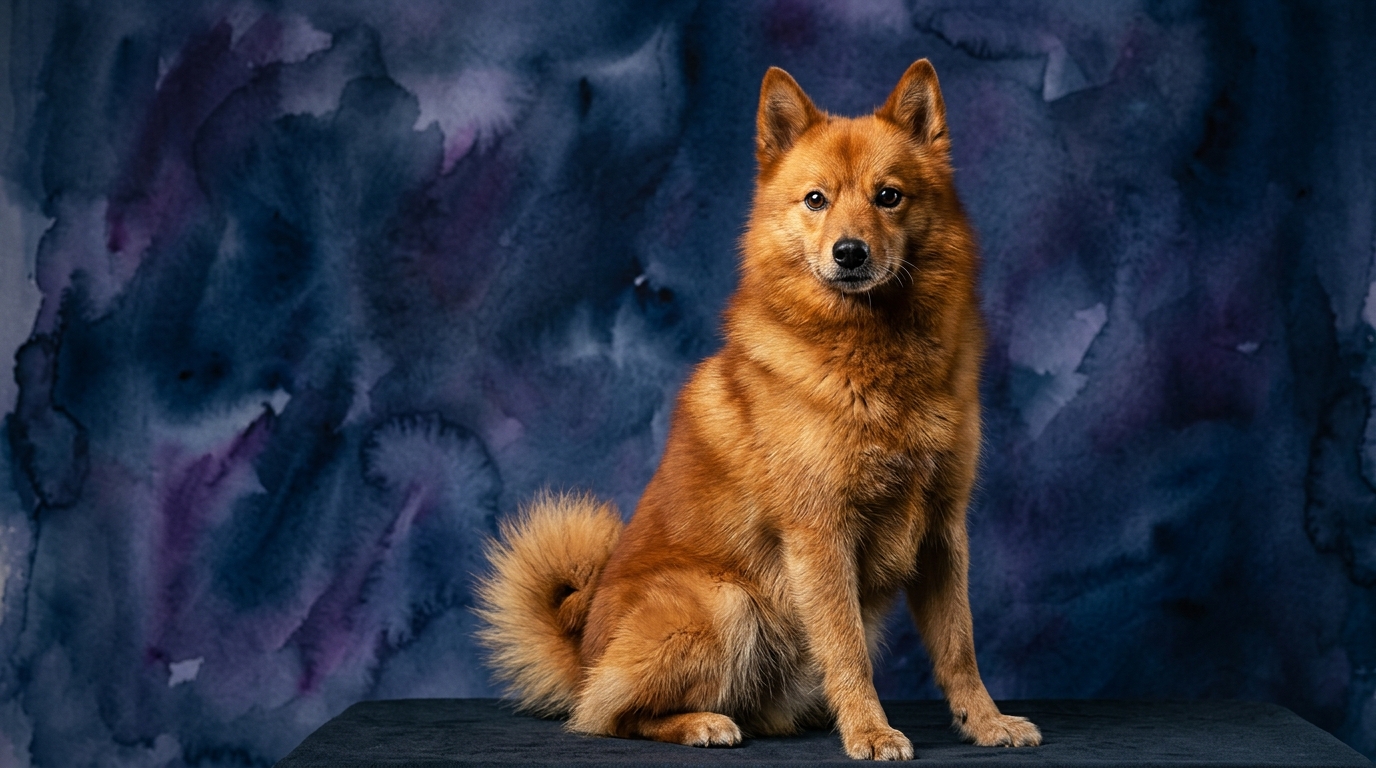
In contrast, the Finnish Spitz, a Non-Sporting Group breed not listed on Coren's ranking, presents a profile rooted in its unique heritage. Its problem-solving ability is 3/5, indicating it can navigate challenges and figure things out, though perhaps with less directness or speed than the Schnauzer. Training speed is 3/5, meaning it learns steadily but may require more repetition and patience to solidify new behaviors. Social intelligence, also 3/5, points to a dog that connects well with its family but might be more reserved or discerning with strangers. Its instinctive drive, also 3/5, is notably expressed through its strong vocalization and bird-hunting instincts, a core part of its cognitive wiring. A memory score of 3/5 suggests it retains information adequately, but perhaps not with the same immediate recall or long-term retention as its Schnauzer counterpart.
Where the Standard Schnauzer Excels Cognitively
The Standard Schnauzer's cognitive strengths are particularly evident in its higher scores for problem-solving (4/5), training speed (4/5), and memory (4/5). This combination makes them exceptionally adept at structured learning and task execution. Owners will observe their Schnauzer quickly understanding the mechanics of a new puzzle toy or rapidly linking a verbal cue to a desired action, often after just a few repetitions.
Their superior training speed means they absorb complex sequences of commands with greater ease, making them excellent candidates for advanced obedience, agility, or even intricate service dog work where precision and rapid comprehension are paramount. The robust memory ensures that these learned skills are not fleeting; once a behavior is established, it tends to be retained over time, providing a reliable foundation for consistent performance. This cognitive profile reflects their heritage as versatile working dogs, requiring both mental agility and the capacity to reliably perform specific duties.
Unique Cognitive Strengths of the Finnish Spitz
While the Finnish Spitz may not boast higher numerical scores in general cognitive dimensions, its unique cognitive wiring is perfectly adapted to its original purpose. Its instinctive drive (3/5), though numerically equal to the Schnauzer's, manifests distinctively through its renowned vocalization – a specific cognitive skill honed for locating and 'marking' game birds for hunters. This is not merely barking; it's a sophisticated, varied vocal repertoire used for communication and strategy in the field, demonstrating a specialized form of problem-solving related to its environment.
The Finnish Spitz's social intelligence (3/5) often translates into a deep, loyal bond with its immediate family, rather than a broad eagerness to please all humans. This selective social engagement can be a cognitive strength for owners seeking a devoted companion that forms profound connections within a close circle. Their problem-solving (3/5) might be geared more towards navigating natural environments and interpreting subtle sensory cues, a different type of cognitive application compared to the abstract tasks often presented in IQ tests, yet equally effective in their traditional role.
Training Dynamics: Which Breed is Easier?
When it comes to ease of training, the Standard Schnauzer generally holds an advantage due to its higher training speed (4/5) and memory (4/5). These dogs typically exhibit a strong desire to engage with their trainers and pick up new commands with impressive alacrity. Their working dog background means they often thrive on having a 'job' and respond positively to clear, consistent instruction, making the training process feel more like a collaborative effort.
The Finnish Spitz, with its 3/5 scores in both training speed and memory, requires a more patient and consistent approach. They are not unwilling learners, but they may need more repetitions to master a command and might occasionally demonstrate an independent streak, a trait stemming from their hunting heritage where they were expected to work somewhat autonomously. Their pronounced vocalization, a key part of their instinctive drive, can also present a specific training challenge, requiring dedicated effort to manage barking in domestic settings. Owners must approach their training with understanding for their innate behaviors and a commitment to positive reinforcement over time.
Matching Breeds to Lifestyles: Active vs. Engaged Owners
For owners with an active lifestyle who seek a canine partner for structured activities and mental challenges, the Standard Schnauzer is often an excellent match. Their high problem-solving and training speed make them suitable for dog sports like agility, obedience trials, or even tracking, where they can channel their cognitive energy into purposeful tasks. They thrive on consistent mental stimulation and physical exercise, requiring owners who are prepared to provide daily engagement that challenges both their body and their astute mind.
The Finnish Spitz, while also requiring regular exercise, suits owners who appreciate a dog with a distinct personality and are prepared for a different kind of engagement. They benefit from activities that tap into their natural instincts, such as supervised 'barking games' in a controlled environment or scent work that allows them to use their keen senses. Owners should be prepared for their independent nature and vocal tendencies, finding joy in a spirited companion who may require creative solutions to integrate their unique traits into a harmonious home life, rather than expecting the same level of structured compliance as a Schnauzer.
The Verdict
Choose the Standard Schnauzer if you are seeking a highly trainable, adaptable companion for dog sports, complex tasks, and structured mental engagement, valuing quick learning and reliable retention.
Opt for the Finnish Spitz if you appreciate an independent, vocal, and spirited companion, and are willing to invest in consistent, patient training to understand and manage a dog with a specific hunting heritage and unique personality.
🧠 Find Your Pet's IQ Score
Our Pet IQ Lab assessment covers 25+ tests across 5 cognitive dimensions — personalized to your breed.
Take the Full IQ Test →Frequently Asked Questions
How does Coren's ranking relate to the IQ Lab scores?
Coren's ranking primarily assesses a breed's working and obedience intelligence, aligning closely with our 'training speed' and 'problem-solving' dimensions. The IQ Lab offers a broader perspective by including social intelligence, instinctive drive, and memory, providing a more comprehensive cognitive profile beyond just trainability.
Can a Finnish Spitz learn as many commands as a Standard Schnauzer?
Yes, a Finnish Spitz can certainly learn many commands, but its training speed (3/5) suggests it may require more repetition and patience compared to a Standard Schnauzer (4/5). Consistency and positive reinforcement are key to success with the Finnish Spitz, rather than assuming any cognitive limitation.
Which breed is better for a first-time dog owner?
For a first-time owner seeking a dog that responds quickly to training and adapts readily to structured routines, the Standard Schnauzer might be a more straightforward choice due to its higher training speed and problem-solving aptitude. The Finnish Spitz's independence and vocal nature often require an owner with a bit more experience and a specific understanding of working with breed-specific instincts.